Fertigation Facts
The purpose of this fact sheet is to provide general information on forms of fertigation for primary plant nutrient, fertigation timing, and fertigation economics.
The purpose of this fact sheet is to provide general information on forms of fertigation for primary plant nutrient, fertigation timing, and fertigation economics.
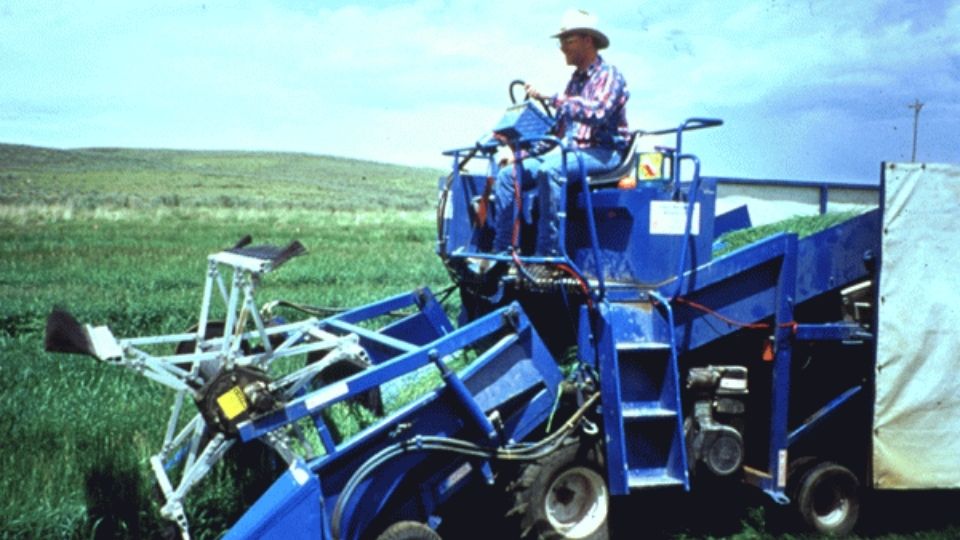
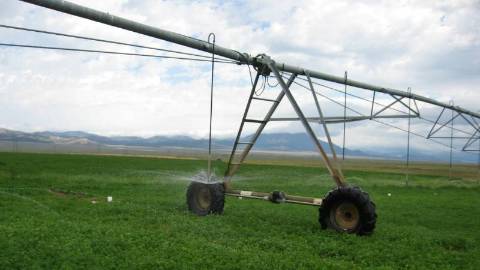
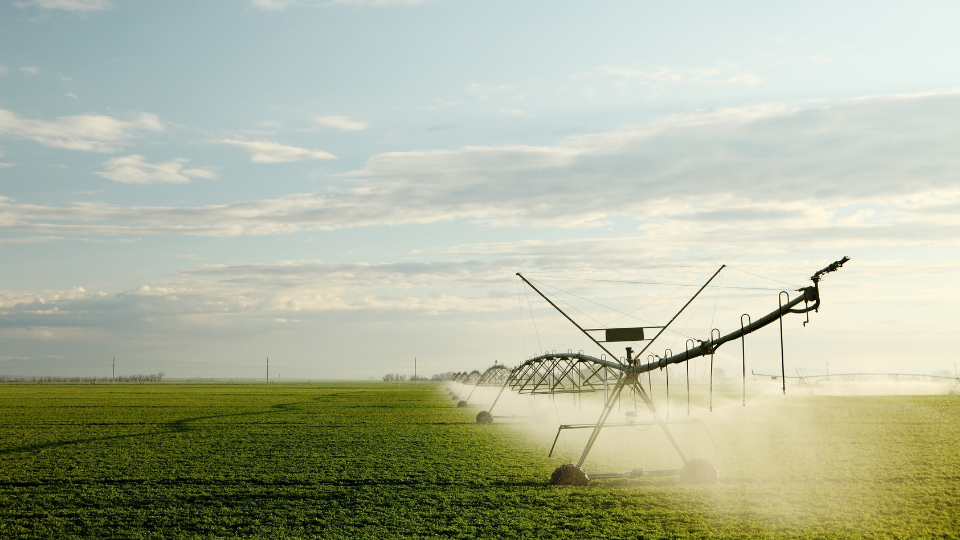
The objective of this project is to study the response of pasture grass varieties to weather, irrigation, and fertility in a field experimental plot at a high elevation. The water variable is accomplished with a line source sprinkler irrigation system. Tw...
The suitability of a water source for irrigation depends on the water quality, and some sources may be altogether unsuitable for practical use.
Salt is important in plant and soil management. Excessive salt concentrations in soil can cause water to be less available to plants because of the osmotic forces of salt in the soil water. Excessive concentrations of some salt ions can also be toxic to p...
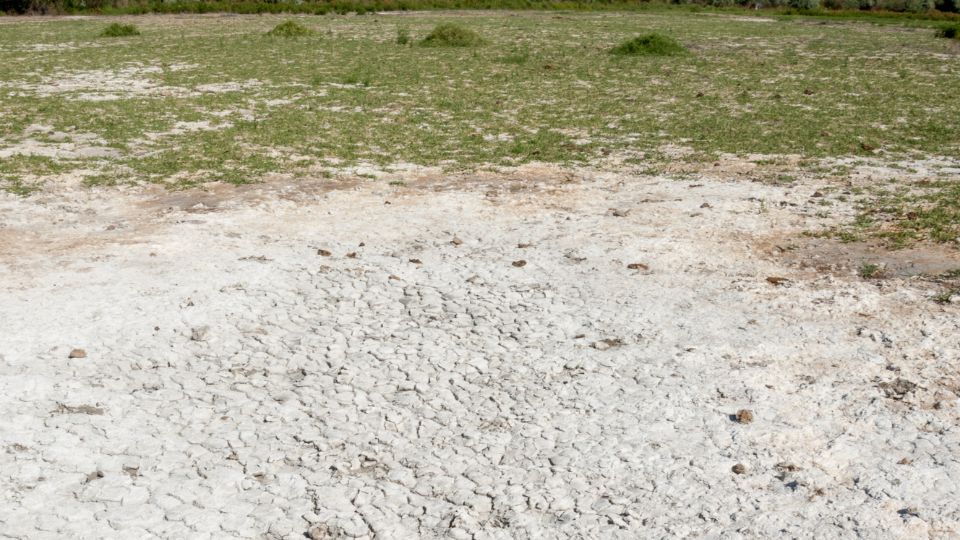
Soil salinity is a measure of the total amount of soluble salt in soil. As salinity levels increase, plants extract water less easily from soil, aggravating water stress conditions. High soil salinity can also cause nutrient imbalances, result in the accu...
Sodic soils are soils with excess sodium. Sodic soils are encountered with increasing frequency in Utah, usually in the lower, flatter areas of our valleys. Sodic soils probably developed over many years when the water table was high and the soils were to...
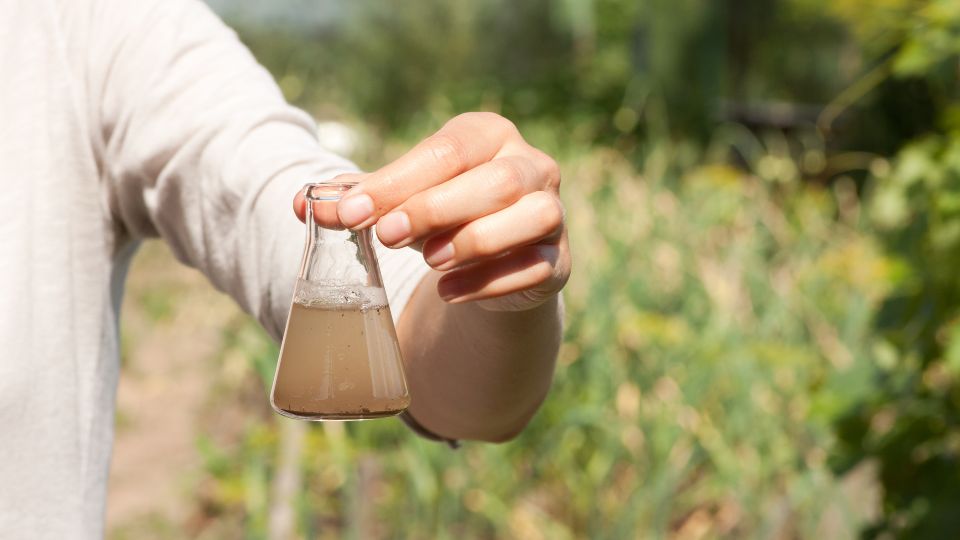
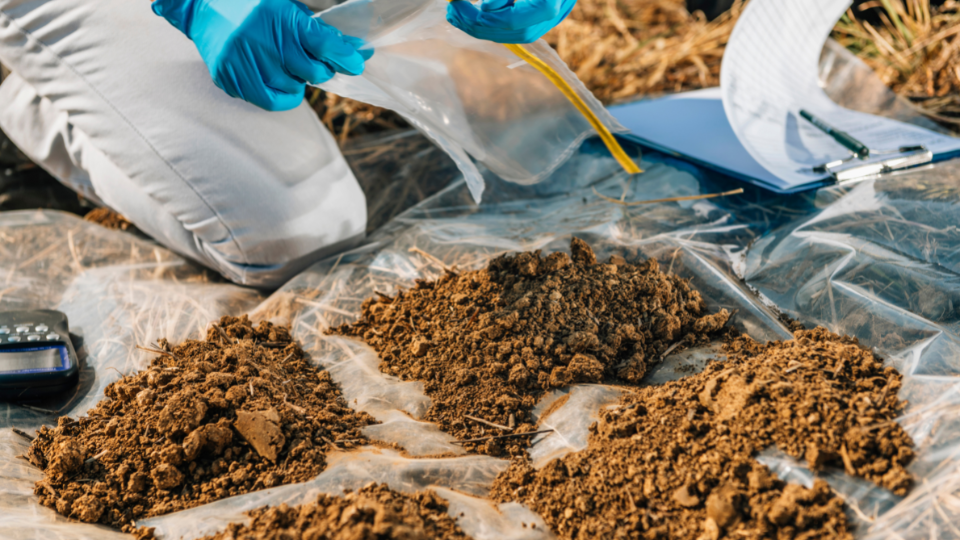
Why conduct soil sampling for crops? The answer is simple and intuitive for most involved in agriculture. Regular soil sampling, testing, and associated guidance on fertilization and soil amendments help develop and maintain more productive and healthy
Salts are naturally occurring, soluble minerals in areas where soil evaporation and plant water use (or transpiration) are both high, and precipitation is low. In that scenario, dissolved minerals concentrate over time as the extraction of essentially pu...