
So You Think You Can Dance? Yes, Anyone Can!
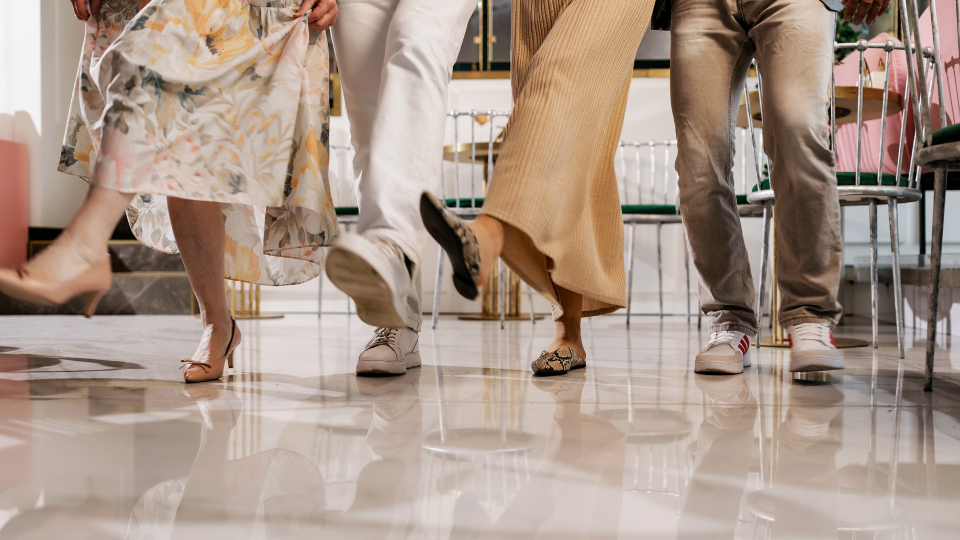
"Every day brings a chance for you to draw in a breath, kick off your shoes, and dance."
The origins of ancient dances can be traced to India around 8000 BCE and were thought to be used mainly for religious purposes (MasterClass, 2021). Over time, dance evolved beyond spiritual rituals and became integrated into celebrations, traditions, performances, and social gatherings. Dancing continues to draw people in for many reasons – anyone can dance, not just professionals; there are many styles to try; and it can be done almost anywhere. These are some of the qualities that make dancing such a great physical activity.
While the benefits of physical activity are well-known, many people struggle to meet the minimum movement recommendations. Barriers such as lack of motivation or time, unsafe environments, injuries and chronic illnesses, or cost can all play a role (Physiopedia, 2025).
Research highlights the many benefits of both structured and unstructured dancing on physical and mental health. Some studies have shown that dancing can produce physical results similar to formal exercise training (Fong Yan et. al, 2024). Documented benefits include (Fong Yan et. al, 2024; Hwang & Braun, 2015; Tatarvathy & Oktay, 2025):
- Greater flexibility
- Postural stability
- Improved balance
- Improved reaction time
- Improved cardiovascular health, including lower blood pressure
- Improved cognitive performance
- Increased confidence and self-esteem
- Improved social connections and feelings of belonging
- Improved mood and depressive symptoms
For those who feel like they have two left feet, no worries! Dancing can be as simple as moving to a favorite song without worrying about a specific dance pattern or routine. Some gyms offer fitness classes that mix dance styles with aerobic movements, and online videos are available - including seated options – that help address mobility or safety concerns. For those interested in learning a specific style, they can start by becoming familiar with the music, finding local studios that offer classes in that style, and going to social dancing events (socials). Many socials offer dance lessons at the beginning so attendees learn a routine they can practice during the main event. Remember that dance is a physical activity that can cause fatigue and muscle soreness, so stay hydrated, stretch, and take breaks. Most important of all – have fun!
References
- Fong Yan, A., Nicholson, L., Ward, R., Hiller, C., Dovey, K., Parker, H., Low, L., Moyle, G., & Chan, C. (2024). The effectiveness of dance interventions on psychological and cognitive health outcomes compared with other forms of physical activity: A systematic review with meta-analysis. Sports Medicine, 54, 1179–1205. https://doi.org/10.1007/s40279-023-01990-2
- Hwang, P. W., & Braun, K. L. (i2015). The effectiveness of dance interventions to improve older adults' health: A systematic literature review. Alternative Therapies in Health and Medicine, 21(5), 64-70. https://pubmed.ncbi.nlm.nih.gov/26393993/
- (2021, November 18). History of dance: Universal elements and types of dance. Retrieved August 21, 2025 from https://www.masterclass.com/articles/history-of-dance
- (2025, July 16). Barriers to physical activity. Retrieved August 21, 2025 from https://www.physio-pedia.com/index.php?title=Barriers_to_Physical_Activity&oldid=370612
- Tatarvathy, M., & Oktay, A. A. (2025). Cardiovascular benefits of dance as a unique form of exercise: A literature review. Heart and Mind, 9(1), 61-67. https://doi.org/10.4103/hm.HM-D-24-00089
Author
Gabriela Murza, MS, MCHES®, Professional Practice Extension Associate Professor, Health & Wellness/HEART Initiative

Gabriela Murza
Professional Practice Extension Associate Professor | Health and Wellness | HEART Initiative | Utah County
Home and Community Department