
Mortality Management
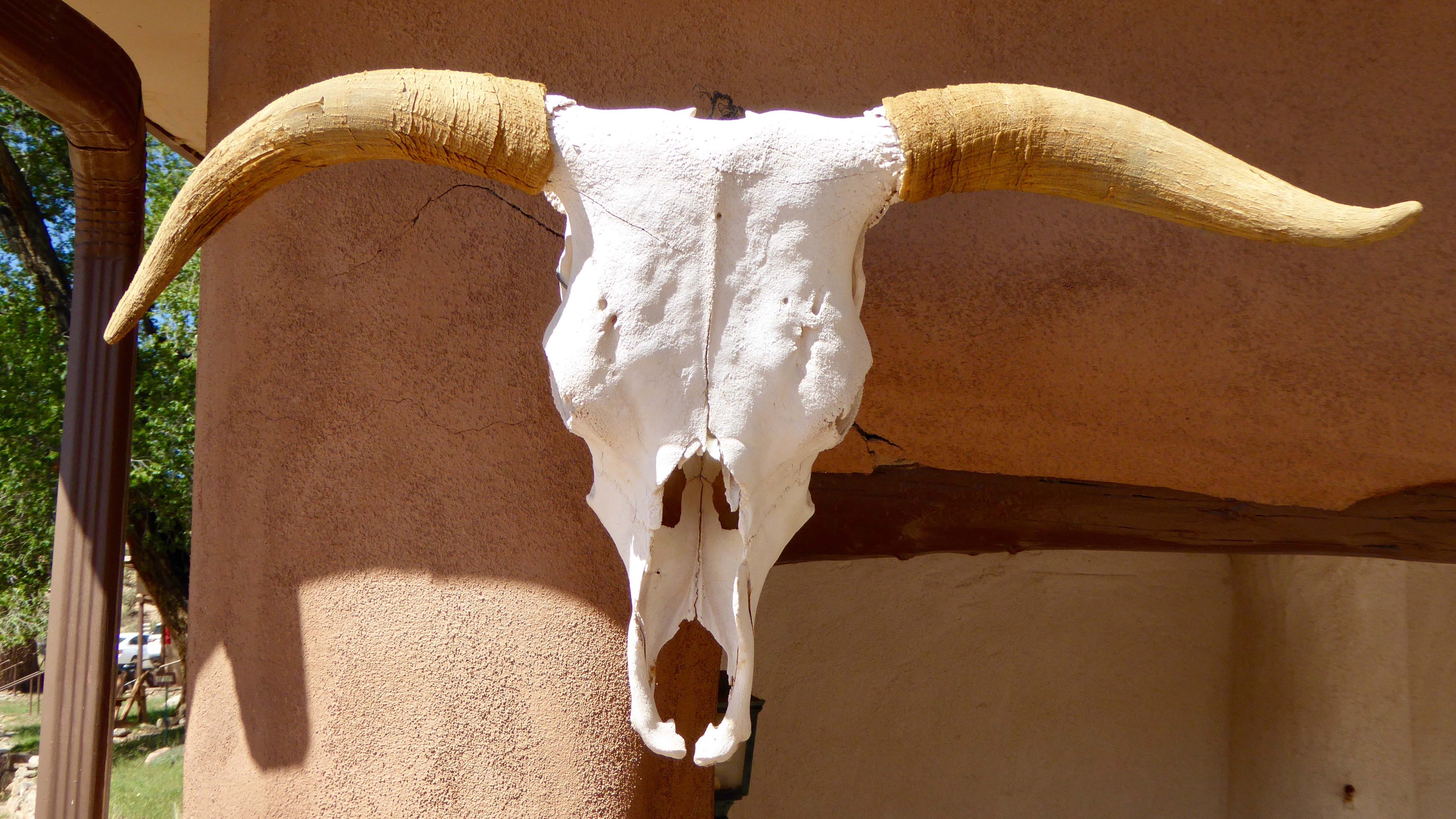
Between 1 and 5% of animals die on Utah farms each year. These mortalities must be disposed of in a manner acceptable to the producer and according to local, state, and federal regulations. Where available and economically feasible, rendering is often the method of choice. On-site burial was once a common method for mortality disposal and may still be acceptable if mortalities are buried at the proper depth in soils where a water table or other limitations do not exist. Landfills may also accept mortalities. Incineration is used by larger operations, particularly for smaller animals like chickens. However, regulations and increased fuel costs are reducing the use of incineration. Composting is a viable option, and is becoming a more common approach for dealing with mortality disposal.
A Nutrient Management Plan (NMP) must include information regarding the disposal of routine mortalities. An emergency plan for dealing with mortalities from a major disease outbreak should also be part of your NMP. Check with local county and city officials for guidelines or regulations regarding burial, landfilling, incineration, or composting of mortalities in your area. In addition, state regulations must be followed for mortality composting and incineration.
Mortality Composting
Composting of mortalities is becoming more prevalent, and a preferred option in many cases. Composting of mortalities, or animal waste, on your farm from animals produced on your farm does not require a permit. See resources below for more information.