
pH
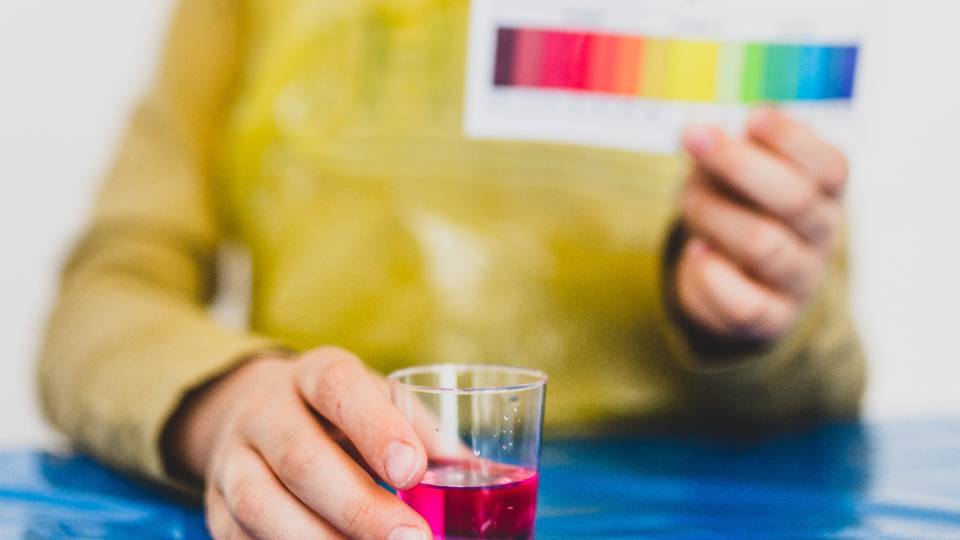
pH stands for “potential of hydrogen.” It is a measure of how many hydrogen ions are in a solution, which indicate how acidic or basic a solution is. pH is measured on a 0-14 scale, with acids having a pH less than 7 and bases a pH greater than 7. Neutral water has a pH of 7. The natural pH of waters in Utah ranges from 6.5-9 []. It is normal to have some variation in pH, but large fluctuations likely indicate a source of contamination.
Factors Affecting pH
Many things can influence the pH of a body of water, including the type of minerals the water runs through, photosynthesis of aquatic plants, rainwater, and stormwater runoff. For example, water that comes in contact with granite is more acidic than water that falls on chalk or limestone []. Rain water is generally acidic from dissolving gases as it falls. Human influences such as waste discharges can also have an impact on water body pH.
Effects of pH Changes
Changes in pH outside of normal fluctuations can have severe detrimental effects on fish and plants. Aquatic life have adapted to live in a specific environment and habitat. Extremes in pH cause fish to produce increased mucus, damage gill tissue, incur hemorrhages, and may cause death []. pH values above 9.2 and below 4.8 have been shown to kill carnivorous fish such as salmon and trout, while pH values above 10.8 and below 5 have been proven fatal to soft-finned fishes such as carp [].
Fluctuating pH affects more than fish populations. Acidic water is a more effective solvent for heavy metals than neutral water []. Acidic water has been found to have higher values of zinc, manganese, and copper than waters with a healthy pH []. Lower trophic level species, like ciliated protozoa, have also been shown to decline with lower pH [].
References
[1] Baker, J. P., Bernard, D. P., & Christensen, S. W. (1990, January 1). Biological effects of changes in surface water acid-base chemistry. Www.osti.gov. https://www.osti.gov/servlets/purl/7255574[2] Demeke, A., & Tassew, A. (2015). A review on water quality and its impact on fish health. ~ 21 ~ International Journal of Fauna and Biological Studies, 2016(1), 21–31. https://www.faunajournal.com/archives/2016/vol3issue1/PartA/2-6-4.pdf
[3] Saalidong, B. M., Aram, S. A., Otu, S., & Lartey, P. O. (2022). Examining the dynamics of the relationship between water pH and other water quality parameters in ground and surface water systems. PLOS ONE, 17(1), e0262117. https://doi.org/10.1371/journal.pone.0262117
Authors
Erin Rivers, Water Quality Extension Specialist; Abby Barton, Intern
Related Research
10 Ways to Reduce Your Water Quality Footprint at Home
Non-point source pollution comes from various sources, including common household products. Learn about practices homeowners can implement to reduce their water quality footprint.
Coliform Bacteria
Coliform bacteria are rod shaped bacteria connected with the colon of warm-blooded animals. Coliform bacteria are useful indicator organisms because their presence in food or water indicate poor sanitary conditions.
Does My Drinking Water Need Testing?
There are various reasons to require professional testing of a drinking water system. Common ways of identifying a need include taste, smell, a recurring illness.
Drinking Water Treatment
There are many options to treat contaminated water. Each option addresses different water quality problems. Learn more about various options on the market today.
E. coli in Recreational Waters
Lakes and ponds can become contaminated with coliform bacteria, including E. coli, resulting in water that is unsafe to recreate in.
Fertilizer Storage
Storing fertilizer properly is a simple way to reduce point source pollution that occur from fertilizer spills and container failures. Learn more about proper storage areas, containers, and loading pads.
Heavy Metals
Heavy metals are elements found in water that can be detrimental to human health. Learn more about the associated health risks and treatment options.
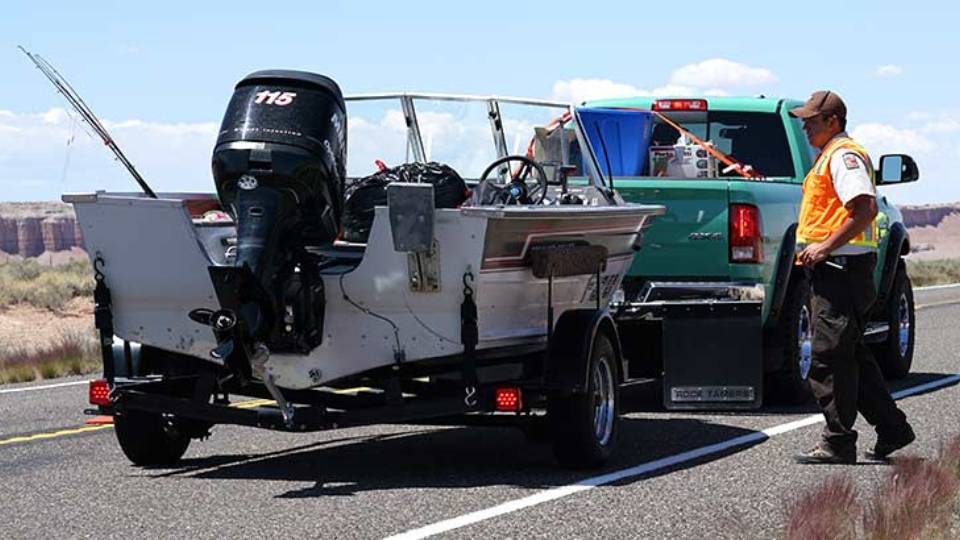
How to Prevent the Spread of Aquatic Invasive Species
Quagga and Zebra mussels have been found in water bodies throughout the United States, including Utah. These mussels threaten native species, clog pipes, and ruin equipment. Preventing the spread of invasive species is easier and more cost effective than
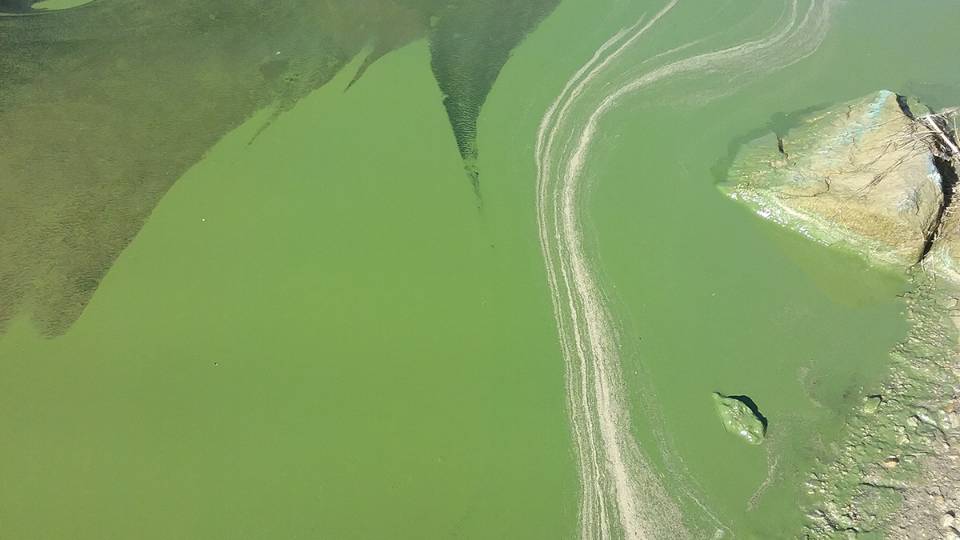
Introduction to Harmful Algal Blooms
A harmful algal bloom is a phytoplankton containing toxic cyanobacteria. Often referred to as HABs, cyanobacteria occur when the concentration of nutrients, temperature, and turbulence in a body of water is just right to promote algal growth.
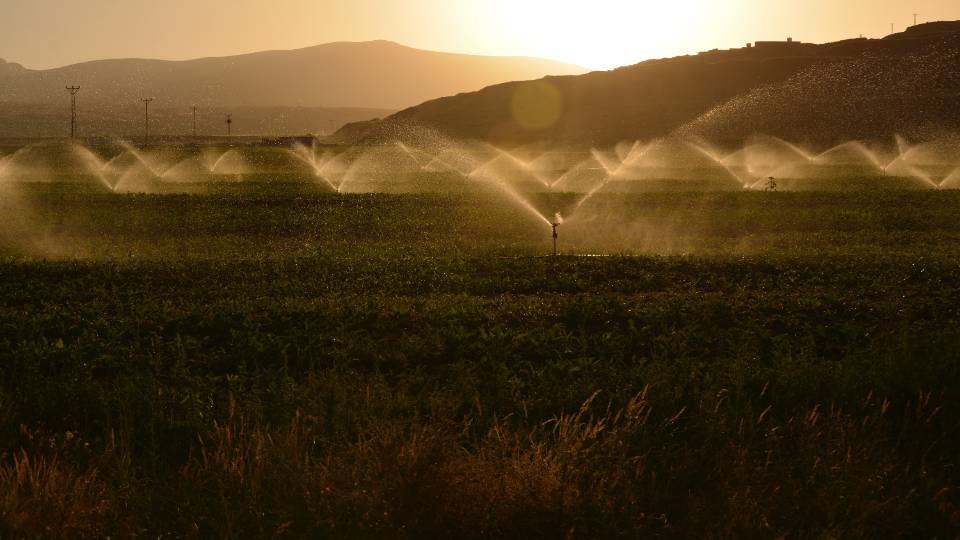
Irrigation Water Frequently Asked Questions
Irrigation water comes from a variety of sources. Irrigation water is not treated, making it have negative impacts on human health and crop yields.

Livestock and Water Quality
Improper livestock management can lead to degraded water quality. Managing stock yards correctly can protect water sources on private properties, and those further downstream.
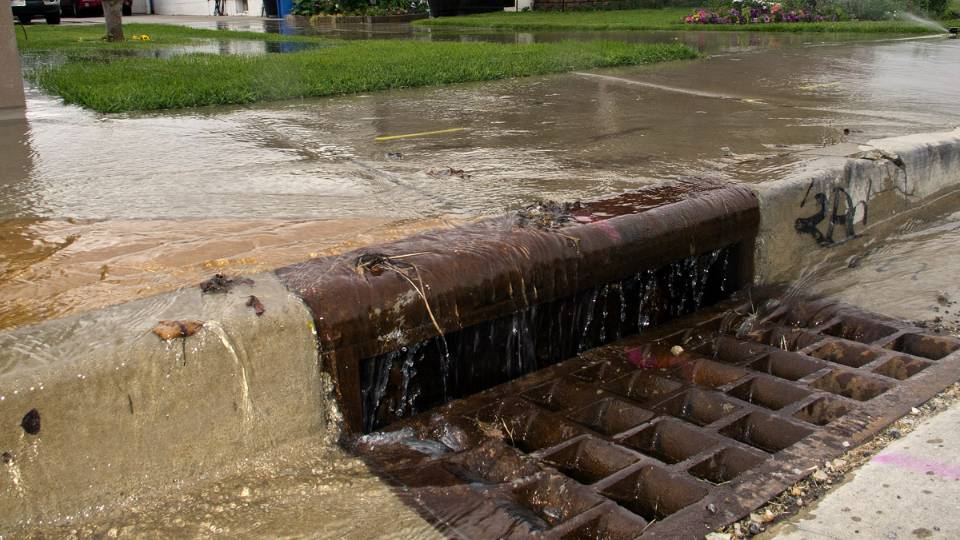
Low Impact Urban Development
Existing infrastructure no longer supports current stormwater management needs in many places. The life of current stormwater management systems can be extended through the implementation of low impact development practices.
Nutrient Application for Water Quality
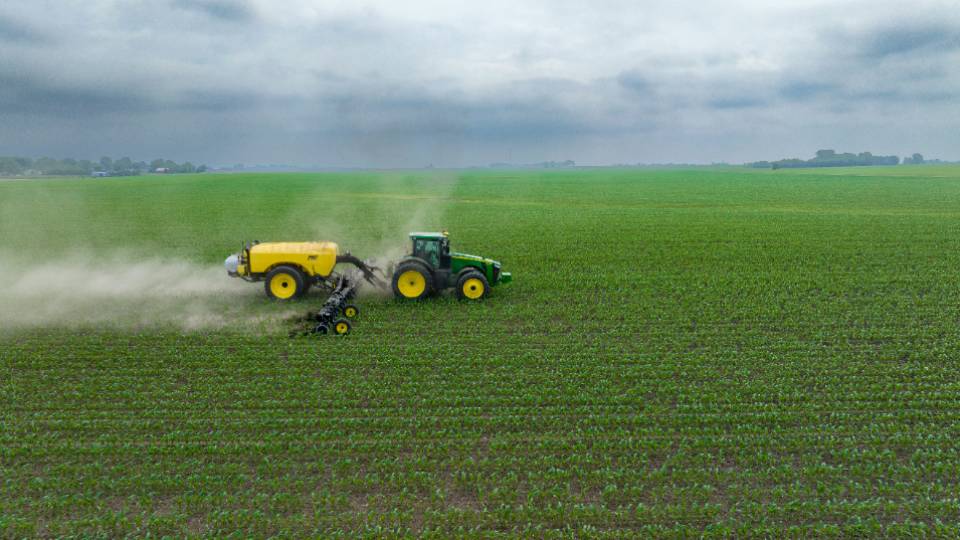
The use of fertilizer can improve soil nutrients, positively influencing crop yields. However, if used excessively, fertilizer can negatively impact water quality by overloading water systems with nutrients- a state called eutrophication- causing algal bl

PFAs
PFAS are a group of synthetic chemicals commonly found in food packaging and cookware. Nicknamed "forever chemicals," PFAS have been found to have negative impacts on human health and are an increasing threat to water quality.
Water Quality Impacts on Aquatic Macroinvertebrates
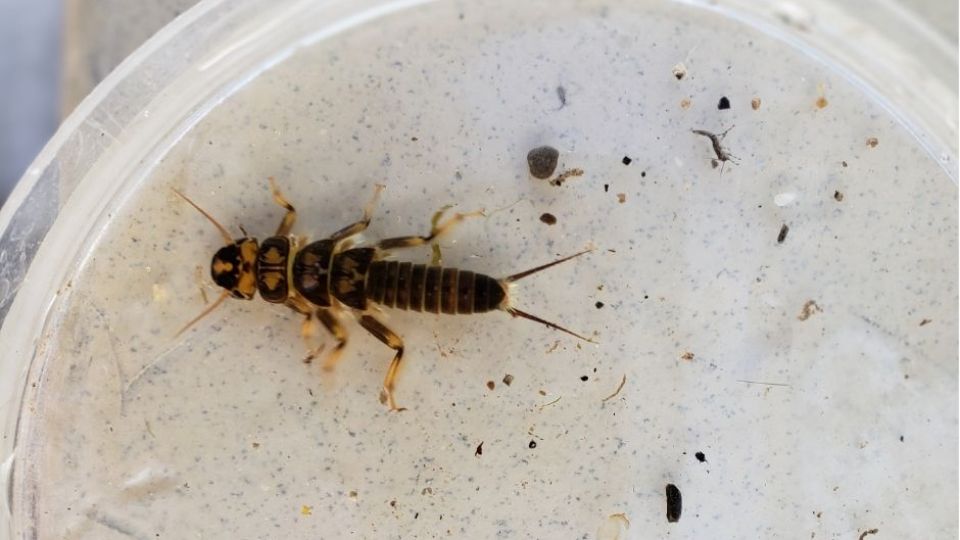
Learn about aquatic macroinvertebrates. Some of scientists most helpful partners in detecting decreasing water quality are aquatic macroinvertebrates because they react quickly to changing water conditions.
Water Quality and Fish Growth
Pollutants such as heavy metals, PFCs, microplastics, and pharmaceuticals can accumulate in the tissues and organs of fish exposing humans through consumption of contaminated fish. Additionally, these pollutants can affect the growth of fish, placing fish

Well Protection Basics
Over 23 million households in the United States rely on privately owned wells to supply their drinking water.