Creating Sustainable School and Home Gardens: Creative Ways to Store Seeds
Learn the basics of seed saving, including its cultural history, benefits for biodiversity, and simple steps for collecting, cleaning, and storing seeds at home.
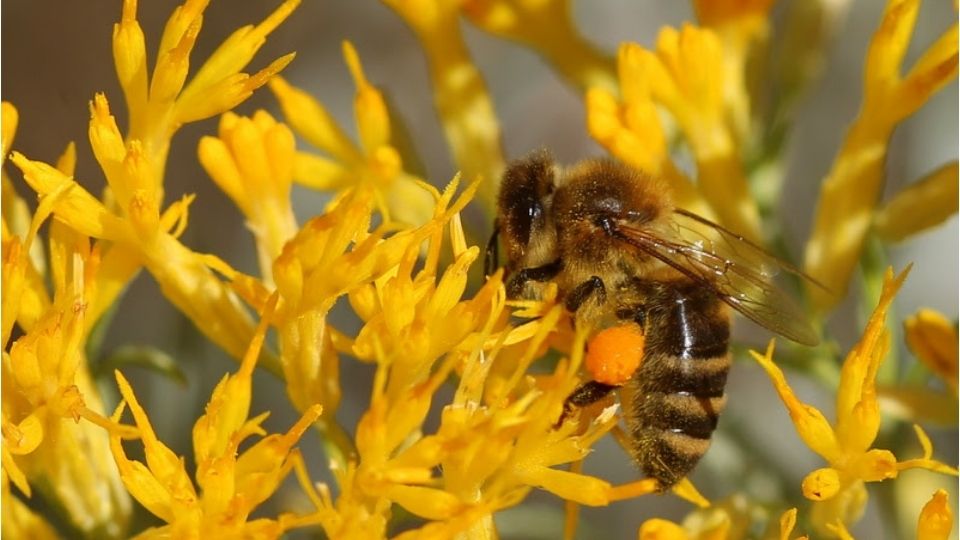
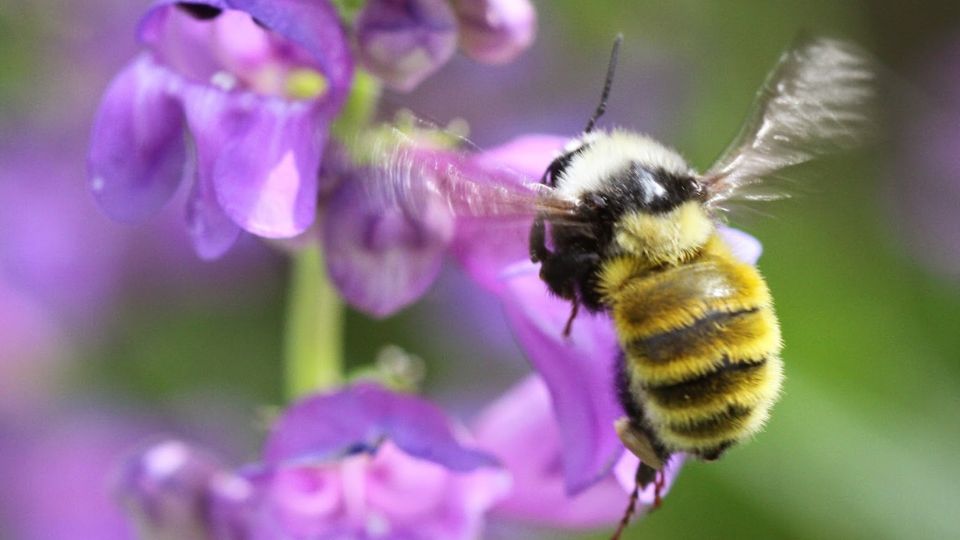
Learn the truth behind common misconceptions about bees and why they matter for pollination, ecosystems, and food production. This article explains bee behavior, diversity, and conservation, offering practical insights for creating sustainable school and ...
Citizen science lets anyone help scientists by collecting and sharing data about the world around them. This article shows how families and schools can use garden projects like iNaturalist, Budburst, and The Great Sunflower Project to learn and make a dif...
Bees are essential pollinators that support ecosystems, biodiversity, and nearly 75% of global crops. This USU Extension Smart Foodscapes article explains their vital role, the threats they face, and simple ways we can all help protect them.
Companion planting is the practice of growing specific plants together to boost productivity, deter pests, and improve soil health naturally. By harnessing the unique relationships between plants, this sustainable method reduces the need for chemicals whi...
This fact sheet provides an overview of organic pest management techniques for sustainable school and home gardens, emphasizing natural insecticides, pest-repelling plants, and eco-friendly control methods. It highlights practical strategies such as compa...
This guide explores how drones can enhance sustainable school and home gardens by assisting with monitoring, landscaping, plant health assessment, wildlife tracking, and maintenance. It also provides tips on choosing the right drone, operating it safely, ...
Weather stations play a crucial role in creating sustainable school and home gardens by providing essential atmospheric data for optimal plant care. This guide offers comprehensive information on selecting, setting up, and utilizing weather stations, alon...
A guide to using bioacoustic monitoring devices. It explains what the devices are and how they work, along with tips for selecting a device, installing it, and collecting data. It also includes information on how to analyze the data and maintain the devic...
Compost, a mixture of decayed organic material, can be used as a natural way to enrich soil and fertilize plants. You can create compost for your home or school garden by using food scraps (e.g., vegetable and fruit peels, coffee grounds, tea leaves, egg ...
Biological control (biocontrol) uses beneficial predators, parasites, and pathogens to manage garden pests naturally, reducing the need for harmful insecticides. Encouraging biocontrol agents like lady beetles, lacewings, and parasitoid wasps through habi...
Trail cameras (also called game or wildlife cameras) have been used for decades to document wildlife for personal use (for example, identifying key areas frequented by game animals), education, and scientific use (documenting distributions of animals arou...
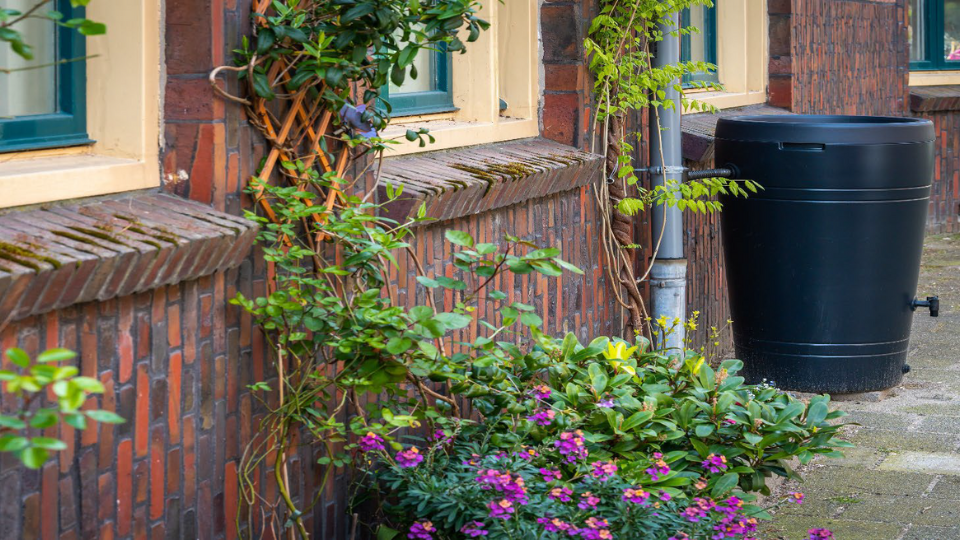
In the United States, many houses have roofs that allow water to flow down the sides, being directed into a rain gutter and then a downspout. Traditionally, this water is dumped into the ground, a ditch, or the street as it flows back into the ground or
Insects play a very important role in your garden as pollinators, prey for beneficial wildlife, predators controlling insect pests, and as soil nutrient recyclers. Follow the best gardening practices below to promote insect conservation and create healthy...
Many flowering plants and trees, as well as vegetables, are critical to healthy and biodiverse habitats. Installing a smart foodscape in which you integrate edible plants into an existing landscape is a great way to do just this! The key is to create mult...
When most people think of a home for a bee, they probably picture the white wooden hives or domeshaped skeps associated with beekeeping. Those homes are just for honeybees, a single social species of non-native bee that is kept around the world for honey ...
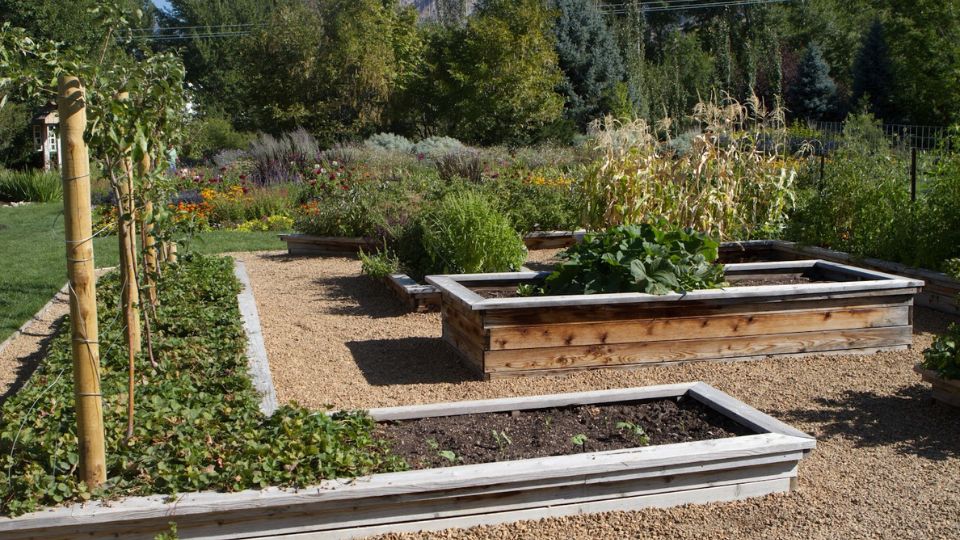
By raising the soil level, raised garden beds also reduce back strain when bending over to tend the bed. If the beds are built well, the gardener can sit on the edge of the bed while weeding, and for some gardeners, this is the biggest benefit of all. Rai...
Vertical gardening is the practice of in-ground gardening that grows plants up a trellis, arch, or vertical support. It can be used in container gardening by growing vertically. Some vertical gardens employ hydroponics to feed their plants. Vertical garde...
The goals of this Grade 6 living systems/biodiversity curriculum are to highlight Indigenous (First Nations, Métis, and Inuit) contributions to science, technology, and sustainable agriculture, with a focus on relational worldviews, permaculture practices...