Best Management Practices

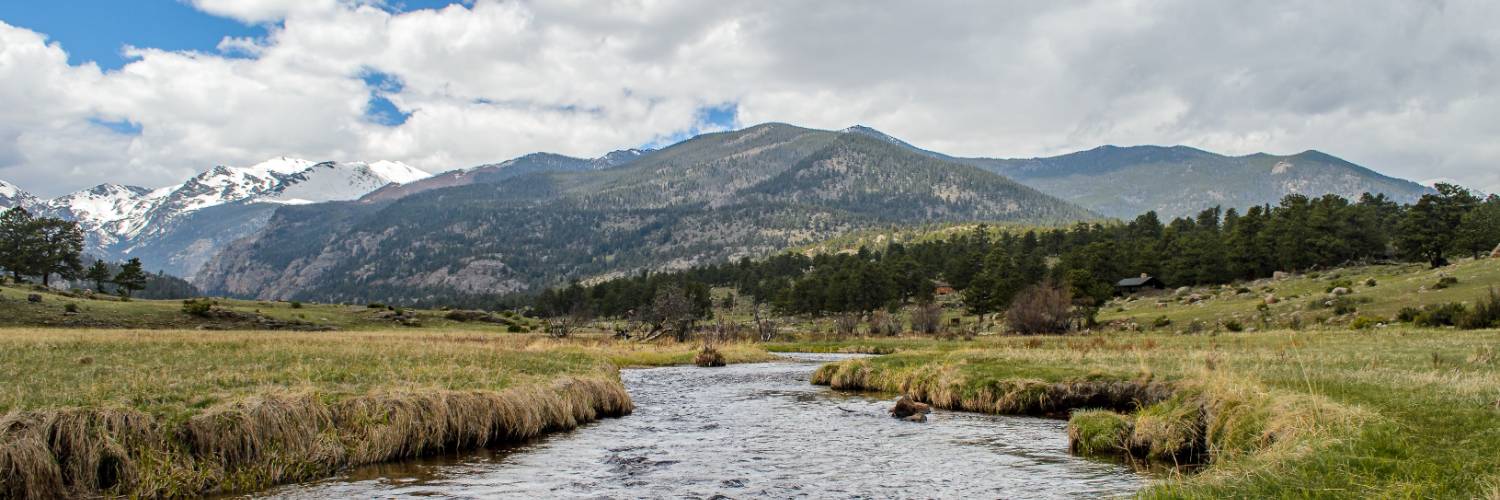
mountain and river

Best management practices (BMPs) are a toolbox of techniques to prevent pollution and protect water sources from construction activities.

Utilizing BMPs on construction sites helps meet permit requirements and protects Utah’s streams, rivers, and lakes. 

The following 10 BMPs for construction sites are recommended by the Utah Division of Water Quality for pollution prevention on construction sites

If possible, preserving existing vegetation on a construction site is best practice to reduce stormwater runoff. It reduces the cost and time of needing to implement erosion/runoff control systems. Established root systems have a higher infiltration capacity to decrease stormwater discharge.

To learn more about the preservation of existing vegetation, visit EPA

Construction phasing is a plan that coordinates construction with conservation actions. Ideally, only one section of the site is disturbed at a time while erosion and runoff control methods are implemented in other sections.

To learn more about construction phasing, visit EPA

Track-Out Controls are a method of reducing the amount of sediment carried out of a construction site. Sediment on vehicles can easily be tracked out and have implications for surrounding waterbodies.

To learn more about construction track-out controls, visit
EPA

A silt fence is a temporary barrier made from fabric and posts to slow the flow of stormwater, causing sediment to settle behind the fence. This keeps soil within the construction site and away from waterways, roads, and sewers.

To learn more about silt fencing, visit
EPA

Have you ever seen a storm drain clogged with leaves after a large storm? Storm drains can also become blocked by sediment and debris from construction sites. Different methods like ponding and fabric filters can be use to keep drains clear.

To learn more about storm drain inlet protection, please visit
EPA

Vegetative buffers are areas of vegetation that aid in sediment control. Root systems stabilize the soil and slow the flow of stormwater, allowing sediment to settle and plants to absorb runoff water and nutrients.

To learn more about
vegetative buffers, please visit
EPA

On a construction site, it is very important to stabilize exposed areas after they have been altered. There are many differnet methods with varing costs and impacts on the site. 

Learn more about matting, soil retention, and chemical stabilization.

Containing wastes from vehicle maintenance and cleaning must be treated with best practices to prevent pollution into waterways.

For more information on equipment fueling and containment, please visit
EPA

Proper disposal of waste is critical to limit pollution in stormwater runoff from construction sites. Materials such as hazardous waste may require special attention to contain on the site.

To learn more about waste management, please visit
EPA

Many construction sites have large areas of bare soil that are highly susceptible for wind erosion. Dust control measures range from sprinkler systems to wind breaks.

To learn more about fugitive dust suppression, visit EPA

To learn more about additional construction best management practices, visit EPA