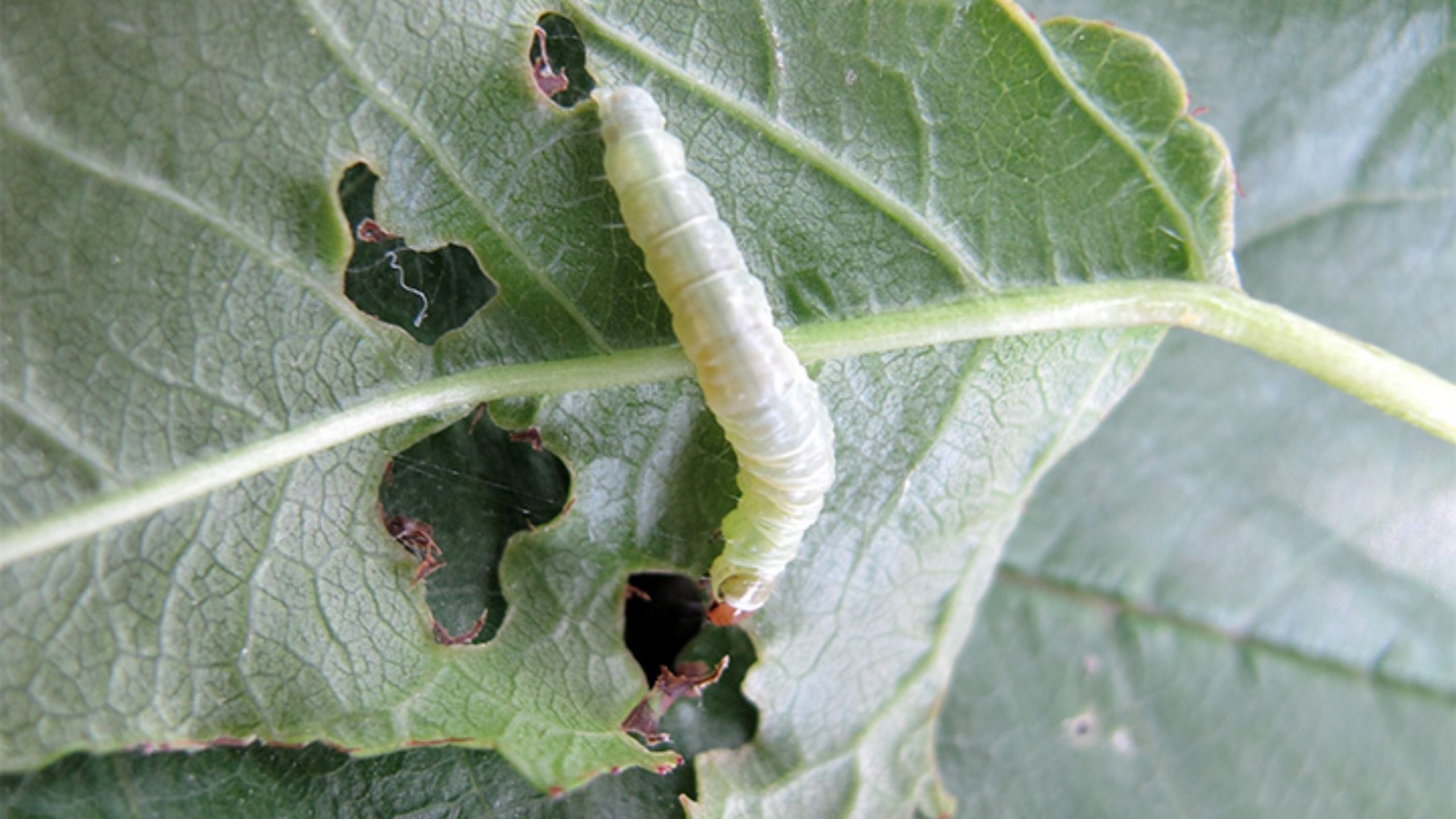
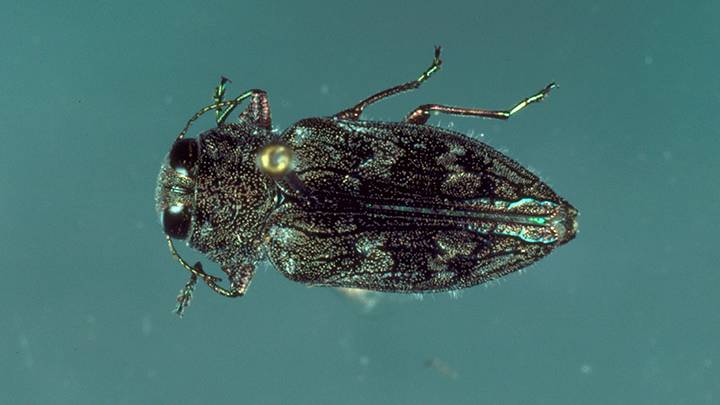
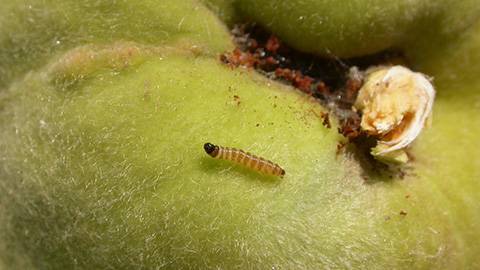
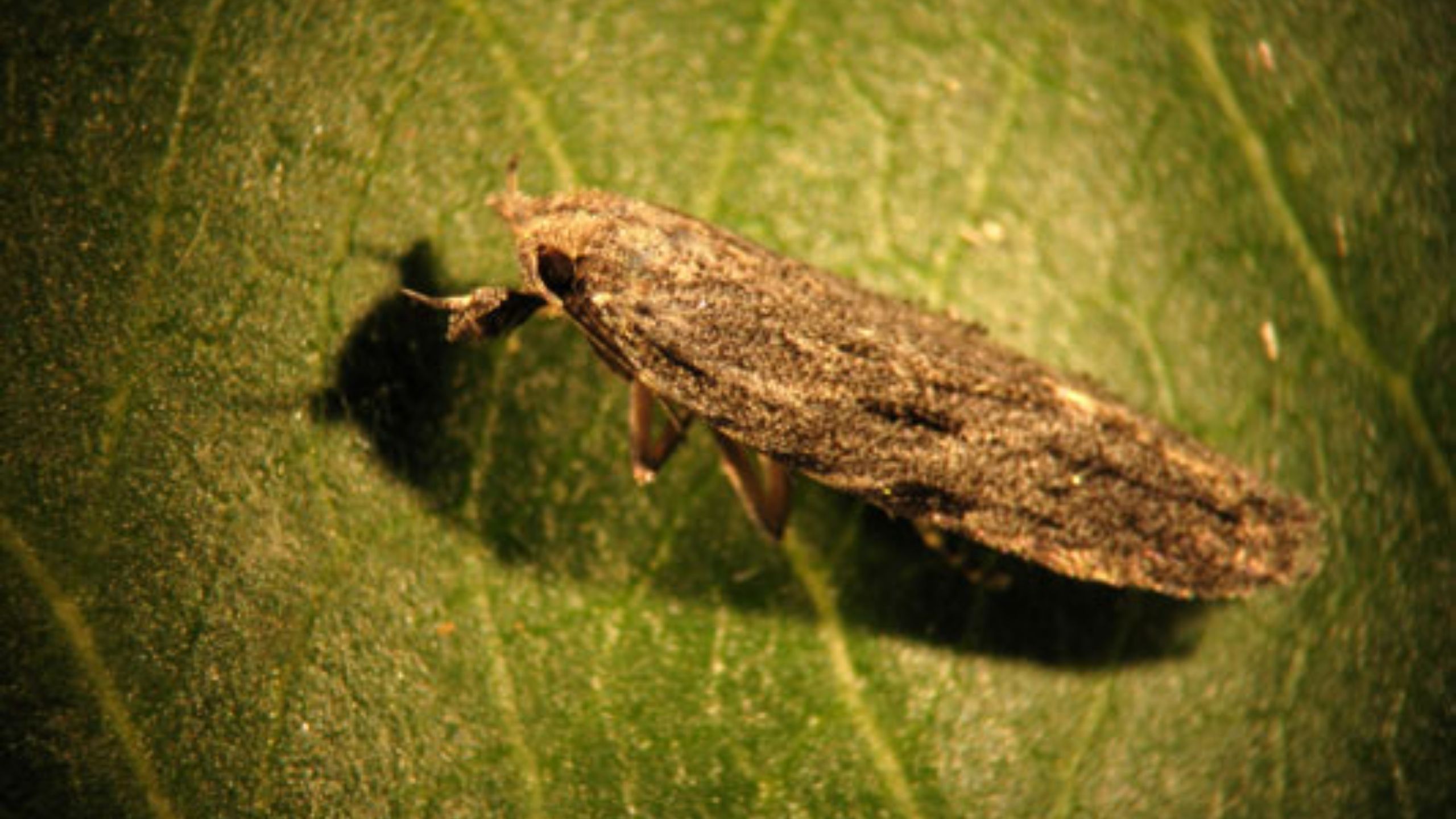
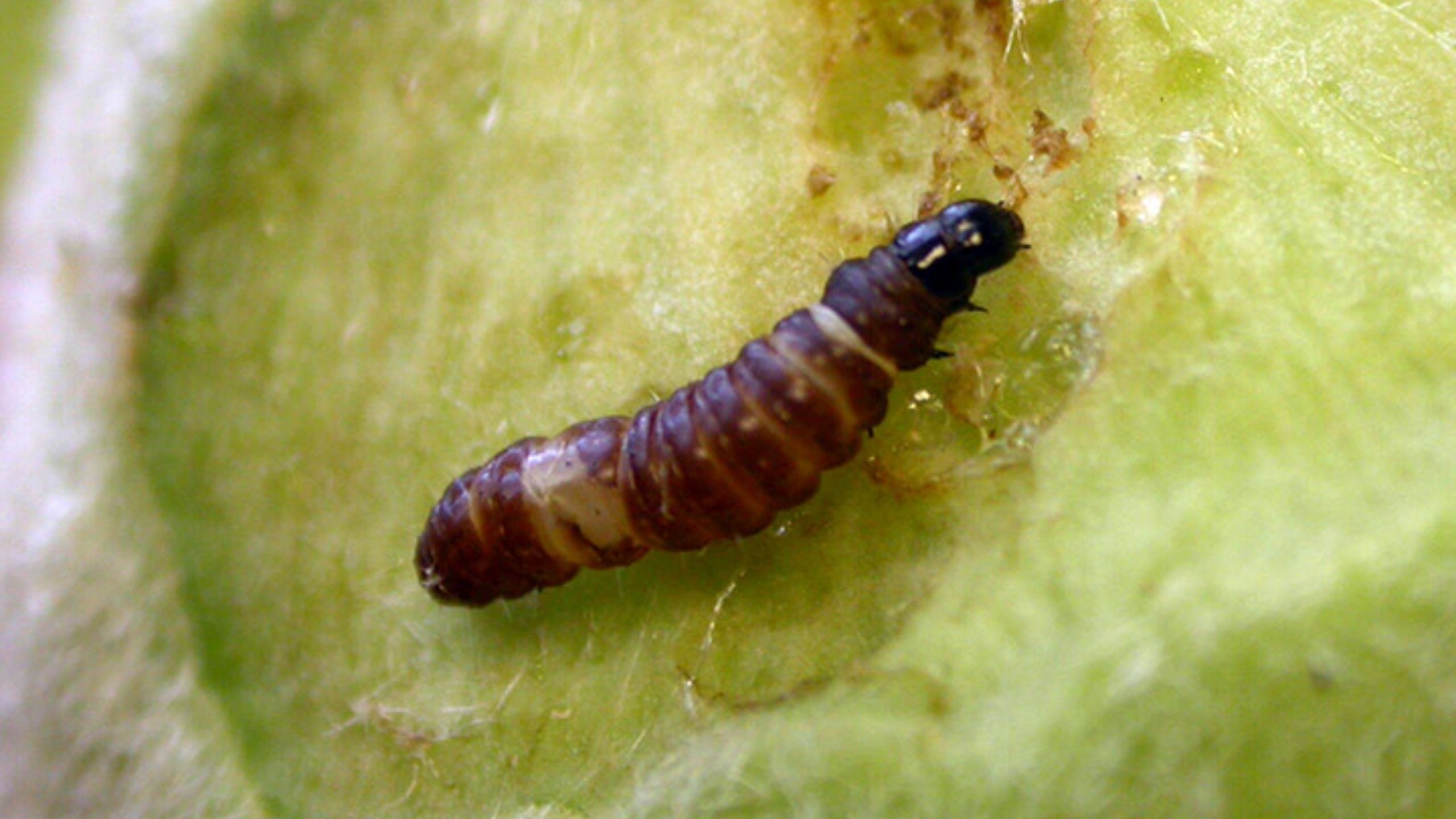
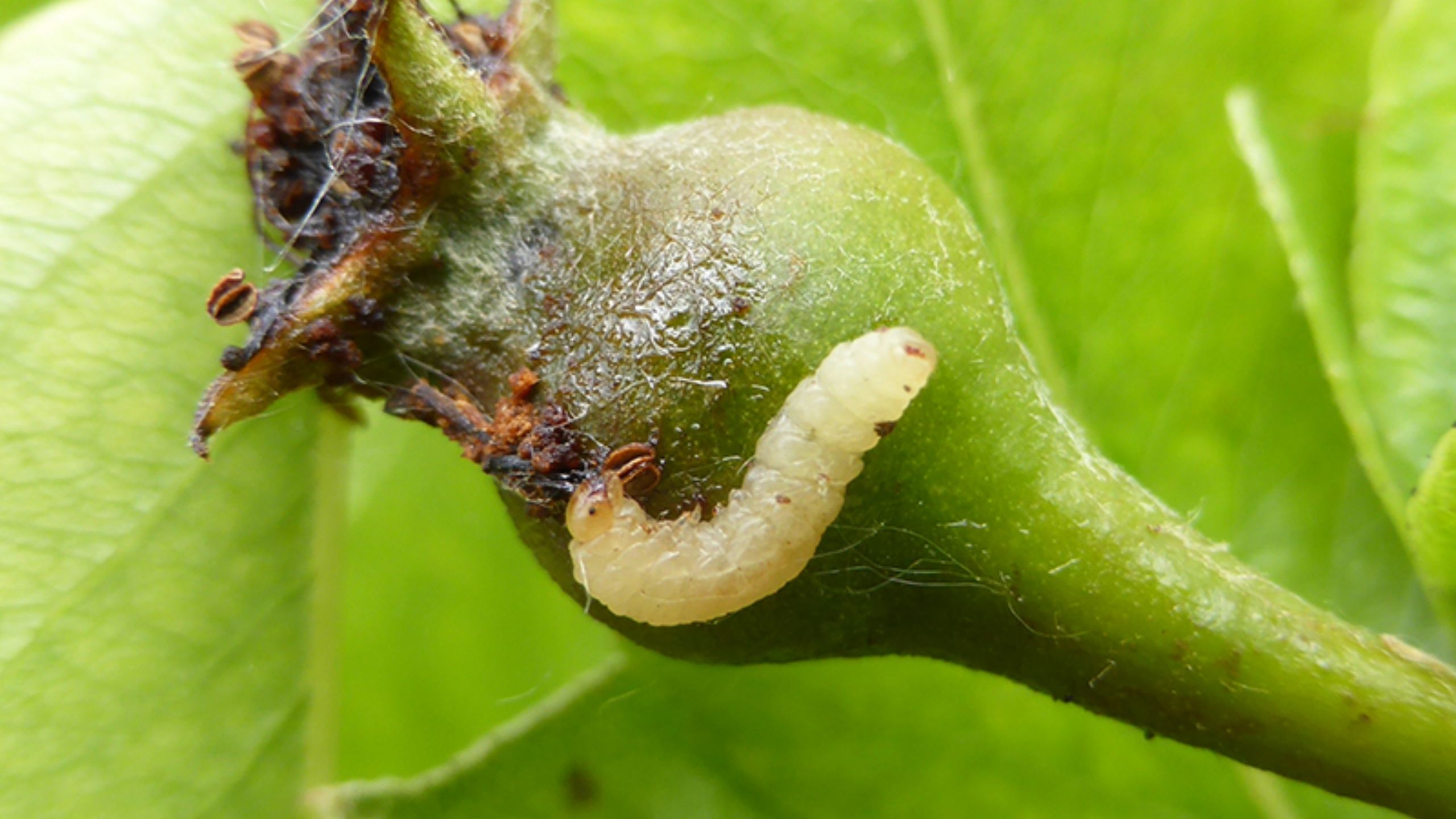
American Plum Borer in Utah Orchards (Euzophera semifuneralis)
Learn how to identify, monitor, and manage American plum borer, a wood-boring pest that damages fruit, nut, and ornamental trees and was detected in Utah in 2026.
For more tree fruit insect information reference the Intermountain Commercial Tree Fruit Production Guide and Utah Home Orchard Pest Management Guide
Learn how to identify, monitor, and manage American plum borer, a wood-boring pest that damages fruit, nut, and ornamental trees and was detected in Utah in 2026.
Codling moth, Cydia pomonella, is the key insect pest of apple, pear, and walnut throughout the world, including Utah (apple and pear). Effective management practices are based on accurate determination of the first flight of codling moths in the spring, ...
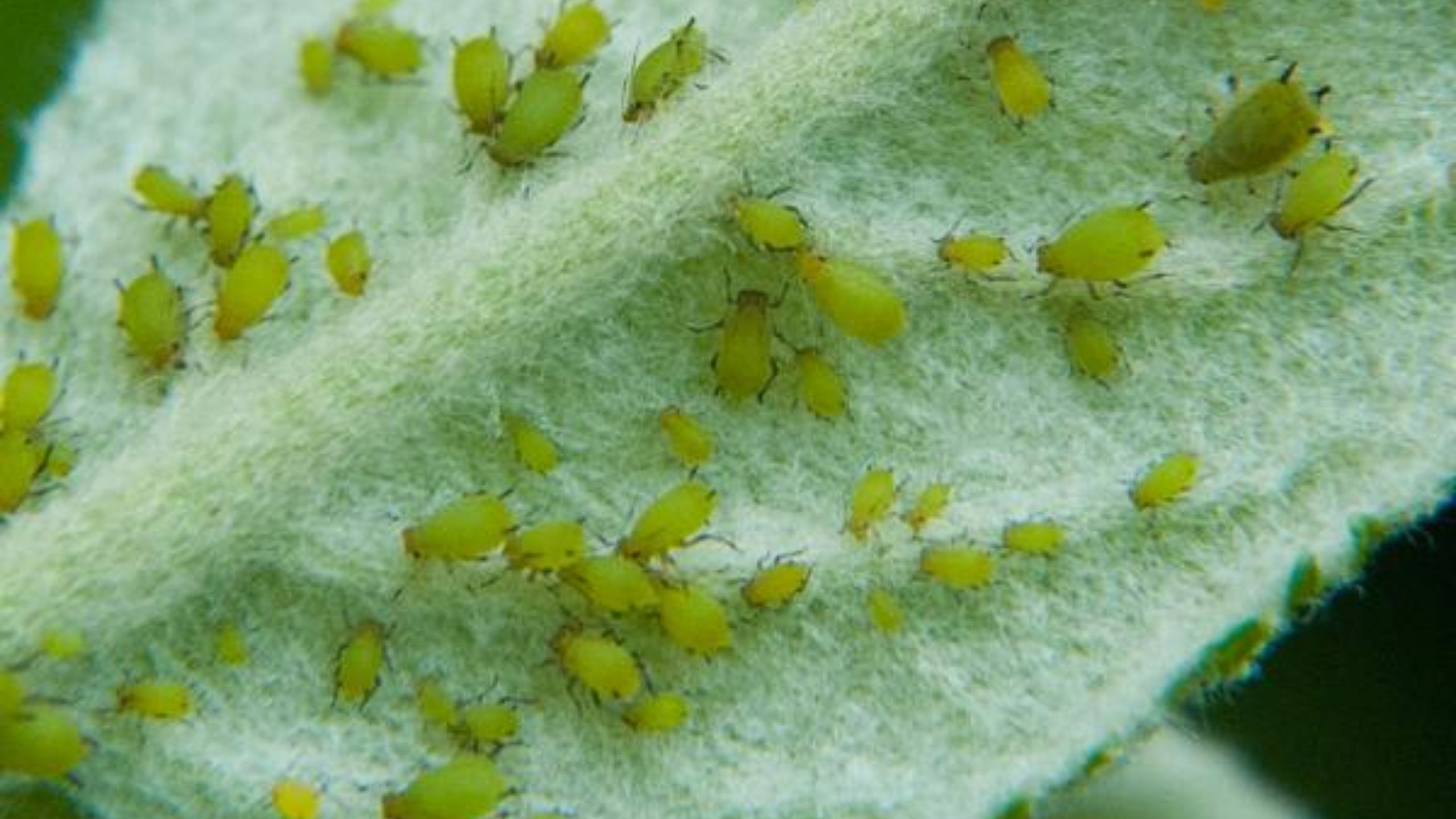
Aphids are common, secondary pests of apples, but infestations resulting in economic loss are uncommon, except for woolly apple aphid. Aphids overwinter as eggs on tree limbs, or as nymphs on roots and/or limbs.
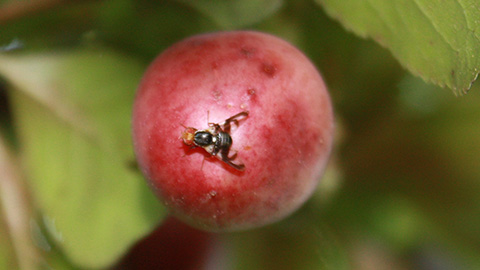
Apple maggot (Order Diptera, Family Tephritidae) is not currently a pest of commercial orchards in Utah, but it is regulated as a quarantine insect in the state. If it becomes established in commercial fruit production areas, its presence can inflict sub...
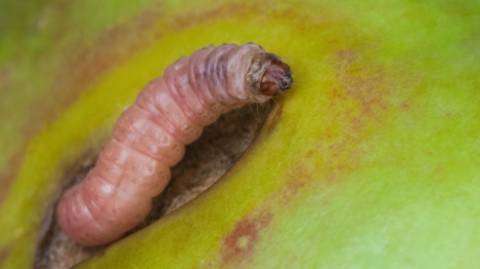
There are few experiences that equal biting into a crisp, flavorful apple; few worse than finding half a worm in the remaining portion. Worms infesting apples and pears are immature larvae of codling moth.
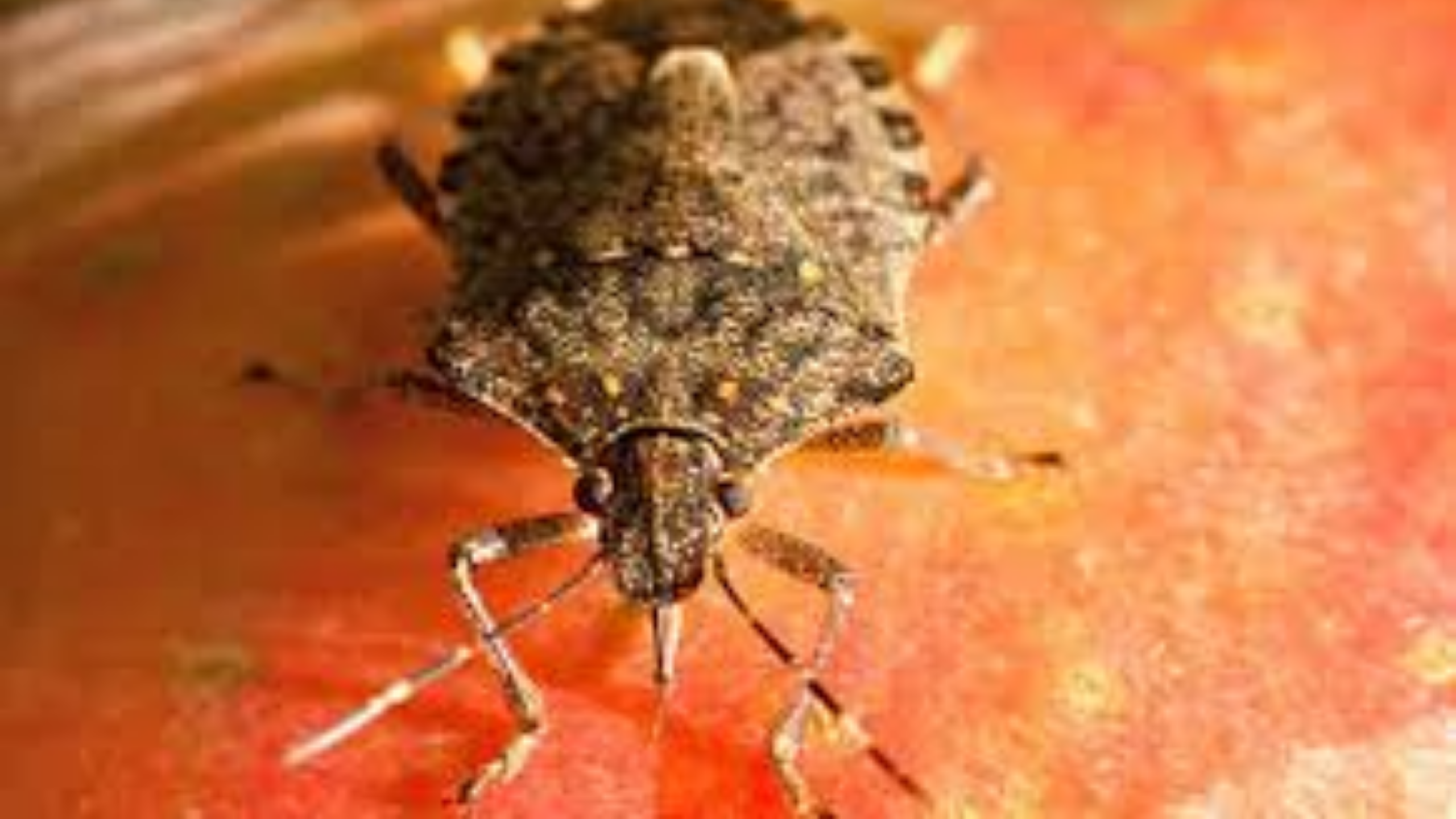
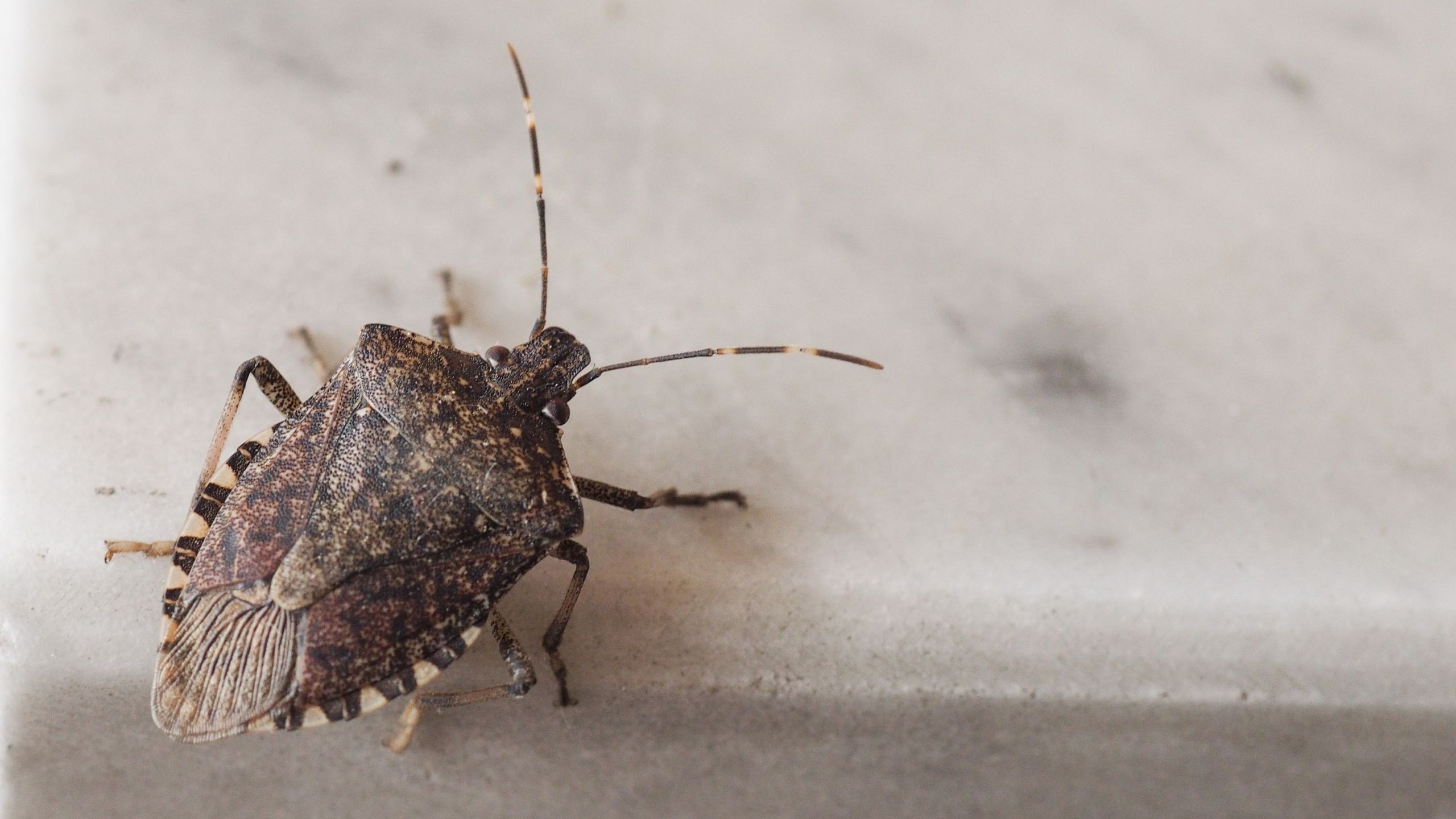
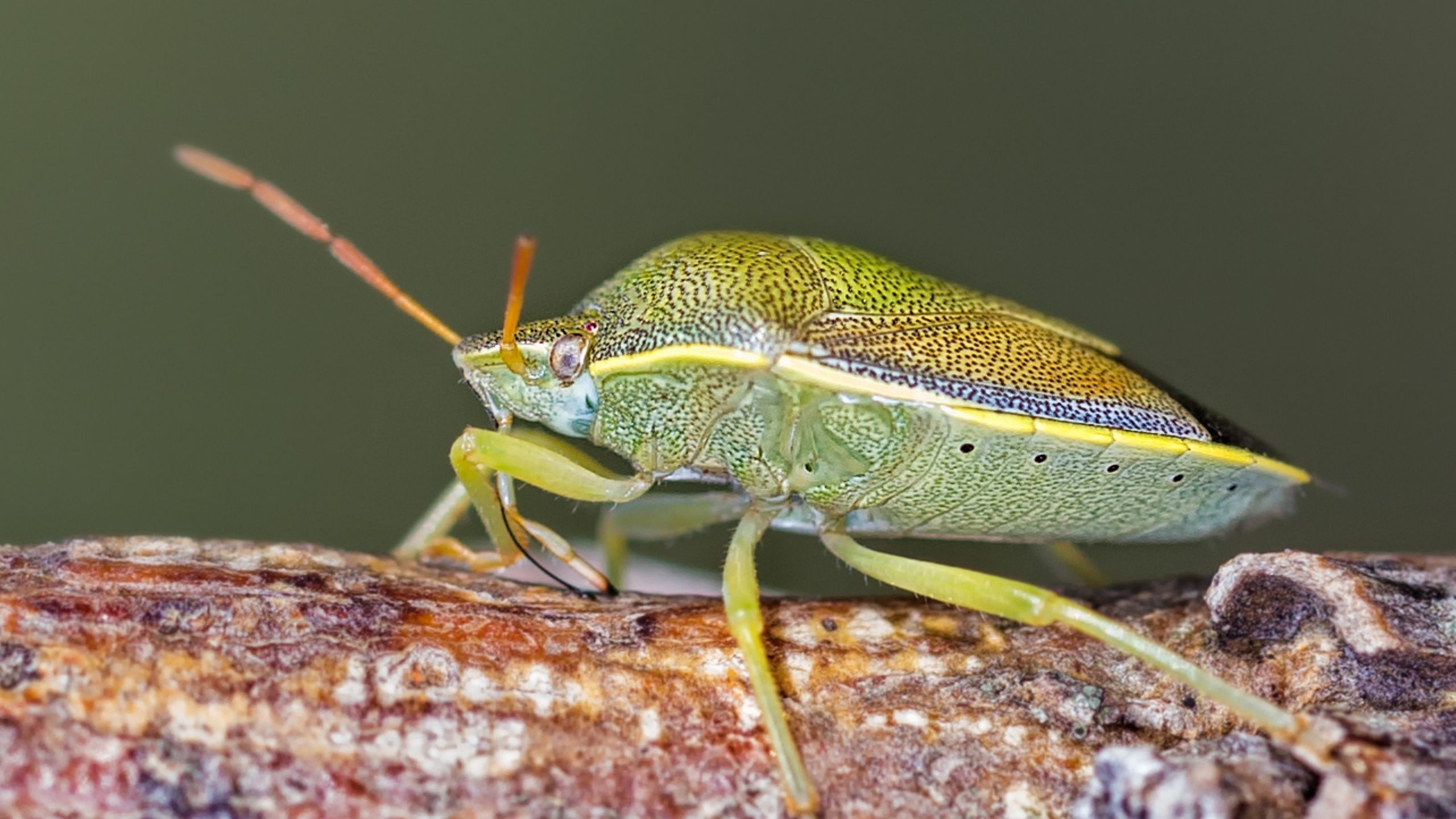
A fact sheet detailing the brown marmorated stink bug (BMSB, Halyomorpha halys Stål), a recent invasive insect to North America from eastern Asia. In the last decade, it has become a severe urban nuisance and agricultural pest in the mid-Atlantic and nort...
BMSB was first detected in Utah in 2012; it is now established in four counties (Weber, Davis, Salt Lake, and Utah) and has been detected in two other counties (Cache and Box Elder). As an aggressive generalist herbivore, BMSB infests a broad range of pla...
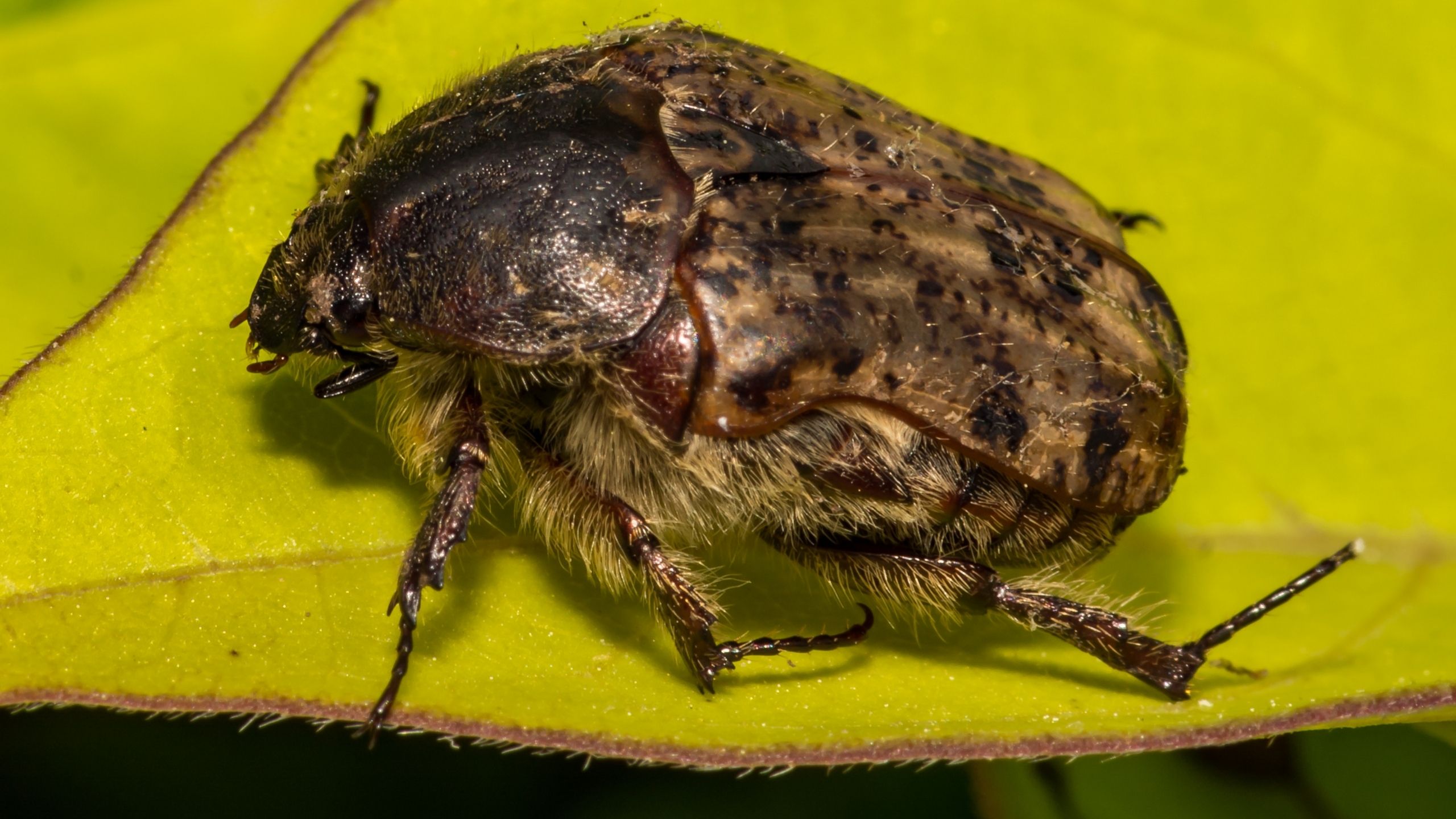
Bumble flower beetles are common throughout the growing season on flowers, oozing sap, and other sweet, overripe, or fermenting matter. Bumble flower beetles seldom warrant the use of chemicals for control. Control methods include removing organic materia...
The campylomma bug (or mullein plant bug; Hemiptera: Miridae) causes sporadic damage in Utah apple orchards. Damage is inflicted by nymphs, which feed on developing fruit causing dimpling and fruit distortion. As apple fruits mature, they become less susc...
Cankerworms, also known as inchworms, are in the order Lepidoptera and family Geometridae. Geometrid moth adults have slender bodies and relatively large, broad forewings. Both fall, Alsophila pometaria, and spring, Paleacrita vernata, cankerworms oc
There are a number of insects with the piercing-sucking feeding habit that can cause deformity and cat-facing type injury to pome and stone fruits, including lygus bug, stink bug, and boxelder bug. Cat-facing injury is caused by puncture feeding in flowe...
Codling moth (Cydia pomonella; Order Lepidoptera, Family Tortricidae) is the most serious pest of apple and pear worldwide. In most of Utah, fruit must be protected season-long to harvest a quality crop. Insecticides are the main control tactic, with both...
Mating disruption as a method to manage orchard pests became commercially available in the early 1990s, and was adopted by many Utah growers about a decade later. Use of this pest management technology can be daunting due to high up-front costs and monito...
This fact sheet provides descriptions and images of stink bugs, including the adult and immature stages, that are commonly encountered in gardens and farms in Utah.
Eriophyid mites are translucent, cigar-shaped microscopic mites that cause deformities on many plants species. These mites are noticed when their feeding causes abnormalities of plant tissues such as erineum, galls, brooms, leaf curling, blisters, rusts, ...
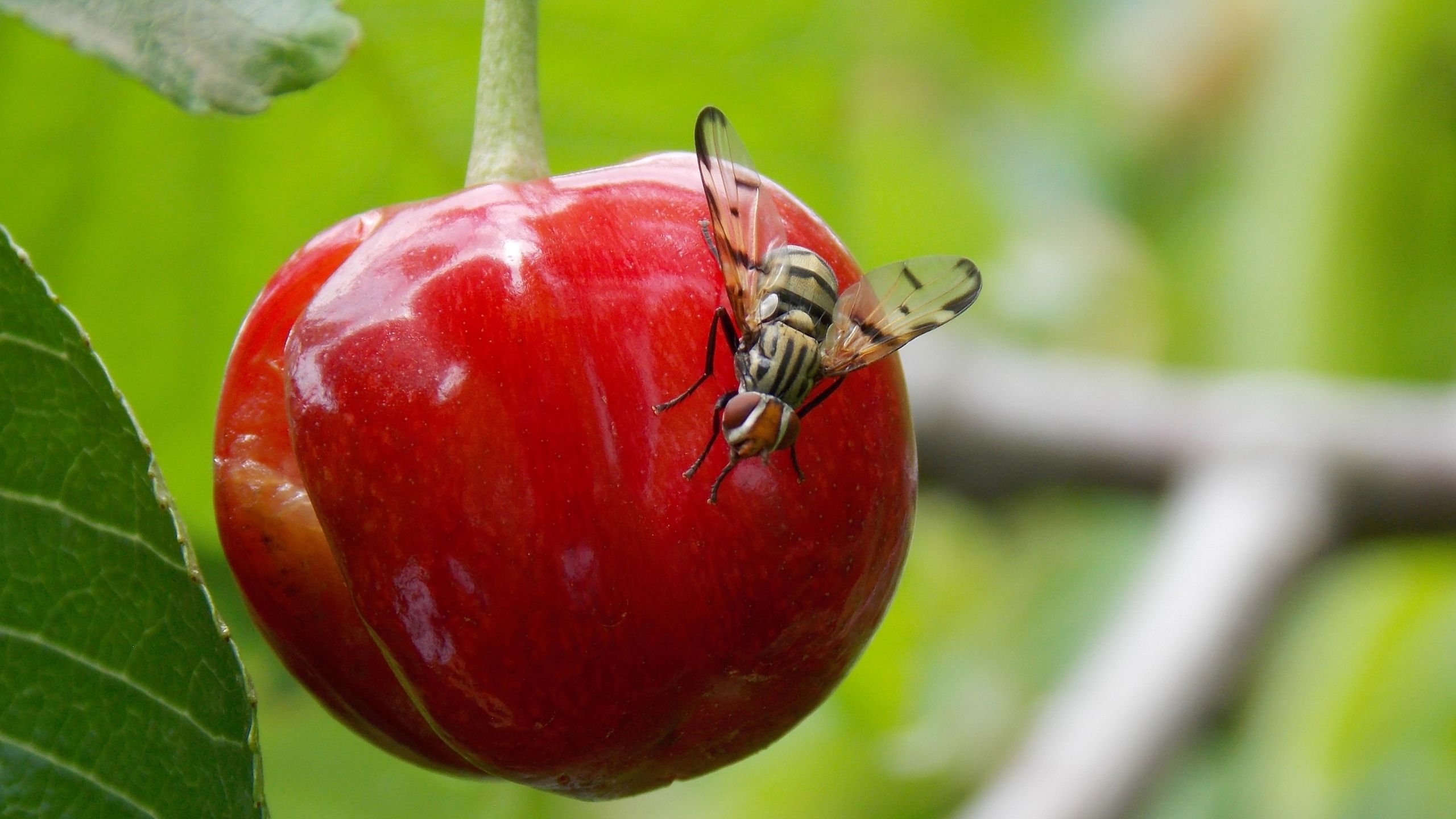
European Cherry Fruit Fly (ECFF) is a new invasive cherry-infesting pest that is not known to occur in Utah. Host plants include cherry and honeysuckle. Heavy infestations in Europe have resulted in 100% fruit loss. Since adults fly only short distances, ...
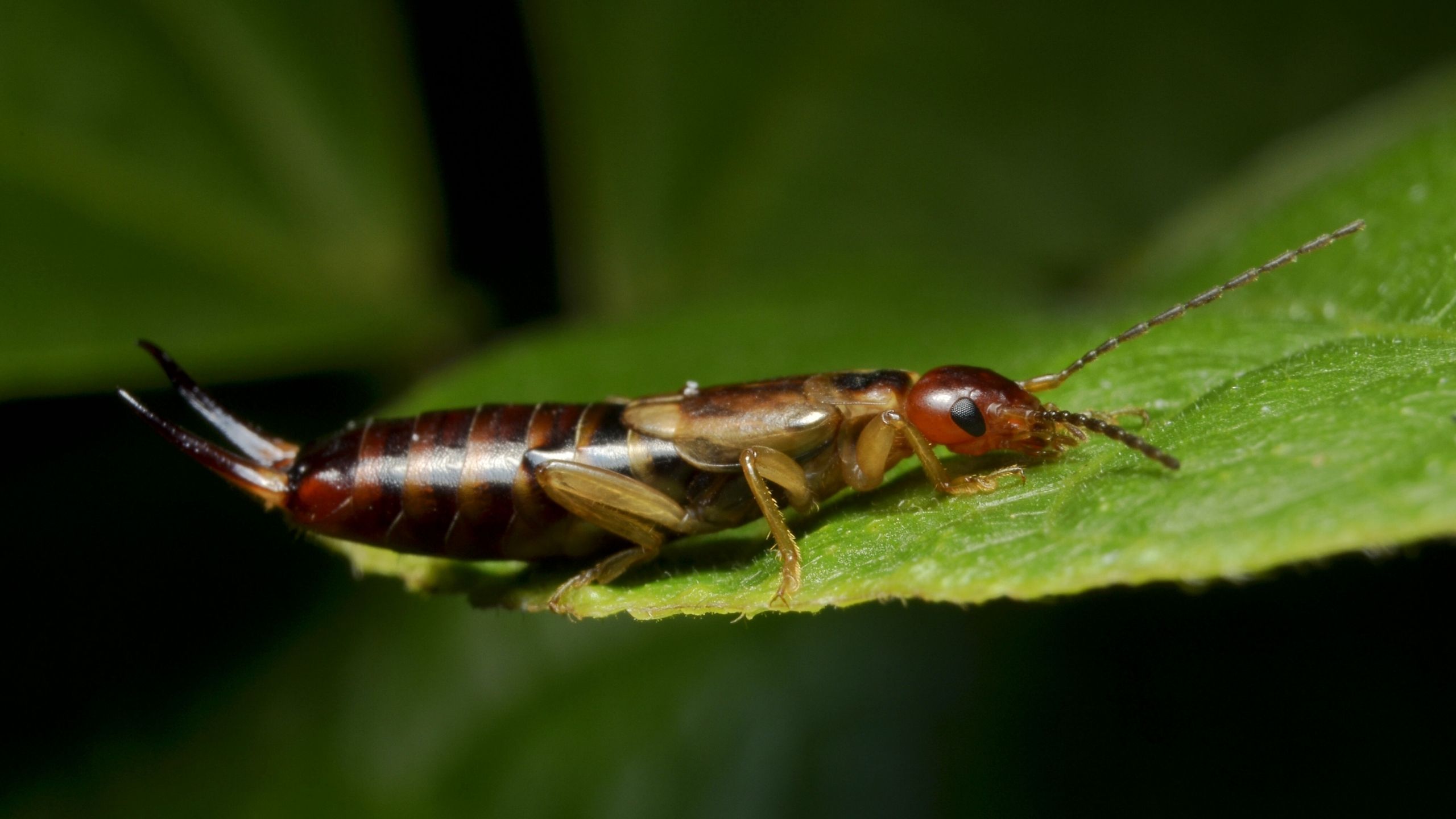
The European earwig is an omnivore; it feeds on detritus, fungi, plants, and insects. Earwigs can injure the buds, leaves, flowers, and fruits of a broad range of plants, including fruits, vegetables, and ornamentals; they can be a nuisance pest by enteri...
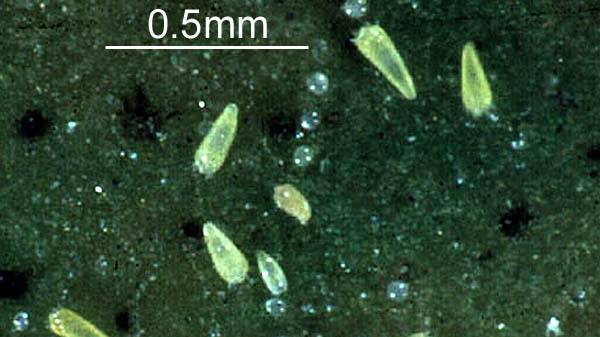
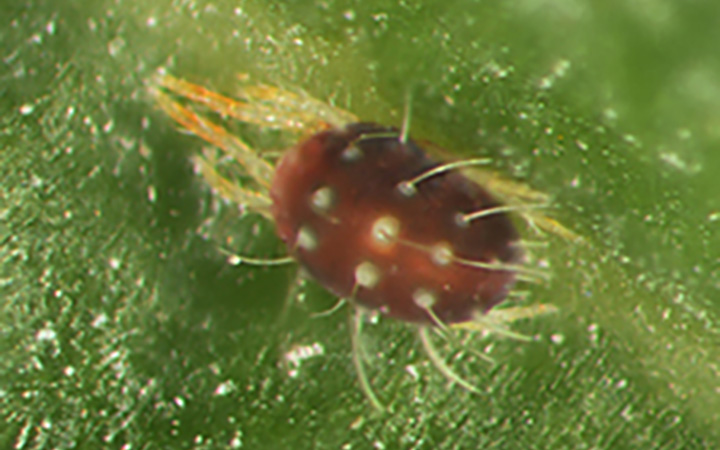
The European red mite is native to Europe and was first introduced into the Pacific Northwest in the early 1900s. Since then, it has spread and become established throughout the United States and Canada. Mites are tiny arthropods, measuring less than 1/60...
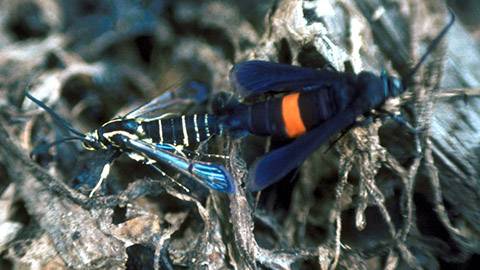
The greater peachtree borer (Order Lepidoptera, Family Sesiidae) is native to North America where wild cherries and plums are its native hosts. It is a sporadic pest in Utah stone fruit orchards, but if left unmanaged it can be severe enough to cause
Learn how to identify some invasive insects and their look-alikes. Here, we provide a quick identification guide for brown marmorated stink bug, Japanese beetle, emerald ash borer, and Asian longhorned beetle.
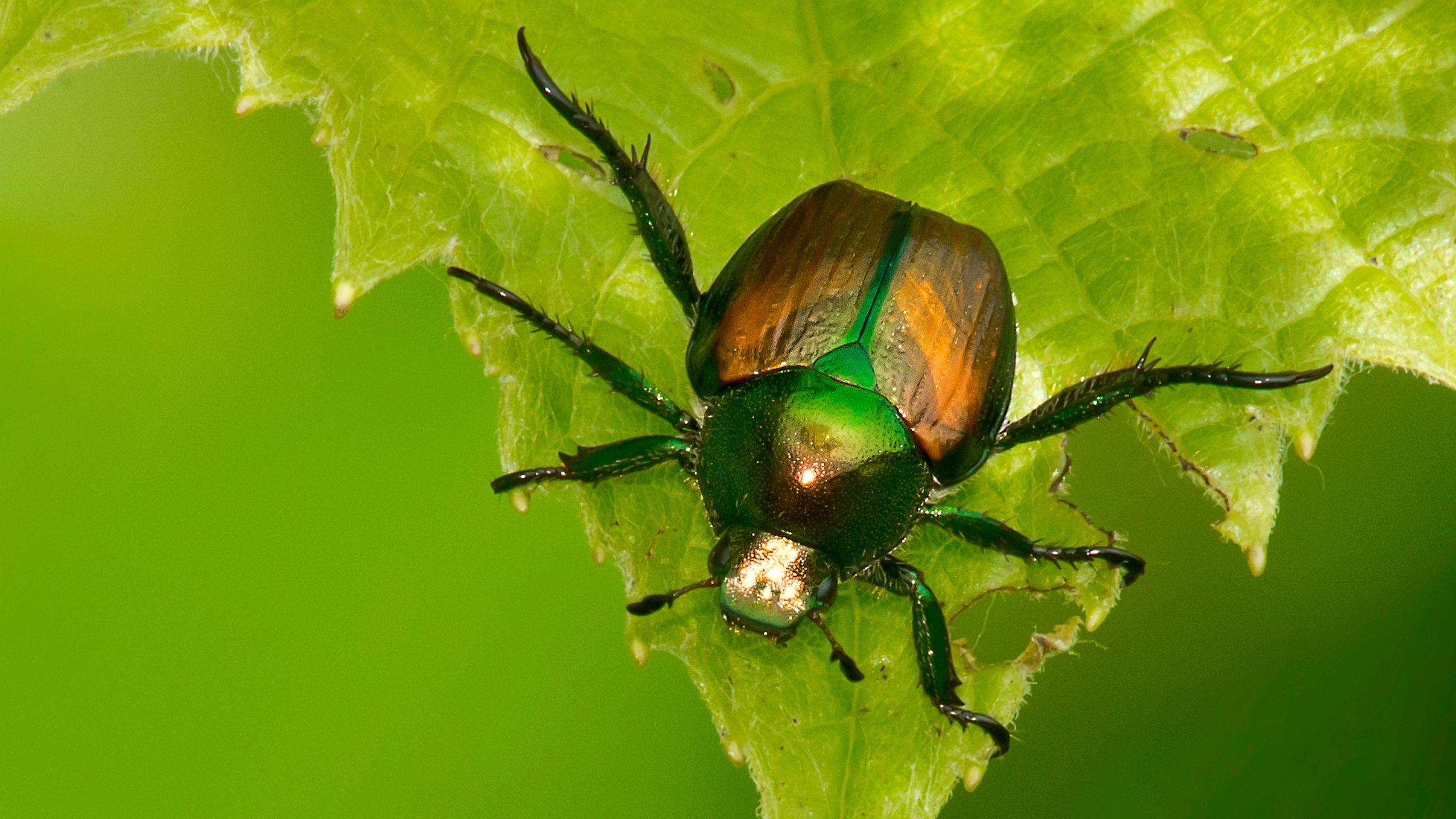
This fact sheet describes the invasive Japanese beetle (JB) and lists vegetative hosts that can be affected by JB, including ornamental plants, trees, shrubs, turfgrass and vegetables. This pest can cause significant damage in high numbers. It was first d...
Several species of leafrollers are economically important pests of tree fruits in North America. In Utah, injury to tart cherry crops from leafroller caterpillars prompted a 4-year survey for five species that are known to occur in the western U.S. Pherom...
Organic cherry production in the Intermountain West can be challenging because of pests such as western cherry fruit fly and arid growing conditions. However, with careful planning and appropriate management practices, it is possible to produce a good cro...
Trees that are under stress or that have bark wounds are most susceptible to attack by Pacific flatheaded or flatheaded appletree borers Mature trees are not usually killed, but borer activity can weaken trees or contribute to eventual death. Newly plant...
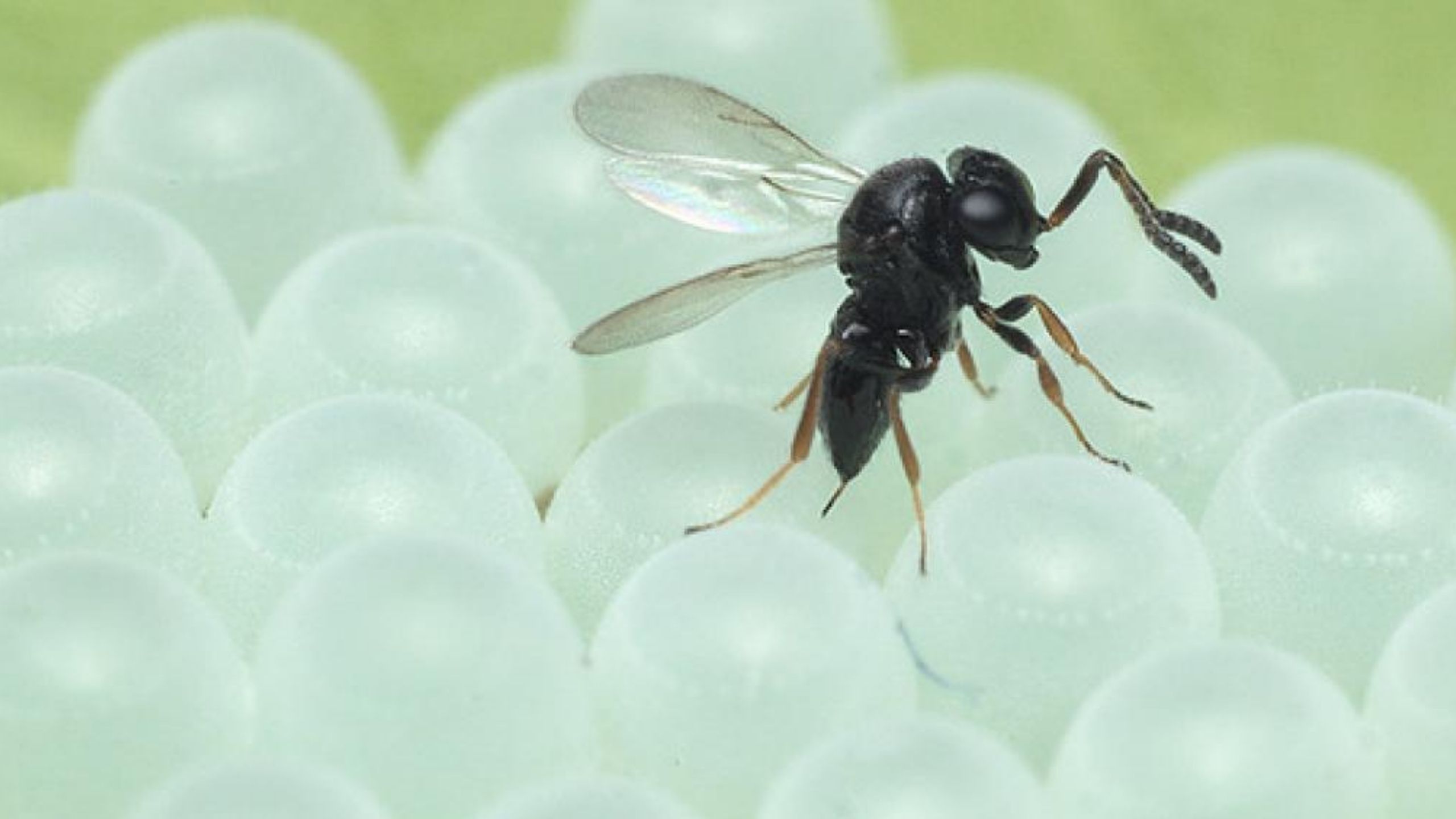
There are at least two families of stink bug parasitoids in Utah, Eupelmidae and Scelionidae. These are small, typically black wasps that may be mistaken for small gnats or ants. They will fly in search of stink bug egg masses. Once they find the eggs, th...
Peach twig borer (Anarsia lineatella) is found worldwide wherever stone fruits are grown. In Utah, it is a significant pest on peach/nectarine and apricot. There are typically three generations of peach twig borer in northern Utah (May-June, July, and A
Mating disruption as a method to manage orchard pests became commercially available in the early 1990s, and was adopted by many Utah growers about a decade later. Use of this pest management technology can be daunting due to high up-front costs and m
Pear fruit sawfly (Hoplocampa brevis) has been reported on pears in Virginia, Pennsylvania, Maryland, and Ontario, Canada, and was first identified in Utah in 2015. It is native to parts of Asia. Pear fruit sawfly is different from another pear pest o
Pear psylla is an important pest of pear in Utah. Young and adult psylla feed in leaf phloem tissues, producing sticky honeydew. Psylla can cause fruit russetting and stunt trees; psylla shock and transmission of pear decline can kill trees.
The pear sawfly, which is actually a wasp, is a common pest on pear, cherry, and hawthorn in Utah. The slug-like appearance of the larval stage has prompted this insect to also be referred to as the pear or cherry slug in various parts of the country. Alt...
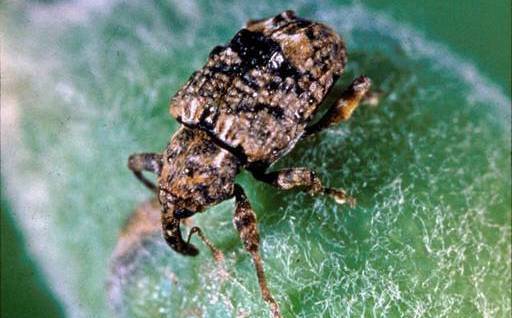
Plum curculio, Conotrachelus nenuphar (Coleoptera: Curculionidae), is a small brown weevil (beetle with a snout) native to eastern North America where it is a major pest of pome and stone fruits. It thrives in environments where orchards are located nex
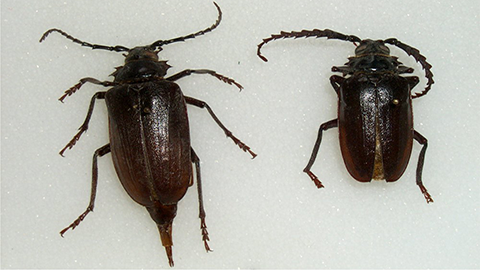
Prionus root borers belong to a family of beetles commonly known as long-horned beetles. The larvae are often referred to as round-headed borers because their body shape is cylindrical. Several species in the Prionus genus are large, root-boring beetles, ...
San Jose scale occurs in most fruit growing districts of the United States. In well maintained orchards, populations are generally too low to cause economic loss. Severe infestations of scale can cause tree and fruit injury.
Shothole borers can cause damage to ornamental and fruit trees in Utah and adults are present from spring to early fall. Stressed or injured trees are more prone to attack.
There are more than 1,000 different species of soft scales found throughout the world. Less than 5% are considered serious pests. Soft scales feed on a wide range of woody ornamental plants and often go unnoticed until they stunt growth or cause severe pl...
Fruitworms chew holes in fruits and leaves, and can cause localized defoliation of fruit trees. Fruitworms can be monitored with beat-samples (abrupt shaking of tree branches over a tray). Applications of reduced-risk insecticides, such as Bacillus thurin...
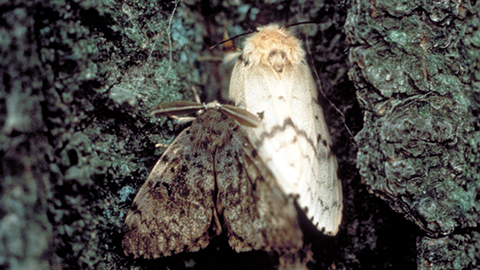
Spongy moths (Lepidoptera: Erebidae) are invasive leaf-eating (defoliating) pests that threaten trees and shrubs in urban, suburban, and rural landscapes. The spongy moth was accidentally introduced to the U.S. in 1869 by an amateur French entomologis
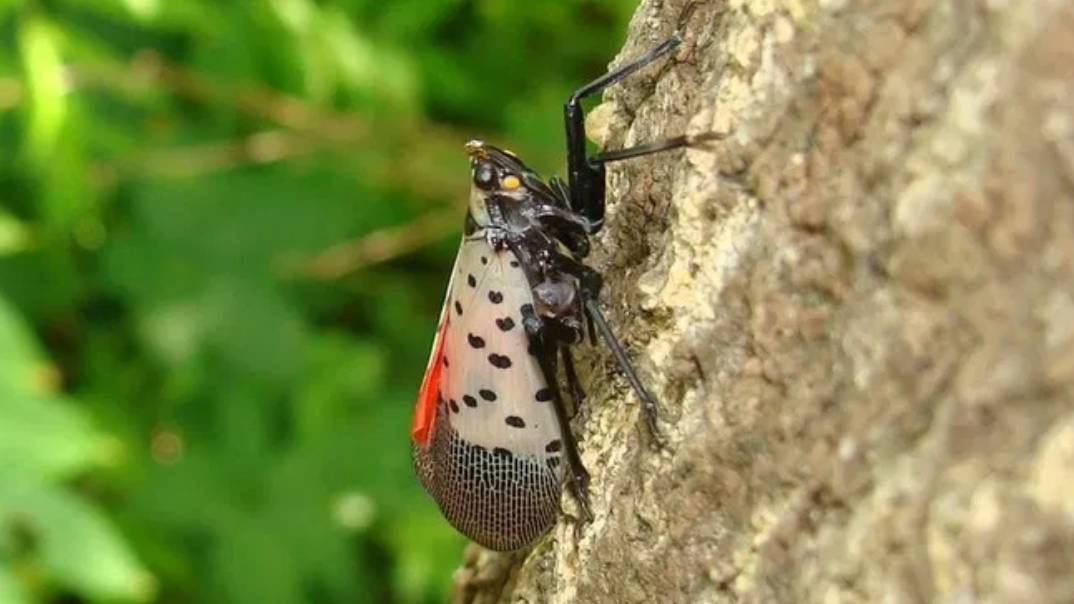
The spotted lanternfly (SLF) is a new invasive pest from China that was first detected in the U.S. in Pennsylvania in 2014 and has since spread to other states. SLF attacks more than 100 host plants, including grapes, fruit trees, hops, and hardwood and o...
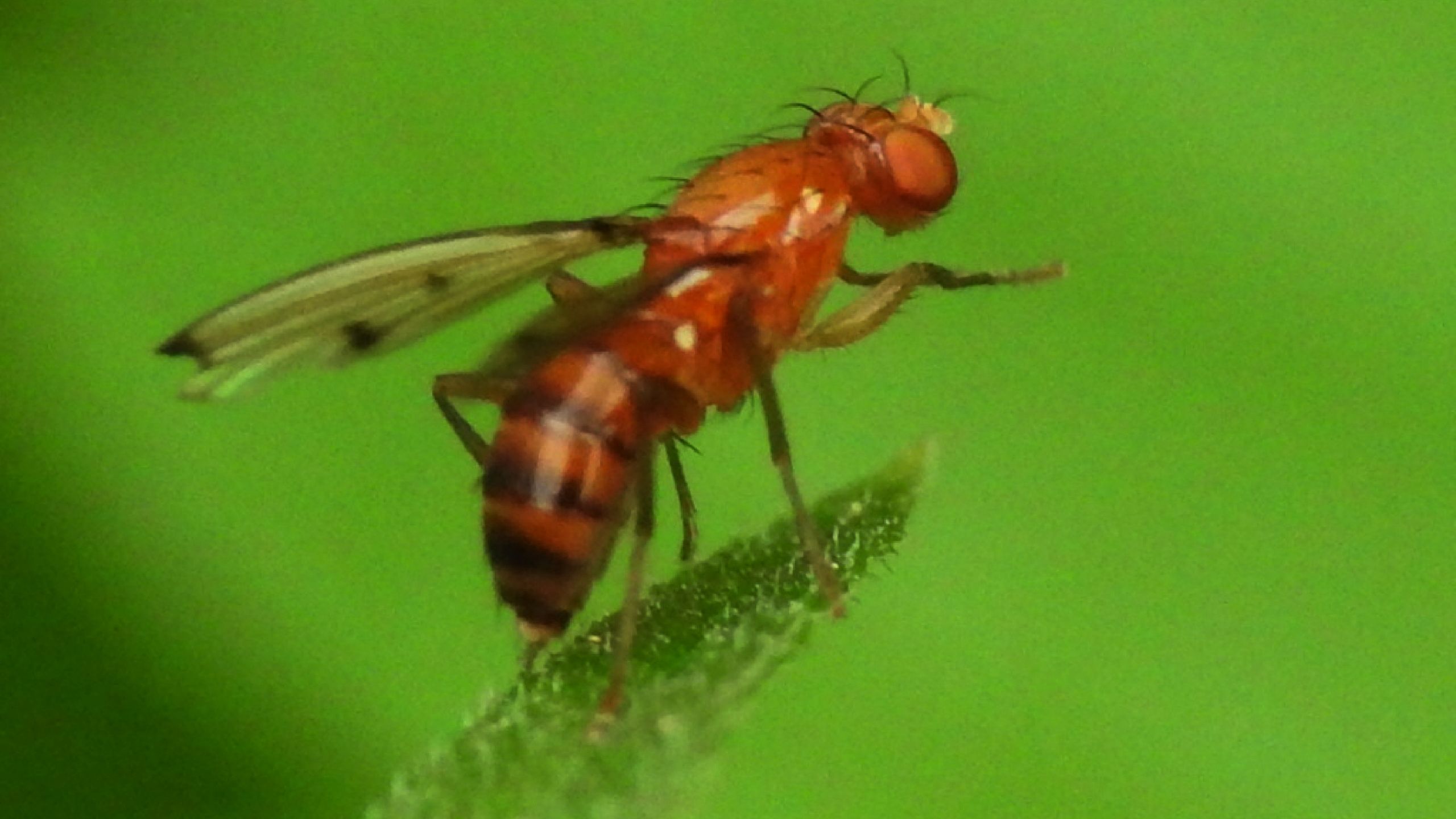
Spotted wing drosophila (SWD) is an invasive insect native to Southeast Asia; it was first detected in Utah in 2010. SWD management tactics include removing nearby alternative host plants, timely harvest of fruit, expanding the preventive insecticide prog...
Spotted wing drosophila can attack fruit as soon as it begins to ripen, so that is when monitoring should begin. For example, place a trap in a cherry tree when the fruits begin to turn pink. Continue trapping for at least two weeks after harvest. Because...
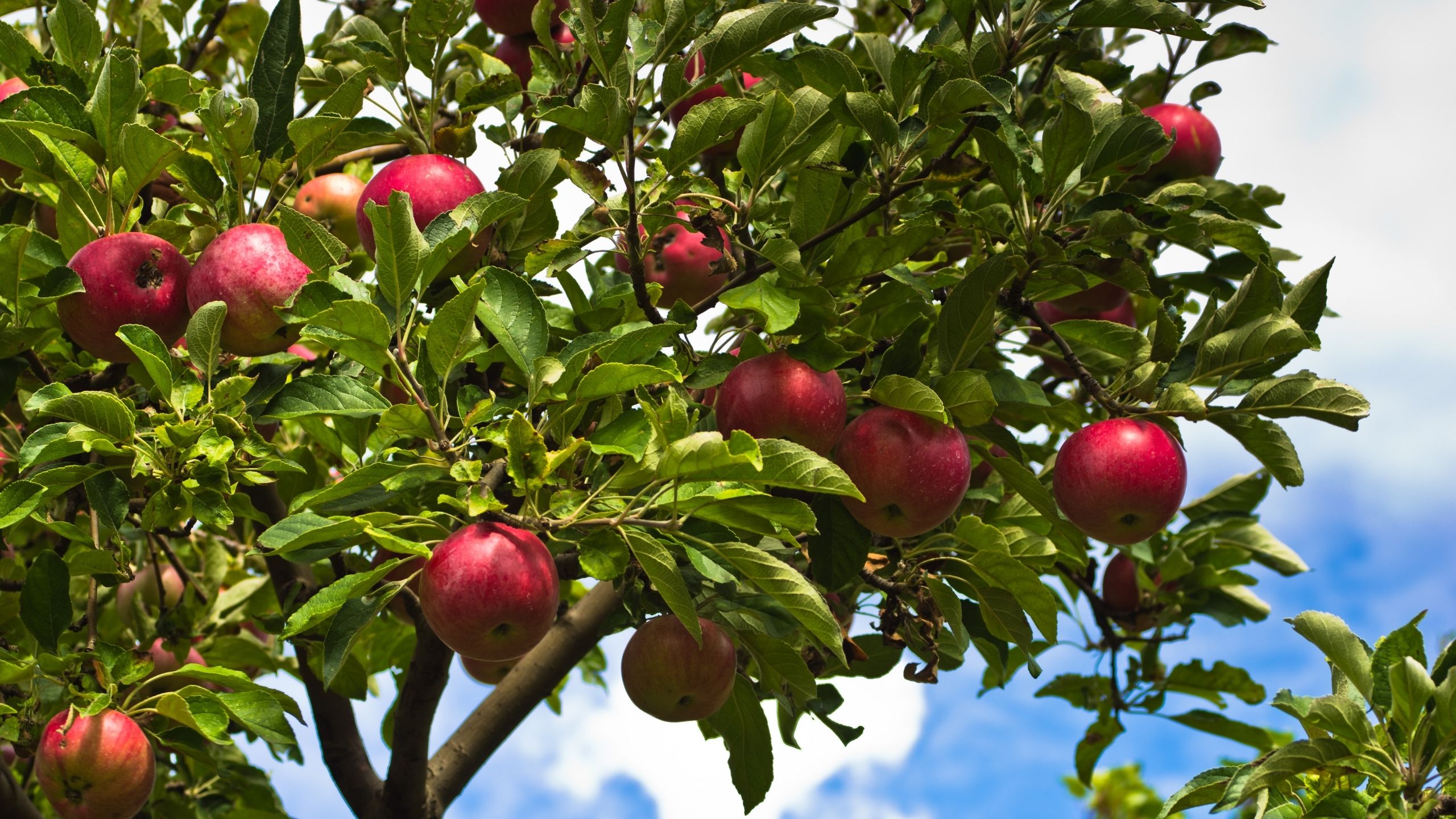
A short summary of the main insect and disease pests of apples and how they are managed by the backyard fruit grower.
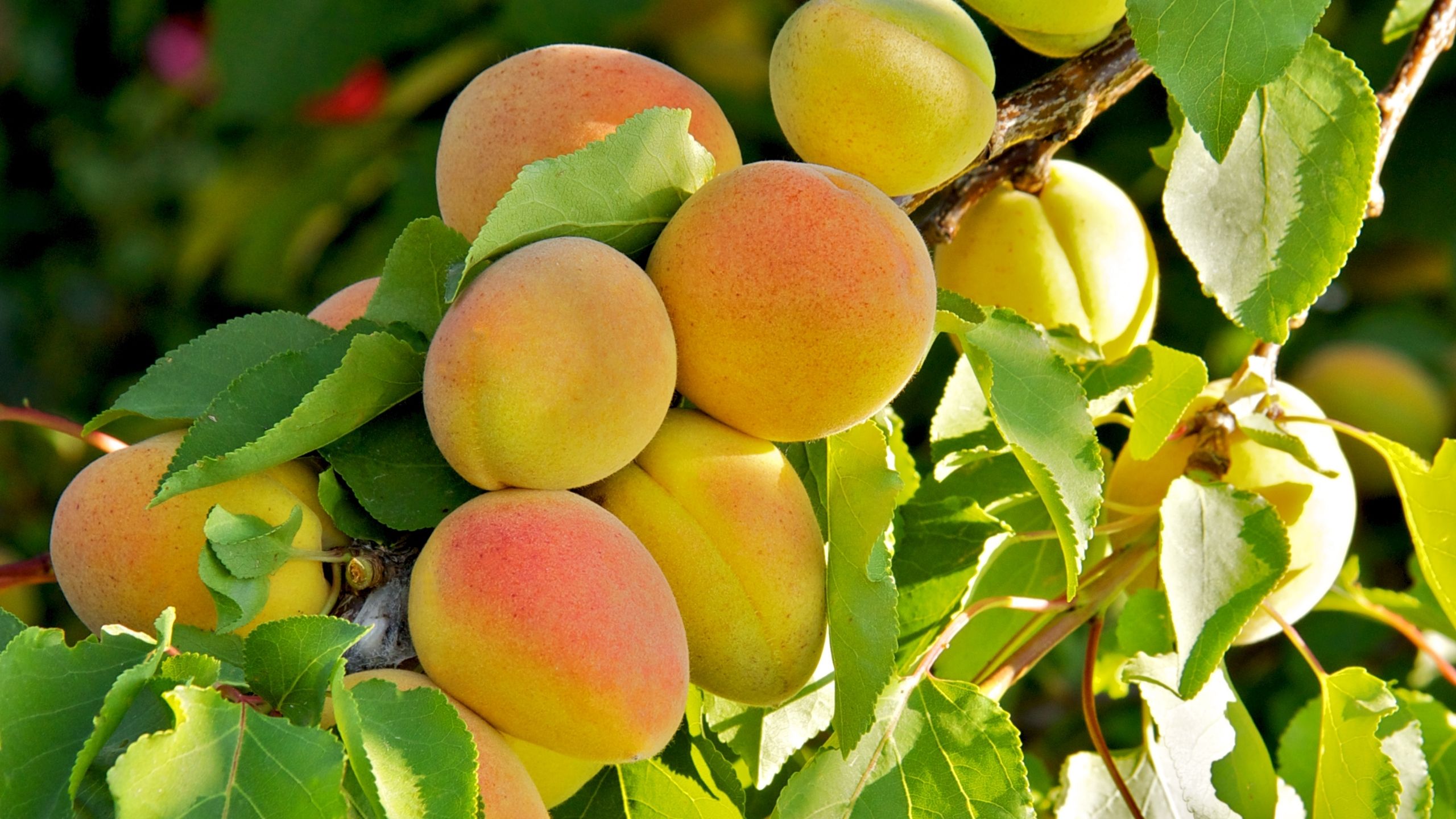
A short summary of the main insect and disease pests of apricots and how they are managed by the backyard fruit grower.
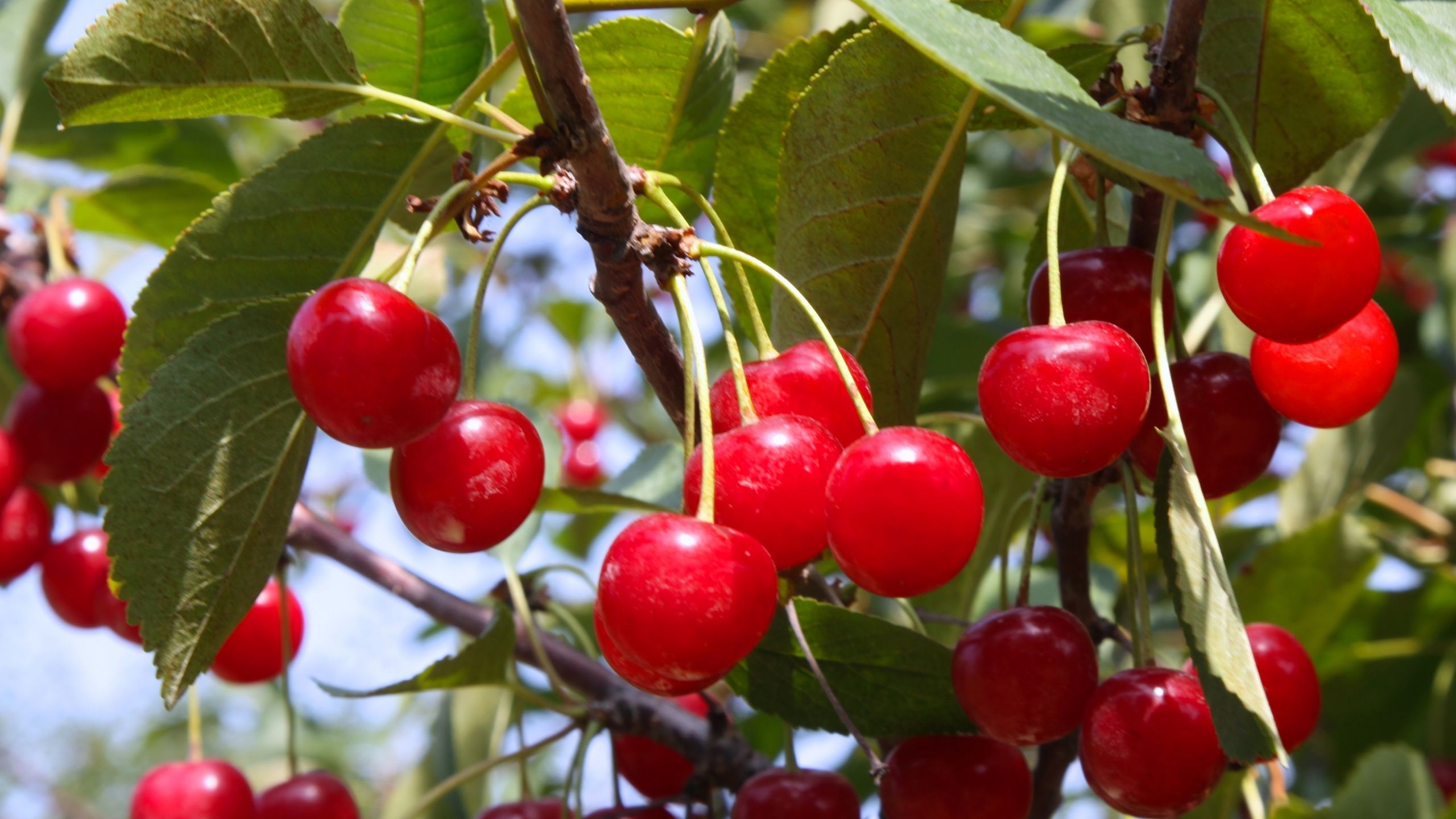
A short summary of the main insect and disease pests of cherries and how they are managed by the backyard fruit grower.
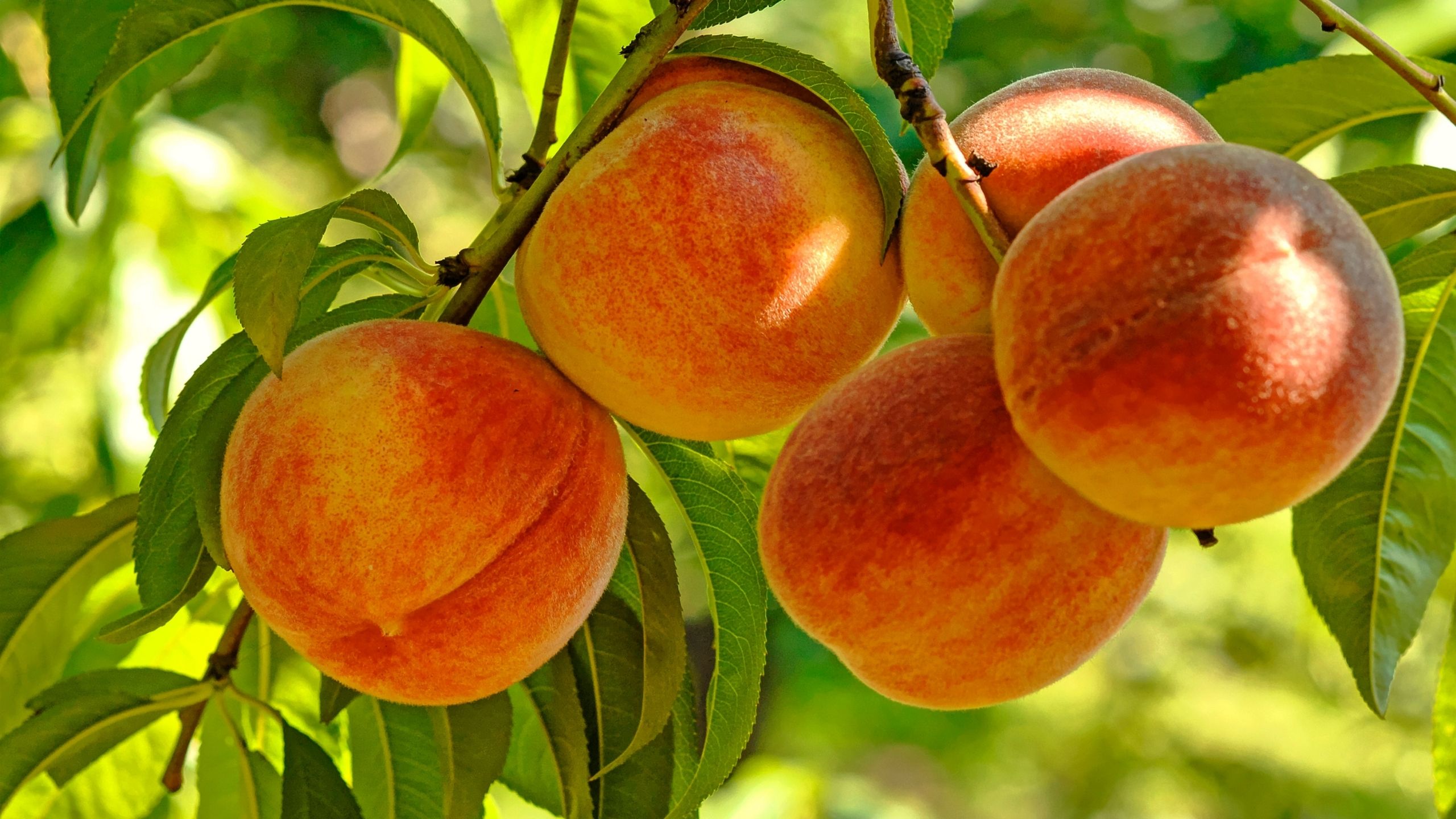
A short summary of the main insect and disease pests of peaches and nectarines along with how they are managed by the backyard fruit grower.
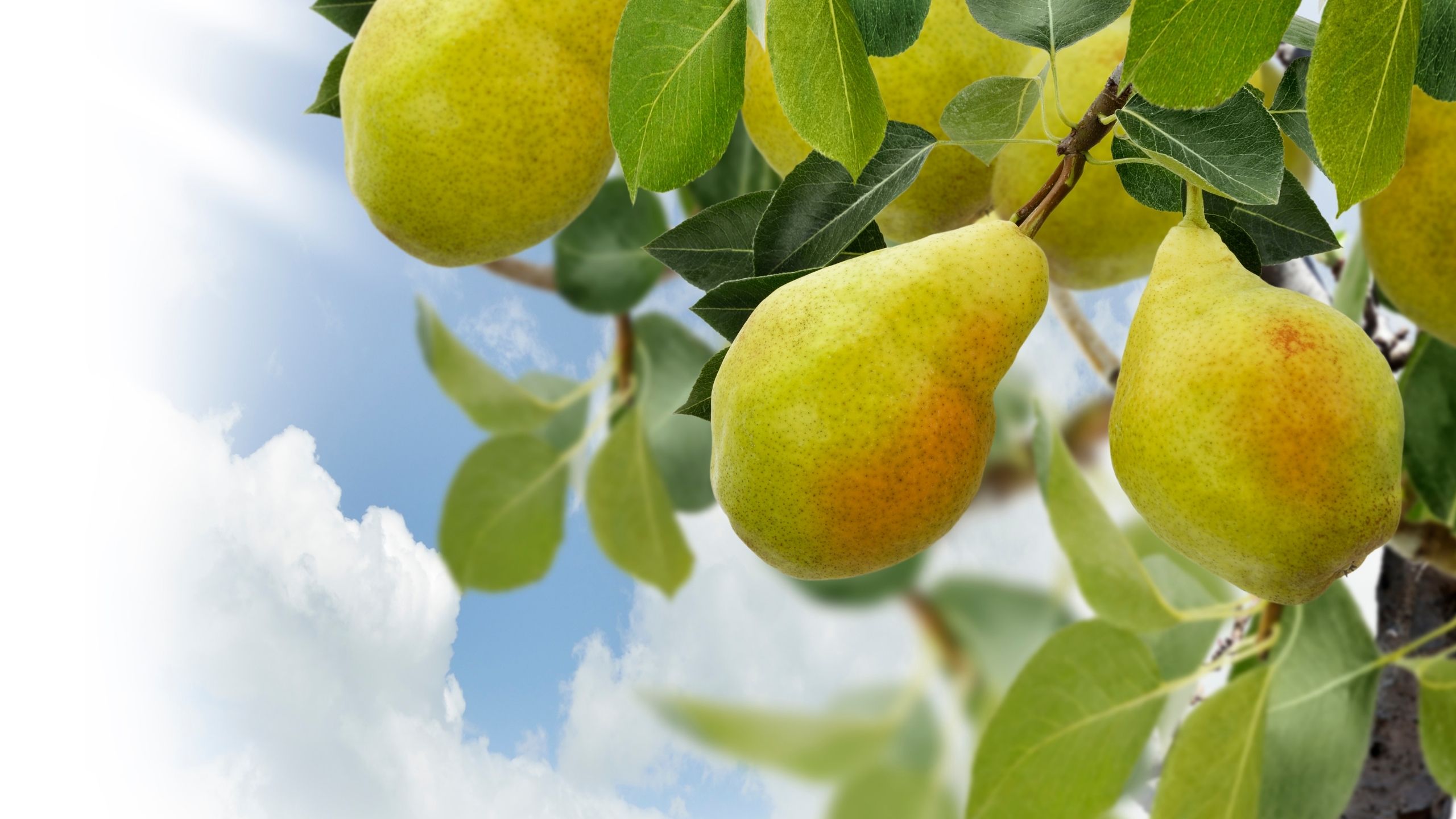
A short summary of the main insect and diseasae pests of pears and how they are managed by the backyard fruit grower.
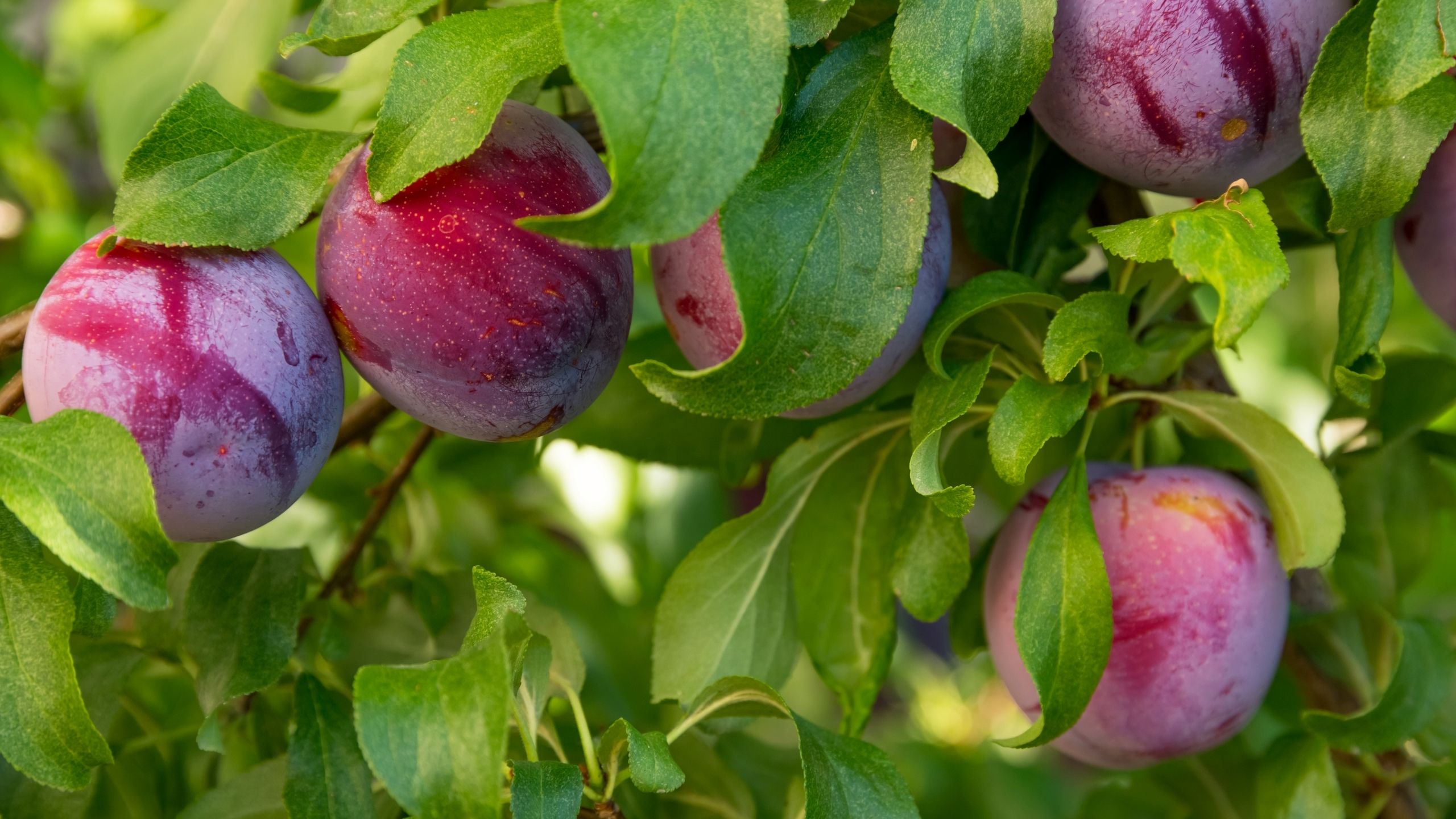
A short summary of the main insect and disease pests of plum and how they are managed by the backyard fruit grower.
In June 2019, the samurai wasp [Trissolcus japonicus (Ashmead)] was discovered in Salt Lake City. This exotic parasitoid wasp is the most promising agent for biological control of BMSB and is uniquely evolved to lay its eggs inside of BMSB eggs. Help us p...
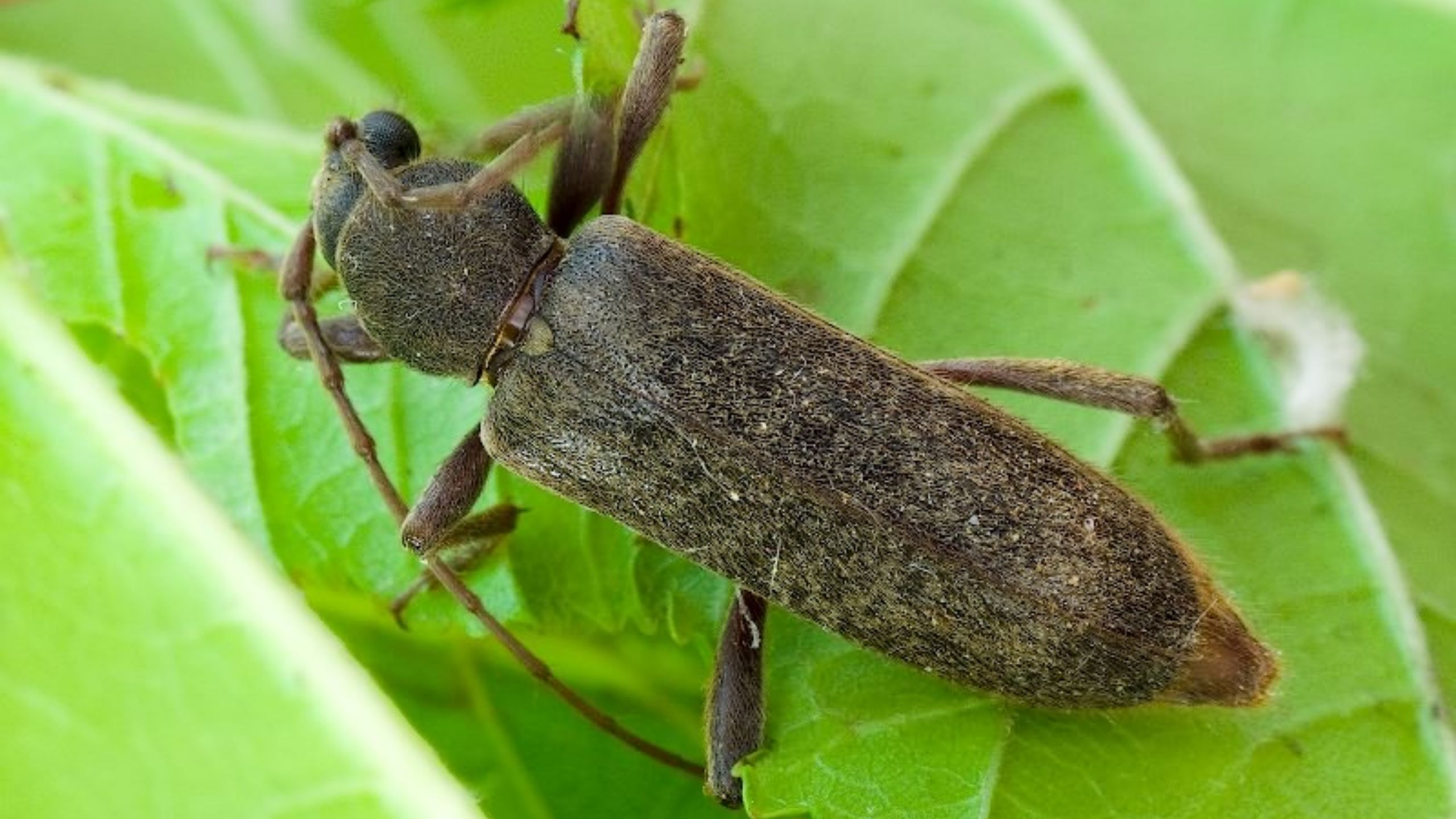
Velvet longhorned beetle is an invasive wood-boring beetle first detected in Utah in 2010. VLB can negatively impact fruit yield, tree longevity, and wood marketability. Prevention, monitoring, and early detection are the key management recommendations fo...
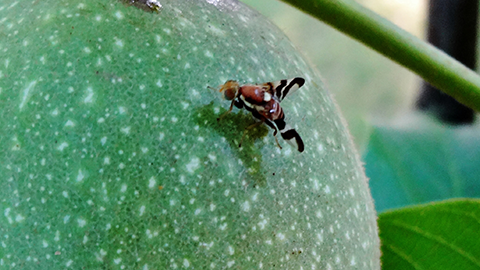
Walnut husk fly (Order Diptera, Family Tephritidae; is the most common insect pest of walnuts in Utah. Husk fly larvae (maggots) tunnel in walnut husks, causing them to soften and decay, and stain the shell.
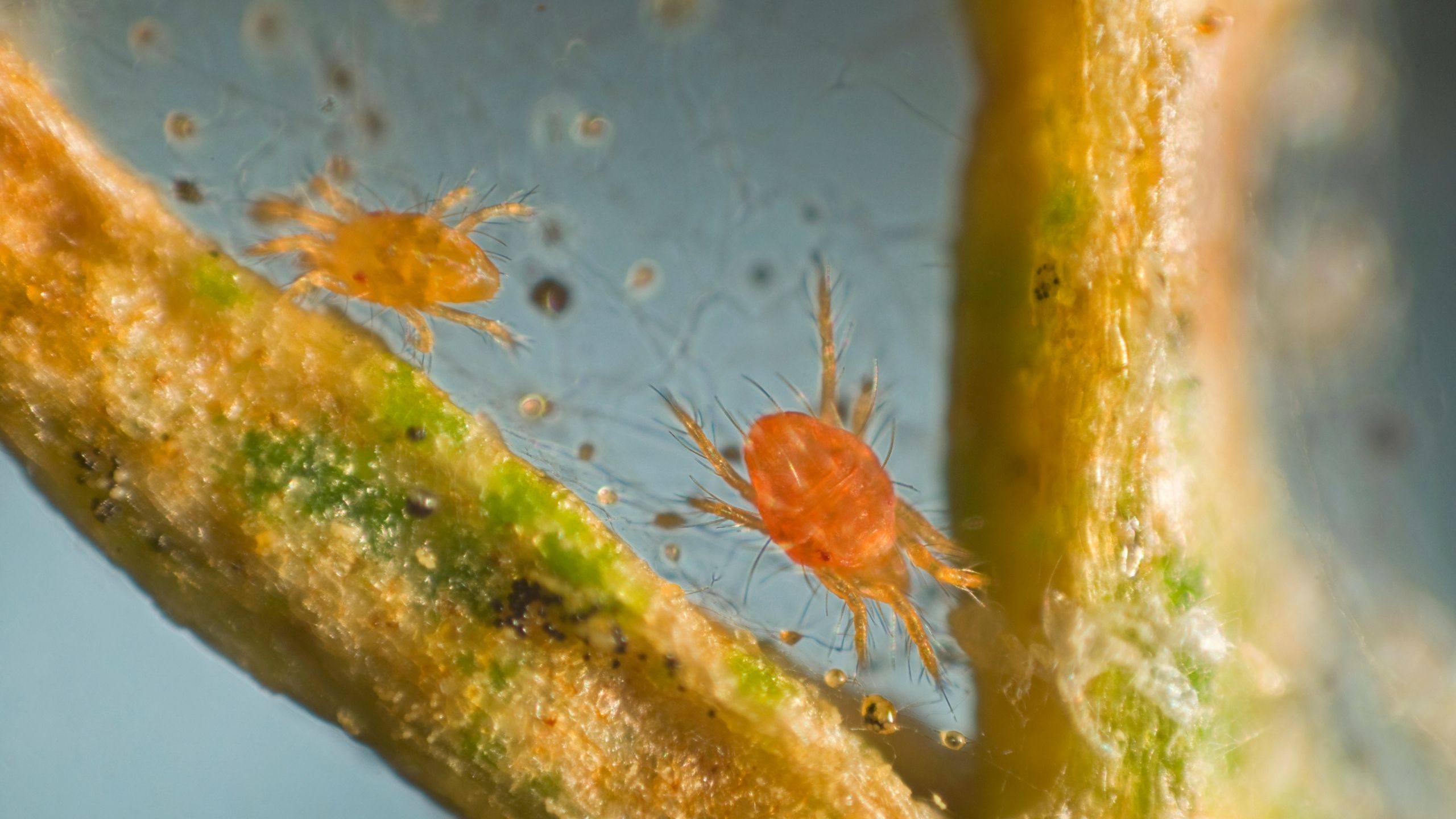
Mites are small arthropods that are more closely related to spiders and ticks than to insects. Mites in this group are web spinners, hence the name “spider” mites. They are an important and destructive group of pests to agricultural crops worldwide.
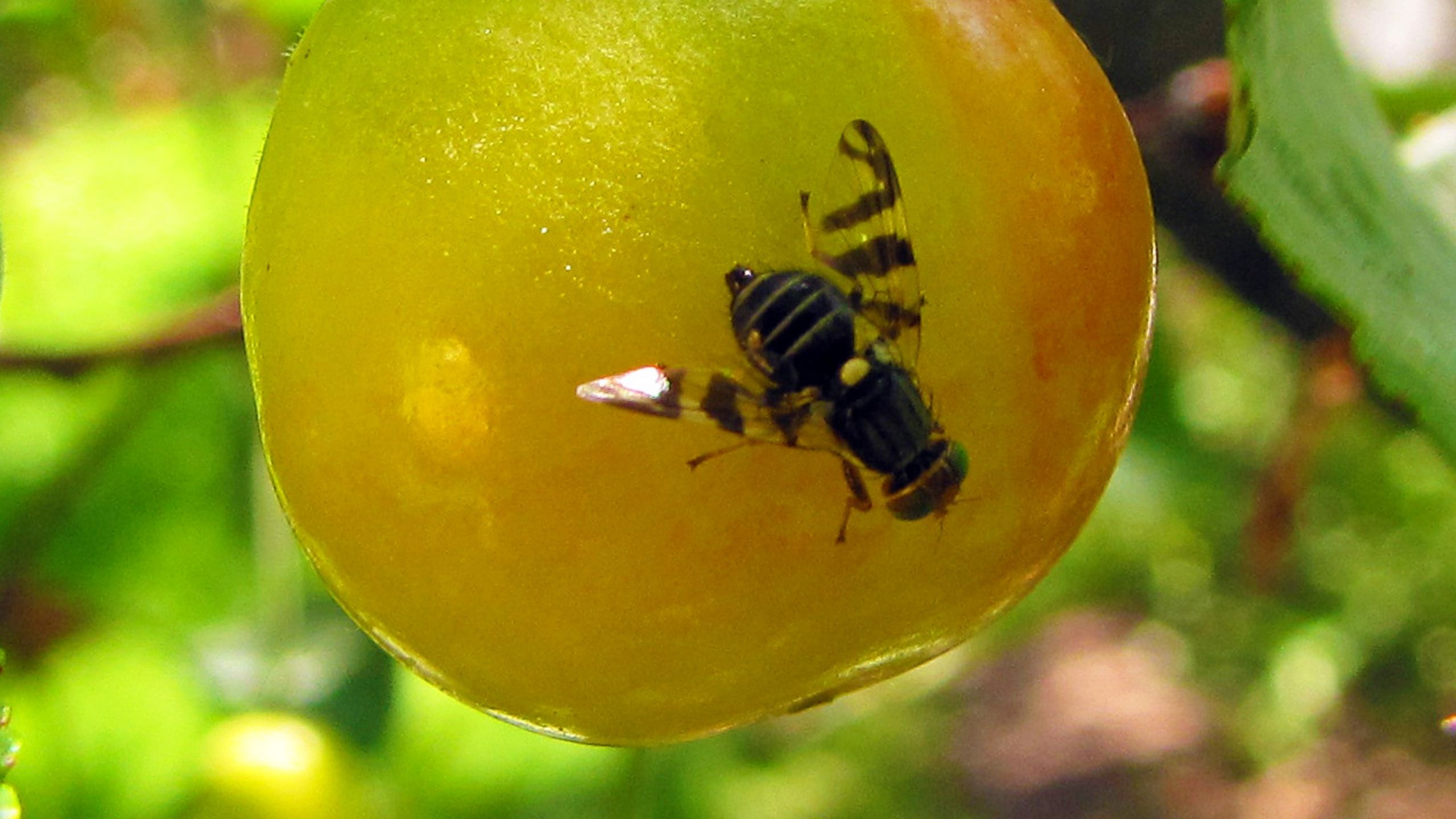
The western cherry fruit fly (Rhagoletis indifferens, Order Diptera, Family Tephritidae) is the most important pest of sweet and tart cherries in Utah. Once the skin of fruits becomes soft enough to penetrate, adult females insert eggs with their oviposit...
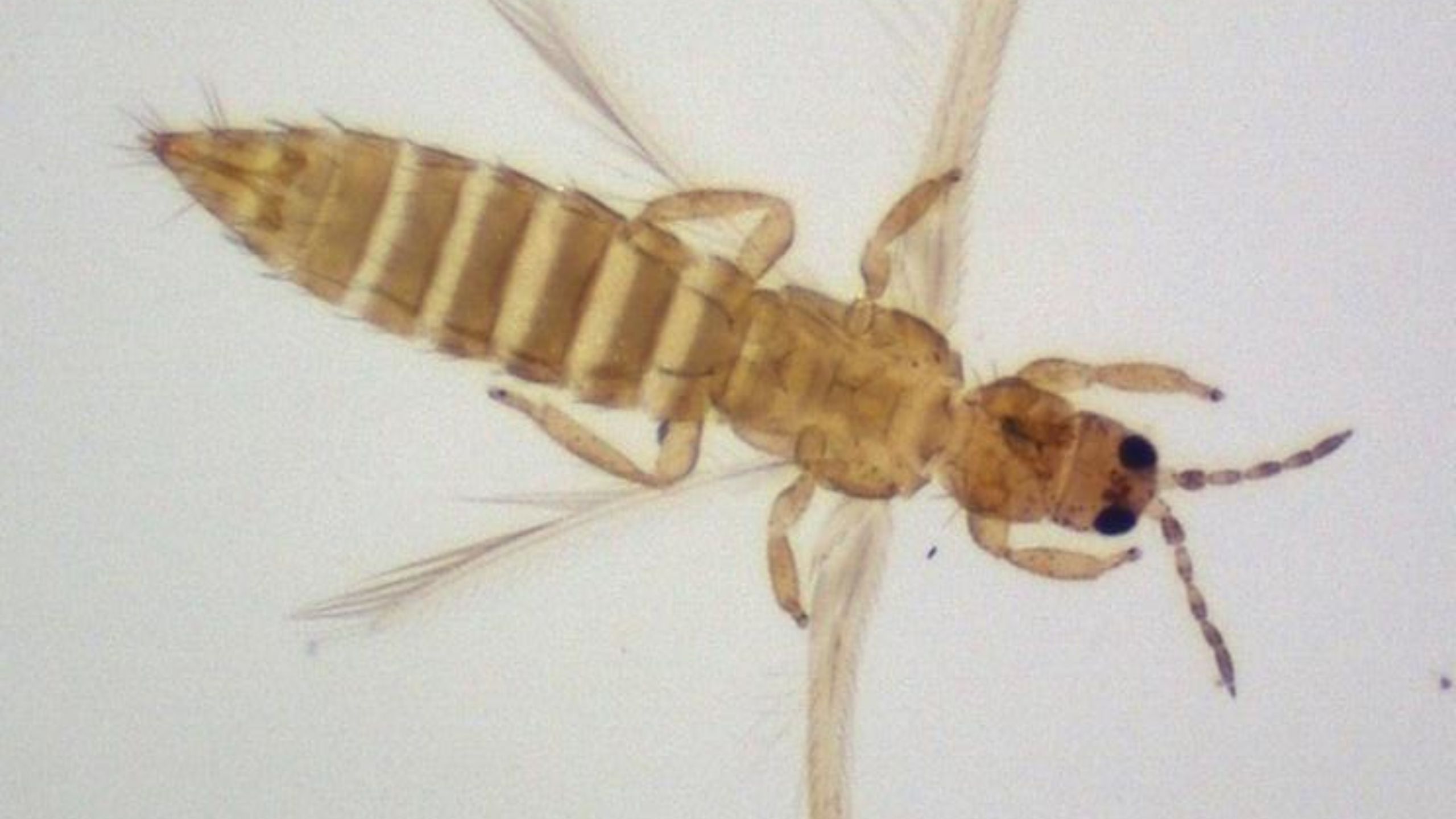
Western flower thrips are native to western North America and are widespread throughout this region. This species feeds on hundreds of different weed and crop hosts.
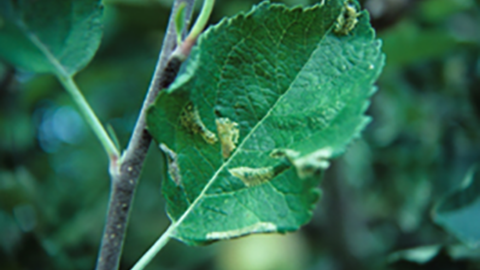
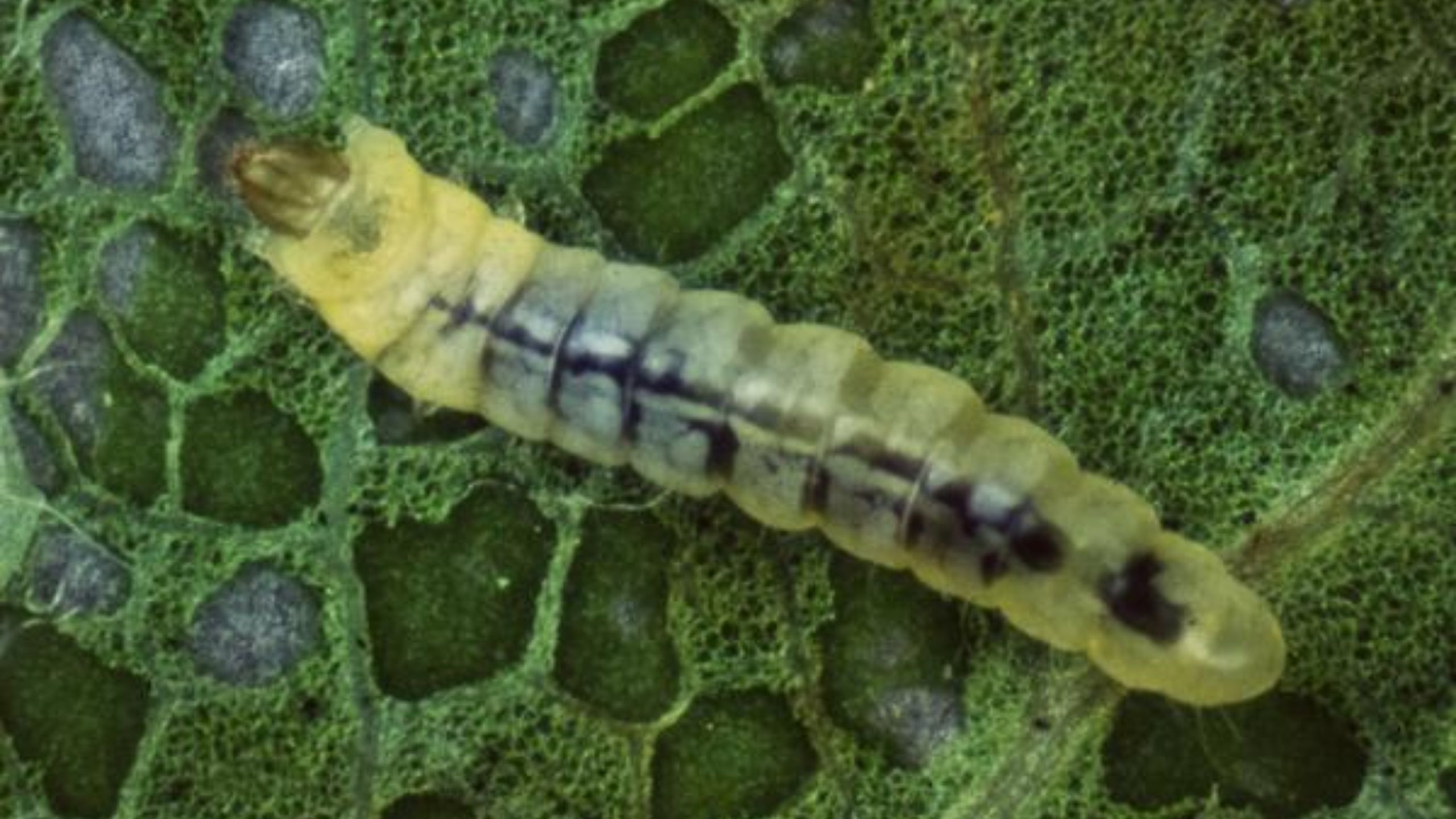
Western tentiform leafminer populations can vary tremendously between years or even between generations within a single year. A large population in Utah’s commercial fruit districts hasn’t been observed since the early 2000s. Increasing resistance to orga...
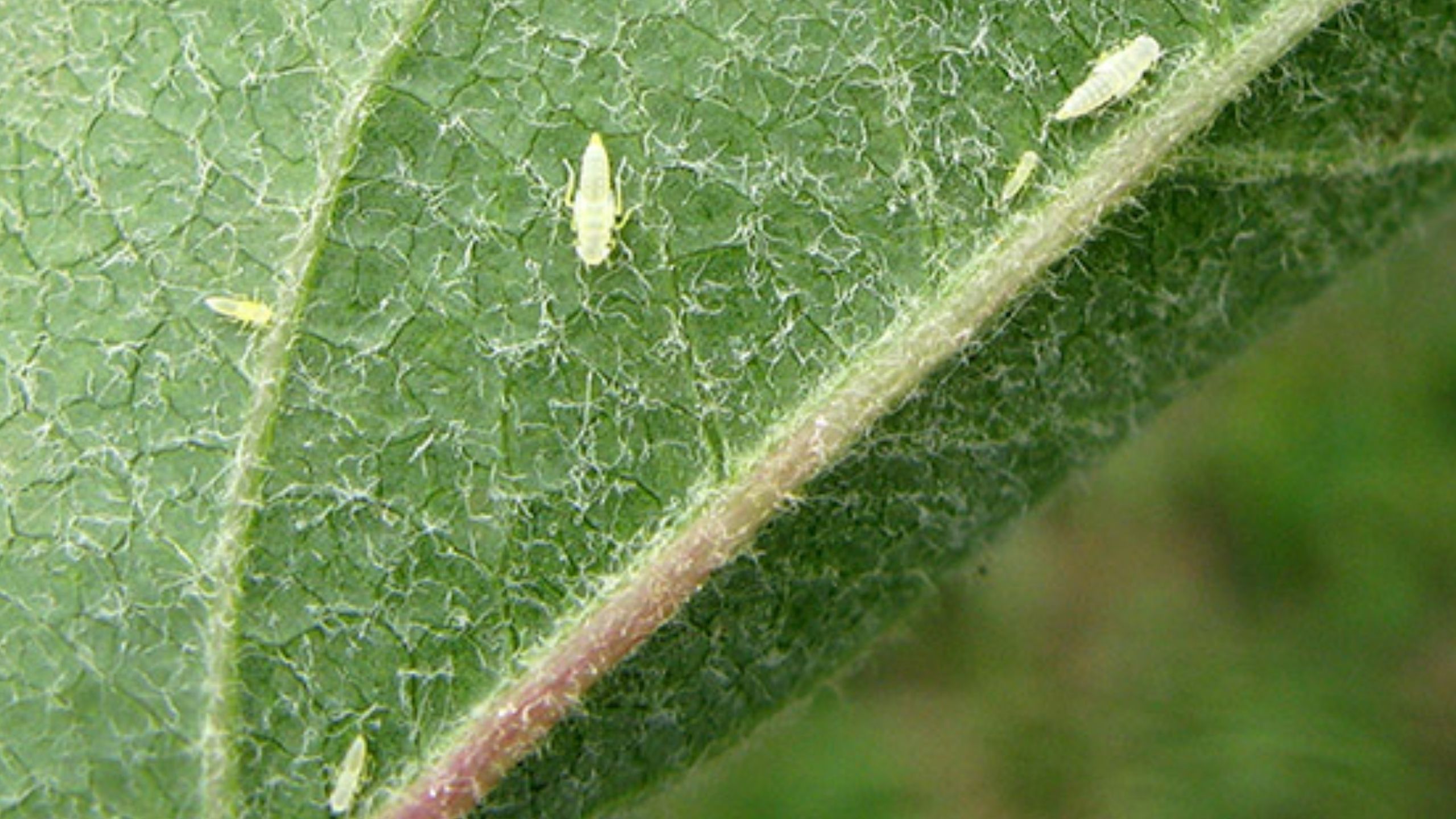
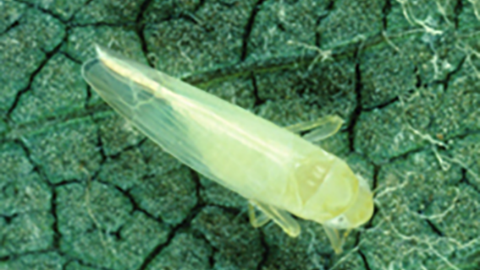
The white apple leafhopper (Order Homoptera, Family Cicadellidae) is the most common and serious of the leafhopper pests found on apple and other tree fruits. The rose leafhopper can be a pest of apple and pear in the Northwest.