

Cherry Powdery Mildew in Utah
Powdery mildew on cherry is caused by the fungus Podosphaera cerasi; previously, it was misidentified as P. clandestina, which actually infects only Crataegus species.
For more fruit disease information reference the Intermountain Commercial Tree Fruit Production Guide and Utah Home Orchard Pest Management Guide
Powdery mildew on cherry is caused by the fungus Podosphaera cerasi; previously, it was misidentified as P. clandestina, which actually infects only Crataegus species. Coryneum blight, also called shothole blight, is a fungal disease of stone fruit trees including peach, nectarine, apricot, cherry, and almond (ornamental as well as nut bearing); however, the most commonly affected are apricot, peach, and nectarine. Fire blight is a serious disease of apple and pear trees. In the last decade in Utah, there were several seasons where this disease caused extensive losses. The prime conditions for infection require the combination of open blossoms, warm temperatures Fire blight is a bacterial disease of rosaceous plants. Economically, it is most serious on pears and apples. The bacterium that causes fire blight can be spread by insects, contaminated pruning or grafting tools, infected grafts, and any manner that carr... Organic cherry production in the Intermountain West can be challenging because of pests such as western cherry fruit fly and arid growing conditions. However, with careful planning and appropriate management practices, it is possible to produce a good cro... The disease is caused by the fungus Taphrina deformans. Disease is most severe during cool wet conditions. Foliage is susceptible until it is fully expanded. Infected leaves are distorted and discolored (yellow, red or sometimes purple). Fire blight is an important disease of apple and pear in Utah. Antibiotic streptomycin frequently used to control fire blight. Resistance to streptomycin first detected in 2006. A short summary of the main insect and disease pests of apples and how they are managed by the backyard fruit grower. A short summary of the main insect and disease pests of apricots and how they are managed by the backyard fruit grower. A short summary of the main insect and disease pests of cherries and how they are managed by the backyard fruit grower. A short summary of the main insect and disease pests of peaches and nectarines along with how they are managed by the backyard fruit grower. A short summary of the main insect and diseasae pests of pears and how they are managed by the backyard fruit grower. A short summary of the main insect and disease pests of plum and how they are managed by the backyard fruit grower.
Cherry Powdery Mildew in Utah
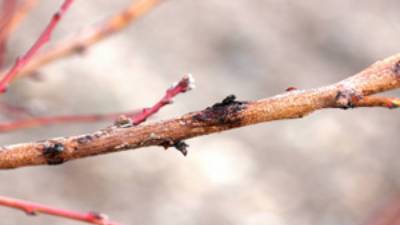
Coryneum or Shothole Blight
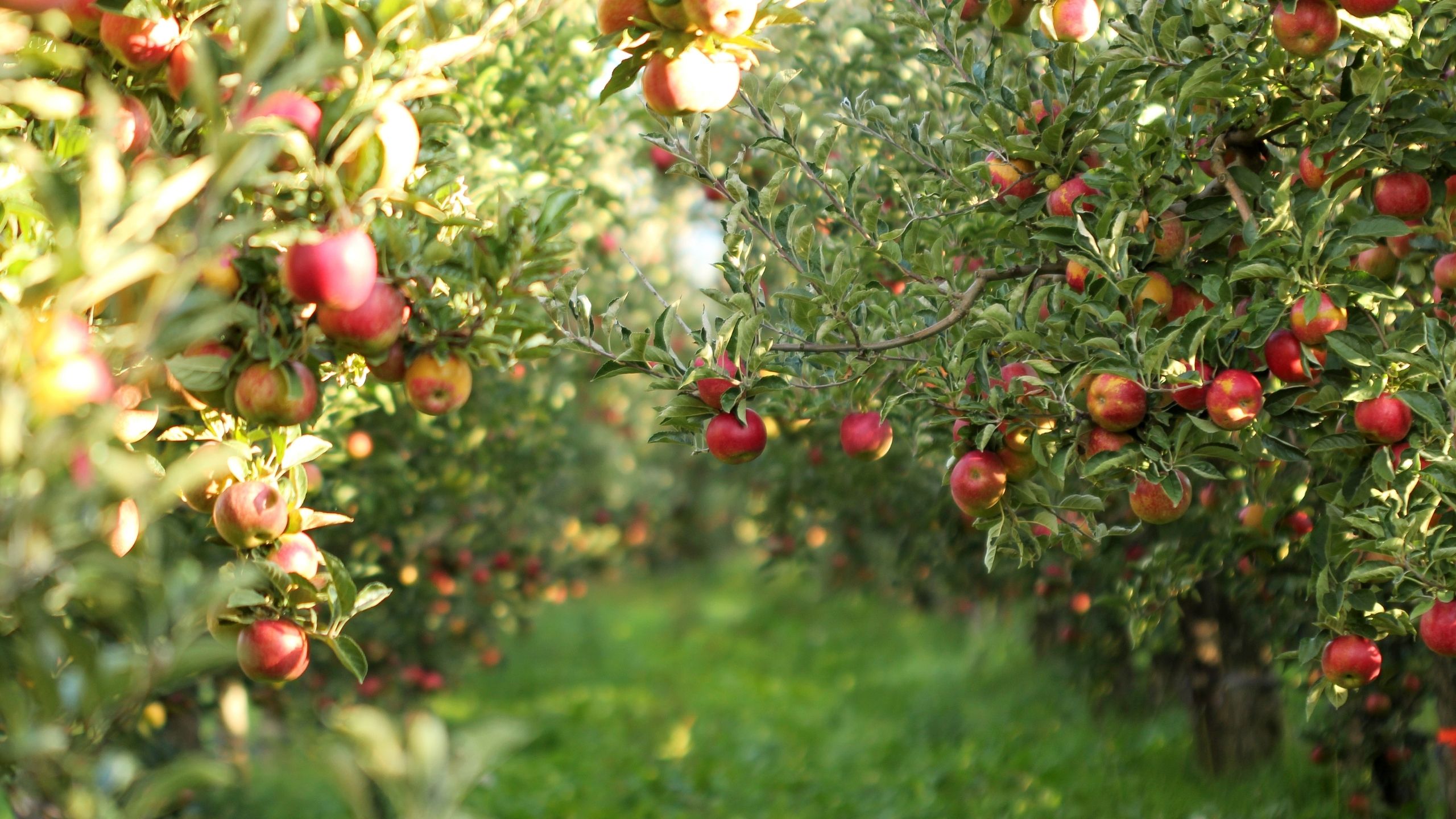
Fire Blight in Utah: An Annual Management Guide
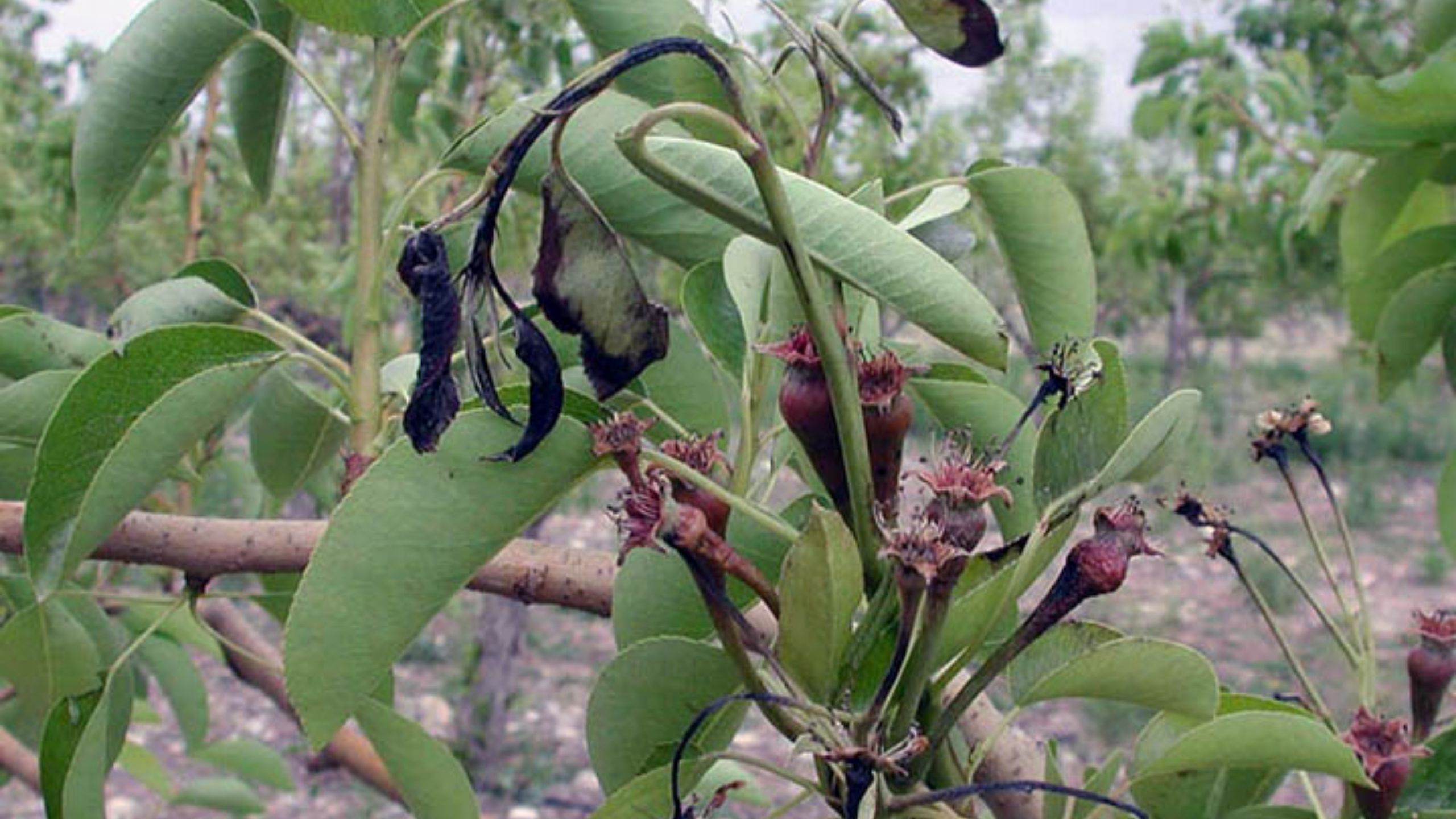
Fire Blight of Pears and Apples

Organic Cherry Pest Management
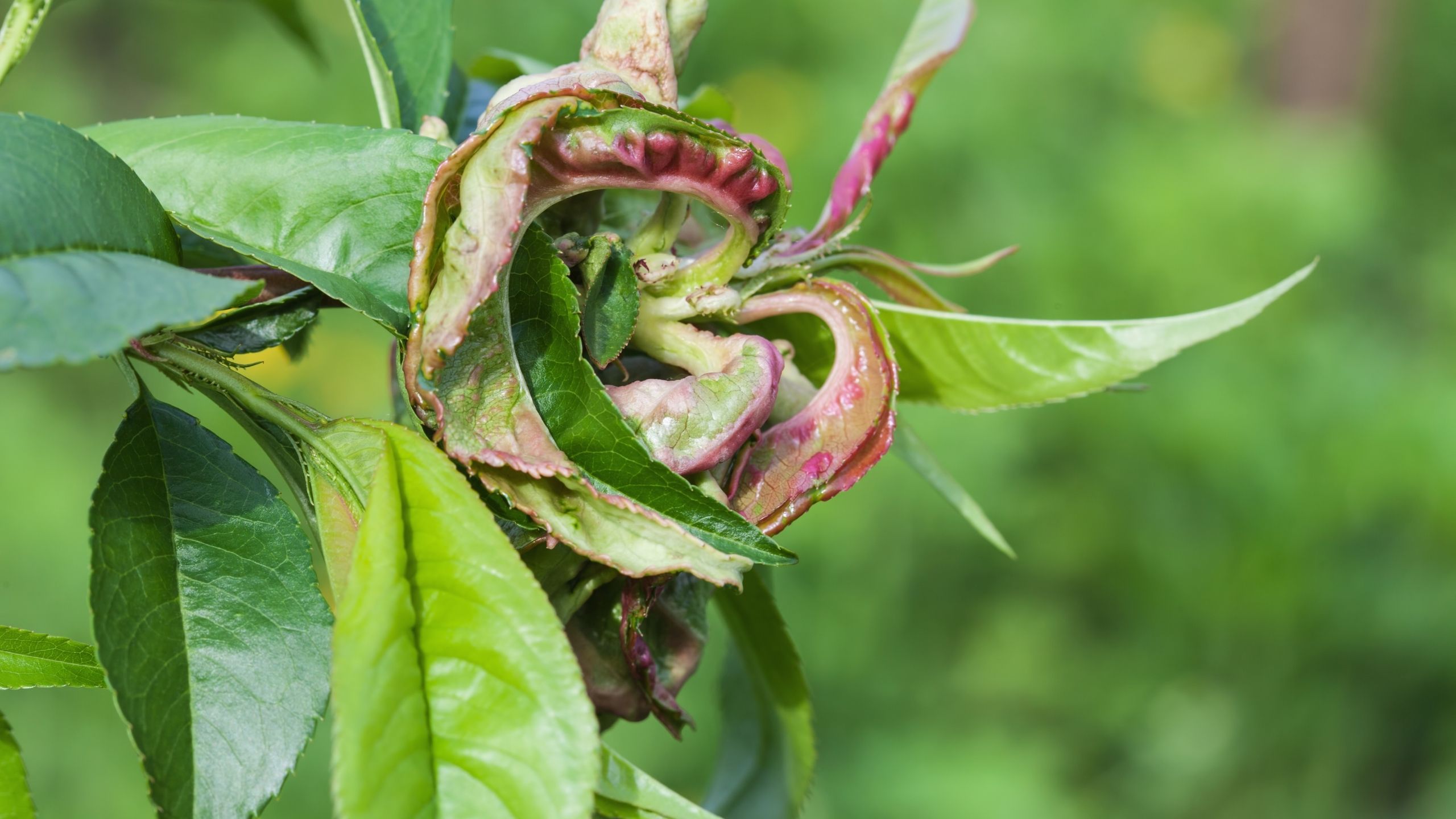
Peach Leaf Curl
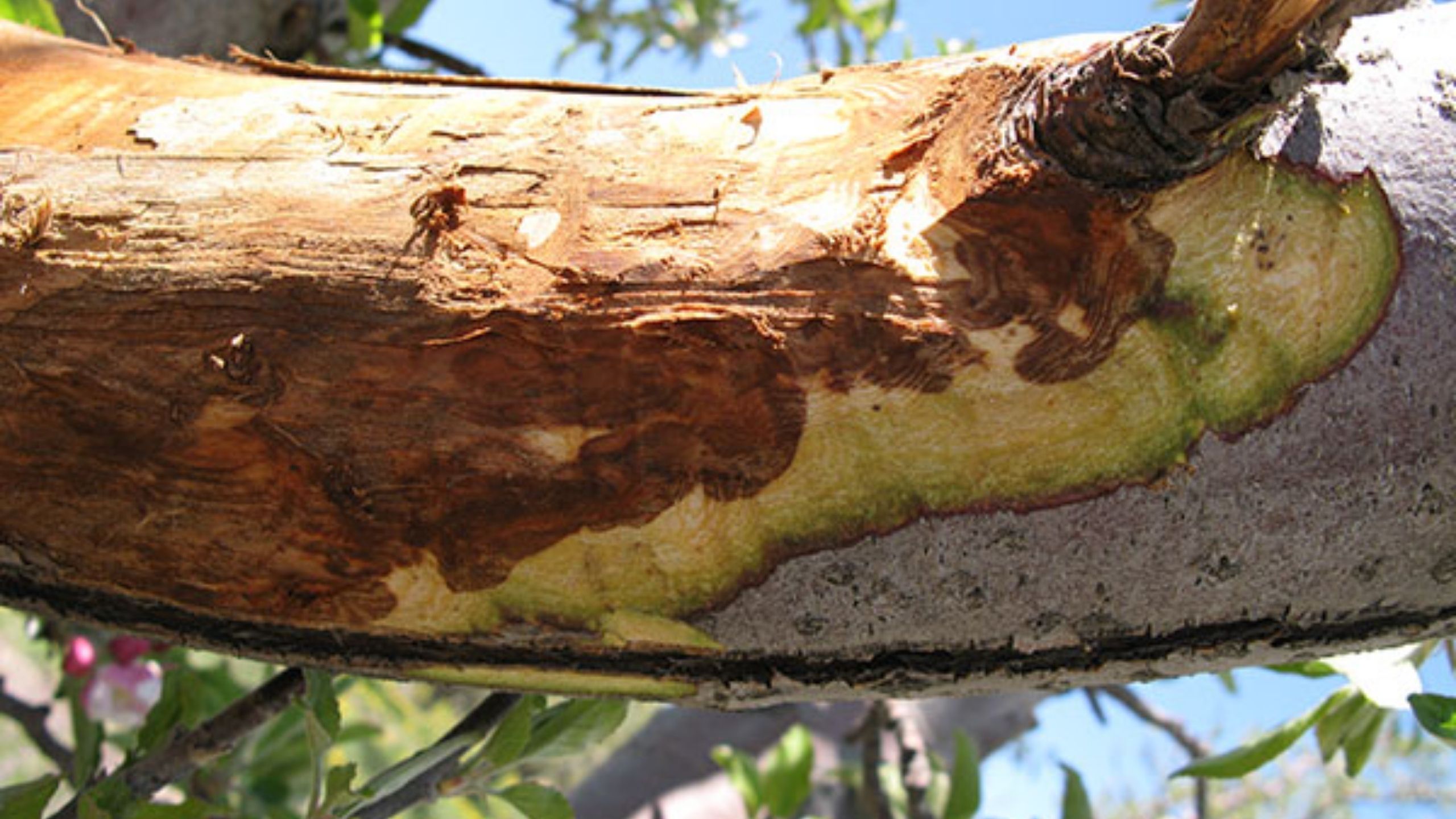
Streptomycin Resistance of Fire Blight
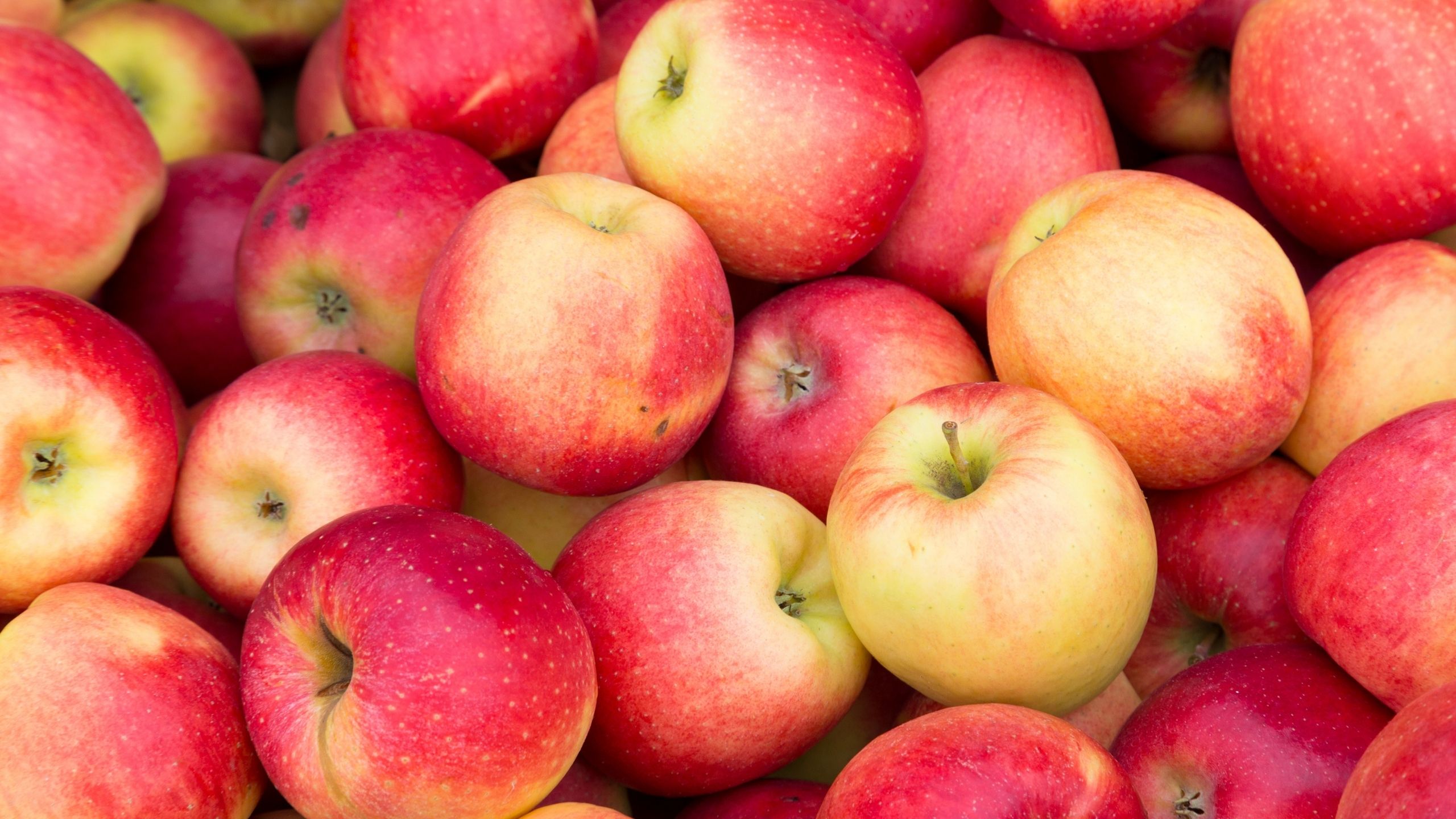
The Backyard Orchard - Apple Pests
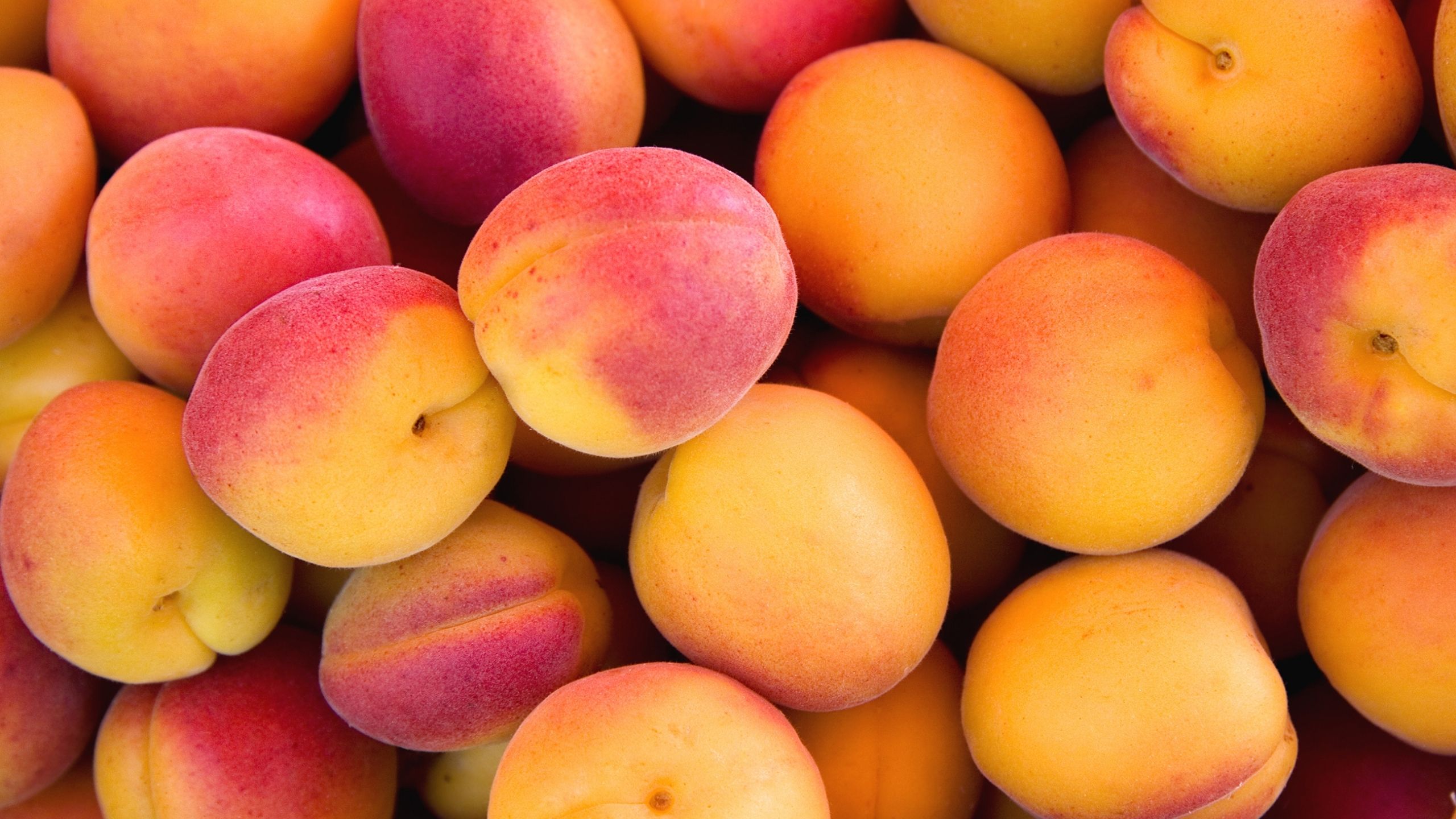
The Backyard Orchard - Apricot Pests
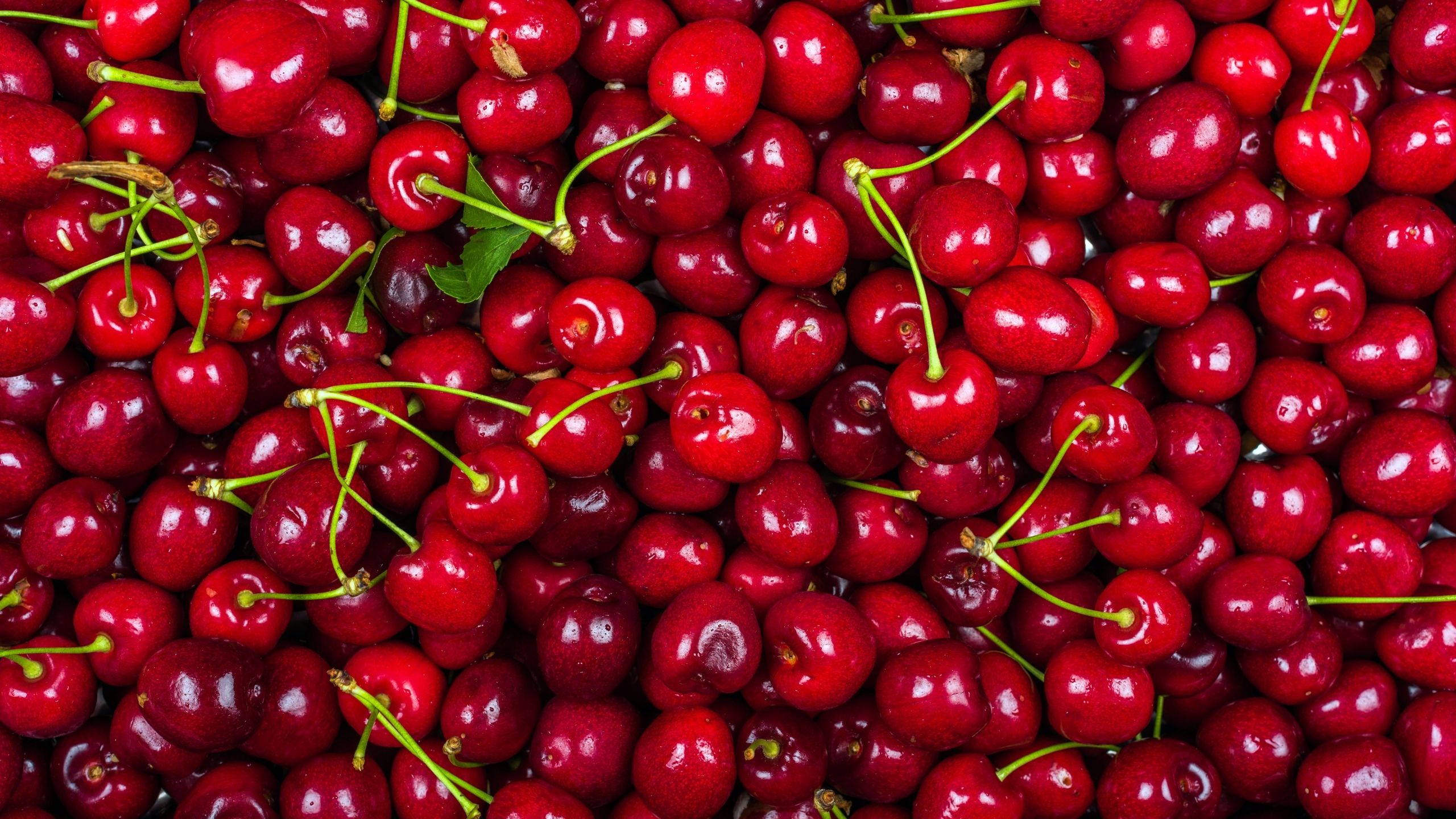
The Backyard Orchard - Cherry Pests
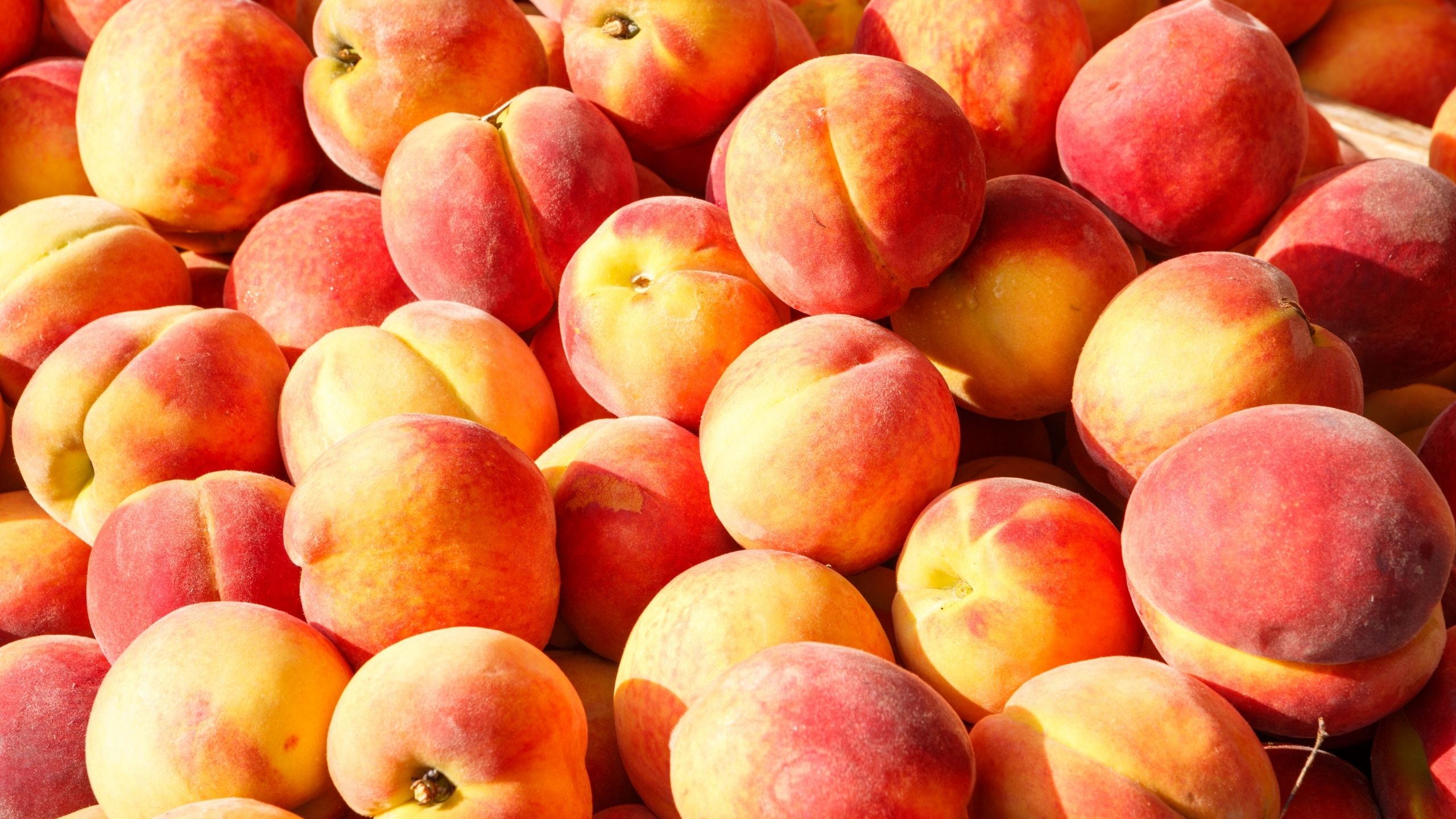
The Backyard Orchard - Peach and Nectarine Pests
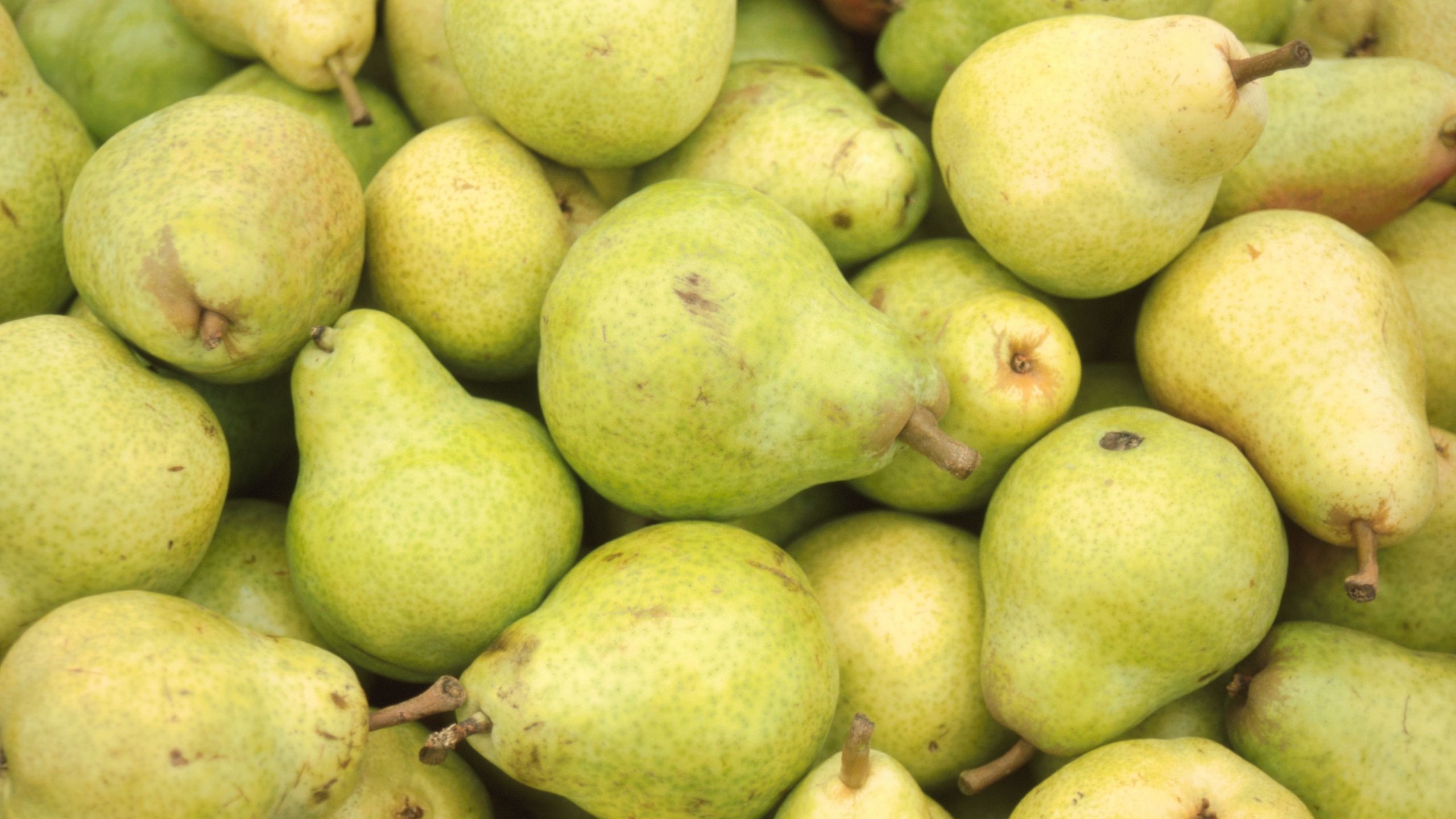
The Backyard Orchard - Pear Pests
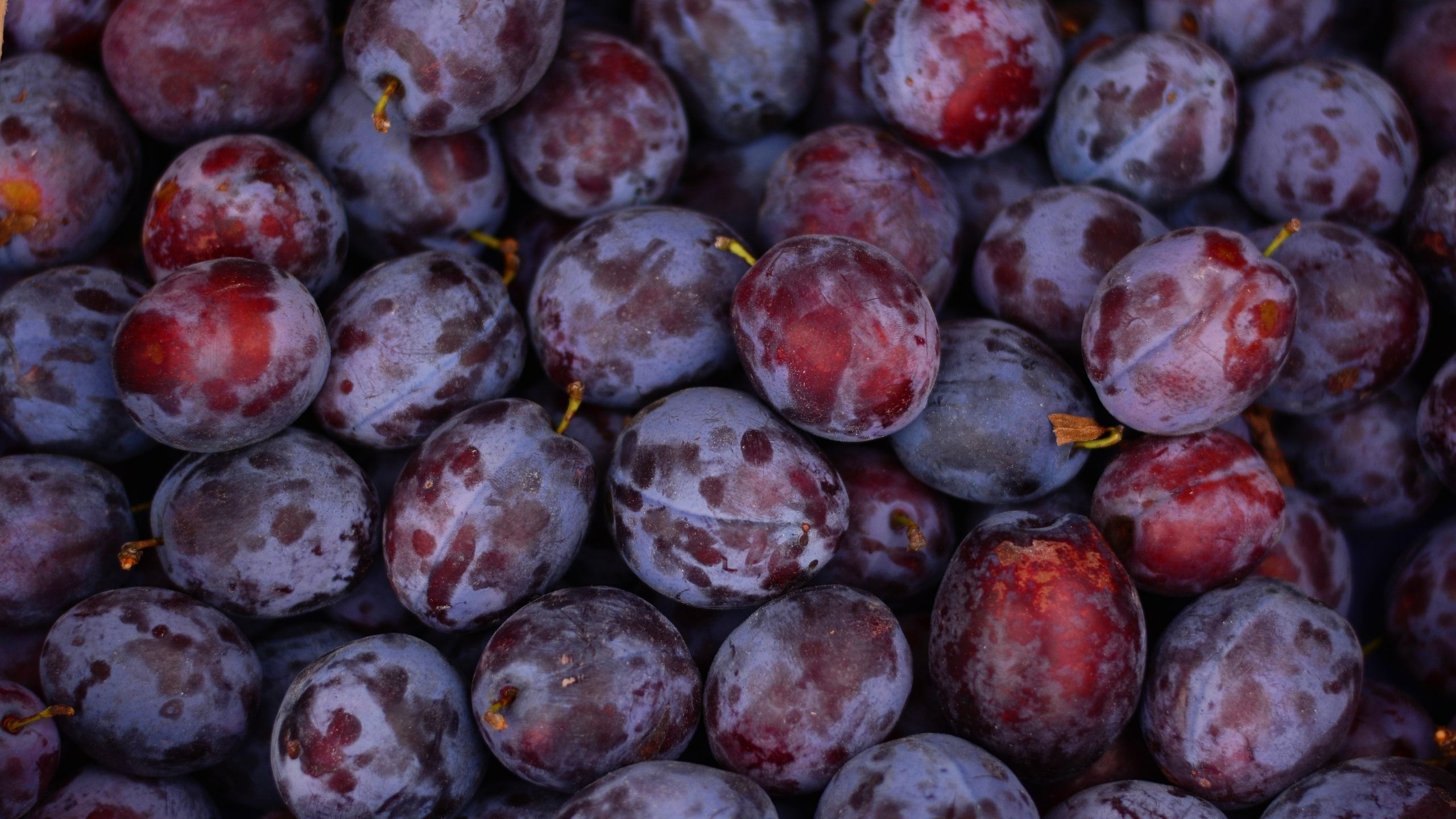
The Backyard Orchard - Plum Pests