
Cotton Root Rot
August 2026
Savannah Gleeson, Research Assistant • Claudia Nischwitz, Extension Plant Pathologist • Ben Scow, Extension Associate Professor
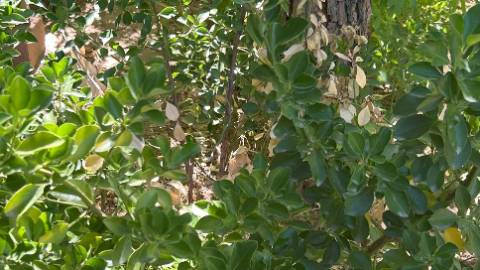
Fig. 1. Euonymous plant infected with P. omnivora. Photo credit: Claudia Nischwitz
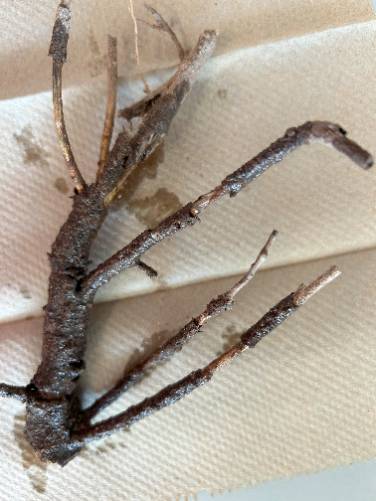
Fig. 2. Root rot caused by cotton root rot. Photo Credit: Claudia Nischwitz
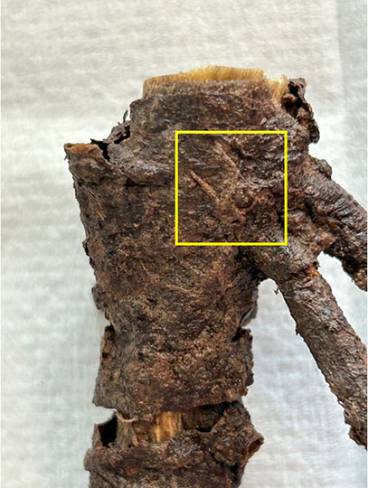
Fig. 3. Rotted euonymus root with mycelium strands covering the surface. Photo Credit: Claudia Nischwitz
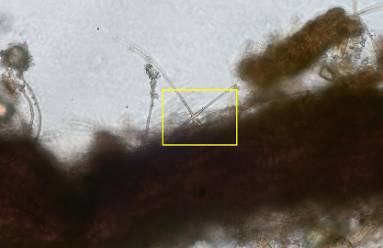
Fig. 4. Cruciform hyphae as seen under a microscope. Photo Credit: Claudia Nischwitz
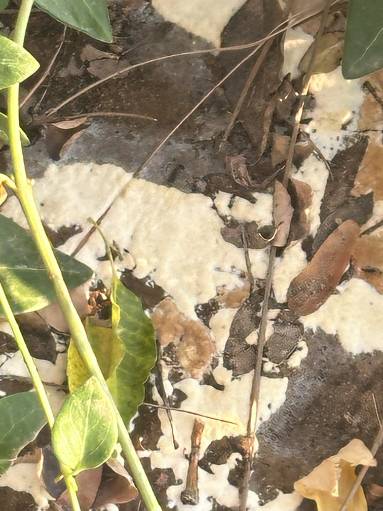
Fig. 5. P. omnivora spore mat on the surface of the soil. Photo credit: Ben Scow
Quick Facts
- Cotton root rot is a disease caused by the fungus, Phymatotrichopis omnivora, that affects non-native dicotyledonous plants.
- Infected plants will die with dead brown leaves still attached. The roots will be rotten with mycelial strands on the surface.
- The fungus thrives in warm soils with high pH.
Introduction
Cotton root rot (also known as Phymatotrichum root rot and Texas root rot) caused by a soil borne fungus, Phymatotrichopis omnivora is endemic to Southern Arizona, New Mexico, Texas and northern Mexico. It kills dicotyledonous plants that are not native to this area (1). Compared to other known fungal pathogens, cotton root rot has one of the largest host ranges with over 1,800 hosts. While the host range of this pathogen ranges from dicotyledonous ornamentals to vegetables and field crops, monocots are immune.
Symptoms
If a plant is infected with cotton root rot, symptoms may not appear until two to three years after initial infection, typically showing up in late spring to early fall. The branches and leaves on the infected plant will begin to wilt and die (Fig. 1), followed by the death of the entire plant shortly after. The brown leaves remain attached to the dead plant. Note that infected plants may decline more slowly in cooler temperatures and more rapidly in warmer temperatures [1]. The dead tree’s roots will be rotten, and light to dark brown mycelial strands are often seen growing on the surface of the rotten roots (Fig. 2 & 3). Mycelial strands are bundles of thread-like filaments called hyphae. Identification is easy when a microscope is available. Hyphal strands are cruciform (shaped like a cross) which is a unique characteristic of P. omnivora (Fig. 4). As there can be many causes of death for a plant, to rule them out, examining the roots for the mycelial strands is important to confirm it is in fact cotton root rot. Another aspect of cotton root rot is that the fungus may produce a tan colored mat of mycelium and spores on the surface of soil, often during rainy conditions (Fig. 5). However, these mats are not important as they have not been observed to germinate, and do not contribute to the spread of the pathogen [1].
Disease Cycle
This fungus grows in optimal soil conditions such as warm soils with a high, alkaline pH [1]. Southern Utah, for example, has suitable conditions, and cotton root rot was recently found on a number of ornamental trees including euonymus, lilac, umbrella trees and ash in Washington County. The pathogen can be introduced to new locations when already infected plants are planted. Southern Utah has a climate conducive to P. omnivora whereas other parts of Utah are too cold. Furthermore, P. omnivora can survive for a number of years in the soil on root debris or as sclerotia (balls of fungal tissue). As it has no soil or airborne spores, the fungus survives and spreads through mycelial strands of connected hyphae [1]. By colonizing and spreading from infected to healthy root tissue, the pathogen could eventually cause the death of an entire grove of plants.
Management/Control
Managing cotton root rot is very difficult and infected plants should be completely removed, roots and all, as soon as discovered. The only effective control method is to re-plant the area with resistant species that are non-susceptible to the fungus [1]. As previously mentioned, all monocotyledonous plants are immune.
Table. 1. Plants resistant to P. omnivora
| Scientific Name | Common Name |
| Bambusa spp. | Bamboo Celtis |
| Celtis spp. | Hackberry |
| Chamaerops humilis | Mediterranean Fan Palm |
| Chilopsis linearis | Desert Willow |
| Cupressus | Cypress/Juniper |
| Lycium spp. | Wolfberry |
| Parkinsonia microphylla | Palo Verde |
| Phyllostachys aurea | Golden Bamboo |
| Prosopis spp. | Mesquite |
| Rosmarinus officinalis | Rosemary |
| Trachycarpus fortune | Windmill palm |
| Washingtonia filifrea | California palm |
| Yucca spp. | Yucca |
| Antirrhinum majus | Snapdragon |
| Crocus spp. | Crocus |
| Fragaria chiloensis | Strawberry |
| Gypsophila paniculate | Baby’s breath |
| Helichrysum braacteatum | Strawflower |
| Hyacinthus orientalis | Hyacinth |
| Iris spp. | Iris |
| Mentha spicata | Spearmint |
| Pelagonium spp. | Geranium |
| Petunia hybrida | Petunia |
| Tropaeolum majus | Nasturtium |
| Tulip gesneriana | Tulip |
| Verbena hybrida | Verbena |
| Viola odorata | English violet |
| Viola tricolor | Pansy |
References
- Olsen, M. 2015. Cotton (Texas) Root Rot. The University of Arizona Cooperative Extension.
Related Research
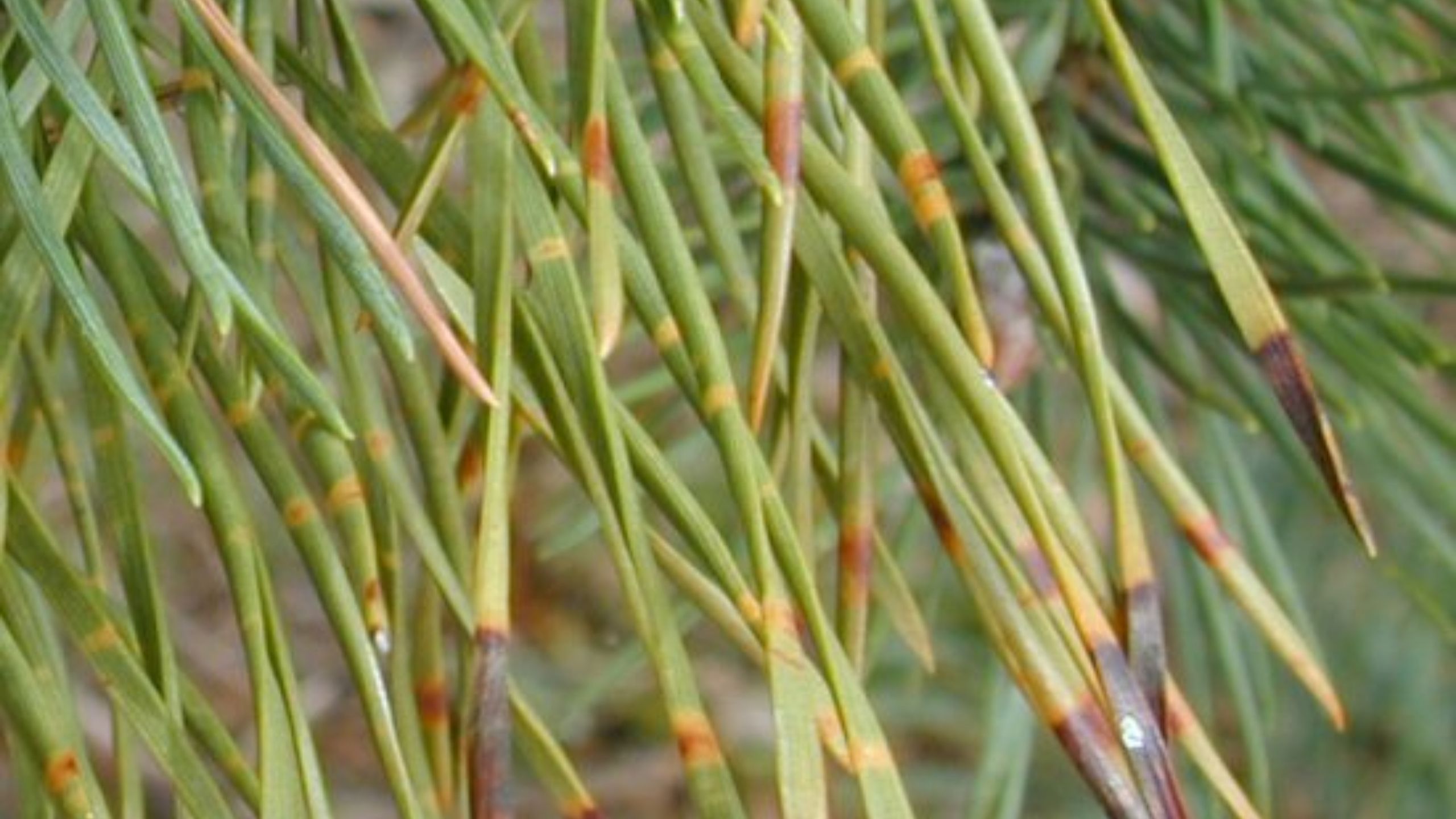
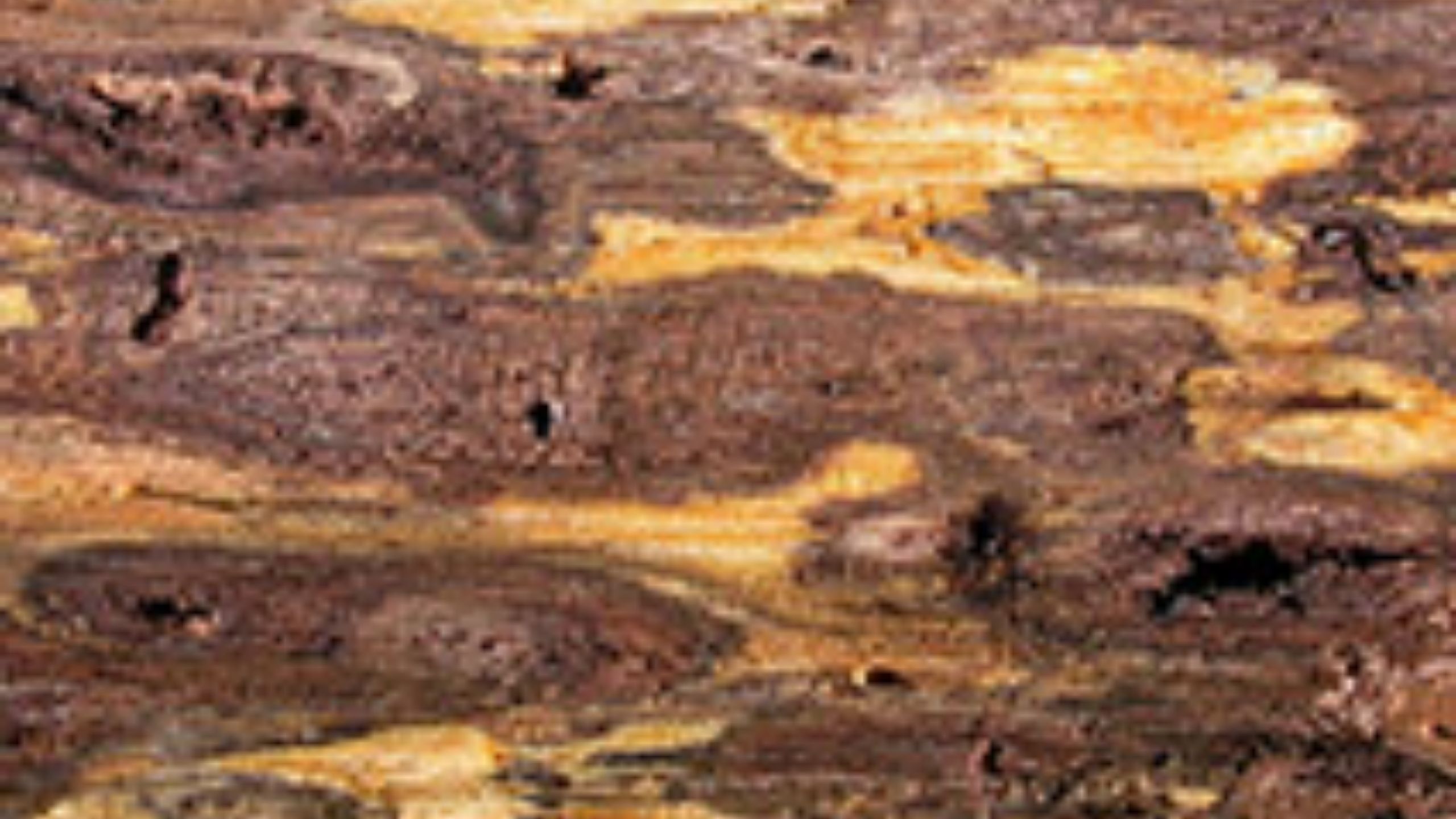
Coryneum blight, also called shothole blight, is a fungal disease of stone fruit trees including peach, nectarine, apricot, cherry, and almond (ornamental as well as nut bearing); however, the most commonly affected are apricot, peach, and nectarine. Cotton root rot (also known as Phymatotrichum root rot and Texas root rot) caused by a soil borne fungus, Phymatotrichopis omnivora is endemic to Southern Arizona, New Mexico, Texas and northern Mexico. It kills dicotyledonous plants that are not native t Aspens are one of the more popular forest trees in the Intermountain West. They add a brilliant yellow glow to the collage of fall colors. In an attempt to enjoy these beautiful trees around the home environment, many well-intentioned homeowners purchase Dothistroma needle blight is a fungal disease that occurs on a variety of coniferous trees. It is also known as “red band disease” in the western United States because of the distinct red banding symptoms that are produced. Spruces tend to prefer abundant moisture and may not do well on droughty sites. Water stress caused by too little soil moisture or too much heat can predispose spruces to insect attack. Thousand cankers is a newly recognized disease of walnuts, caused by a fungus (Geosmithia morbida) that is spread by the walnut twig beetle (Pityophthorus juglandis). The beetle is endemic to the native range of Arizona walnut (Arizona, New Mexico, and Sudden oak death (SOD) and ramorum blight are caused by Phytophthora ramorum, a non-native water mold (oomycete) that originates from parts of Asia. Sudden oak death was given its name due to the appearance that entire trees were dying in just 2 to 4 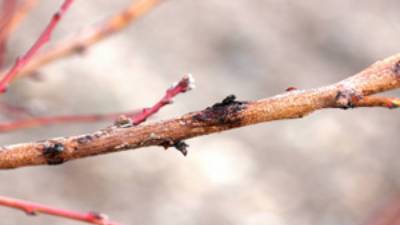
Coryneum or Shothole Blight
Cotton Root Rot

Important Pests of Ornamental Aspen
Dothistroma Needle Blight

Spruce Health in Utah Landscapes
Thousand Cankers Disease of Walnut
Sudden Oak Death and Ramorum Blight