
Bulb Mites
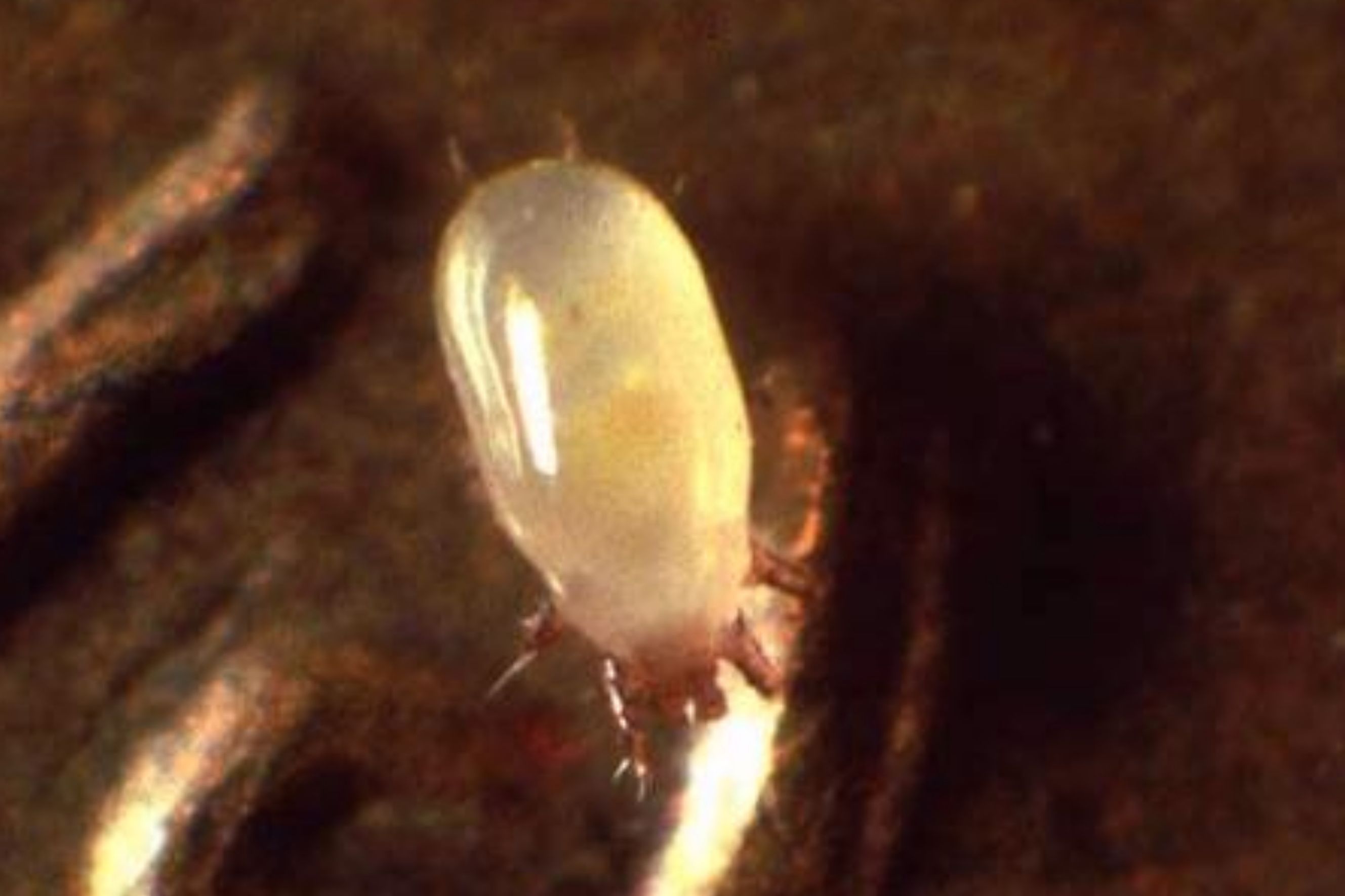 Bulb Mite (ipmworld.umn.edu)
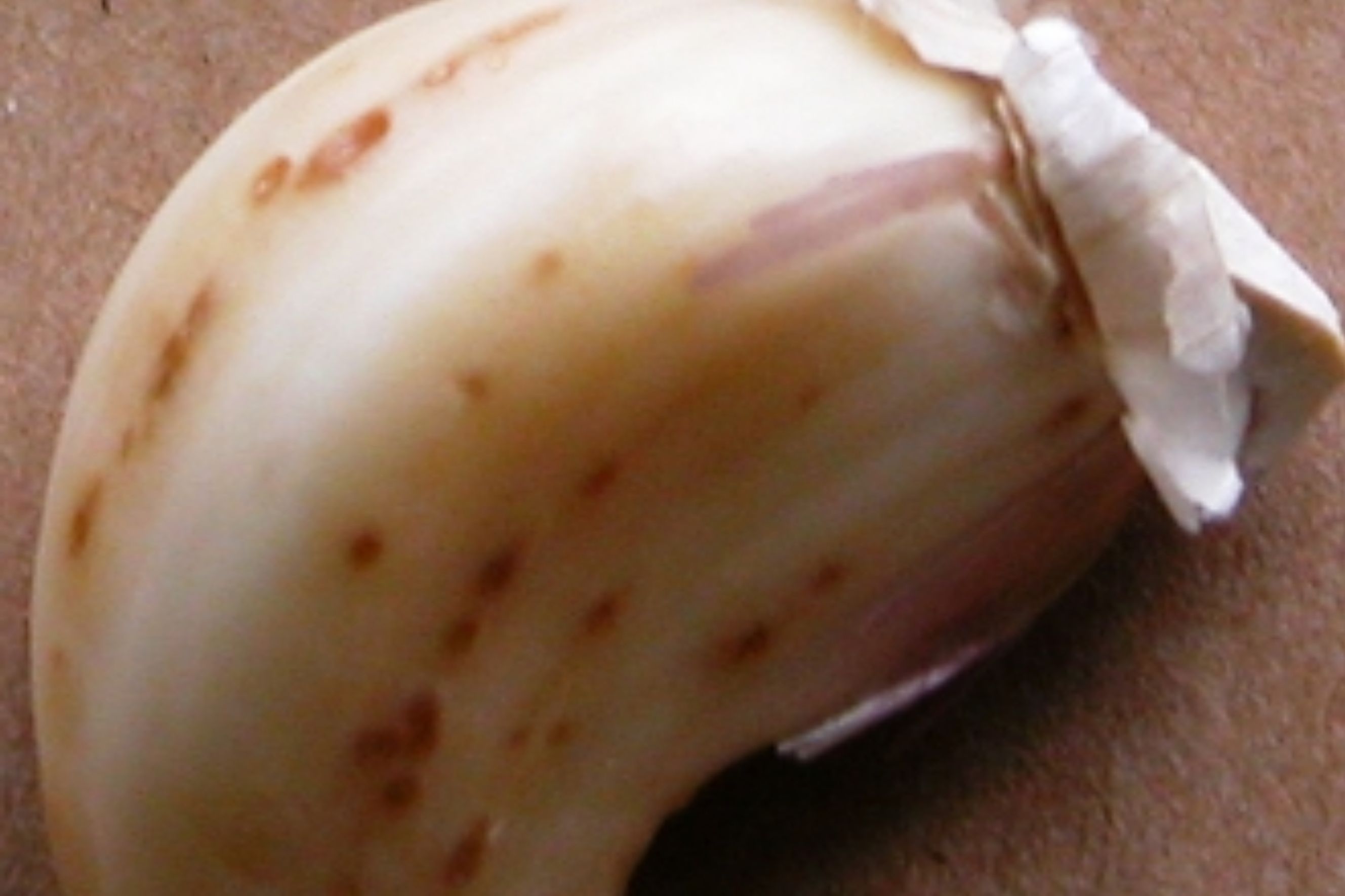 Bulb Mite Damage on Garlic
(Oregon State University Extension)
HOSTS
- Onion
- Garlic
DESCRIPTION
Bulb mites are shiny, creamy white, bulbous mites often described as pearls with legs.
BIOLOGY
Bulb mites have multiple, overlapping generations per year. They overwinter on decaying vegetation such as weeds or crop debris. Injury typically occurs during early vegetative growth stages and is most damaging when plant growth is slowed by cool, wet weather. Infestations can affect bulbs both in field and in storage.
SYMPTOMS
Adults and nymphs feed with piercing-sucking mouthparts on the roots, basal plate, and outer layer of plant tissue providing openings for soil-borne fungal pathogens such as Pythium, Rhizoctonia, and Fusarium. Bulb mites can reduce plant stands and vigor, and promote rot of bulbs in storage.
GENERAL MANAGEMENT
- Adults and nymphs are typically found in clusters under the root plate of onion bulbs or garlic cloves.
- Watch for feeding damage symptoms which resemble those of dampingoff caused by Pythium.
Bulb mites primarily feed on decaying fungi but can greatly aggravate existing plant wounds and promote decay in plants. Growing tips of bulbs can be damaged and cause distortion under high numbers of bulb mites. This pest can also continue to develop on bulbs in storage.
- Rotate crops.
- Allow crop residues to fully decompose prior to planting.
- Use clean seed and transplants.
- Clean bulbs before storage and store in cool temperatures with low relative humidity.
- Application of pesticides may be needed.
INSECTICIDES
No thresholds have been established.