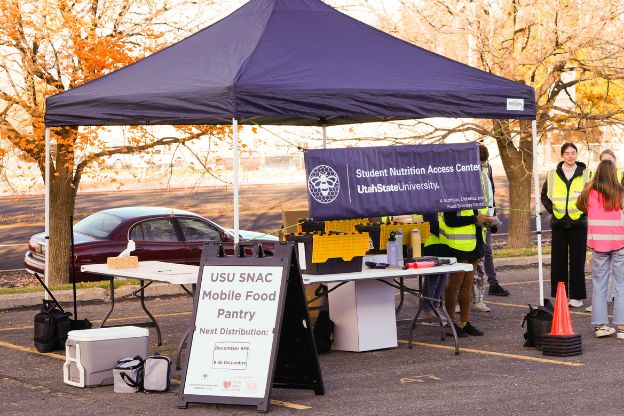
Ask an Expert – Five Ways to Help Reduce Food Insecurity
November 21, 2025

Food insecurity isn’t always obvious. Unexpected expenses or reductions in benefit programs can quickly turn into a crisis for thousands of people in our communities.
Food insecurity is not just a shortage of food – it’s a shortage of stability. People might not be hungry today, but they may have fears of running short by the end of the month.
Consider these immediate, practical tips to help ensure that our community members have reliable access to nutritious meals.
- Support local food banks and pantries.
- When possible, donate money rather than groceries. This allows organizations to assess their changing needs and purchase items at bulk discounts.
- Contribute high-demand items such as canned proteins, whole grains, and baby formula. Don’t forget hygiene products.
- Volunteer to sort donations or help at distribution events.
- Strengthen school-based meal programs.
- Support weekend “backpack” food programs that send weekend meals home with students.
- Participate in school food drives or community fundraisers.
- Advocate for expanded access to school breakfast, lunch, and summer meal programs.
- Promote access to state and federal nutrition programs.
- Volunteer with organizations that help residents complete SNAP (Supplemental Nutrition Assistance Program) and WIC (Women Infants and Children) applications.
- Support policies that reduce paperwork barriers.
- Support community gardens and local food production.
- Volunteer at community gardens or assist with planting and harvesting.
- Participate in gleaning programs that collect unused crops from farms or unsold food from restaurants and grocery stores.
- Volunteer with county Extension offices to provide gardening education and nutrition workshops.
- Provide direct, dignified assistance.
- Offer grocery store gift cards, allowing people to choose foods that meet their needs.
- Prepare and deliver meal kits or freezer-ready casseroles.
- Set up or donate to neighborhood micro-pantries where anyone can “take what they need, leave what they can.” Check with local health department regulations if you are offering perishable items.
For more information, contact Lea Palmer at Lea.Palmer@usu.edu.