
Ask an Expert: Drought and Wildfires Causing Wildlife to Appear in Residential Areas
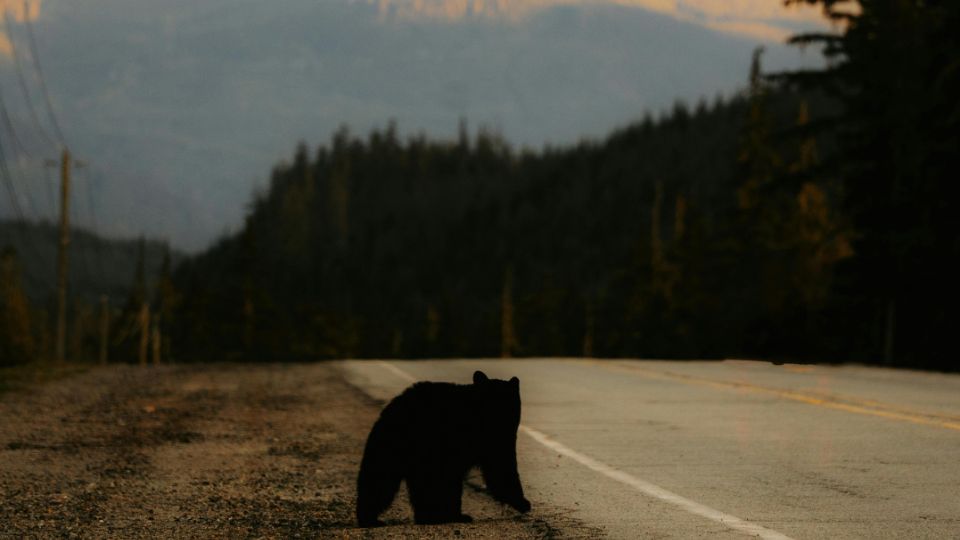
Most Utahns are accustomed to seeing deer in residential areas, but there have also recently been sightings of bears, foxes, mountain lions, coyotes, and other wildlife.
Wildlife are gravitating toward lower elevations due to recent drought – which reduces natural water sources – and wildfires – which can remove food and shelter. Young animals just leaving their mothers can become confused and make risky decisions as they wander into residential areas in search of food and shelter.
Social media is more prevalent now, and a single post about wildlife can go viral, making it seem as though there are more wildlife sightings than there really are. In addition, many homes have outdoor cameras that capture videos of animals that have likely always been among us, but we just didn’t know it before technology.
Consider these tips to help you stay safe.
- Stay aware of your surroundings.
- Don’t crowd or interact with wildlife. Most wildlife can injure humans in some way. It can be through diseases, such as a raccoon eating out of a dog food bowl, which can transmit diseases to your pets, or through physical contact with the animal.
- If you encounter an animal outside, go inside if possible. If not, put something solid between you and the animal and give it a chance to move on.
- Eliminate any potential food resources around your home, such as open garbage cans, water, or food left out.
It's best if we keep a healthy, respectful distance from wildlife. You can’t tame a wild animal – it’s still always going to be a wild animal. But also, don't live your life being terrified of them. We can live in harmony if we give them their space. Most of the time, wildlife would rather avoid us too.
If you spot a wild animal that lingers or is distressed, contact the Utah Division of Wildlife Resources at 801-538-4700.
Writers and Contacts
Nicki Frey
Utah State University Extension wildlife specialist, Nicki.Frey@usu.edu