
An Olympic Legacy: USU Researchers Outline Opportunities for Cleaner Air Ahead of 2034 Games
As Utah prepares to welcome the world for the 2034 Winter Olympics, three Utah State University researchers say the games could provide an opportunity to create lasting improvements to Utah’s air quality.
In a new article published in Sustainability and Climate Change, USU researchers Edwin Stafford, Roslynn Brain, and Randy Martin outline eight opportunities Utah could pursue to reduce the risk of poor air quality during the 2034 Games and build a lasting clean-air legacy.
“My research has found that the Olympics gives you a political lever with which to get things done,” Stafford said. “That’s what makes the Olympics an innovative opportunity for lasting change.”
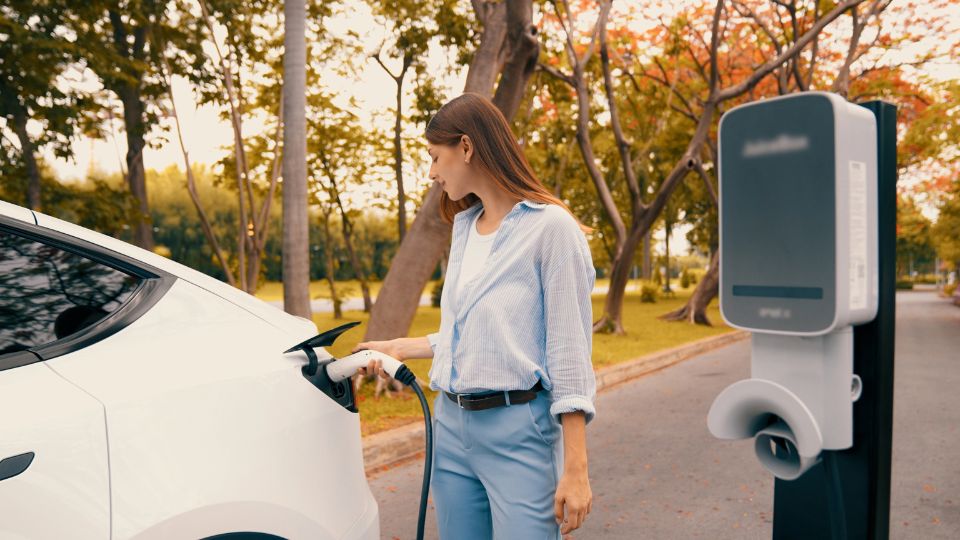
Their recommendations include electrifying transportation and buildings, expanding electric vehicle charging infrastructure, increasing renewable electricity generation, investing in clean-air education, expanding air-quality monitoring, restoring the Great Salt Lake, and enhancing green infrastructure.
“The Olympics puts Salt Lake and the Wasatch Front on a global stage that will hopefully motivate people to take some steps that we probably should be taking anyway,” said Martin, a professor in USU’s Department of Civil and Environmental Engineering. “We’ve got to get into the mindset of thinking about these alternatives, and maybe the Olympics can help move us in that direction.”
Utah’s winter inversions can trap pollutants in the valleys for days at a time. Martin compares an inversion to a sealed bathtub, where pollutants accumulate until a storm or other weather system clears them.
“There’s not much we can do about the actual setup of the inversion or its strength, but we can certainly modify what we put into it,” Martin said.
The researchers suggest that the eight years leading up to the games provide time to begin making those changes. Martin said he would particularly like to see Utah expand its air-quality monitoring network around Olympic venues well before 2034, allowing researchers to track pollution levels and measure changes before, during, and after the games.
Education is another piece of the researchers’ approach.
Stafford, a professor of marketing in the USU Huntsman School of Business, and Brain, a sustainable communities professor and USU Extension specialist, lead the Utah High School Clean Air Marketing Contest, which has educated Utah high school students and their families about air pollution since 2015. This year, they are adding an Olympics edition to the contest, giving students a chance to create public service announcements that connect clean air with the 2034 Games.
“We’re hoping the kids will come up with even better ways to tie Olympic themes with some of the big initiatives that are necessary for us to get our air cleaned up by 2034,” Stafford said.
Stafford said involving young people now is particularly meaningful because today's high school students will be adults by the time Utah hosts the Olympics and could be among the volunteers and community members participating in the games.
The eight recommendations are intended as a starting point for conversation and action. The researchers hope the Olympics can provide momentum for changes that benefit Utah long after the competition ends.
“Pursuing the air quality opportunities outlined here will demonstrate to the world that Utahns took bold stewardship of their air, not just for the games, but as an Olympic legacy as well,” the researchers wrote.
The article, “The Utah 2034 Winter Olympics: Leaving a Lasting Clean Air Legacy,” was published in Sustainability and Climate Change by Stafford, Brain, and Martin in August 2026.