Research: Building Evidence for Dark Sky Stewardship
Evidence-based knowledge is at the heart of the Dark Sky Cooperative. Our research helps communities, land managers, educators, and policy makers understand how dark sky experiences influence human well-being, park management, and local economies. We collaborate with scientists, park managers, youth development professionals, and economists to answer three core questions: How can parks and protected areas be managed for dark-sky experiences? How do dark skies benefit mental health? And what is the economic value of dark sky experiences?
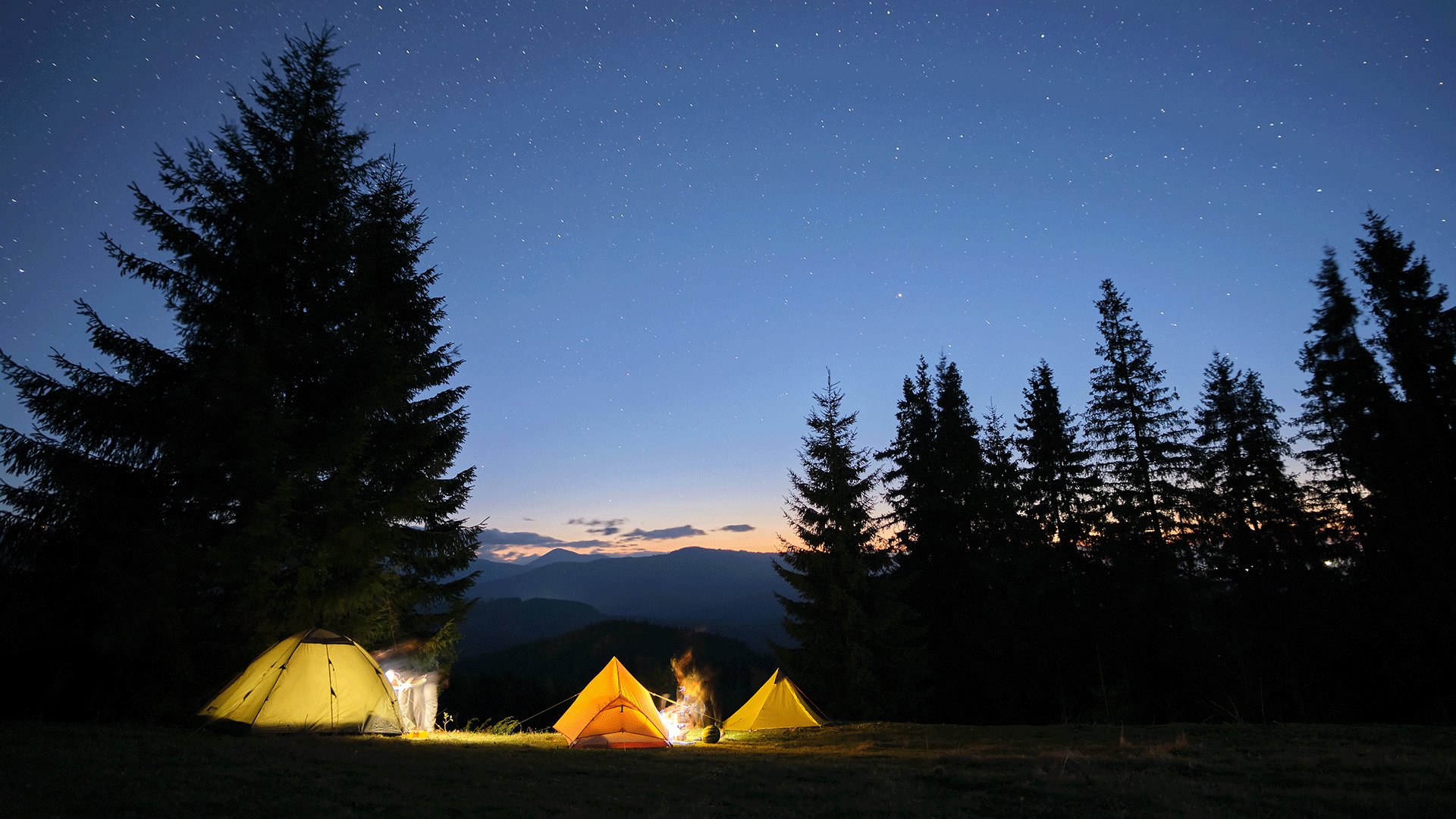
Managing Parks & Protected Areas
We study how visitors respond to management actions that protect night sky quality and how interpretation can improve nighttime experiences in parks and protected areas.
- Visitors show strong support for practical actions such as dimmer lighting, timers, shields, and wildlife-friendly lighting design.
- Visitors are especially interested in learning about astronomy and ways to improve dark sky viewing.
- Ranger-led programs are highly valued, while self-guided signage and smartphone apps also play an important role.

Mental Health Benefits
We examine how awe-based dark-sky experiences support emotional regulation, reflection, and well-being, especially among youth.
- Participants in the Skyward program reported strong experiences of slowed time, vastness, and calm.
- Dark-sky programming supported emotional awareness, reduced stress, and deeper reflection.
- The work points to a replicable youth model grounded in awe, structure, unplugging, and developmentally meaningful language.

Economic Value of Dark Skies
We quantify the economic importance of dark skies by linking night-sky quality to recreation behavior, willingness to pay, and welfare losses from degradation.
- Visitors are willing to pay for darker, clearer skies and better nighttime viewing conditions.
- Even modest degradation in night-sky quality can generate substantial aggregate welfare losses.
- This work provides a framework for incorporating dark skies into policy, planning, and natural capital accounting.
Partner with Us
The Dark Sky Cooperative’s research program depends on collaboration. We welcome partnerships with parks, communities, educators, health professionals, economists, and students to expand our understanding of dark skies and their benefits.
If you are interested in participating in future studies, contributing data, hosting fieldwork, or co-designing research projects, we would love to hear from you.