
John Goar: Helping People Meet the Night Sky with Wonder
John Goar, retired science teacher, volunteer astronomy educator, and longtime night-sky interpreter at Olympic National Park
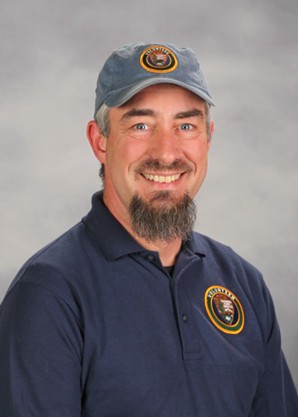
This month, the Colorado Plateau Dark Sky Cooperative is honored to spotlight John Goar, a retired science teacher, amateur astronomer, volunteer educator, and longtime night-sky interpreter at Olympic National Park. Through decades of public outreach, John has helped thousands of visitors encounter the night sky not only as something to observe, but as something to wonder at, care for, and protect. John’s work reminds us that dark-sky interpretation is deeply human. A telescope may reveal a galaxy, a cluster, or a cratered moon, but the deeper experience often happens in the conversation that follows: a child’s question, a family’s silence, a visitor’s tears, or the sudden realization that we belong to something vast.
Could you begin by telling us a little about yourself and how you first became connected to astronomy and night-sky interpretation?
I am a retired science teacher and became involved with telescopes in 2000. The Olympic Astronomical Society was foundational in fostering my love of amateur astronomy. As a project, some of my junior high students helped make a homemade 12.5-inch Dobsonian telescope in 2003, and I have used that scope in outreach activities ever since. I started the Olympic National Park Night Sky Programs at Hurricane Ridge in 2010 and have led programs each summer. The Dark Rangers at Olympic National Park have shared astronomy with over 21,000 visitors. Website: www.olympictelescope.com
You have helped introduce thousands of visitors to the night sky. What do you notice in people when they look through a telescope or stand under a truly dark sky for the first time?
I try to let each person relate in their own way to the dark skies at my programs. For most, looking through a telescope is a novel experience. I try to provide information at the level of the individual observer. Bryce Canyon Dark Ranger Kevin Poe reminds us to take the time to listen to visitors — their reactions and questions drive the direction of the conversation. The beauty of the objects viewed speaks for themselves.
Is there a particular visitor, conversation, or moment under the stars that has stayed with you over the years?
In 2022, there was a family visiting from Nashville, Tennessee. They were there a bit early, so I showed the 6-year-old girl, Julia, how to use a Telrad finder to point the telescope. Soon she was finding Antares and other stars all by herself. Later in the program, when viewing a distant galaxy, she told her parents, “When I grow up, I want to be an astronomer!” Her 4-year-old brother, Charlie, exclaimed, “Me, too!” It is so rewarding to engage people with the wonders of our universe.
What do you think makes the night sky such a powerful human experience?
Experiencing the night sky introduces us to immense scales that make the universe unimaginable — huge numbers of stars and huge distances involved. It invites people to ask those meaningful, deeper questions. It takes us out of our daily lives and makes us humble.
Many people describe dark-sky viewing as calming, humbling, or even healing. Have you seen that kind of response in your programs?
I have seen a huge spectrum of responses, from “Is that all there is?” all the way to tears flowing. Most are amazed by what they see, but I leave a space for those who find calm, humility, or healing.
How do you help people move from simply seeing the stars to feeling connected to them?
Our connection to the stars was a common experience before the light bulb. People in those times saw and related to a dark sky — it was familiar to all. Those skies have disappeared in areas where people make light pollution. At our programs, each night we tell a star story from various cultures around the world. We also introduce people to naked-eye planets, constellations, and the Milky Way.
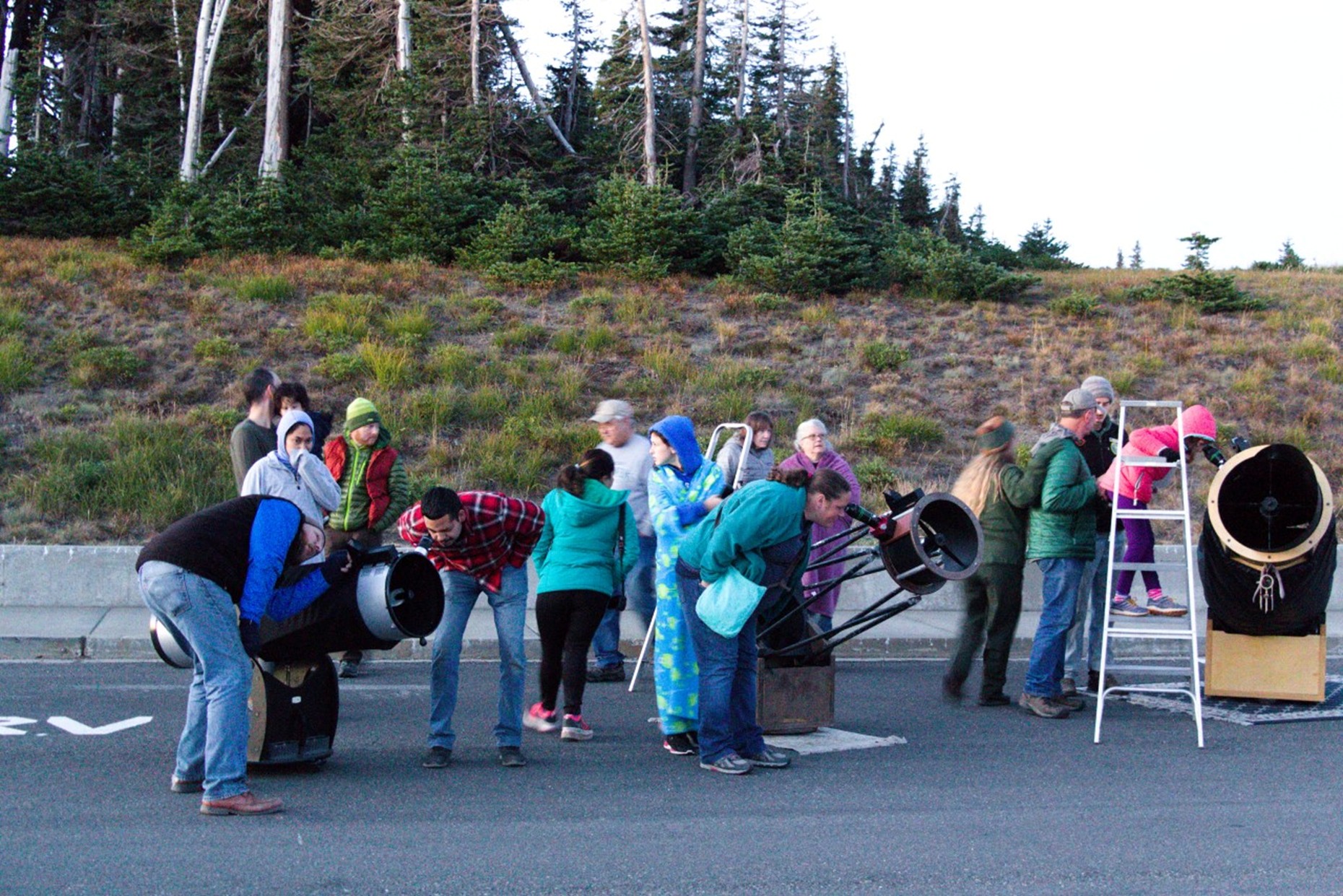
Visitors gather around telescopes during an astronomy outreach program at Hurricane Ridge in Olympic National Park.
What role do stories, constellations, moonlight, and shared silence play in helping people experience the night sky?
Since 2023, we have led moon-themed programs around a 10-day-old moon. There is an introduction to meditation, we sing moon songs, we tell stories, and consider what the Apollo missions taught us about lunar science. We also lead full moon hikes to Hurricane Hill.
You have given so much time as a volunteer and educator. What has this work given back to you?
I have always felt that it is a privilege to serve. Being around joyful people is its own reward.
What do you wish more communities understood about the emotional and cultural value of protecting dark skies?
A factor that impedes the fight for dark skies is that some people fear the dark. It is difficult for me to know how to help. Making people feel comfortable in the dark is critical.
As dark-sky tourism and public astronomy programs continue to grow, how can we keep the focus on meaningful human connection rather than just observation?
There is human connection to astronomy, but I find that the stewardship responsibility toward the animals and plants of our planet is an even stronger motivating factor for me when I think about the consequences of light pollution. I want dark skies so that the 13 million birds that migrate over Kitsap County, where I live, can do so safely. So that pollinators can do their work. So that the sacred life on Earth can prosper with the natural light/dark cycles that they are adapted to. 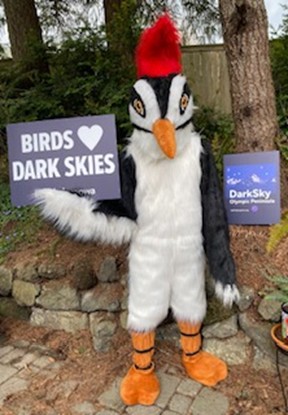
Dark-sky protection supports more than human wonder. It also protects wildlife, migration, pollinators, and the natural light-dark cycles life depends on.
What advice would you give to someone who wants to help others experience the night sky in a deeper way?
The most moving nightscapes are found under pristine skies. If you are able, travel to the Colorado Plateau, Big Bend, or Kalaloch on the Washington coast and see Bortle 1 skies.
When people step outside this month and look up, what would you invite them to notice?
This month: Can you spot Leo? Leo, Virgo, and Coma Berenices are where I like to explore in the spring. This galaxy-rich sky disappears very quickly with the increasing day length of the summer equinox approaching — get it while you can.
John’s work reminds us that protecting dark skies is not only about astronomy. It is about wonder, humility, wildlife, cultural memory, and the shared human experience of looking up together.