
Welcome to the Dark Sky Passport
How Does the Dark Sky Passport Work?
- Go to a Dark Sky Place, or any place where you can see the stars
- Enjoy the great outdoors at night and connect with the cosmos
- Complete the activities in the Dark Sky Passport
- For each Dark Sky Place you visit:
- Describe your experience (see pages in the back of the Passport)
- Stamp your Passport with a Dark Sky Passport Stamp
- Share your dark sky experience with us and receive your:
SEE THE DARK SKY PASSPORT
Want to order a new Dark Sky Passport?
- Email us at DarkSkyPassport@usu.edu
- Tell us your name, mailing address, the number of passports you need, and where you plan to use it.
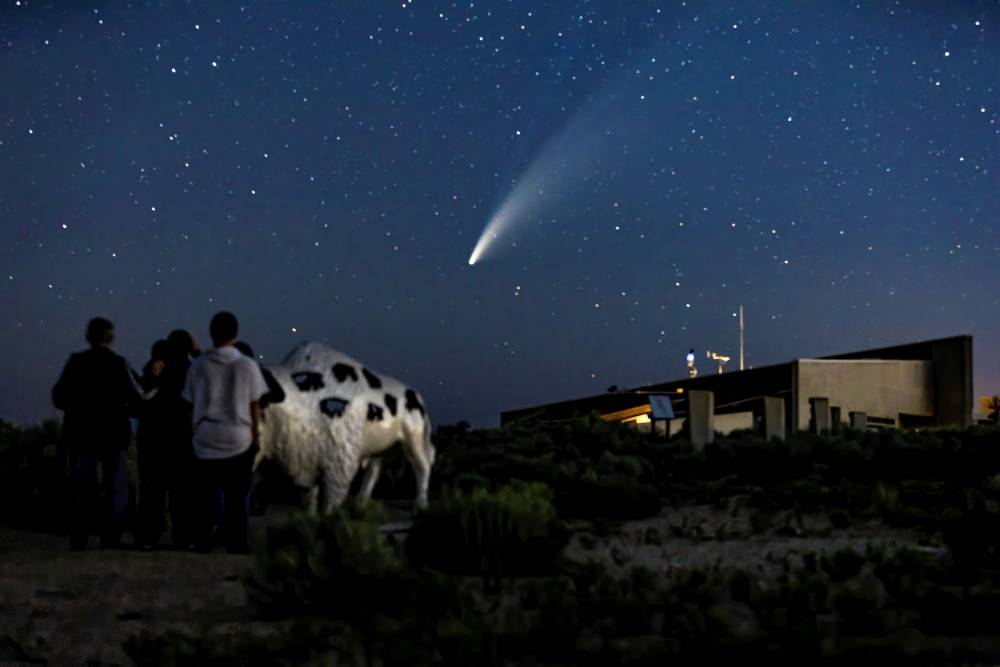
Family viewing the Neowise Comet over Antelope Island State Park
Photo Credit: Ryan Andreasen
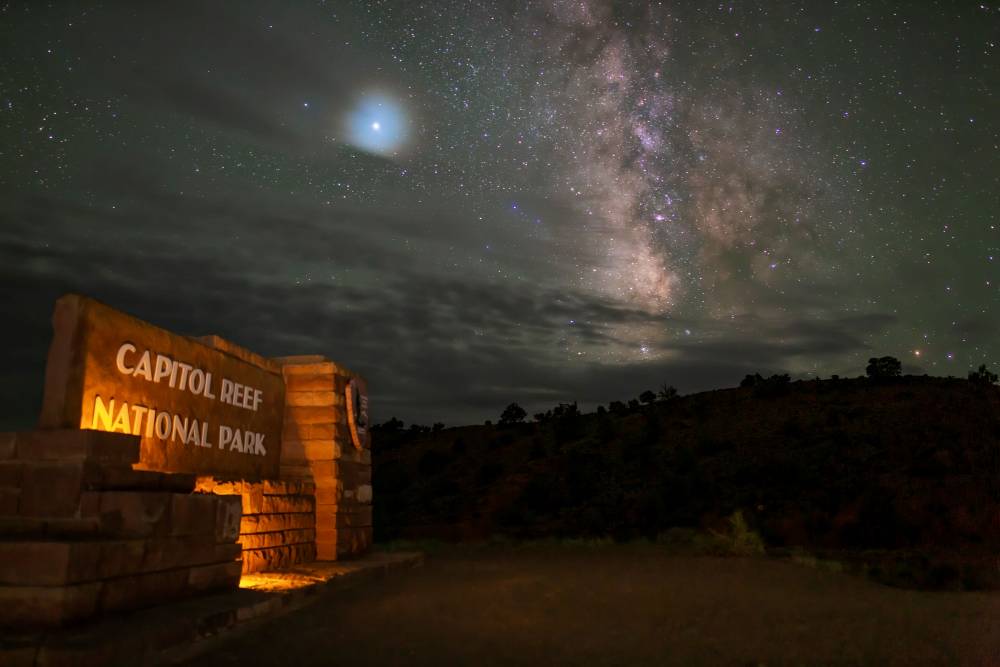
Milky Way over Capitol Reel National Park
Photo Credit: Ryan Andreasen
What Is a Dark Sky Place?
Dark Sky Places are parks, communities, and other areas committed to keeping night skies naturally dark by using “night-friendly” outdoor lighting pointing downward and away from neighbors.
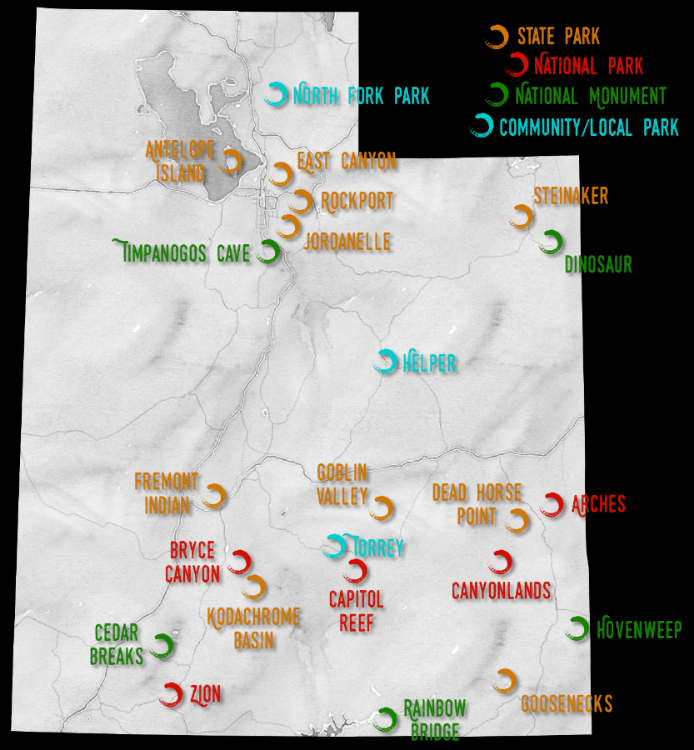
Utah has more certified Dark Sky Places than any other state as recognized by DarkSky International, with 11 National Park units, 10 State Parks, 2 Communities, and 1 County Park.
Utah is famous for spectacular landscapes, an abundance of public land, and amazing dark skies. With good weather, the night skies can cover you in a blanket of stars. Many National and State Parks have astronomy programs that teach about the wonders of the night sky.
Dark Sky Places of Utah
NATIONAL PARKS
Arches NP
Bryce Canyon NP
Canyonlands NP
Capitol Reef NP
Zion NP
NATIONAL MONUMENTS
Timpanogos Cave NM
Dinosaur NM
Hovenweep NM
Cedar Breaks NM
Rainbow Bridge NM
Natural Bridges NM
STATE PARKS
Antelope Island SP
East Canyon SP
Rockport SP
Jordanelle SP
Steinaker SP
Goblin Valley SP
Dead Horse Point SP
Fremont Indian SP
Kodachrome Basin SP
Goosenecks SP
COMMUNITIES & LOCAL PARKS
Helper, UT
Torrey, UT
North Fork Park
Planning your Dark Sky Trip
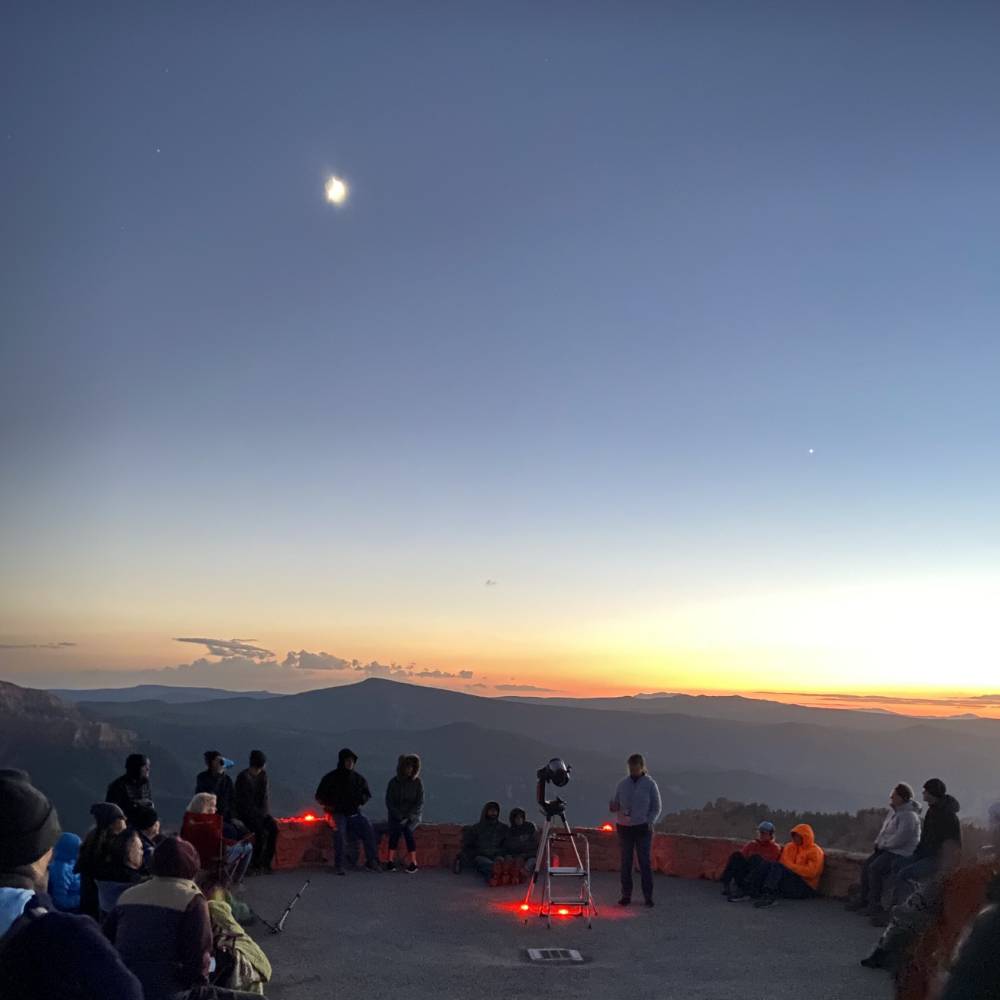
Night Sky Program at Cedar Breaks National Monument
Photo Credit: Matthias Schmitt
Stargazing Tips
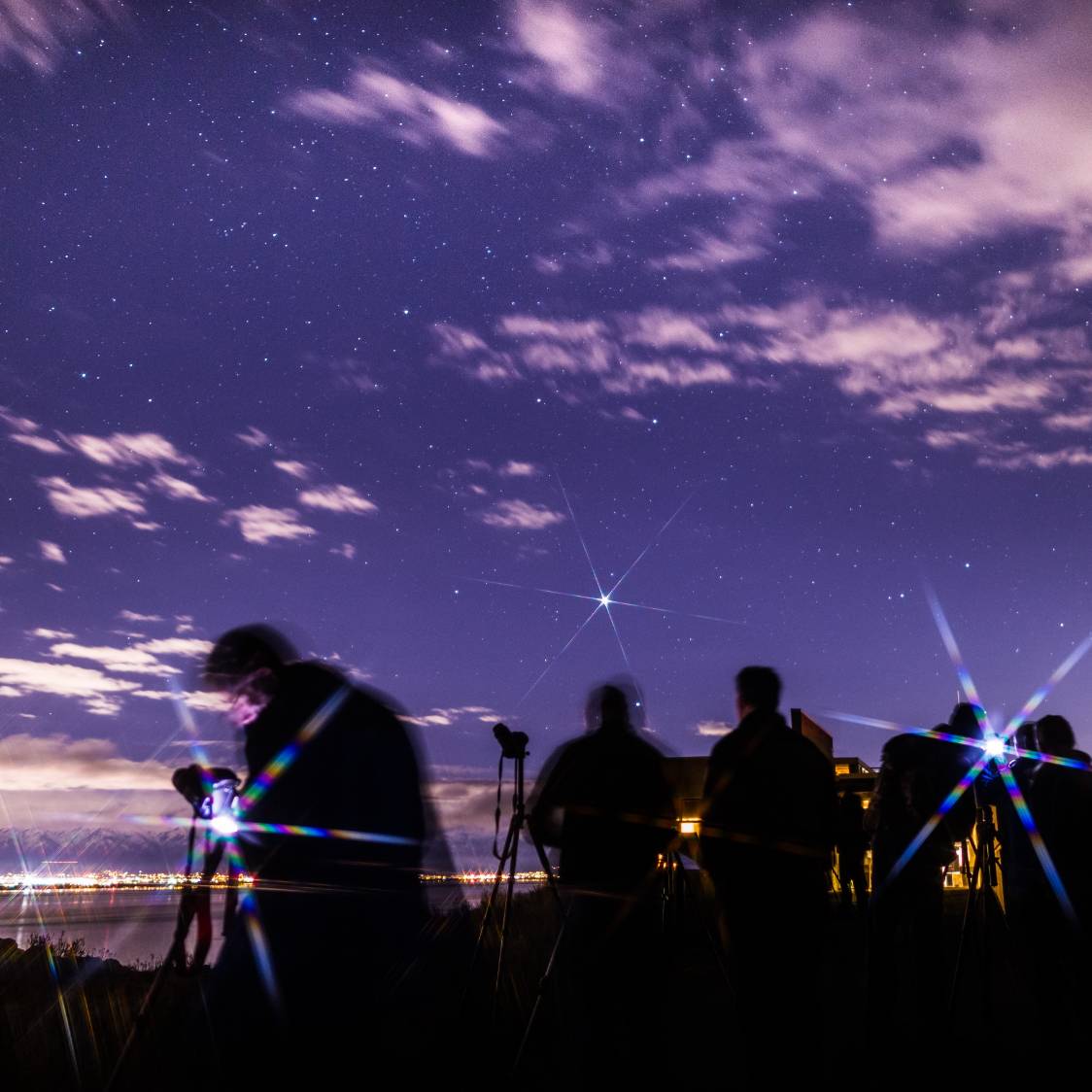
Astrophotography event at Antelope Island State Park
Photo Credit: Bettymaya Foott
Finding a Star Party
-
Utah State Parks: Utah State Park Sky Events & Programs
-
National Parks: the events page on any National Park’s website
-
At Public Observatories or Planetariums
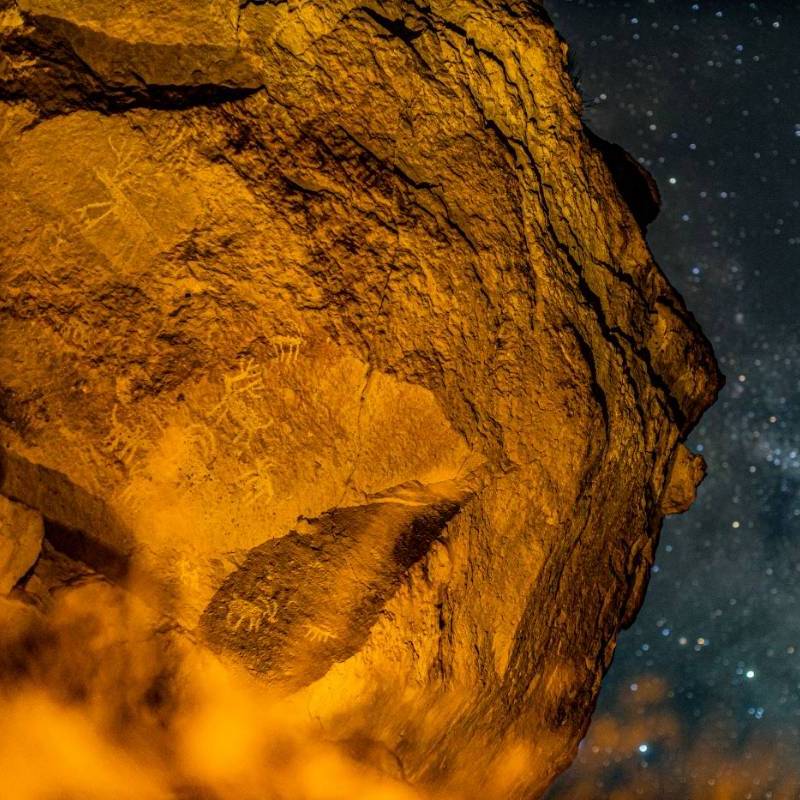
Petroglyph Site at Freemont Indian State Park
Photo Credit: Ryan Andreasen
Following the Stars with Timelapse Photography
Star party at Antelope Island State Park
Photo Credit: Ryan Andreasen
Mesa Arch, Canyonlands National Park
Photo Credit: Ryan Andreasen
Activities To Do At Home
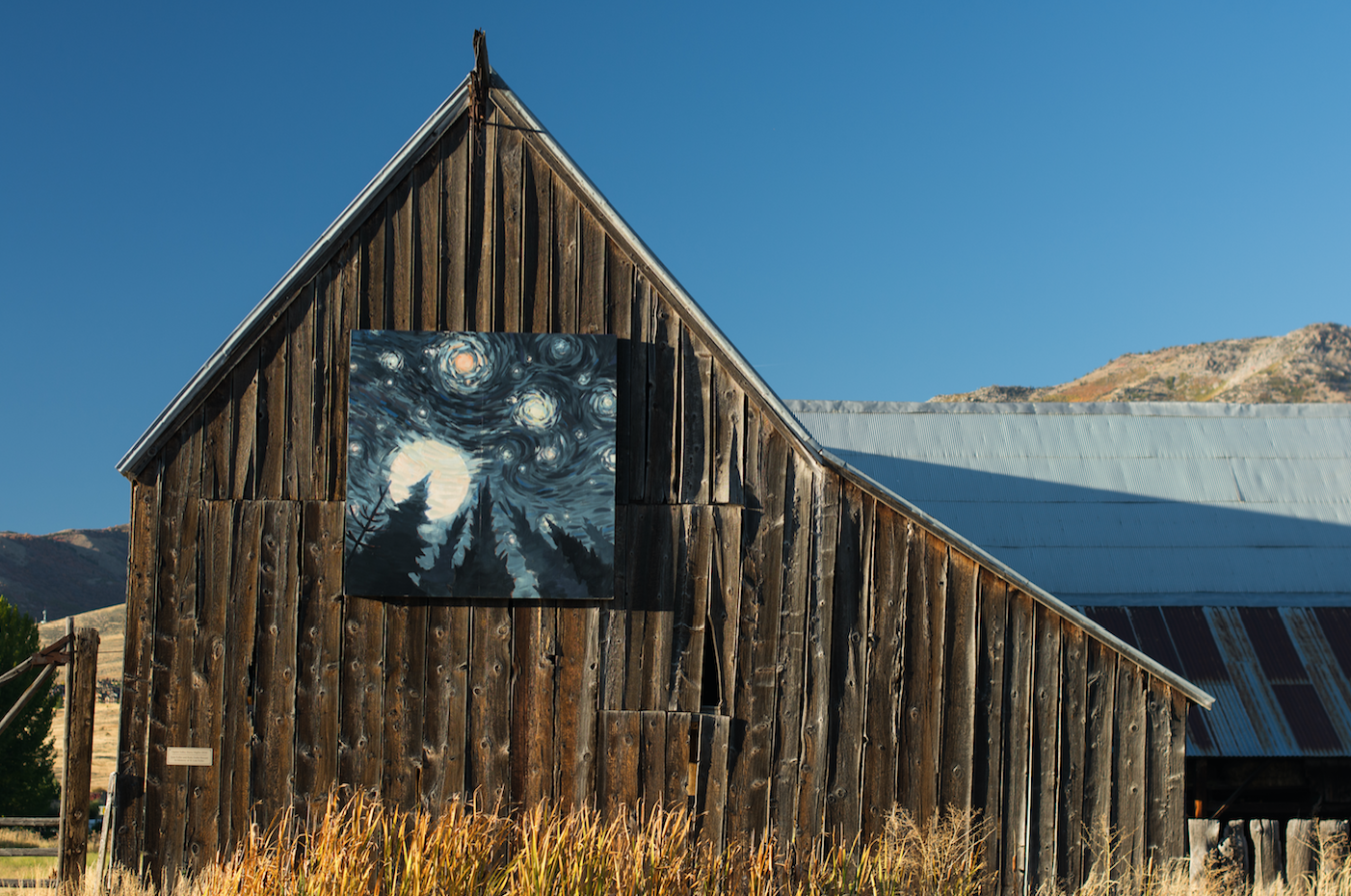
Fuller Barn, Eden, Utah Photo Credit: Janet Muir
Have You Ever Wondered?
What's the closest star to Earth?
How many stars make up the Milky Way galaxy?
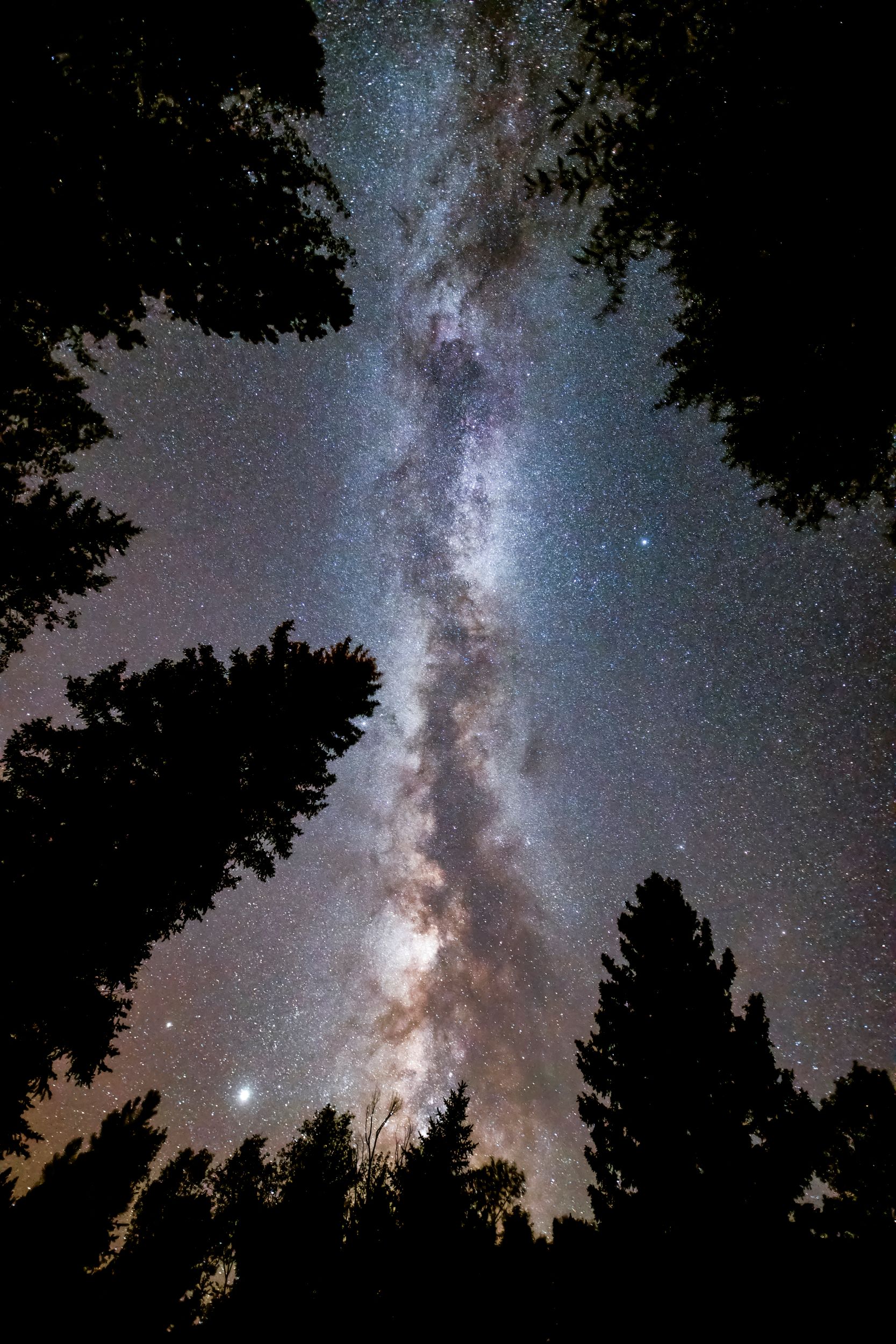
Milky Way over Boulder Mountain, Dixie National Forest
Photo Credit: Ryan Andreasen
Finding the North Star
The North Star, also known as “Polaris,” and several well-known constellations can be seen year-round. The Big Dipper, the Little Dipper, and Cassiopeia are all “circumpolar constellations,” meaning they never set below the horizon and appear to move around the “fixed” North Star. As the Earth rotates on its axis from west to east, these constellations appear to move counterclockwise or backwards, from the real rotation of the earth.
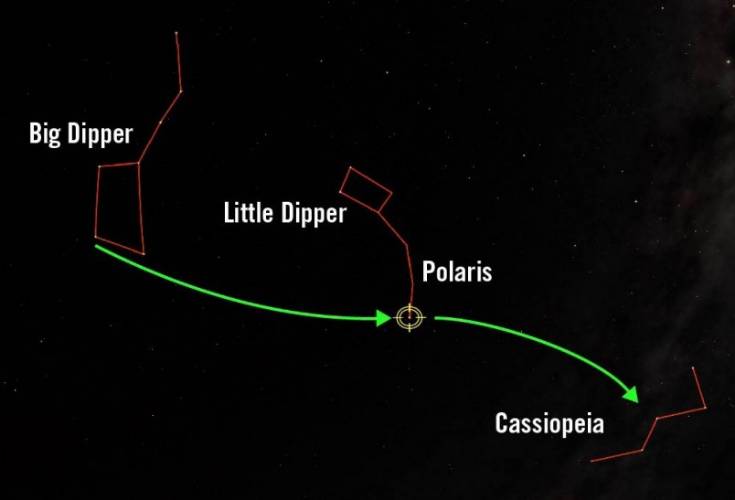
The Big Dipper, the Little Dipper, and Cassiopeia are all circumpolar constellations that rotate around the North Star.
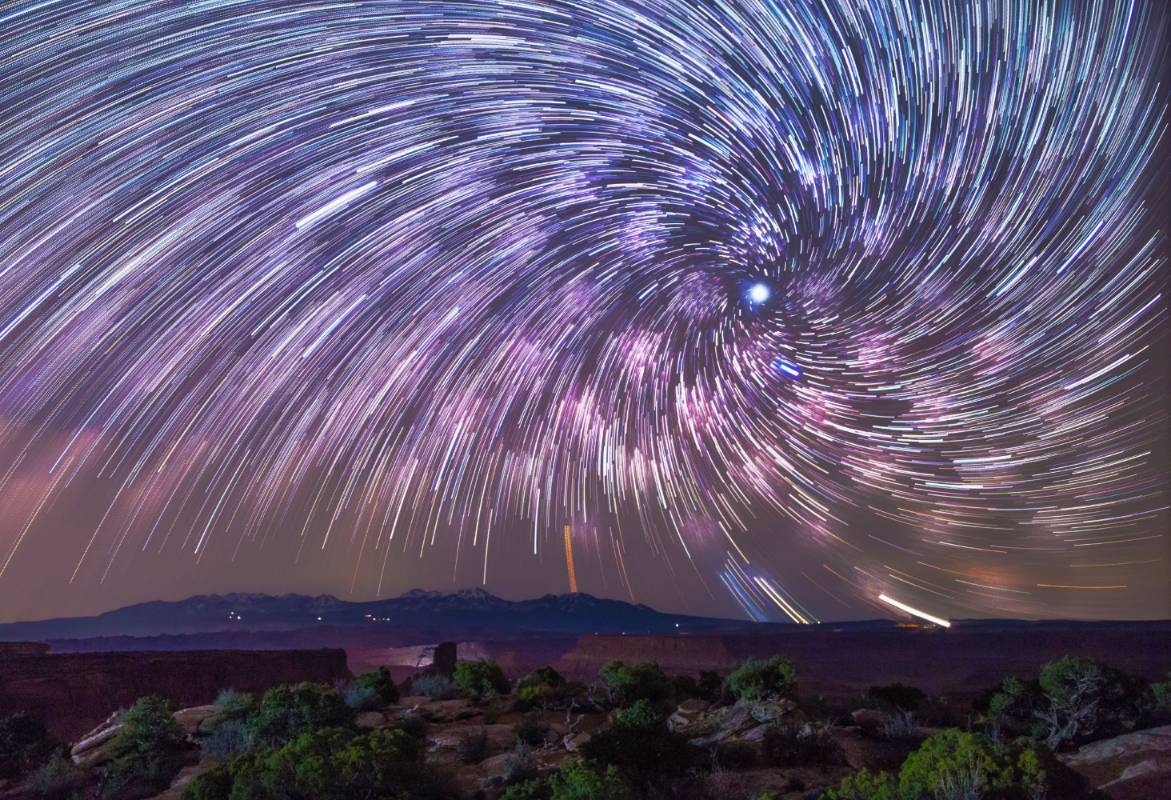
Star trails over La Sal Mountains, Moab, Utah, looking north
Photo Credit: Bettymaya Foott
Why Should We Care about Dark Night Skies?
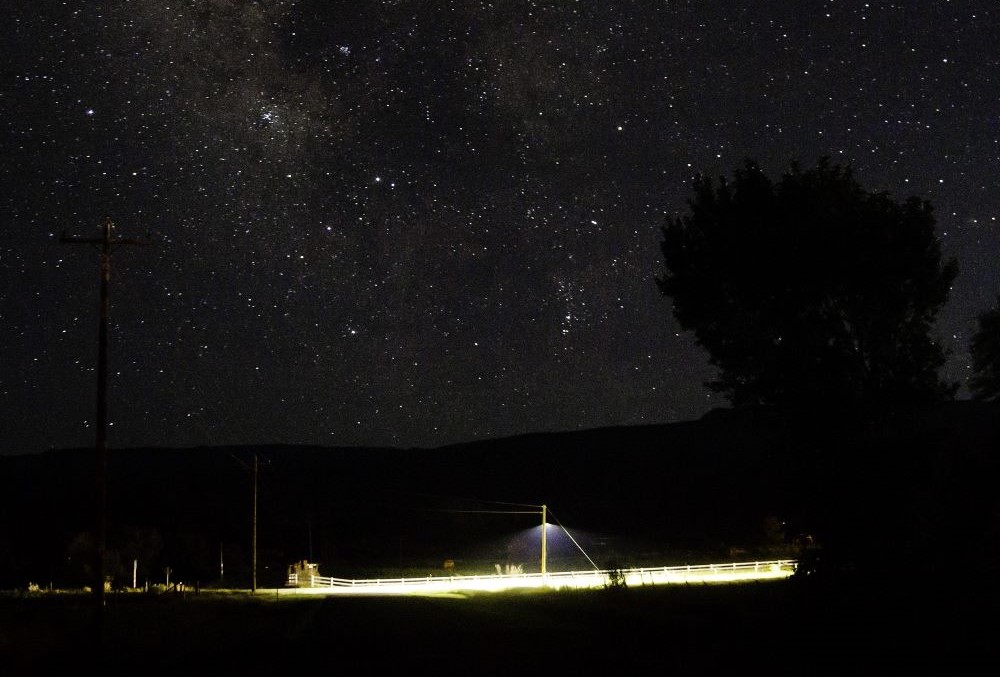
Stars over a new street light
5 Reasons Dark Skies are Important:
-
Saves energy
-
Supports human health
-
Supports ecosystems and wildlife that depend on dark skies
-
Well designed outdoor lighting can improve public safety
-
Stargazing is an activity people of all ages can enjoy
Learn more about Light Pollution
-
Losing the Dark (video produced by DarkSky International and Loch Ness Productions)
What can you do to protect Dark Skies?
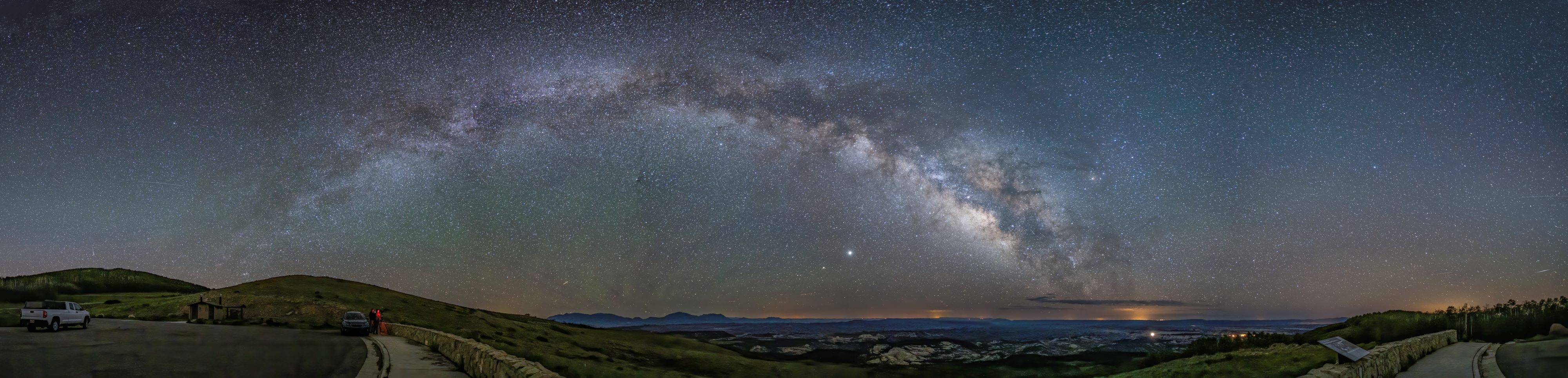
Milky Way over the Dixie National Forest
Photo Credit: Ryan Andreasen
Credits:
Funding for the Dark Sky Passport Program: USU Extension, Institute of Outdoor Recreation and Tourism
Program Partners: National Park Service, DarkSky International, State Parks, Utah Office of Tourism, Utah Division of Outdoor Recreation
Scientific Illustrator: Rob Soto (www.rob-soto.com/)
Photographers: Ryan Andreasen, Bettymaya Foott, Matthias Schmitt, Janet Muir