Basecamp Community Exchanges

Focused, one-day gatherings for applied learning, peer exchange, and community problem solving.

Focused Learning on Pressing Issues

The Basecamp Community Exchanges are one-day, topic-focused events for people working across outdoor recreation, tourism, public lands, local government, and community development in the American West.

Each exchange is practical and interactive. Participants will learn from experts, work through real-world examples, explore useful tools and data, and connect with peers facing similar challenges.

Why Community Exchanges?

Communities learn best when they have access to good information, practical tools, and trusted spaces for exchange. These events provide usable frameworks, data-informed resources, and durable peer connections.


Who Should Attend and What You Will Gain

Who Should Attend

  • Elected officials
  • City, county, and regional planners
  • Public land and recreation managers
  • Tourism and destination professionals
  • Economic development staff
  • Nonprofit and community organization staff
  • Business leaders and entrepreneurs
  • Extension professionals
  • University faculty, staff, and students
  • Community members interested in recreation, tourism, and resilience

No advanced technical background is required.

What Participants Will Gain

  • Guidance from researchers, practitioners, and community leaders
  • Practical tools, datasets, and decision-support resources
  • Connections between recreation, tourism, infrastructure, resilience, and quality of life
  • Strategies that can be adapted locally
  • Relationships with peers working on similar issues
  • Access to emerging communities of practice

October 2026 Exchange Topics

Each exchange focuses on one applied challenge facing outdoor recreation and tourism communities.

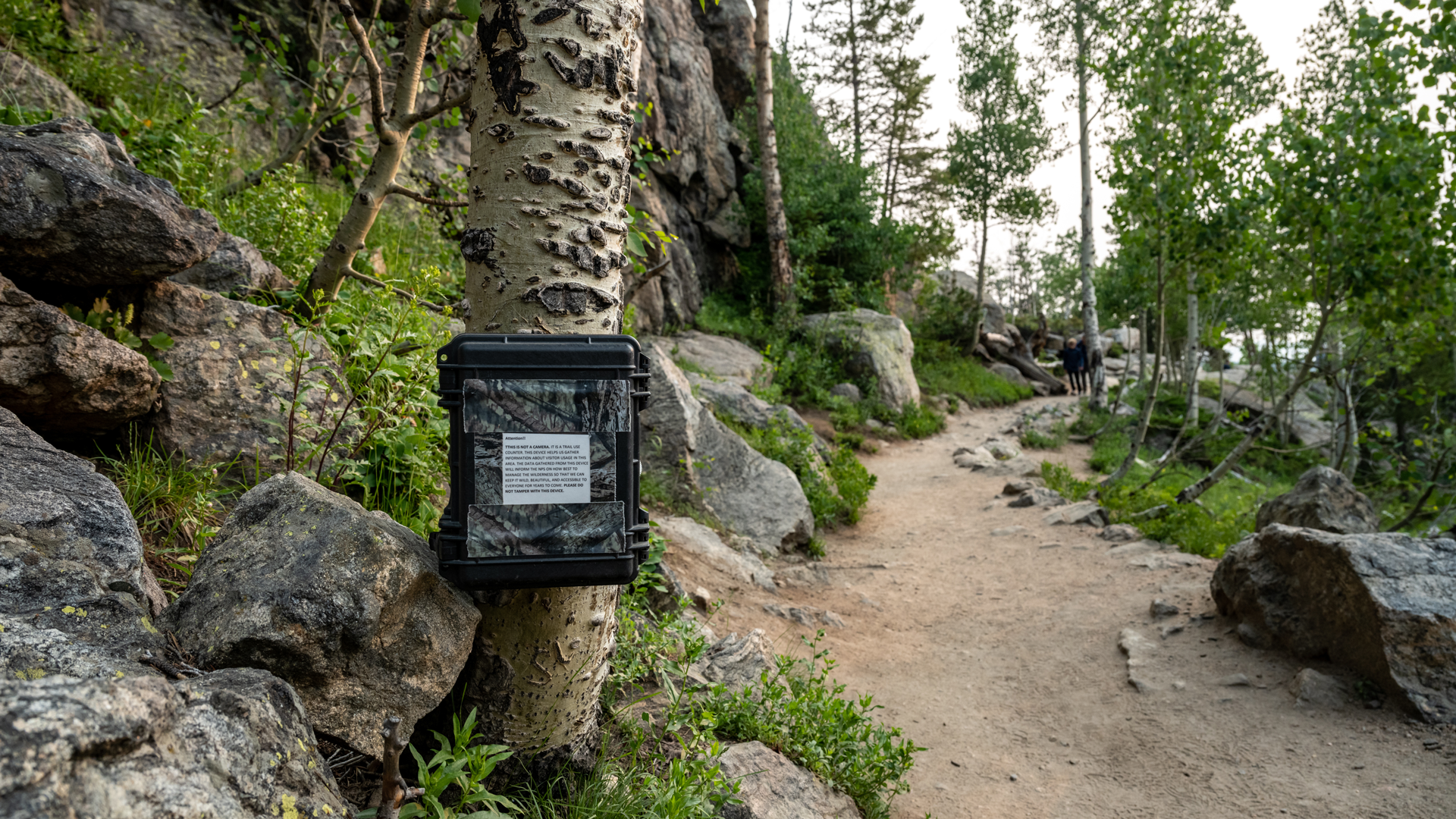
Trail counter and visitors on a public trail used for visitor use monitoring

Visitor Use Monitoring & Management

Learn how to measure recreation use on trails, campgrounds, rivers, parks, pavilions, and open spaces, then use those data to support management, funding, and economic benefit estimates.

Details

Date, Time, and Location

  • Wednesday, October 7, 2026
  • 8am - 5pm (lunch included; afternoon field-based session)
  • Utah Valley University Wasatch Campus (3111 N College Wy, Heber City, UT 84032)

Instructors

  • Chase C. Lamborn, Ph.D.
  • C. J. Blye, Ph.D.

Learning Objectives

  • Learn how and why to measure visitation.
  • Use visitor data to estimate economic benefit and return on investment.

Participant Takeaways

  • Practical monitoring methods.
  • Examples from multiple recreation settings.
  • Frameworks for connecting use data to ROI.
  • Guidance on supporting grants and infrastructure proposal development
  • Peer connection around recreation data

Cost

  • Early bird: $175 per person (before September 9)
  • Regular: $225 per person

 
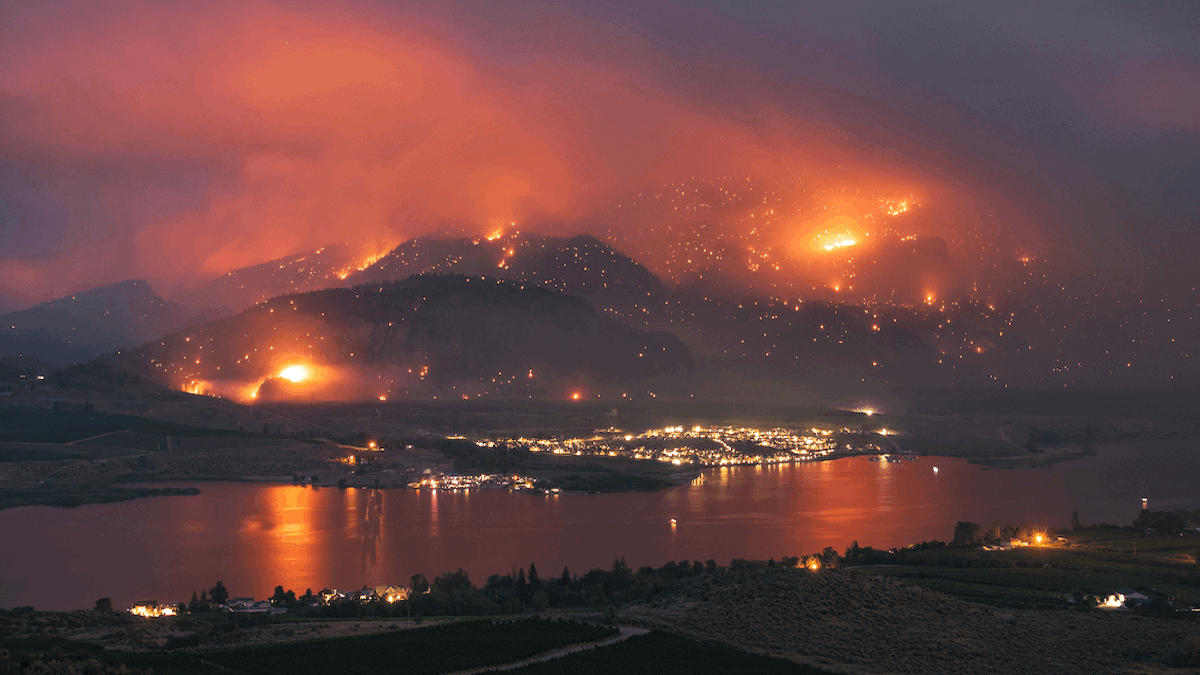
Gateway community neighborhood near public lands with surrounding forested wildfire risk area

Wildfire Risk and Housing in Gateway Communities

Explore how wildfire risk affects insurance, property values, housing, and land use decisions in gateway communities, with attention to practical planning and policy  responses.

Details

Date, Time, and Location

  • Thursday, October 8, 2026
  • 8am - 5pm (lunch included; afternoon field-based session)
  • Utah Valley University Wasatch Campus (3111 N College Wy, Heber City, UT 84032)

Instructors

  • Elizabeth Sodja, AICP
  • Jordan W. Smith, Ph.D.
  • Jake Powell, 

Learning Objectives

  • Understand how wildfire risk affects insurance markets and property values in your community.
  • Learn how to integrate wildfire-resilient land use planning into local decisions.

Participant Takeaways

  • Clearer understanding of risk, insurance, and housing connections.
  • Practical planning concepts.
  • Examples for land use decisions.
  • Tools for engaging officials, residents, and developers.
  • Peer network focused on hazards and housing.

Cost

  • Early bird: $175 per person (before September 9)
  • Regular: $225 per person

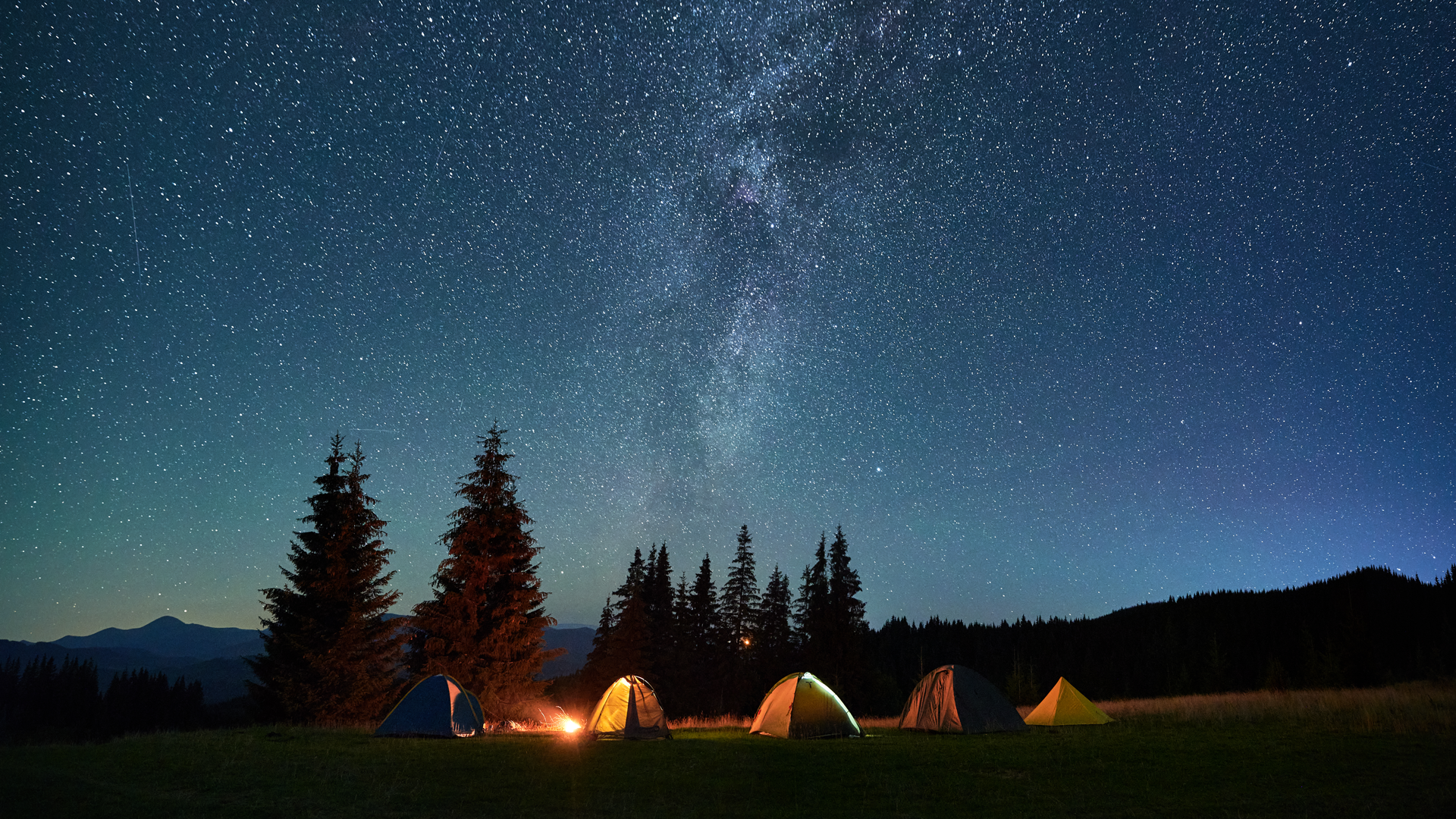
Participants at a dark sky event looking at stars through telescopes

Astrotourism Development and Dark Sky Education

Learn how communities can protect night skies, promote responsible astrotourism, and design public programs that support restoration, reflection, and well-being.

Details

Date, Time, and Location

  • Friday, October 9, 2026
  • 8am - 5pm (lunch included)
  • Utah Valley University Wasatch Campus (3111 N College Wy, Heber City, UT 84032)

Instructors

  • Jordan W. Smith, Ph.D.
  • Troy Allan, Ed.D.

Learning Objectives

  • Learn about the economic value of dark skies in your community, including for tourism and community branding.
  • Learn how to lead dark sky events focused on restorative mental health.

Participant Takeaways

  • Understanding of dark skies as an economic, community, and quality-of-life asset.
  • Approaches for communicating the value of dark skies to local leaders and partners.
  • Ideas for developing responsible astrotourism programs.
  • Guidance for designing night sky events that support restoration, reflection, and mental health.
  • Connections with communities working on dark sky protection and astrotourism.

Cost

  • Early bird: $175 per person (before September 9)
  • Regular: $225 per person

Building Durable Communities of Practice

Basecamp Community Exchanges support continued learning, stronger relationships, and coordinated action beyond the event.

Intended Outcomes

  • Better-informed local decisions
  • Stronger cross-sector relationships
  • More effective use of data and evidence
  • Shared tools and resources
  • New partnerships
  • Continued peer learning

Hosted By

Logo for the Institute of Outdoor Recreation and Tourism