
Understanding and Supporting Youth Affected by Trauma and Stress

Key Takeaways
- Adverse childhood experiences can affect brain development, attention, and ability to cope with emotions, relationships, and stress.
- Caring adults can help buffer adversity’s effects and promote resilience.
- Adults can listen carefully before responding, provide choices and routines, stay calm in difficulties, celebrate strengths and effort, and encourage healthy connections with others.
Adults who work with youth are central to creating environments where young people feel safe, supported, and able to succeed. However, some youth have experienced stress, adversity, or trauma that can make it more difficult for them to feel safe, connected, and successful. By learning how to support youth with compassion and consistency, caring adults can help buffer the effects of adversity and promote resilience (Bethell et al., 2019).
Youth today are navigating a variety of stressors, and many have experienced adverse childhood experiences (known as ACEs), such as family instability, loss, bullying, or exposure to violence (Centers for Disease Control and Prevention [CDC], 2024). These experiences can affect brain development, emotional regulation, behavior, attention, relationships, and the ability to cope with stress (Shonkoff et al., 2012).
Youth who have experienced trauma may have difficulty focusing, overreact to small challenges, withdraw from others, or test limits. These behaviors are often stress responses rather than intentional misbehavior. Supportive, caring adults can play an important role in helping youth feel safe, build trust, and develop resilience.
What Caring Adults Can Do
Build Emotional Safety
Caring adults can create safe, predictable environments that support healing from trauma. Small, consistent actions make a meaningful difference in how youth feel and respond.
- Build predictable routines. When places outside the home are predictable, youth are more likely to know what to expect and feel safe. Predictability is both a promotive factor (enhancing positive outcomes) and a protective factor (buffering the effects of adversity) for youth (Doom et al., 2024).
- Offer meaningful choices. Offering choices gives youth a sense of control and empowerment (Pennsylvania State University Extension, 2016). Even small choices, such as choosing an activity or where to sit, can help restore those feelings.
- Stay calm and consistent when challenges arise. A steady, calm response from adults can de‑escalate tense situations and show youth that big emotions can be managed safely.
- Listen with empathy before correcting. Listening carefully and reflecting what you hear communicates respect and understanding. Guidance and correction are more effective when youth feel heard rather than judged.
- Notice strengths and celebrate effort. Pointing out strengths, positive choices, and progress helps youth see themselves as capable and resilient, rather than defined by their challenges.
- Encourage connection with peers and trusted adults. Social connectedness is essential for health, well-being, and overall youth development (Blum et al., 2022). These relationships help youth develop trust, self‑worth, and confidence to navigate challenges more effectively.
Respond Appropriately to Crises
Sometimes youth may share concerns related to self-harm, suicide, abuse, or safety. When this happens, adults should respond calmly, take concerns seriously, and follow organizational policies and reporting procedures.
Adults can support youth by:
- Thanking youth for sharing their concerns.
- Avoiding promises of confidentiality and explaining that some safety concerns may need to be shared to help keep youth safe.
- Involving appropriate professionals or caregivers when needed.
- Contacting emergency services if there is immediate danger.
Practice Self-Care
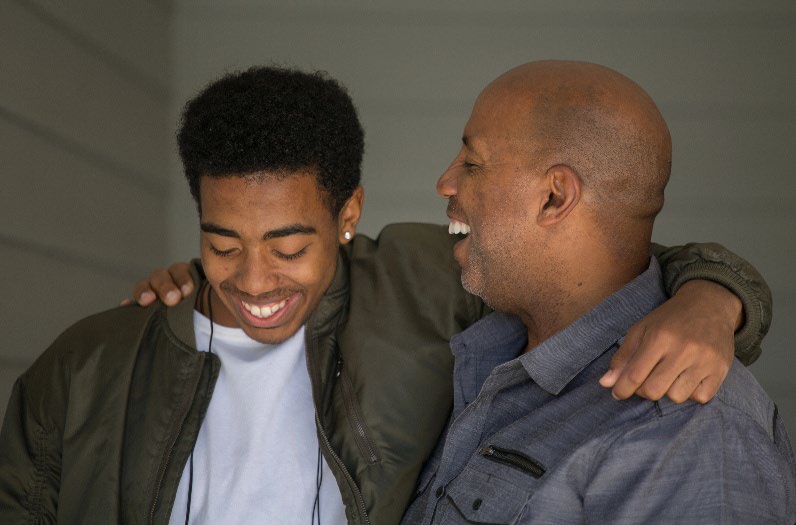
Supporting youth can be meaningful, but it can also be emotionally demanding. Adults who work with youth should prioritize their own well-being so they can remain present, patient, and effective in their role (National Child Traumatic Stress Network, 2011).
Helpful self-care practices may include:
- Taking short breaks when needed.
- Connecting with trusted colleagues or supervisors.
- Maintaining healthy work-life boundaries.
- Prioritizing rest, nutrition, movement, and stress management.
Adults who work with youth are not expected to serve as therapists or mental health professionals. Instead, their role is to create safe, supportive, and consistent environments where all young people can thrive. By listening with empathy, establishing predictable routines, maintaining healthy boundaries, and building trusting relationships, adults can help build a sense of safety and belonging that supports resilience and healthy development.
Utah Resources
National Hotlines
Websites With More Information
- CDC Violence Prevention: Adverse Childhood Experiences
- Substance Abuse and Mental Health Services Administration (SAMHSA): Concept of Trauma and Guidance for a Trauma-Informed Approach
- SAMHSA: Trauma-Informed Approaches and Programs
References
Acknowledgments
The authors did not use generative AI in creating this content, and it is solely the work of the authors.
August 2026
Utah State University Extension
Peer-reviewed fact sheet
Authors
Cara Murray, Anna Gilliam, Jared Hawkins, and Christina Pay

Cara Murray
Professional Practice Extension Assistant Professor | Health and Wellness | 4-H | Uintah County Director
Home and Community

Anna Medina-Gilliam
Extension Assistant Professor | Home and Community | Sevier County
Home and Community

Jared Hawkins
Extension Assistant Professor | Summit County

Christina Pay
Extension Associate Professor | Family & Consumer Sciences | Carbon County
Home and Community Department