
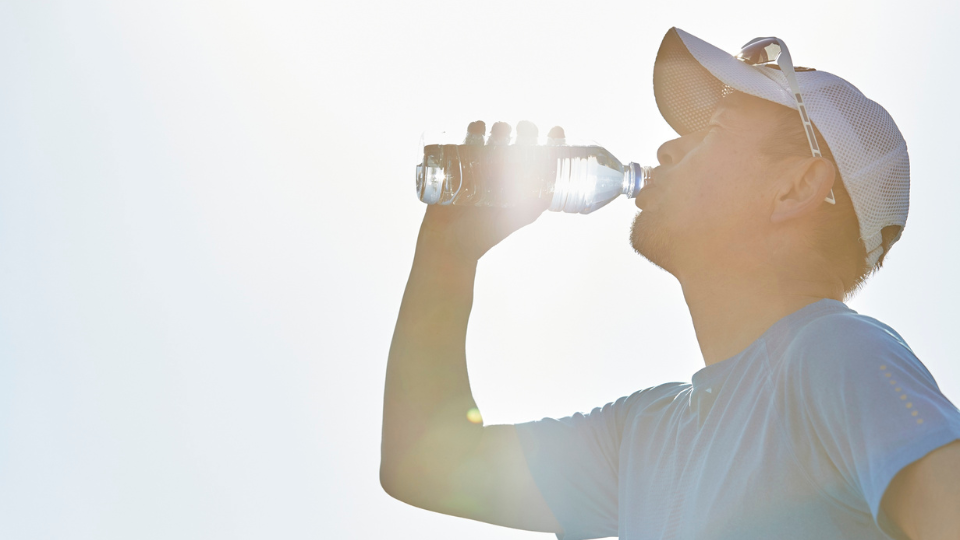
Staying hydrated throughout the day is essential for managing good health and bodily functions, like aiding digestion, providing more energy, helping the kidneys and liver remove waste products, and decreasing joint pain. Experts recommend getting about 11.5 cups-15.5 cups of liquid throughout the day from a variety of beverages and foods, but the amount can depend on factors like age, health, activity level, and weather.
While water is still the go-to beverage for proper hydration, there have been several studies over the years that researched the benefits of other types of beverages at hydrating those who are engaging in intense activities because they can help replenish electrolytes lost through sweat. Electrolytes are minerals that help the body perform important functions, including muscle contraction, regulating heartbeat, and maintaining healthy fluid levels. These get lost through sweat through doing high-intensity work, illness, or extreme heat, but many electrolytes are replenished through eating a variety of foods throughout the day and may be enough for low or moderate intensity activities.
There is some variety as to what are considered “the most hydrating” beverages, so let’s talk about four that show up regularly in online sources.
- Milk: Whether it’s cow’s milk or milk alternatives, milk contains protein, fat, carbohydrates (sugar), and some electrolytes, which some studies suggest hydrates people better and supports muscle recovery after heavy exercise. Several studies found some benefits of plain and chocolate milk, but the sample sizes were small and participants were healthy, young men who were regularly active.
- Coconut water: Coconut water (the clear liquid inside coconuts) contains several electrolytes including sodium and potassium, and unflavored varieties are low in added sugar and calories. Some studies have found it to be just as effective as electrolyte drinks in rehydrating after heavy exercise, making it a popular option as a post-workout recovery beverage. However, nutrition experts say it doesn’t provide any more benefits than water for those engaging in light to moderate exercise; most electrolytes are replenished through a healthy overall diet; and variable amounts of sugars, electrolytes, and other nutrients are found across brands.
- Tart cherry juice: Several meta-analyses looked at the benefits of supplement, juice, and powdered forms on muscle soreness, recovery, and endurance after heavy exercise with mixed findings. This might in part be due to its high antioxidant content and seems to work best when taken over the course of a few days prior to heavy activity.
- Electrolyte-infused drinks/hydration drinks: Different from sports drinks, these are water products infused with electrolytes like sodium, potassium, and magnesium, and are usually low in sugar. These beverages can help someone who is engaging in high-intensity activity replenish lost sodium through sweating, but not carbohydrates.
What is the final takeaway? Enjoying these occasionally when you truly need them after a heavy workday or a long hike can be beneficial, but dietitians and nutrition experts continue to recommend water as the best option to drink throughout the day because it’s low calorie, available everywhere, and many foods eaten throughout the day help replenish lost electrolytes and nutrients anyway. However, if you would like to try any of these alternative options, consider your dietary needs, allergies or intolerances, health conditions, taste/preference, and cost.
References
- National Council on Aging. (2025). 10 reasons why hydration is important. https://www.ncoa.org/article/10-reasons-why-hydration-is-important/
- Mayo Clinic Staff. (2026). Water: How much should you drink every day? https://www.mayoclinic.org/healthy-lifestyle/nutrition-and-healthy-eating/in-depth/water/art-20044256
- Stencel, C. (2004). Report sets dietary intake levels for water, salt, and potassium to maintain health and reduce chronic disease risk. National Academy of Sciences. https://www.nationalacademies.org/news/report-sets-dietary-intake-levels-for-water-salt-and-potassium-to-maintain-health-and-reduce-chronic-disease-risk
- Oliveira, N. (2025). Electrolyte drinks. Harvard T.H. Chan School of Public Health. https://nutritionsource.hsph.harvard.edu/electrolyte-drinks/
- van Thomme, G. (2024). Electrolytes 101: What to know. University of Texas MD Anderson Cancer Center. https://www.mdanderson.org/cancerwise/electrolyte-101-what-to-know.h00-159699912.html
- Brown, S. (2026). Milk vs. water: Which hydrates you better? VeryWell Health. https://www.verywellhealth.com/milk-vs-water-hydration-12012687#citation-6
- DiGiacinto, J. & Spritzler, F. (2026). 7 science-backed benefits of coconut water. Healthline. https://www.healthline.com/nutrition/coconut-water-benefits
- Wolfram, T. (2017). Coconut water: Is it what it's cracked up to be? Academy of Nutrition and Dietetics. https://www.eatright.org/health/wellness/diet-trends/coconut-water-is-it-what-its-cracked-up-to-be
Author
Gabriela Murza, MS, MCHES®, Professional Practice Extension Associate Professor, Health and Wellness/HEART Initiative