Reflections & Takeways from Basecamp 2024
By: Elizabeth Sodja, GNAR Initiative Coordinator
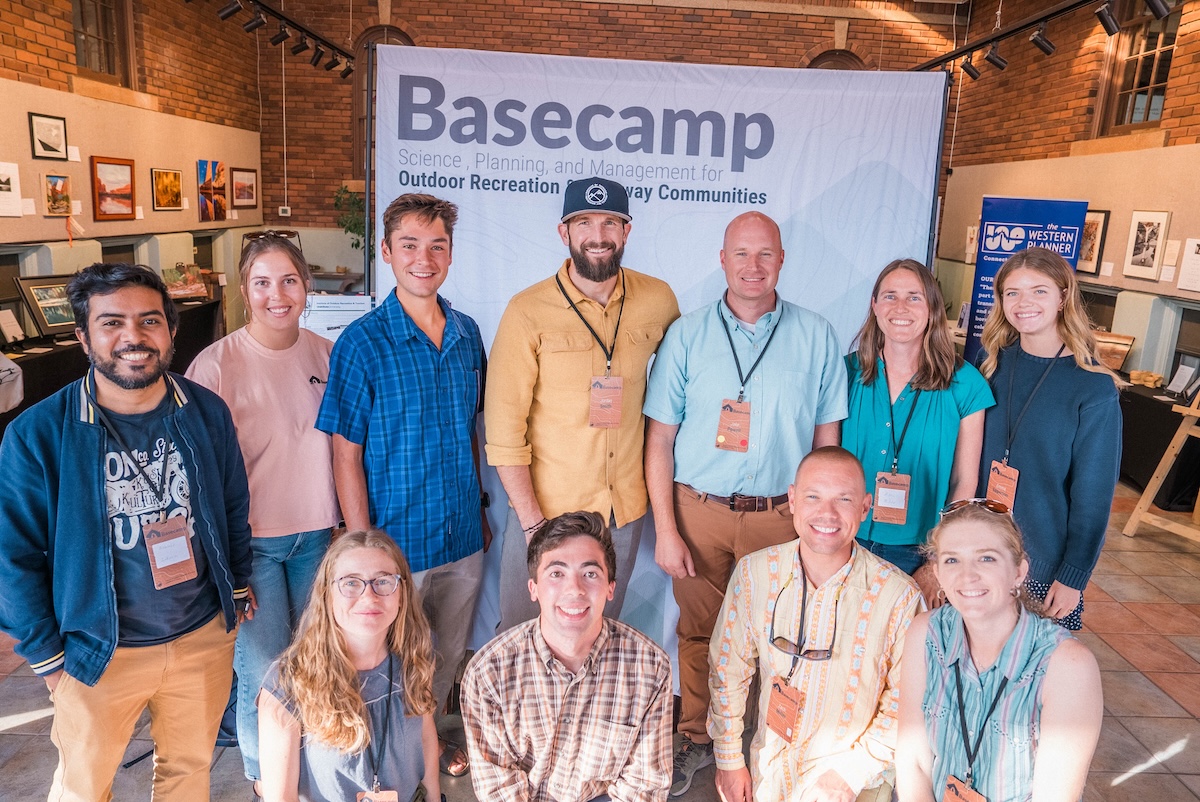
Between October 13-19, over 130 people converged on Moab, Utah. They came from universities, federal agencies, state agencies, local governments, non-profits, and the private sector, and they all had two things in common: they were dedicated to the sustainability of outdoor recreation and protecting the communities that make it possible, and they were all there for the 2024 Basecamp conference.
This blog dives into some of the background of the "why" behind the Basecamp conference, as well as more detailed takeaways from conference participants. (We also created a short video recap of the conference!)
What is Basecamp?
Basecamp is a regional conference and workshop focused on sharing ideas and collaboratively creating a path forward for outdoor recreation management and gateway community planning in the American West.
Hosted by the Institute of Outdoor Recreation & Tourism, our goal with Basecamp was to create a place-based gathering that could foster and share new insights on improving outdoor recreation opportunities and protecting the communities that enable them. We also wanted to make a space for building bridges between the often siloed worlds of academia, land management agencies, and practitioners, as well as the outdoor recreation and community planning worlds.
The conference itself was seven days(!) filled with plenaries, research presentations, skill-building workshops, field visits, film showings, and a service project. Through generous donations from academic and industry partners, we were also able to provide ten scholarships to graduate students from around the county, enabling them to attend and make valuable connections for their future careers.
The Two Tracks
There were two themed tracks for Basecamp 2024: outdoor recreation and gateway community planning. Breaking the conference into two tracks made it easier for participants to attend the parts of the conference that were most relevant to them; however, because we also wanted to bridge the outdoor recreation and gateway community worlds, there was a shared workshop day between the two tracks and all content across both tracks was curated along three topic areas critical to both sectors:
- 1 - Collaboration & Partnership
- 2 - Visitor Management
- 3 - Destination Stewardship
A Place-Based Conference: Highlighting Moab and Grand County
Finding the right location for Basecamp was critical. The communities adjacent to our most beautiful public lands and recreational amenities are also on the front lines of tackling challenges from too much use and attention. Showcasing innovation happening on the ground was foundational to Basecamp's objectives, and lucky for us Moab/Grand County, UT, are innovating every day to help protect the things that are important to them. Through tailored field visits, participants had an opportunity to see and ask questions from the leaders who were executing projects and strategies in real life.
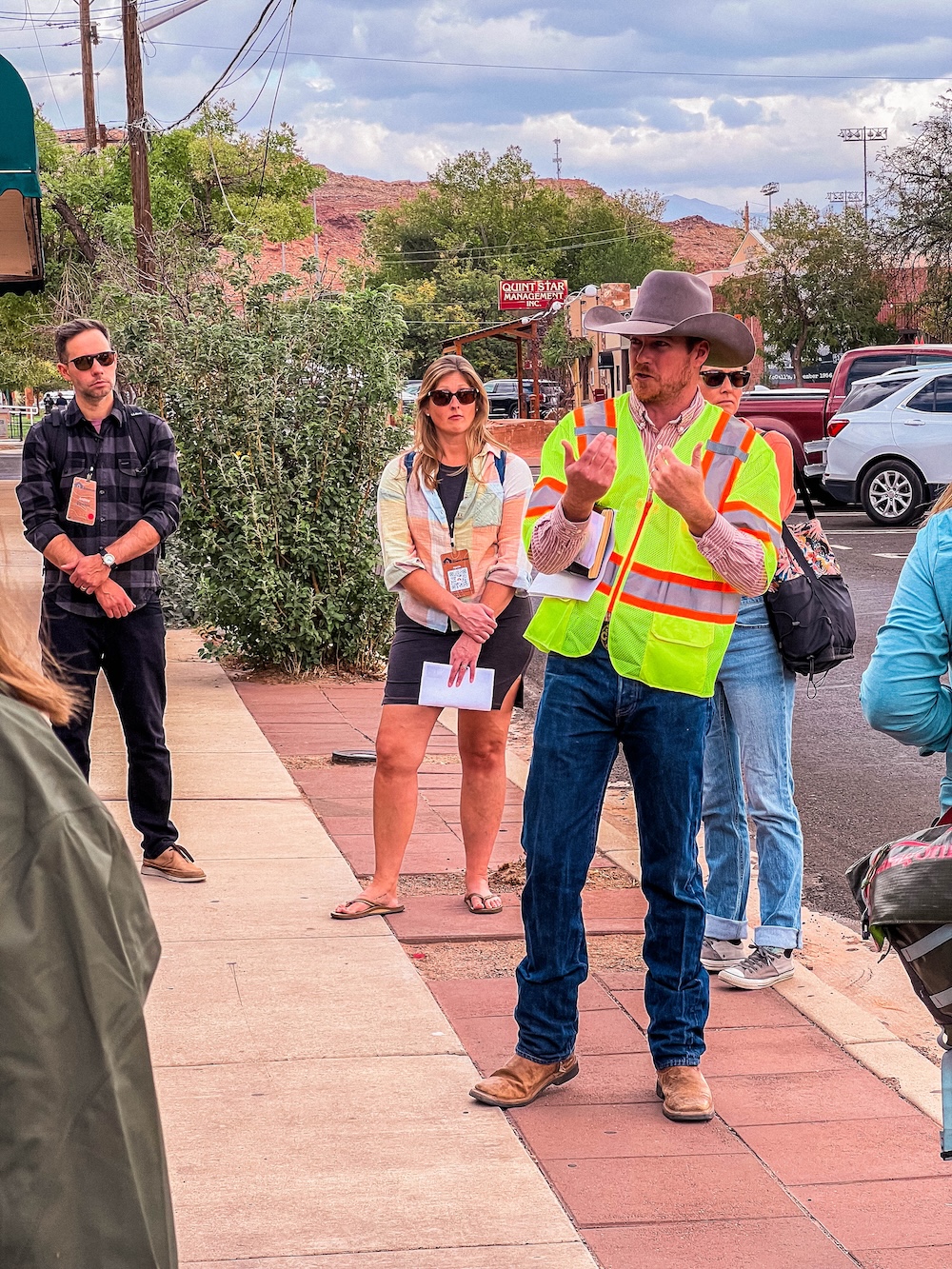
Attendees could raft down the Colorado and see the shared management challenges that come with a resource that crosses federal, state, and municipal lands. They saw Trail Ambassadors talk to a variety of trail user groups – from mountain bikers to ATVers – about best stewardship practices. They saw innovative affordable housing partnerships and density strategies rarely seen in a rural community. Finally, they walked Moab's main street, and discussed how Moab is wrestling with managing the immense traffic that flows through Highway 191 (that also happens to be their main street!), as well as the numerous floods the community (and its infrastructure) has experienced in recent years.
After it was all said and done, we even ended Basecamp with a wonderful dinner and film showing at USU Moab's new campus!
Thank you to all the organizations who helped us in preparing and executing our field visits, including:
- The Grand County Trail Ambassadors,
- Utah State Parks,
- The Moab BLM Office,
- The Moab office of the Utah Conservation Corps,
- The Moab Community Land Trust,
- The Housing Authority of Southeast Utah, and
- The City of Moab
The Workshop Day
While the day-to-day workload might look different between a planner for a gateway community and a planner in a national park, they have a few things in thing in common:
They see a lot of conflict, they see a lot of visitors, and their housing is expensive.
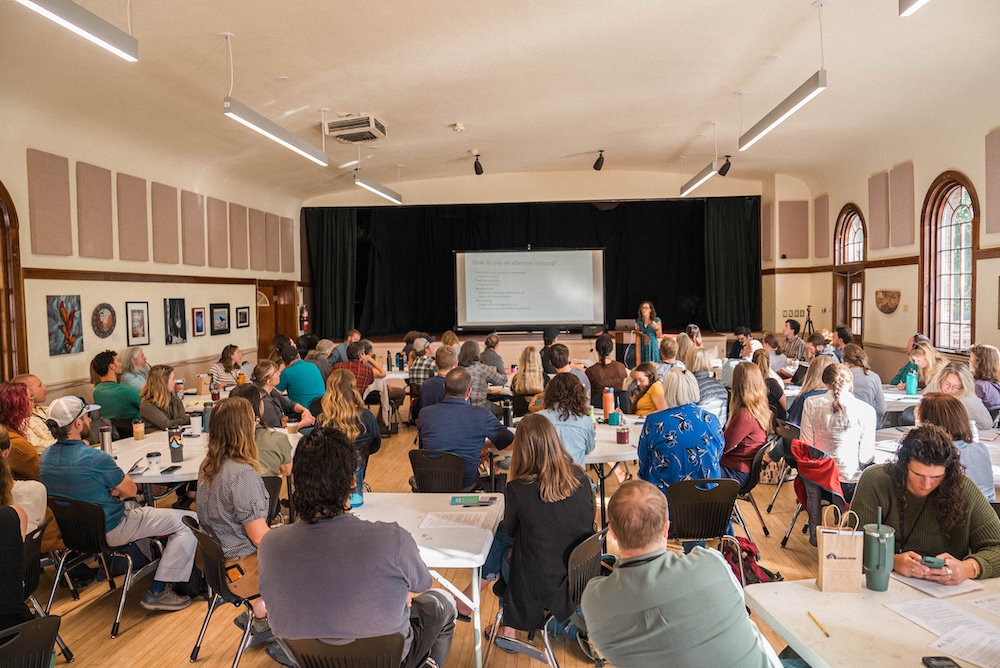
That’s why the shared workshop day started out with a well attended conflict competency training. Hosted by Dr. Danya Rumore from the University of Utah Wallage Stegner Center's Environmental Dispute Resolution Program. After the conflict training in the morning, participants broke into two workshop areas: Visitor Use Management and Housing Affordability. The vistor use management workshop was hosted and facilitated by the Society for Outdoor Recreation Professionals,
Both workshop areas had a mix of participants from both tracks of the conference, and the ideas and thoughts shared in the discussions were valuable to all.
Thank you to the Utah Property Rights Ombudsman's office for supporting this training!
Key Takeaways & Participant Feedback
The most rewarding part of the conference has been hearing the positive feedback it received, like this:
“I really appreciated being a part of the conference. I made new connections, gained great insights, and benefitted from hearing the experiences of other gateway communities. Each presentation I attended was helpful and pertinent to my work, which rarely happens at other conferences. It was a very valuable conference for me.”
"I appreciated that the conference was attended by a good mix of academics, federal government, local governmental, nonprofits and private groups."
"I really loved that there were a lot of professionals that worked in outdoor rec and/or gateway communities. The field trips were great and a good way to switch things up from sitting through lectures for days on end."
“I hope you continue to convene and grow basecamp into the future. Everyone I spoke with very much appreciated the quality of the presentations and research. Such forums are very much needed. Thank you for all your work to make it happen.”
Quotes like these speak to why gatherings like Basecamp are so important – and so needed. In the busy and hectic professional worlds we live in, there are very few opportunities to build bridges between sectors. For the GNAR Initiative, there are also very few community planning gatherings that tailor content toward small, rural, gateway communities.
Basecamp 2024 has highlighted a hunger for this type of content, and we’re excitedly looking forward to planning the next one. In the meantime, thank you to everyone who helped support this effort. We couldn't have done it without you.
See you at the next Basecamp!
To stay in the loop on future Basecamp Conferences, sign up for the Basecamp email list.