
Beekeeping Research
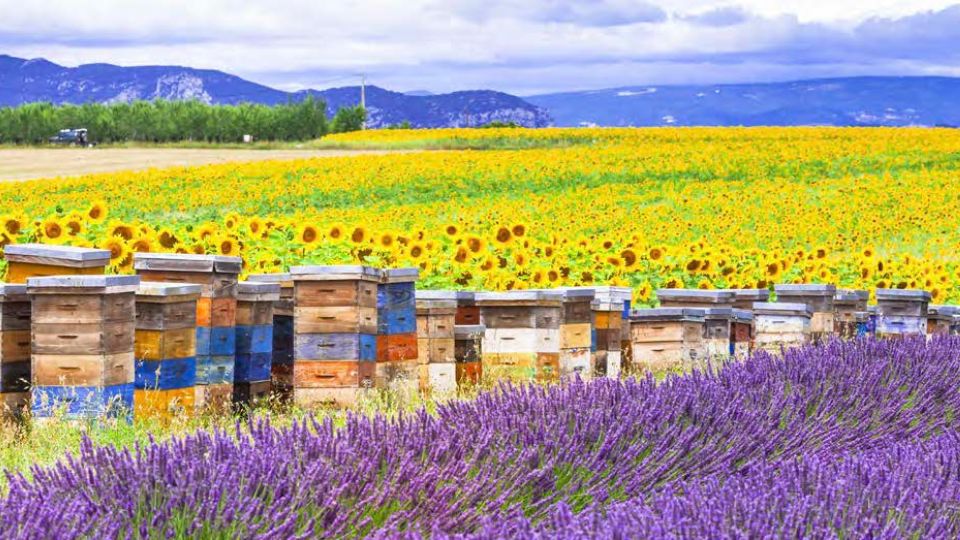
Thriving Hives: The Apiary - Beekeeping Essentials
This fact sheet provides guidance for honey bee producers on selecting apiary locations, choosing hives, and managing colonies for optimal health and productivity. It also serves as a training resource for new beekeepers, highlighting key environmental, s...

Thriving Hives: Making Products With Honey - Skincare and Food Recipes
Honey offers numerous benefits beyond its sweet flavor, including natural antibacterial and antioxidant properties that make it ideal for both skincare and cooking. This guide from Utah State University Extension provides simple, DIY recipes for honey-bas...

Thriving Hives: Propolis - Harvest and Usage
Propolis, a sticky substance produced by honeybees, has medicinal properties and can be harvested from hives using scraping methods or propolis traps. Once collected, it is cleaned, processed, and used in various products like tinctures, oils, ointments, ...
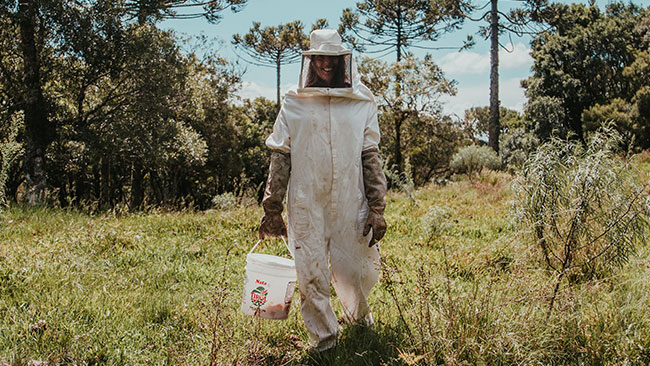
Setting Up and Placing a Hive
This section guides first-time beekeepers through the hive setup and bee installation process, offering reassurance and flexibility as experience grows. It also outlines the essential protective gear, tools, and supplies needed to safely and successfully ...

Thriving Hives: Cleaning and Sterilizing Beekeeping Equipment
This article provides a comprehensive guide on cleaning and sterilizing beekeeping equipment to maintain hive health, reduce disease risk, and prevent pest infestations. It outlines various methods, including heat, chemical sterilization, and best practic...

Thriving Hives: Processing and Using Beeswax - Candles and Cosmetics
Beeswax is a substance produced by bees for constructing honeycomb in a hive. From any given hive, a beekeeper can usually harvest about 1-2 pounds of wax for every 100 pounds of honey harvested. This fact sheet will teach you how to process the wax that ...