
How Do I Store Fresh Peaches?
Quick Answer
Store ripe peaches in the refrigerator to slow softening and help maintain quality for several days. Firm peaches that still need to ripen should be kept at room temperature in a loosely closed paper bag and checked daily. For longer storage, peaches can be preserved.
How Long Do Fresh Peaches Last?
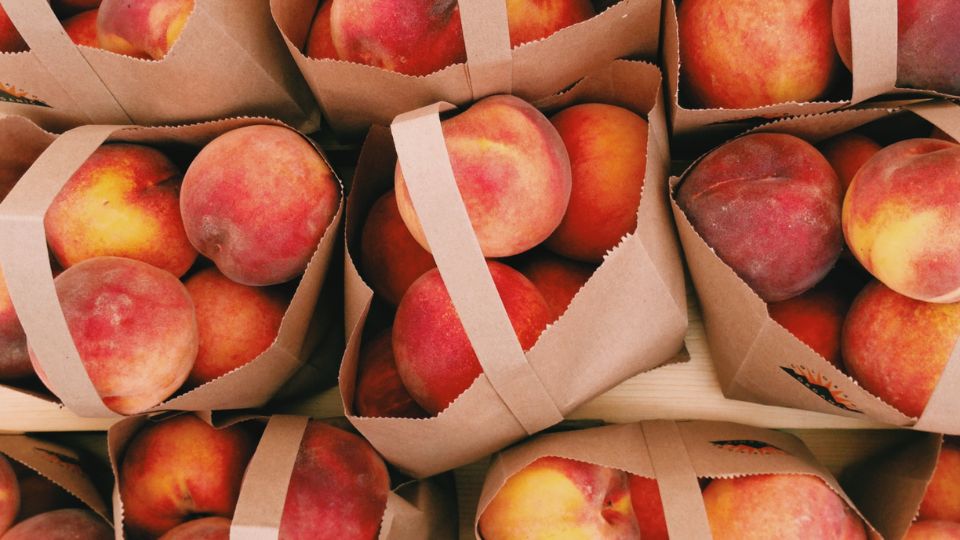
Fresh, ripe peaches can be stored in a plastic bag in the refrigerator for 3–5 days. Refrigeration slows the ripening process and helps preserve fruit quality. If peaches are still firm and need to ripen, leave them at room temperature in a loosely closed paper bag. Check them daily and move them to the refrigerator once they are ripe. Handle peaches carefully, because bruised or damaged fruit will lose quality more quickly.
Can I Freeze Fresh Peaches?
Yes. Freezing is a simple way to preserve peaches for long-term storage. Select firm, ripe peaches and wash, peel, and pit them before freezing. Peaches can be packed in syrup, sugar, or water with ascorbic acid. Ascorbic acid helps prevent the fruit from turning brown. Use containers or bags designed for freezing and remove as much air as possible before sealing. Freezing can soften the texture of peaches, but the fruit retains much of its flavor. For best quality, keep the freezer at 0°F. Freezing preserves food by stopping the growth of microorganisms, but it does not sterilize it.
How Do I Dry Peaches?
Choose firm, ripe, flavorful peaches. Wash the peaches, remove the skins and pits, and cut them into equal-sized slices, quarters, or halves. To prevent browning, soak the cut peaches in a solution with 1 teaspoon ascorbic acid per quart of water. You can also treat peaches with sulfuring.
A food dehydrator is the most efficient way to dry peaches. Set the dehydrator to 130-140°F and dry the fruit until it is leathery and pliable with no pockets of moisture. Allow the fruit to cool before storing it in moisture-proof containers in a cool, dark, dry place. Proper storage helps protect the fruit from moisture and insects and maintains its quality.
References
- USU Extension — How to Preserve Peaches
- USU Extension — Fruit Freezing Methods
- USU Extension — Food Preservation: Freezing Basics
- USU Extension — Home Drying Foods
- USU Extension — Conditioning or Curing of Dried Fruits and Vegetables
Adapted from USU Extension yard and garden resources.
Contact
Benjamin Scow, USU Extension Associate Professor of Horticulture, Agriculture, and Natural Resources

Benjamin Scow
Extension Associate Professor of Horticulture, Agriculture, and Natural Resources | Washington County
Horticulture, Agriculture, and Natural Resources