
USU Extension
Wasatch County Office
Phone
435-657-3235
Hours
Monday - Friday
8:00 a.m - 5:00 p.m.
Master Gardener 2024 registration is closed Please contact Wesley Crump (wesley.crump@usu.edu) to be put on the reminder list for the 2025 course.
For more information on adult sewing and quilting classes, click on the Home, Family and Food Tab.
To register for classes go to the Eventbrite link.
For more information on 4-H clubs and classes, click on the 4-H tab
Wasatch Resources
How We Can Help
USU Extension offers expertise and pertinent information specific to the needs of our county
Agriculture is important in Wasatch County. USU Extension has many programs to support agriculture, whether you are a full-time producer or hobby farmer. We have to offer the following: click here
Master Gardener
Registration for the 2024 Master Gardener program is closed. Contact Wesley Crump (wesley.crump@usu.edu) to be reminded for the 2025 course.
Pasture Evaluations
Want someone to come take a look at your pasture? We can help. We are available to make planting recommendations, help with weed identification and control, and grazing management. Call the Wasatch County office at 435-657-3235 for more information.
Weeds
The Wasatch County has chemicals and equipment to help you get rid of noxious weeds. We can also diagnose weeds when you bring them in our office and make control recommendations. Call the Wasatch County office at 435-657-3235 for more information.
Horse and Livestock
Horse and livestock programming includes selected workshops as made available by the university.
Horse and livestock programming includes selected workshops as made available by the university. Wasatch County calendar or call the Wasatch County Office at 435-657-3235
Wasatch County Extension Family & Consumer Sciences (FCS) provide education in areas that are important to the quality of life for children and adults, individuals and families including:
4-H Events
Youth must be registered as a 4-H member to sign up for any 4-H class. 4-H registration can be done at zsuite. The cost is $10 and can be paid with a credit card on that site. Youth and volunteers must register every year. The 4-H calendar year begins on September 1st each year.
After registering to become a 4-H member on zsuite, then youth can register for specific camps and classes on Eventbrite. Please use the child's name when registering, not the parent/guardian name. 
Wasatch County Fair 2023
Youth can enter exhibits in the Wasatch County Fair if they are between the ages of 8 (and completed the 3rd grade) and 18 years and are a registered member of 4-H. To register for 4-H, complete the registration zSuite.
To enter your exhibit item(s), bring them to the Wasatch County Complex at the 4-H Table. If you cannot make the times listed, please contact us about early dropoff (435-657-3235) or bring the entries into the Wasatch County Extension Office @ 55 S 500 E.
Monday, July 31 for general entries. (9 am - 5 pm)
Tuesday, August 1 for baked goods (8 am - 9:30 am)
Thursday, August 3 for produce and floral (8 am - 9:30 am)
Fairbook 2023
Before entering your exhibits, look in the current Fairbook for information on updated Division, Class and Lot designations.
Teen Council
Are you in grades 6-12? Do you want to hang out with the coolest people in Wasatch County at awesome activities? Do you enjoy serving your community? How about having the opportunity to represent your county 4-H program at fairs, state 4-H contests, and national 4-H conferences? If any of those things sound appealing you should join one of our Teen Councils! Teen Council is held the 3rd Thursday of each month at 7:00 p.m. at the 4-H office. Contact Wasatch 4-H for more information.

4-H Horse Program
Horse 4-H is a great experience for youth! Youth learn riding skills, responsibility, team work, and leadership, and have lots of fun! It will increase confidence, responsibility, exercise and activity. Click here for more information.

Gardening Resources

Wasatch and Summit Counties Horticulture Needs Survey
Do you have specific horticulture related questions? Needs? Taking this survey will better help us understand the needs and interests of those in our community related to horticulture and gardening. It will help us better develop programs and services specific to your needs. Be sure to take the survey and let us know how we can better serve you!
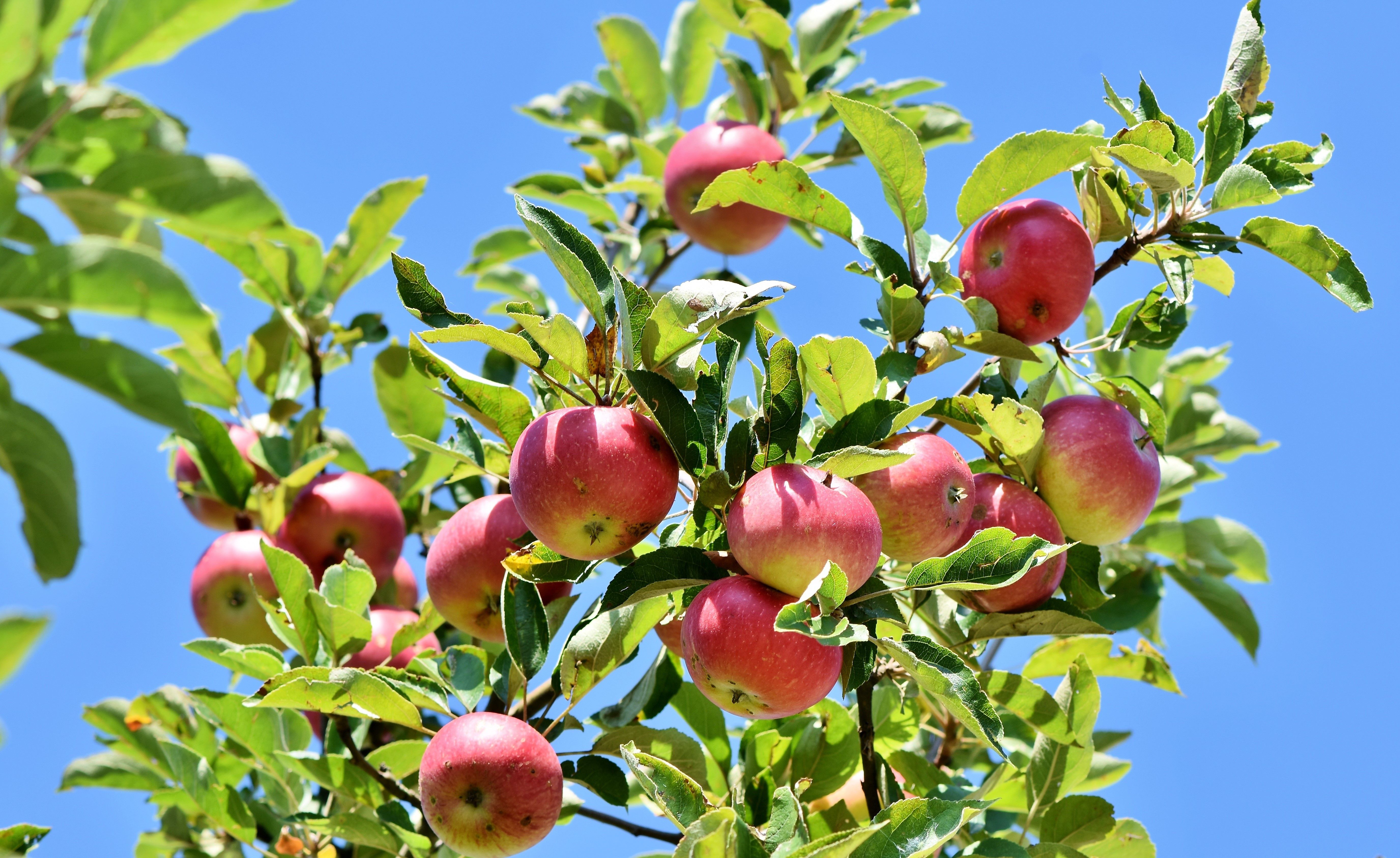
Wasatch Back Fruit Tree Project
Do you live along the Wasatch Back and have fruit trees? USU Extension in Wasatch and Summit counties needs your help! We're attempting to consolidate information from backyard fruit growers like you to provide the best information about which fruit trees (only apple and peach right now) grow best in our unique area. We're looking to collect bloom and harvest timing data. Sign up to participate and you'll get an email this spring to collect data on your fruit trees.

Soil Testing
Your soil is the nutrient bank for your plants. One of the best things you can do as a gardener to better help your plants while being environmentally conscious and responsible is to know what nutrient levels are present in your soil. Consider submitting a soil test to better understand what you should and shouldn't be adding to your soil!

Monthly Garden Tips
USU Extension's Gardener's Almanac provides month-by-month tips and tasks to make sure you are on top of all things gardening! Each month also has links to dozens of timely, relevant, useful resources to help you in all your horticulture endeavors.

Master Gardener
The Wasatch county 2024 Master Gardener program registration closed. Please contact Wesley Crump (wesley.crump@usu.edu) to be reminded for the 2025 course.
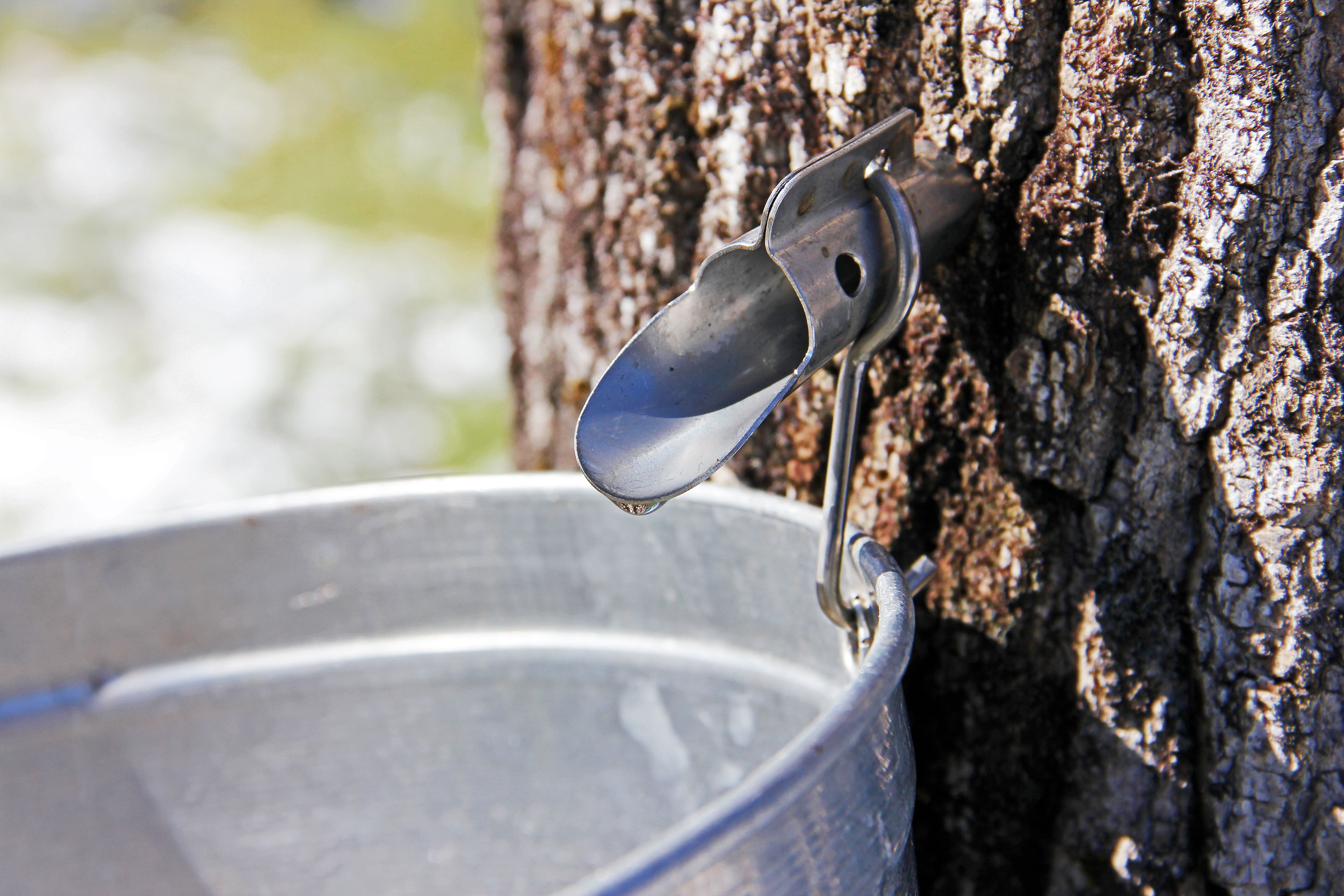
Maple Tapping
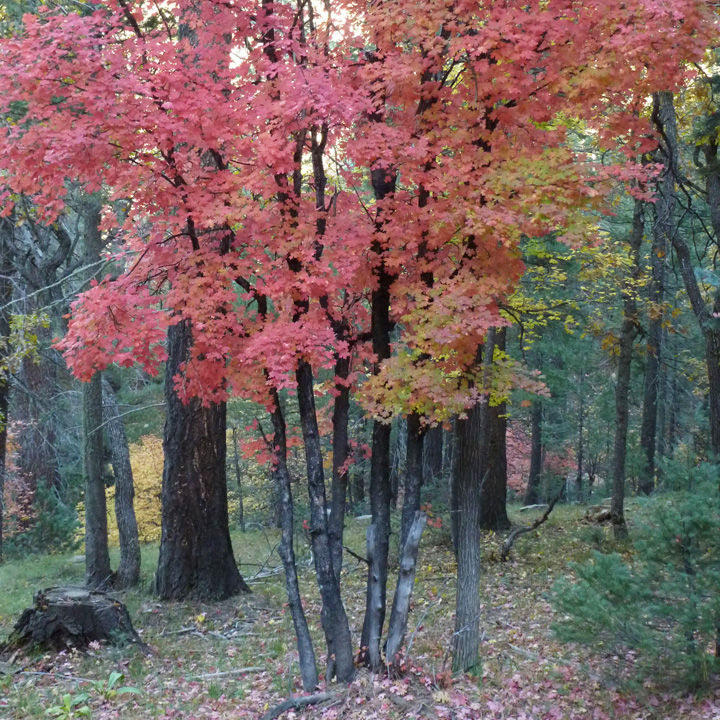
Did you know you can tap several commonly grown and native maple trees in Utah? Researchers at USU are exploring maple tapping in Utah using Boxelder, Bigtooth, Norway, and other maples. If you are interested in learning more about the process, or even tapping trees on your property, fill out this survey! You'll receive additional information on the process, and you'll be notified of our maple tapping workshop this fall (2023).
 Presentation Resources
Attended a past presentation or workshop and want to check out the resources mentioned? This list of past presentations includes all the sources mentioned in each presentation given by USU county horticulturist Wesley Crump.
USU Extension Wasatch County Contact Information

Elizabeth Cohen
Extension Assistant Professor | Agriculture & Natural Resources | Summit County Director

Wesley Crump
Extension Assistant Professor | Horticulture | Wasatch County



Patricia Mathis
Extension Educator | Sewing and Textiles | Wasatch County Director