
Wild Parsnip (Pastinaca sativa) Identification and Control in Residential Landscapes

Summary
- Wild parsnip is a weed that can potentially cause serious injury to gardeners.
- It thrives in sunny locations in many landscapes and wildland habitats.
- It grows a rosette of leaves in the first year and a tall flower stalk in Years 2 or 3, after which the plant dies.
- It primarily propagates by seed, and seeds are dispersed by wind, rain, animals, or other disturbance to the dry flowers.
- Non-herbicide control options include tilling 2 inches deep or mowing before flowering.
- Many herbicides effectively control wild parsnip, including those containing 2,4-D.
Description
Wild parsnip (Pastinaca sativa) is an herbaceous, biennial, or short-lived perennial weed in North America native to Eurasia. The species produces furanocoumarins in the sap, stems, and leaves that cause severe burns (phytophotodermatitis) and blisters when the sap is on the skin surface and exposed to sunlight or UV light from other sources. Concentrations of furanocoumarins can increase in plants if insects feed on it or plants are cut back and allowed to regrow.
After exposure, skin is often discolored and more sensitive to the sun for up to two years. Cultivated parsnips are closely related and have far fewer furanocoumarins than wild forms. The quantity of furanocoumarins in wild populations also varies widely, depending on the population.
Leaves are pinnately compound with five to 15 toothy leaflets. Yellow flowers are produced late spring through midsummer and are small, five-petaled, numerous, and on flat-topped umbels 2–6 inches wide. The yellow flowers and pinnately compound leaves of more than five toothed leaflets distinguish it from other parsnip species (Figure 1). The taproot is slender and light-colored, penetrating 6–12 inches into the soil. Plants grow to 3–6 feet tall and wide by late summer. It spreads by seed, and humans unknowingly spread it when mowing, removing, or disturbing the plant after seeds have formed.


Figure 1. Examples of Wild Parsnip Flowers and Foliage
Accidental exposure to wild parsnip can cause a rash that requires medical treatment. Rash symptoms include redness, swelling, blisters, and pain.
Accidental exposure is more likely in the summer when hiking, gardening, or pulling the weed, mainly because less clothing is generally worn or is removed, exposing more skin. When hand-pulling or removing the weed, it is imperative to shield your skin with protective clothing and gloves. Wash all clothing after handling the weed. In addition, thoroughly wash when you are done handling wild parsnip as a precaution. Skin exposed to the sap must be thoroughly washed with soap and water immediately. Stay out of sunlight for at least 8 hours after exposure, as the furanocoumarins make the skin sensitive to UV rays. Seek medical attention if you develop any symptoms of phytophotodermatitis, such as redness, swelling, blisters, or pain. The rash cannot be cured, but symptoms can be treated to reduce the pain associated with the rash and blisters. Livestock and other animals are similarly affected when contacting or ingesting wild parsnip.
Growing Locations
Wild parsnip grows in many locations, including improperly maintained lawns, old fields, pastures, ditch banks, roadsides, flowerbeds, disturbed sites, and edges of many habitats, including home gardens and other landscaped areas. It tolerates many soil types and usually grows in sunny to mostly sunny locations. The U.S. Department of Agriculture (USDA) has documented it in 13 Utah counties, but it has been observed growing in at least two additional counties, and it likely exists throughout Utah.
Lifecycle
Seeds germinate in the spring and form a rosette during the first year. Leaves are semi-evergreen in warmer areas but will die to the ground during cold winters and resprout from root crowns. By midsummer of the second year, if the plants have grown large enough, they produce a stout, hollow stem up to about 6 feet tall with leaves and umbels of small yellow flowers. Once pollinated, seeds develop to maturity in mid to late summer (Figure 2). The plants die, but the seeds, in fruits called a schizocarp, remain on the dead stalk until being distributed by wind, rain, or passing animals. Wild parsnips are sometimes short-lived perennials. If rosettes do not reach a critical size in the first year, they may not flower until the third or fourth year and then die.


Figure 2. Wild Parsnip Plants and (right) Seeds
Suppression and Control Options
Controlling plants when young and still in the rosette form is essential. Spraying or removing the rosettes eliminates or suppresses the population, minimizing exposure to humans and animals.
Nonchemical Control: Cut taproots 1–2 inches below the ground with a shovel and then remove them (with proper clothing and gloves). Remove larger plants using shovels, spades, pitchforks, and rakes. For plants that have gone to flower or seed, carefully cut the flower or seed heads away first and place them in a bag to avoid spreading the seeds accidentally. You can then mow or remove these plants. The best time to mow is just before plants start to flower, and many plants will be killed, but you may see some regrowth. Mow the regrowth again to minimize foliage. With this, there likely will not be enough time for the surviving mowed plants to create mature seeds. Where appropriate, scorching seedlings and plants in the rosette form with a weed torch will kill them.
Herbicide Options: We found no organic or reduced-risk herbicides that listed wild parsnip on the label.If these are applied to areas permitted on the label, they will only scorch the aboveground leaves and stems. To be effective, they must be applied before flowering occurs.
Several conventional post-emergent herbicides, such as 2,4-D, dicamba, glyphosate, and metsulfuron, applied to the rosette, stems, or leaves, effectively manage the weed. The best times to apply herbicides are in the fall, several days before hard frost, and before plants flower in late spring or early summer. When used correctly, these products are 90%–100% effective the season they are applied. Do not spray plants that have already produced seeds.
In residential turfgrass areas, lawn weed killers containing 2,4-D and dicamba should effectively suppress or control the weed. Read and follow herbicide labels for effective weed control and the safety of people, pets, and the environment.
Site Restoration: Once a population has been suppressed or controlled, the location must be monitored for several years until the seed bank is depleted. Restoring sites by planting and maintaining appropriate plants also suppresses germination and slows the spread of more wild parsnip.
Photo Credits
Photos were provided by Leslie J. Mehrhoff, University of Connecticut, Bugwood.org.
References
- Averill, K. (2009). Wild Parsnip (Pastinaca sativa): A troublesome species of increasing concern. Weed Technology, 21, 279–287. https://www.researchgate.net/publication/232685317_Wild_Parsnip_Pastinaca_Sativa_A_Troublesome_Species_of_Increasing_Concern
- Minnesota Department of Agriculture. (2023). Wild parsnip. Accessed February 27, 2024, at https://www.mda.state.mn.us/plants/pestmanagement/weedcontrol/noxiouslist/wildparsnip
- Panke, B., deRegnier, R., & Renz, M. (2012). Wild parsnip (Pastinaca sativa) [Fact sheet A3924-15]. University of Wisconsin Extension. Accessed on February 27, 2024, at https://cdn.shopify.com/s/files/1/0145/8808/4272/files/A3924-15.pdf
July 2024
Utah State University Extension
Peer-reviewed fact sheet
Authors
Michael Caron, Extension Assistant Professor; Taun Beddes, Extension Associate Professor; Corey Ransom, Weed Specialist

Michael Caron
Extension Assistant Professor | Horticulture | Utah County
Agriculture and Natural Resources

Taun Beddes
Extension Associate Professor | Horticulture | Utah County Director | Juab County
Agriculture and Natural Resources

Corey Ransom
Weed Specialist
PSC Dept
Related Research

Canada Thistle (Cirsium arvense) Identification and Control
This document provides a comprehensive overview of Canada thistle (Cirsium arvense), including its identification, distribution, life cycle, and various management methods. It highlights the impact of Canada thistle on ecosystems, particularly in the Inte
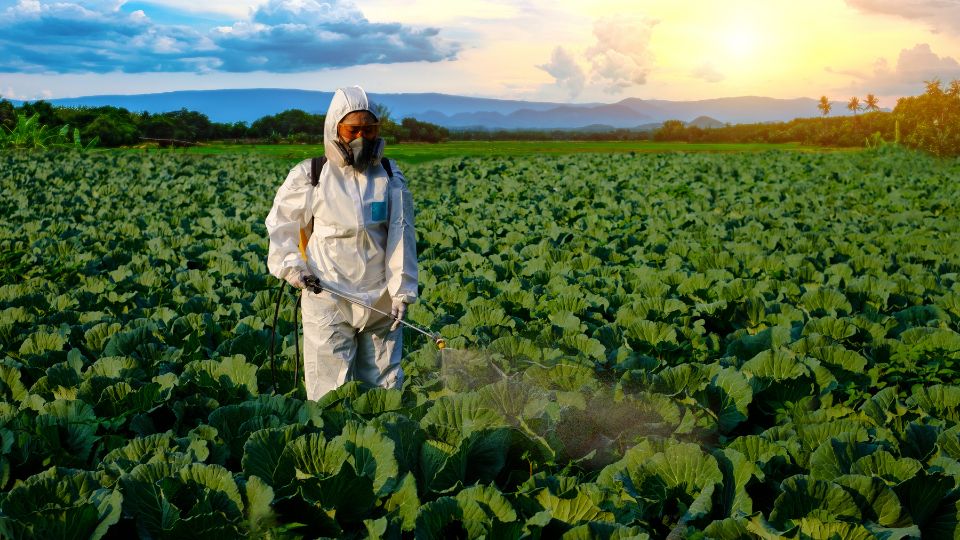
Easy Calibration for Backpack and Canister (Handheld) Sprayers
If sprayers are not properly calibrated, it can result in over or under-application of chemicals, causing damage, reduced pest control, and potential safety concerns. Making the effort to properly mix chemicals and calibrate sprayers can save money and in

Parrotfeather (Myriophyllum aquaticum) Identification and Management in Waterways
This fact sheet discusses the identification and management of *Parrotfeather* (*Myriophyllum aquaticum*), an invasive aquatic plant that can spread rapidly in freshwater habitats. It covers prevention, mechanical, biological, and chemical control methods
Weed Control Options for Residential Lawns in Utah
Weed prevention through proper turf establishment and maintenance is the best practical approach for long-term weed control, and is less expensive than controlling weeds later. Aspects of prevention include using best management practices such as proper m

Wild Licorice Identification and Management in Pastures
Wild licorice (Glycyrrhiza lepidota) is a perennial legume native to North America, spreading aggressively through seeds and rhizomes, making it a problematic invasive species in pastures. While it has some nutritional benefits, livestock avoid it, leadin
Wild Parsnip (Pastinaca sativa) Identification and Control in Residential Landscapes
Wild parsnip (Pastinaca sativa) is an herbaceous, biennial, or short-lived perennial weed in North America native to Eurasia. The species produces furanocoumarins in the sap, stems, and leaves that cause severe burns (phytophotodermatitis) and blisters wh