How USU True Blue Reuse & Repair Has Diverted Over 1,000 lbs From Landfills
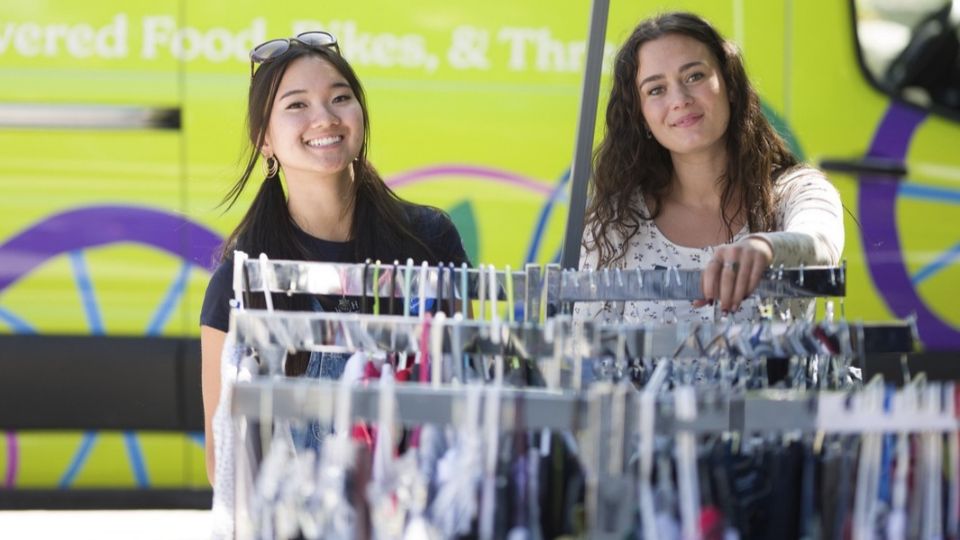
In this month’s blog post, we are excited to feature an interview with Gwen Bassett! Gwen is the student lead for USU’s True Blue Reuse & Repair program. Gwen is a senior studying Environmental Science and Sustainability, with a minor in the Social Dimensions of Climate Change and Environmental Justice. Gwen loves the outdoors and spends most of their time exploring and learning about the world around them. They also enjoy photography, listening to music, and experimenting with various creative mediums. In this month’s blog post, we asked them to tell us more about True Blue Reuse & Repair, how they are making a difference on campus, and in what ways we can support their mission:
1. What is True Blue Reuse & Repair’s purpose at Utah State?
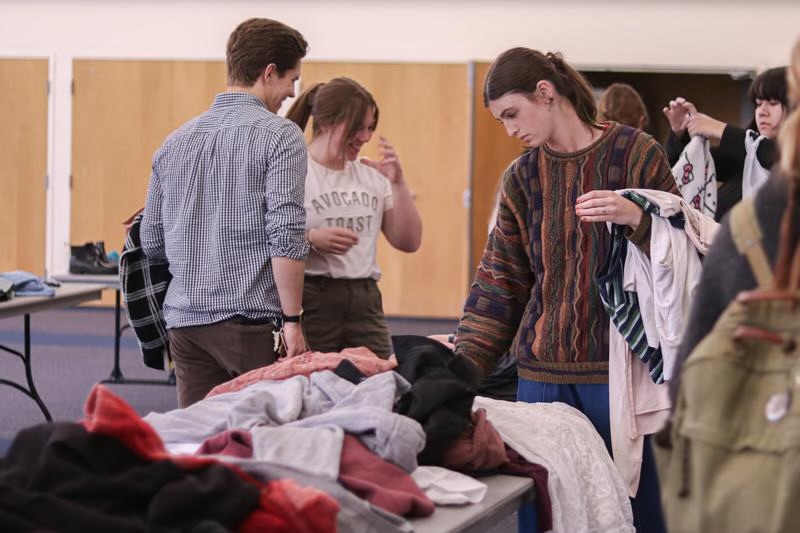
True Blue Reuse & Repair (TBR&R) is a program with the purpose of creating a culture of anti-consumption, emphasizing the Reuse and Repair of clothing, small appliances, kitchenware, home decor, and more! We help our community understand what sustainable and ethical consumption choices look like in the 21st century.
Industries that mass produce material goods, like clothing and household items, have a long history of being harmful to the people working in those industries and to our planet. Fast Fashion is a term used to describe a mechanism of clothing production and distribution motivated by cheap, quick production in anticipation of trend cycles with rapid turnover. This production exploits workers, uses toxic chemicals and dyes, uses extreme amounts of water, and ultimately creates garments that wear out quickly and end up in landfills where they release harmful emissions upon their degradation.
We can reduce our reliance on these industries through ethical consumption choices emphasizing fair labor, safe working conditions, environmental responsibility, and product quality.
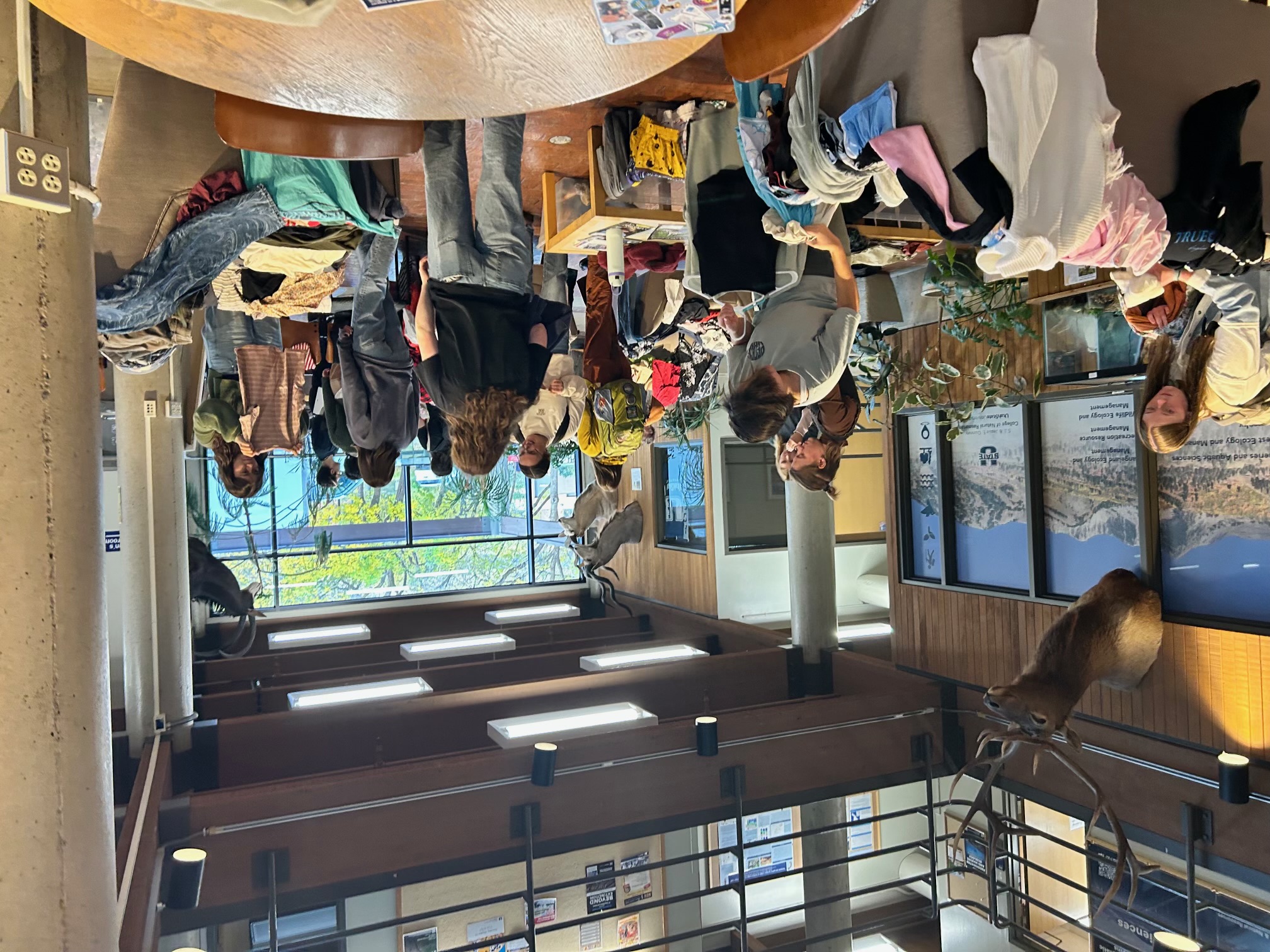
Responsible consumption includes repairing existing items, buying secondhand goods, and when necessary, purchasing local, natural, and ethically produced items. At TBR, we help students learn about and prevent textile waste in an accessible, easy, way as much as we can.
2. Can you describe some ways True Blue Reuse & Repair helps USU reduce its environmental footprint?
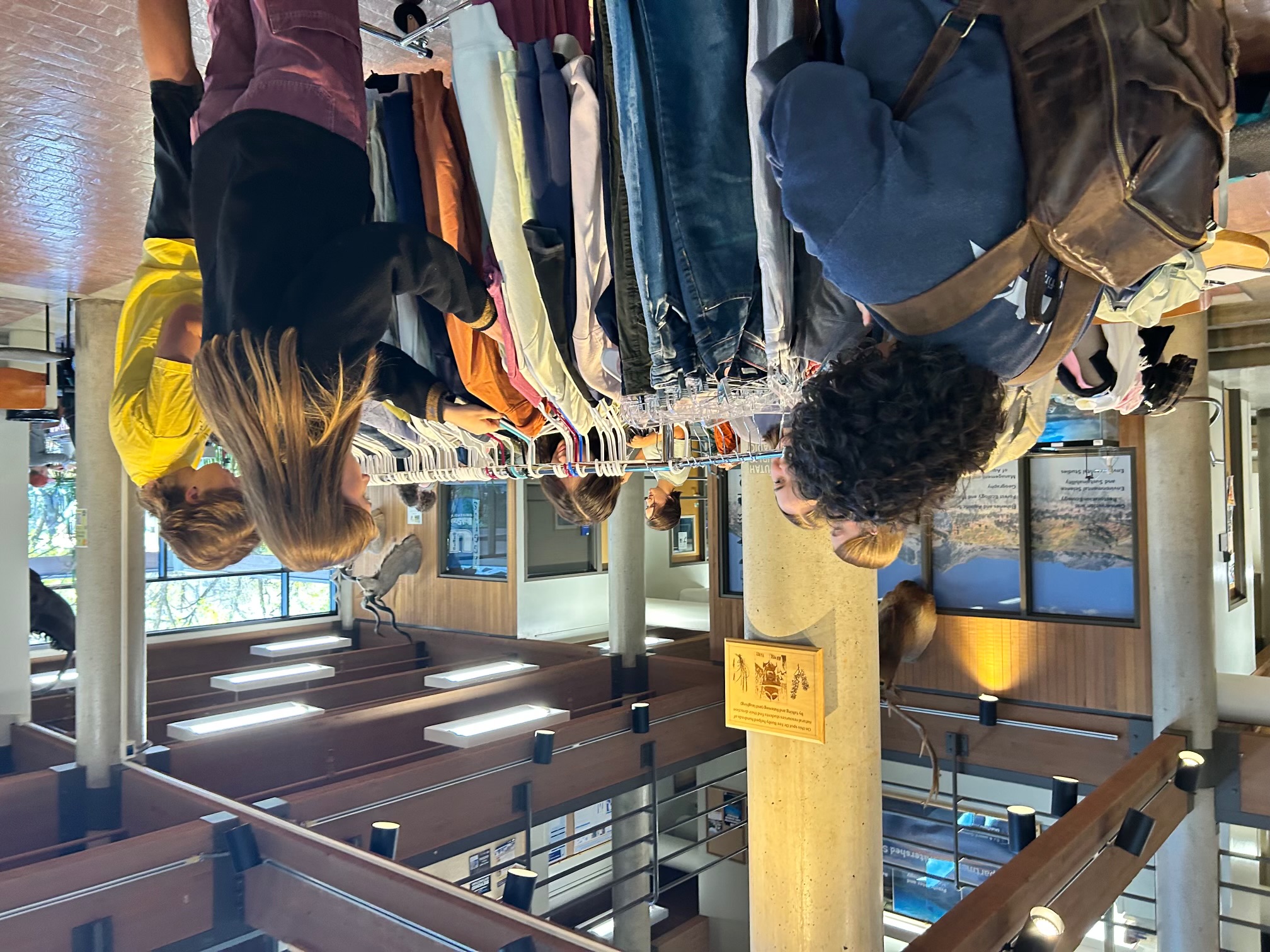
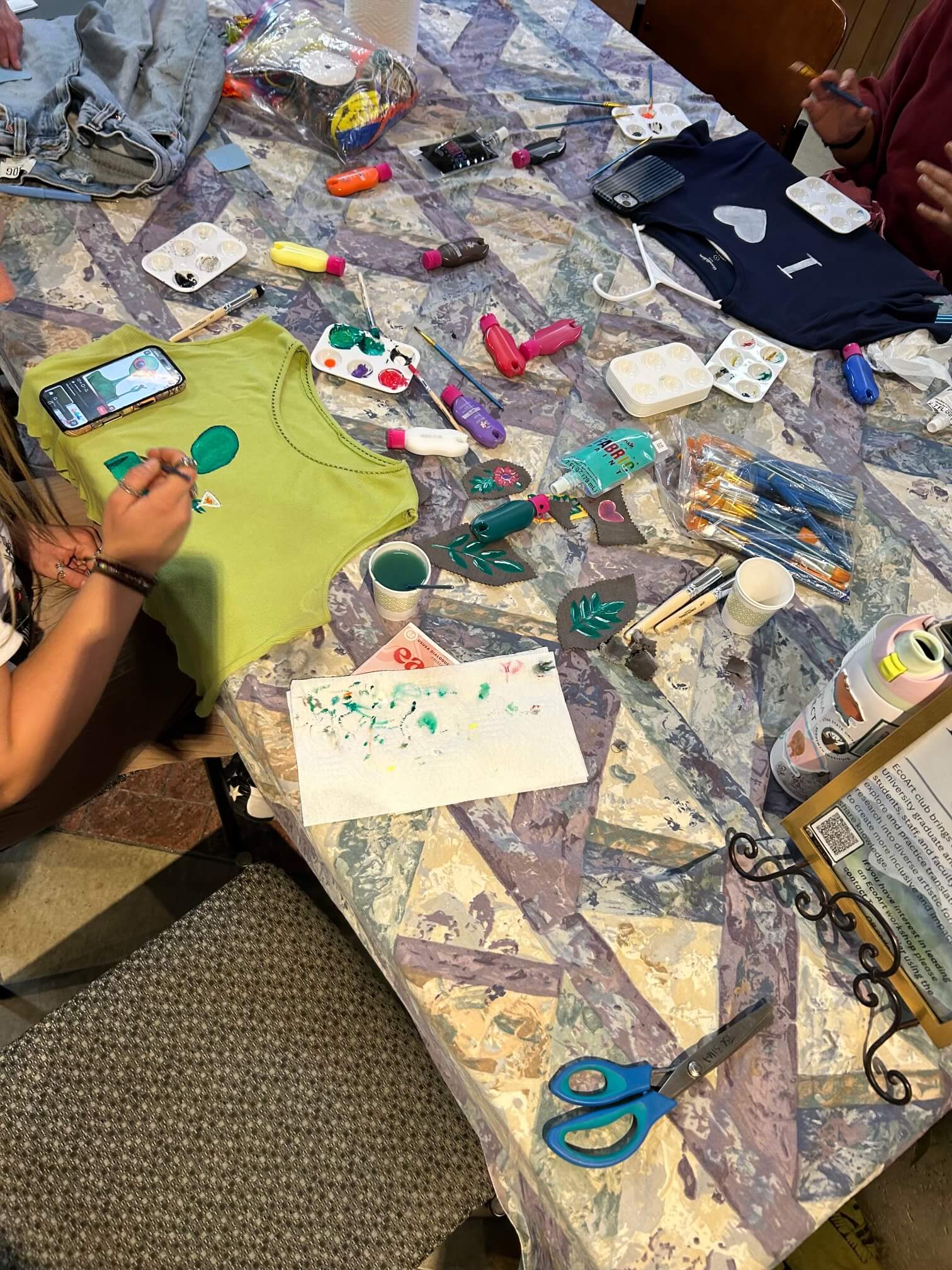
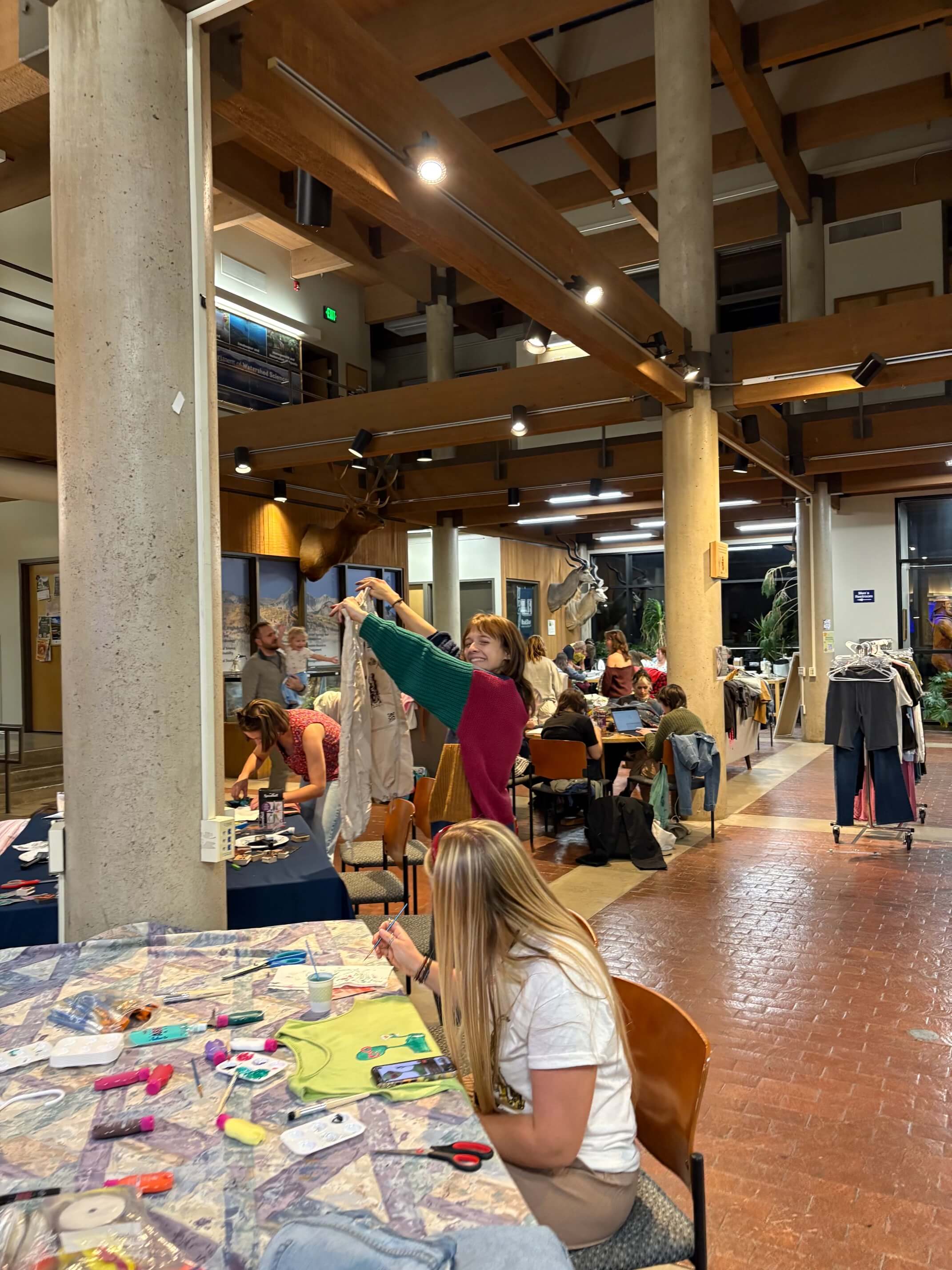
TBR&R gives students accessible options to avoid feeding into the waste cycle through donations, free pop-ups, clothing swaps, mending, and education.
3. Have you tracked the number of goods you’ve helped to prevent from ending up in landfills? If so, can you share the impact you’ve had so far?
Yes! We track the amount of clothing we take in through donations by weight, and are beginning to implement better tracking systems for our mending hours and items as well. In my first month as a COSAS (Christensen Office of Service and Sustainability) lead, we diverted over 100 pounds of clothing from the landfill through donations, mended dozens of items for students that otherwise would have gone unworn, and given away over 1000 lbs of clothing and household items for free to students through our back to school popup to help counter the waste cycle.
4. Global warming can feel overwhelming, do you feel that engaging with sustainability on a local/individual level is important? If so, how?
I believe that our world is worth fighting for in any way we can, and that even the smallest forms of environmental action can make a huge impact. Oftentimes, it's easy to feel overwhelmed by the weight of everything going on in the world. Social media and internet access make information more accessible, but it also presents us with more problems from around the world than we can conceivably make a difference towards. I feel like people get so overwhelmed by everything happening in their lives and in the world that they want to give up fighting entirely and stop paying attention to the needs of the people around them and the things that they can do just to stay afloat. My mission as a COSAS lead this year is to make sustainability feel accessible, community driven, and fun through the events and projects I am leading. The only way to make a real change in the world is for individuals to do what they can to make a difference, whether that's a few hours of volunteering, donating things to good sources rather than throwing it away, or thrifting something instead of buying it. I want to make these small changes as accessible as possible and rally my community to make real change and stand up for each other and the planet.
5. How can students engage with/utilize True Blue Reuse & Repair on campus?
TBR runs a number of different programs to facilitate more sustainable textile use at USU:
DONATE
In our COSAS office thrift shop (TSC 316, M-F, 9-4), you can drop off your unwanted clothing, shoes, accessories, household & kitchen items, and school supplies in good condition to donate.
PURCHASING SECOND HAND
Instead of buying new, save money & reduce waste by checking out True Blue Reuse & Repair’s collections. We sell great items at the Campus Farmers Market and co-sponsor free clothing swaps throughout the year. There are three ways to get your hands on some of our inventory: 1. Volunteer hours with COSAS. 2. Donations to swap. 3. Pay minimal fees. There are also free TBR&R thrift lockers located in the hall outside the office you can check out!
REPAIR
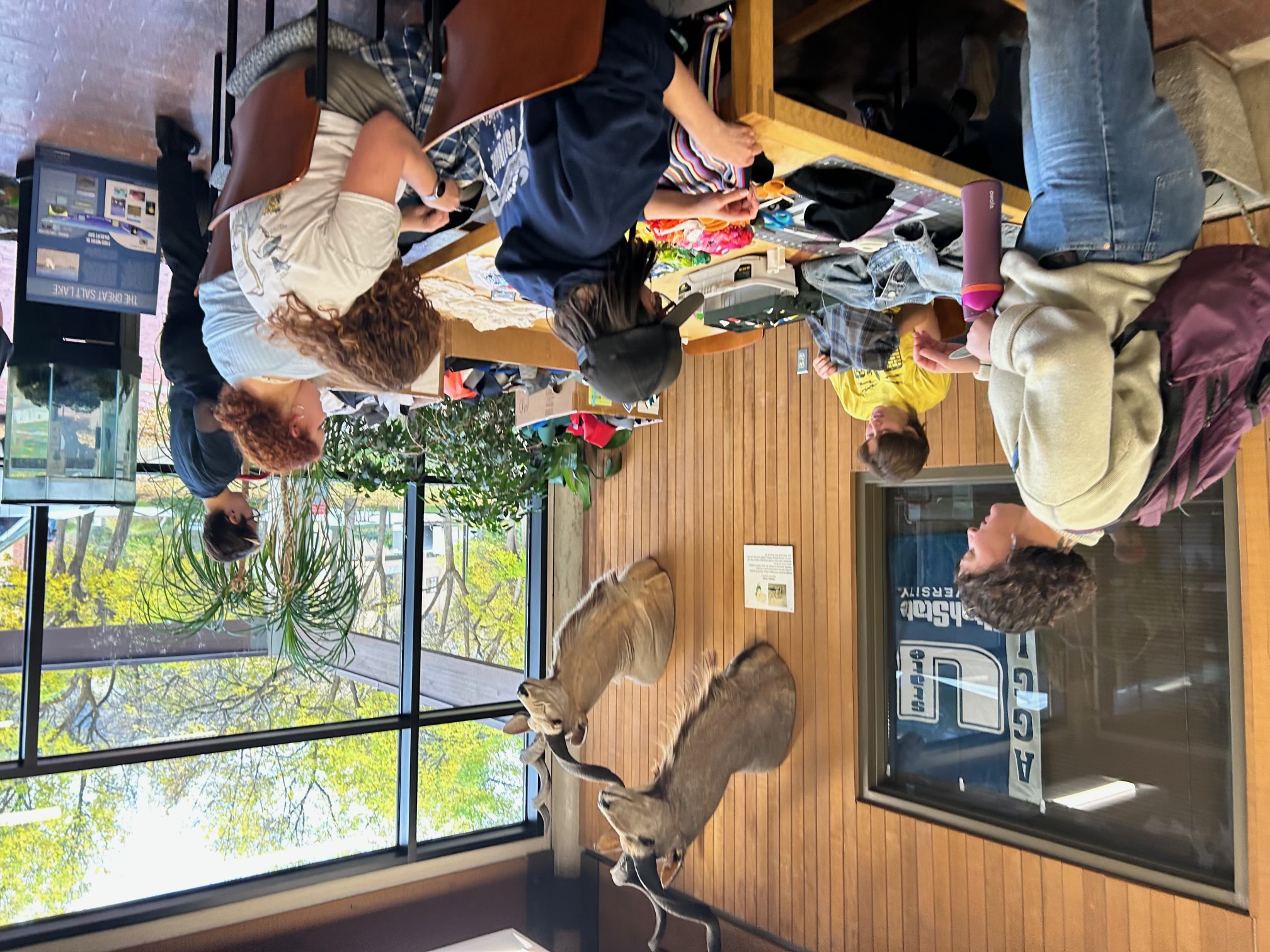
Do you have clothes or wearable gear (think backpacks, coats) that you want to repair instead of throw away? Stop by TSC 316 to find out if one or our volunteers can fix it. Repairs are free unless we need to purchase extra materials.
VOLUNTEER
We depend on volunteers who can enthusiastically invite other students to live more sustainably! Log in to Aggie Pulse to sign up for volunteer shifts for one of these initiatives.
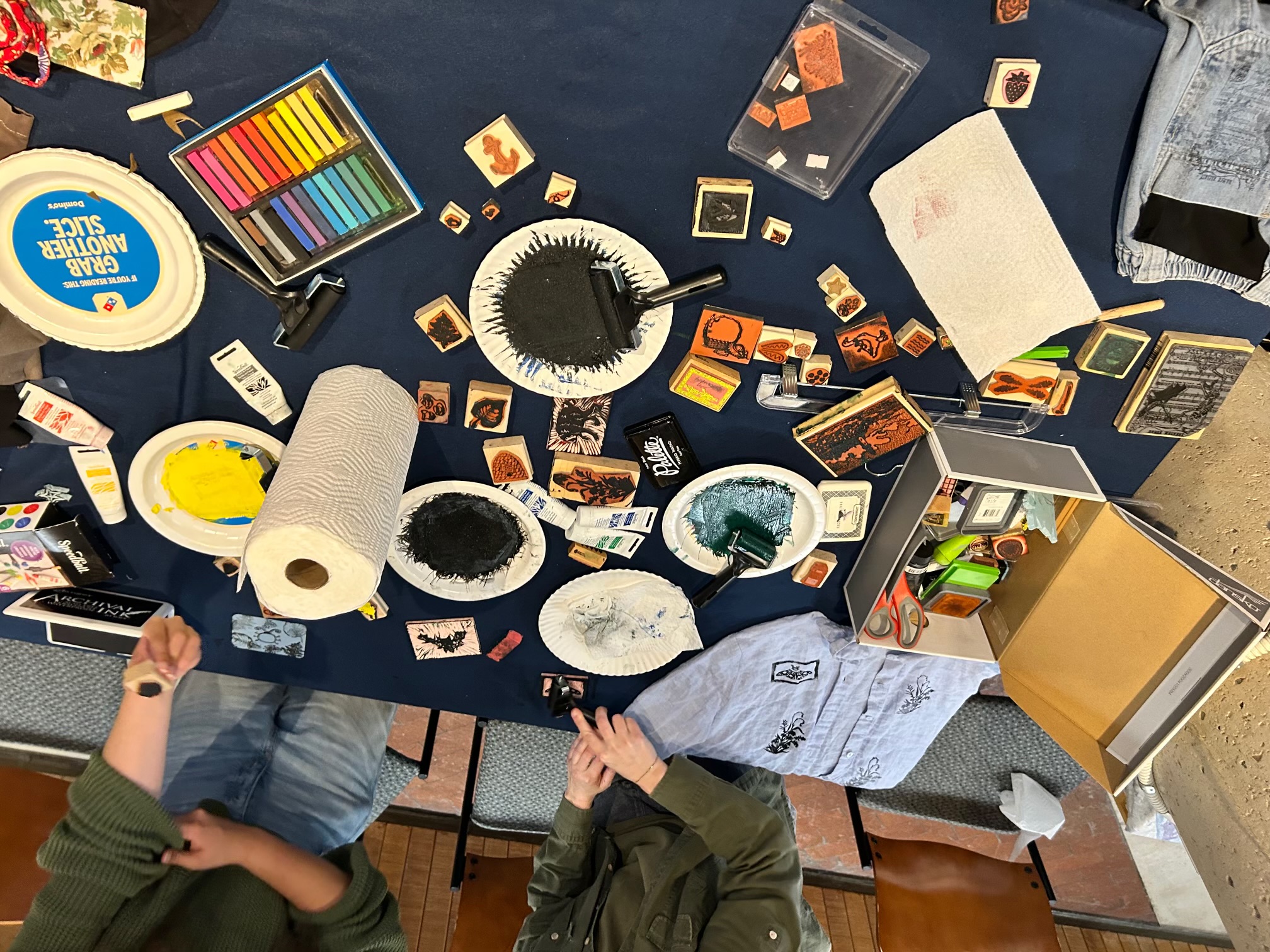
LEARN
Try out a new skill, participate in upcycling, or learn more about sustainable living. The best way to find out about upcoming events such as clothing swaps, mending workshops, and skill shares is to follow us on Instagram @USU_COSAS.
6. Do you have any annual events students should know about?
Every year we are present on campus selling used clothing items for minimal fees to fund our program at the USU Farmers Market (Wednesdays, September 9th – October 7th from 11:00AM-3:00PM at the TSC Fountains).
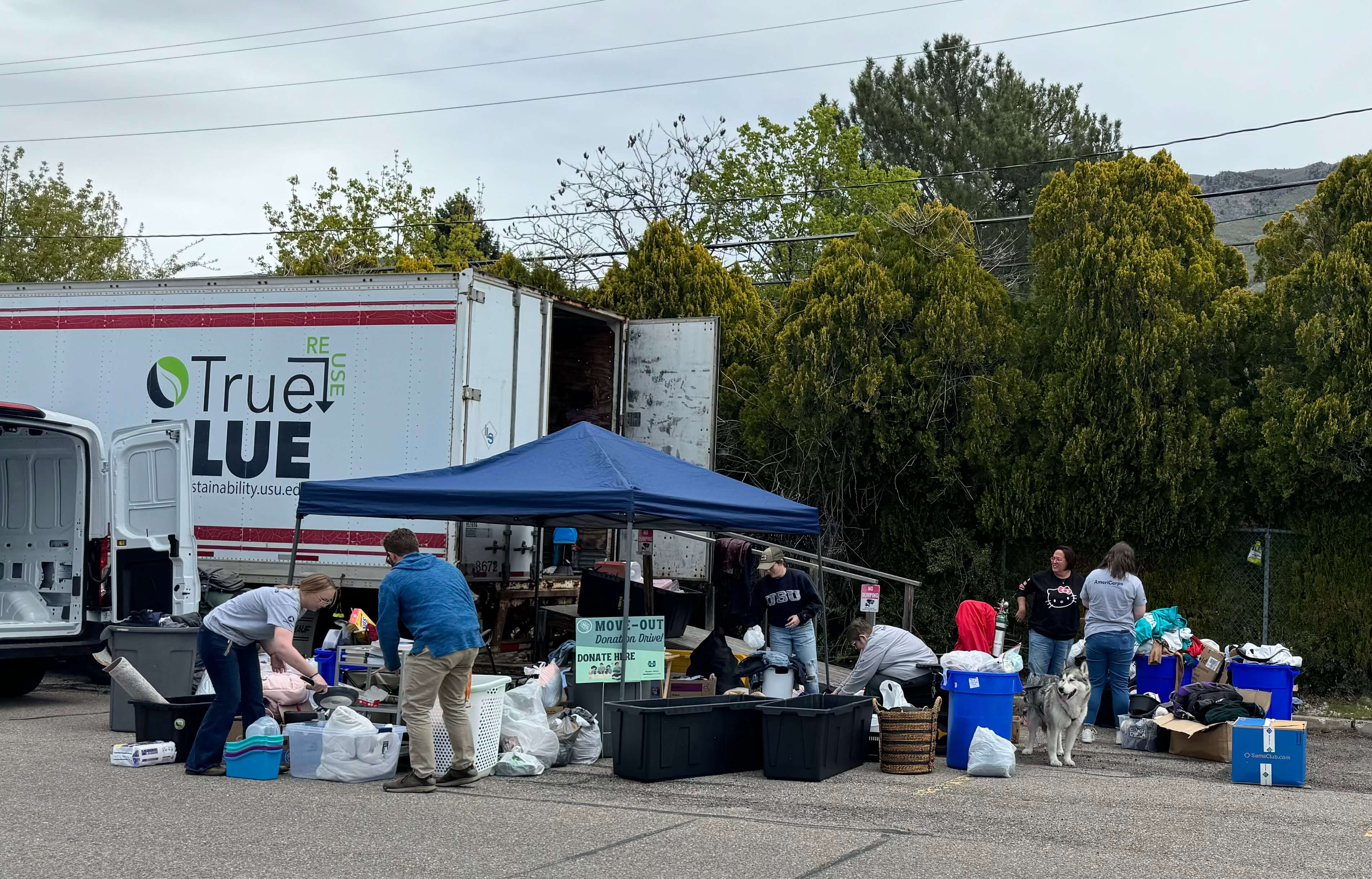
Live on campus? When you move out at the end of the school year, donate what you can't pack to our Move Out Collection Drive. On the Saturday before fall semester starts the next year, break the waste cycle by finding FREE items at the TBR&R Trailer located in the parking lot near San Juan Hall in the Student Living Center! 1295 East 1000 North Logan, Utah 84321. This is a great, free alternative to students stocking up on supplies for back-to-school only to toss them when it's time to move out. Save money and reduce textile waste by shopping for free with COSAS at the beginning of the year and donating things you can't take at our move out drive!
If you are interested in learning more or donating to TBR&R, you can visit their website.