
Latino Perceptions of Nature, Recreation, and Community Engagement in Wasatch and Summit Counties, Utah
Introduction
Highlights
- Family and recreation activities are well embedded in Latino community members daily lives.
- Language represents a barrier for recreational activity involvement.
- Communication is often limited by personal contacts and social media groups.
- Most participants mentioned that they have positive experiences with recreational activities involving nature from their countries of origin.
Emigrating from another country often creates challenges in understanding a new culture and its social, legal, and economic systems. Individuals with limited English proficiency (LEP) often face challenges in finding jobs, accessing adequate healthcare services, and obtaining language access. The Utah Language Data Report (2022) indicates that about 15% of Utah residents older than 5 years speak a language other than English at home, and Spanish is the second-largest language spoken at home after English (about 300,000 speakers).
Research shows that schools and healthcare institutions in the western United States (U.S.) often struggle to provide adequate language accommodation for residents with LEP (Palmer-Wackerly et al., 2020). Many community organizations are seeking to create more inclusive spaces where residents can meaningfully participate in educational, civic, and recreational programs. Creating these spaces goes beyond translating flyers and materials. It involves reducing linguistic and cultural barriers that could prevent community members from getting involved in events, participating in decision-making, accessing services, and engaging in environmental programs. Examples include providing an interpreter during public events, developing culturally responsive outreach, and including all residents in community decision-making and initiatives.
Studies show that people with LEP prefer to limit their social interactions to where culture and language “feels familiar” (Bloemraad, 2006). Inadequate access to interpretation, bilingual information, or culturally responsive communication can lead to social exclusion, reduced engagement, and lower levels of trust in institutions. Conversely, multilingual communication practices and language-concordant services have been associated with improved participation, stronger community relationships, and greater confidence in institutional systems (Pandya et al., 2011).
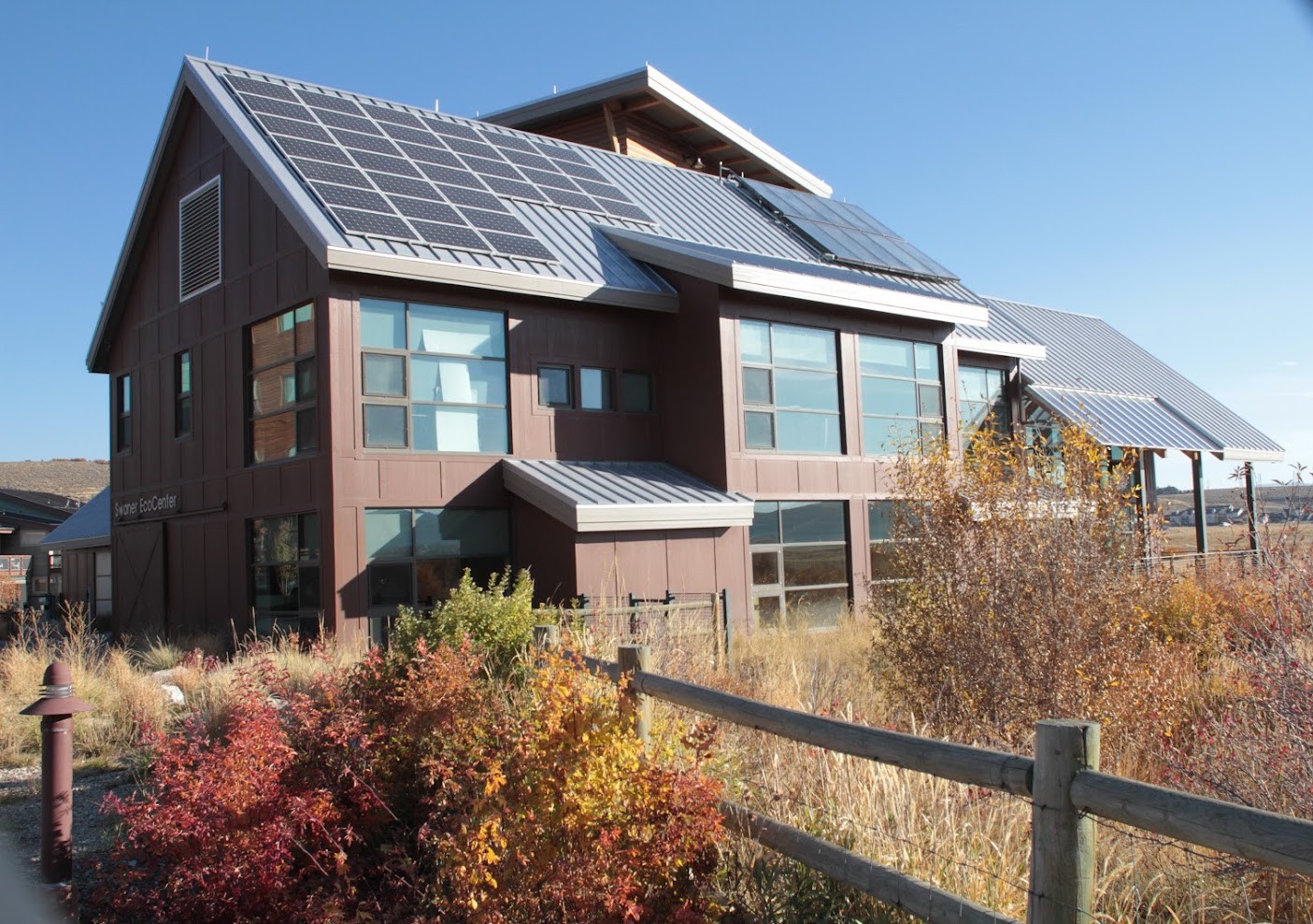
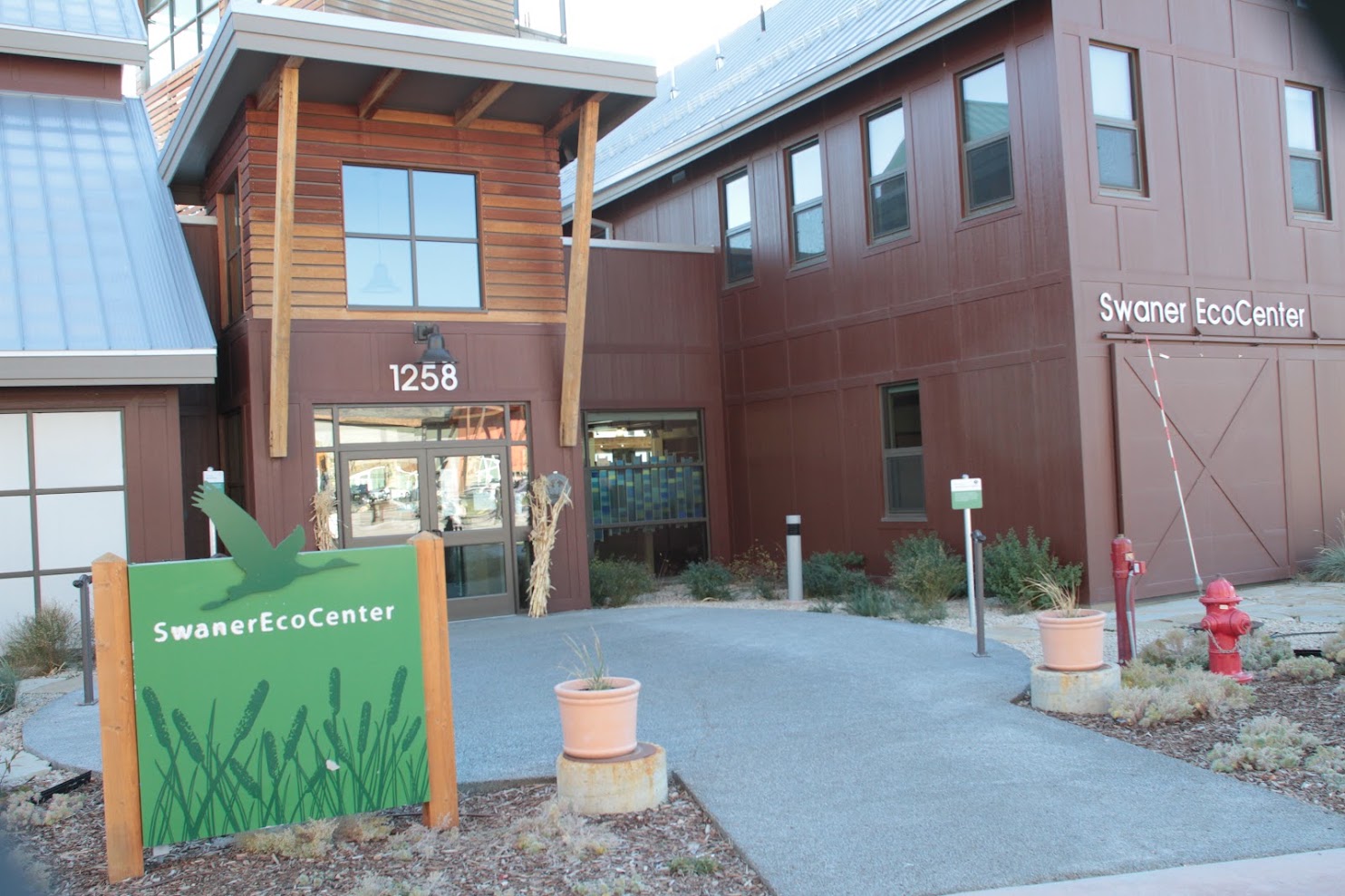
As part of a new strategic plan, professionals at Utah State University’s Swaner Preserve and EcoCenter (SPEC) in Park City, Utah, wanted to better understand how to serve the Latino population in the area, including residents with LEP. Summit and Wasatch counties have a Latino resident population of 13% and 16%, respectively (U.S. Census Bureau, 2025). The center’s mission is to preserve the land and the human connection to the natural landscape, educate the local and broader communities about the value of nature, and nurture both the ecosystem and the people connected with it. This mission aligns with efforts to increase language accessibility, since effective connections to nature, the environment, and community engagement should be available to all residents, regardless of their language and cultural background. By addressing these barriers, SPEC can expand participation in its programs, promote a greater sense of belonging among Latino residents, particularly those with LEP, and ensure their voices can contribute to conversations about environmental education, preservation, and community well-being.
This fact sheet shares what we learned from 40 interviews with Latino residents. It describes the barriers they face in joining recreation and nature activities in Summit and Wasatch counties, how cost, culture, and language affect their involvement, and practical steps SPEC and similar organizations can take to reach more Latino families.
How We Gathered Information
We interviewed 40 Latino adults on three occasions between December 2024 and February 2025. We recruited participants through SPEC’s social media platforms and through community nonprofit partners: Park City Community Foundation (Youth United) and Holy Cross Ministries of Summit County. Participants were Latino and Hispanic adults, living or working in Summit and Wasatch counties, with a range of English skills. Most interviews were in Spanish. Interviews covered ten topics:
- Knowledge of SPEC.
- Recreational activities.
- Family gatherings.
- Community involvement.
- Views of nature.
- What helps and what limits outdoor engagement.
- Communication resources.
- Environmental values.
- Perceptions of inclusivity and accessibility in outdoor spaces.
- Health services.
We also asked basic background questions. Interviews were recorded, transcribed, and translated into English. We then reviewed them for common themes, both on the topics we asked about and on new topics participants raised.
Who We Talked To
Participants ranged in age from 24 to 59: 28.1% young adults (24–34 years), 43.8% mid-adults (35–49 years), and 28.1% mature adults (50–59 years). Mid-adults were the largest group. Overall, most participants (71.9%) were established working-age adults between 35 and 59.
Most participants were married women with minor children (73%), married men with minor children (21.3%), single women with no children (3.1%), and single men with children (2.6%). Nearly all participants (96.9%) have children under 18, and about a third (34.6%) of these households own a home.
Most participants work in hospitality and recreation or domestic and cleaning jobs (60%; see Table 1). Education levels were: elementary-middle school (21.9%), high school (18.8%), university degree (59.4%). Most participants (68.8%) live in the Park City area, 12.5% live in Summit County (Kamas and Oakley), 12.5% live in Wasatch County, and 6.2% live in Davis and Salt Lake counties.
Table 1. Income Distribution by Sector of Employment
| Employment sector | Under $25k | $25k–$35k | $35k–$50k | $50k–$75k | $75k–$100k | $100k+ |
|---|---|---|---|---|---|---|
| Hospitality and recreation | 0 | 9 | 1 | 0 | 1 | 0 |
| Domestic and cleaning | 3 | 9 | 1 | 0 | 0 | 0 |
| Construction and landscaping | 2 | 3 | 1 | 2 | 0 | 0 |
| Education and childcare | 0 | 2 | 0 | 1 | 0 | 1 |
| Retail and food delivery | 2 | 2 | 0 | 0 | 0 | 0 |
| Total | 7 | 25 | 3 | 3 | 1 | 1 |
What We Learned
Below are the main findings, grouped by interview topic, followed by key takeaways.
“No, it was curiosity that brought us
here…. We didn’t know what it was. Even
in Colombia, since we’re very nature-
loving.”
1. Many Residents Don’t Know About SPEC
Most interviewees were not aware of SPEC services. Some of these participants recognized the building or nearby landmarks without ever having gone in or knowing what was inside. A third of the group indicated that they knew about the center because their children's school had organized a field trip, or because a community gathering had been held there.
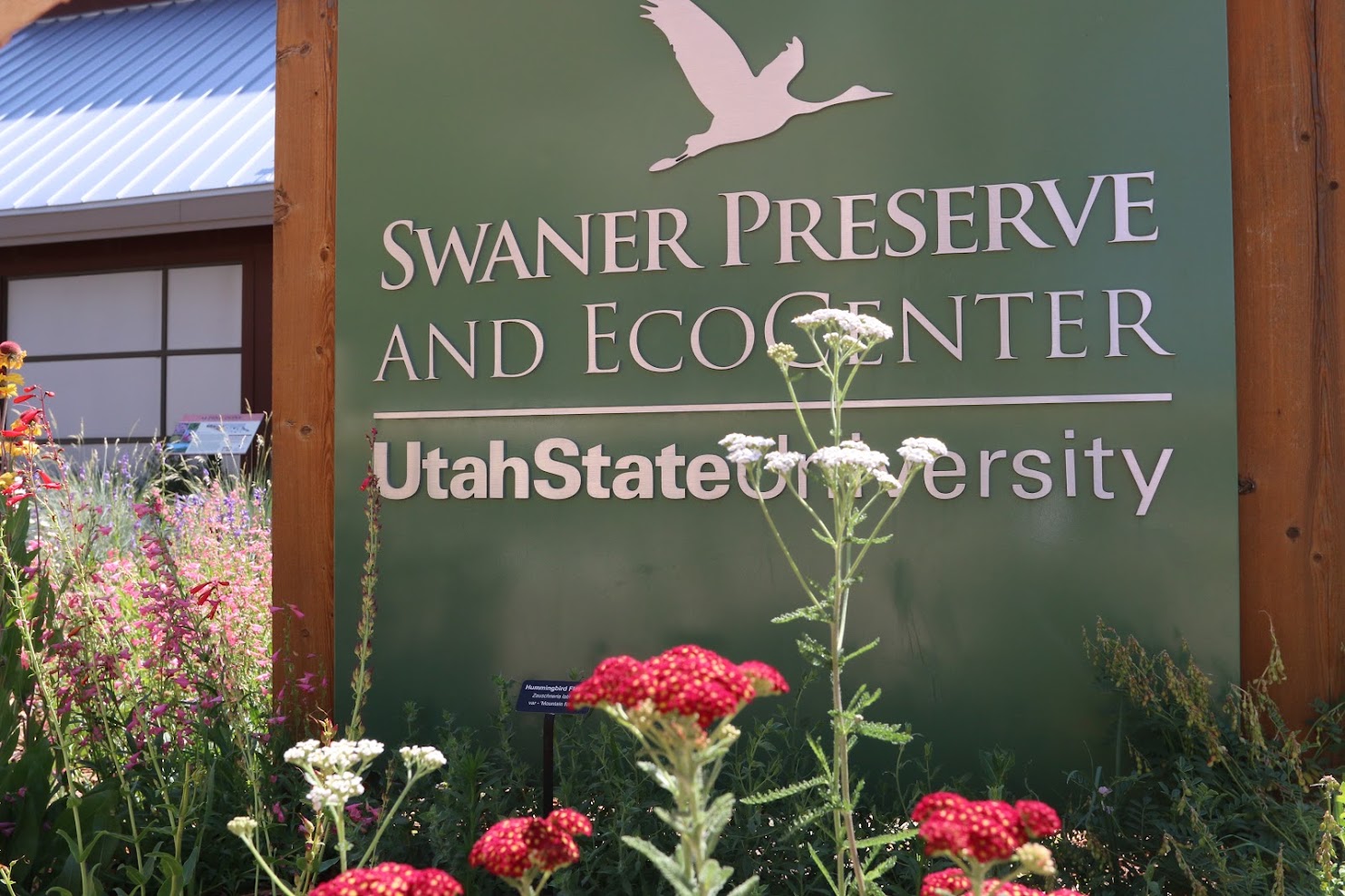
A Colombian resident in New Park (the commercial and residential development where SPEC is located) described the main barrier: not knowing about SPEC. Even as a self-described nature-lover, this resident first visited the center out of curiosity, not because of outreach. Participants whose children visited SPEC on a school trip knew about the place but were unfamiliar with its services or the resources and activities available.
2. How Residents Get Community News
We asked participants how they usually hear about community events and services. Most rely on informal networks and a small set of trusted channels (see Table 2).
Table 2. Sources of Information and Their Functions
| Channel | How it is used |
|---|---|
| WhatsApp groups | Peer-to-peer dissemination of events, services, and recommendations: Holy Cross "Amigos Informados," Youth United, mom groups, "Latinos en Wasatch," Summit County Health Department channels. |
| Instagram and Facebook | Discovery of public events and community announcements: Park City Forum, Heber Police, "Pregúntale a Park City," Latino Coalition Heber, organizational pages. |
| Schools | Information distributed through teachers, flyers, and parent networks, and after-school programs. |
| Christian Center | Faith-based hub for information and family support: after-school programming, holiday outreach, and a physical hub for posted flyers. |
| Park City Community Foundation (Youth United) | Programming and announcements oriented to youth and families: scholarships and information for sports, skiing, biking, and outdoor programming. |
| Workplace coworkers | Word-of-mouth dissemination, particularly for recently arrived participants without established networks. |
“Youth United has been amazing because
we've been able to receive grants for many
after-school activities.”
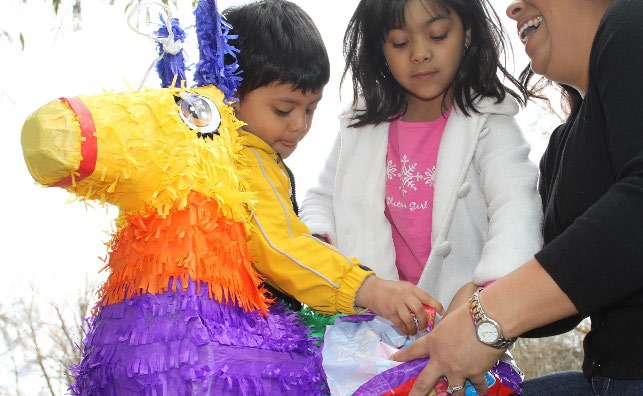
Participants often join these channels through their children’s schools and sports coaches. They said most city events and programs lack clear, visual, Spanish-language information. Some participants said they searched social media for local programs but could not find content directed at Spanish-speaking audiences. A couple of participants mentioned that they had good experiences when going to a healthcare facility and they found bilingual staff and translated forms in Spanish.
Shared Through Informal Channels
Most Trusted Community Organizations
Participants named three organizations they trust most for information and support:
- Park City Community Foundation (Youth United): its Youth United program helps families get involved by providing scholarships for high-cost activities like skiing and mountain biking.
- The Christian Center of Park City: acts as a primary safety net through "Operation Hope" and food support, particularly for families experiencing seasonal unemployment.
- Holy Cross Ministries of Summit County: this faith-based nonprofit’s local branch functions as a trusted source for health and legal information and organizes community hikes.
Note: These organizations helped recruit participants for this study, which may partly explain the high level of trust in them.
3. How Families Spend Time Outdoors
“We like to make a list, and she looks for things in
nature: a butterfly, a flower, a stick of a
certain color.”
We asked participants what outdoor activities they enjoy. Outdoor recreation is a regular part of family life. Activities were generally informal and inexpensive. Participants drew on positive memories from their countries of origin. This love of nature can be a bridge to joining local programs that feel welcoming and familiar.
Popular activities:
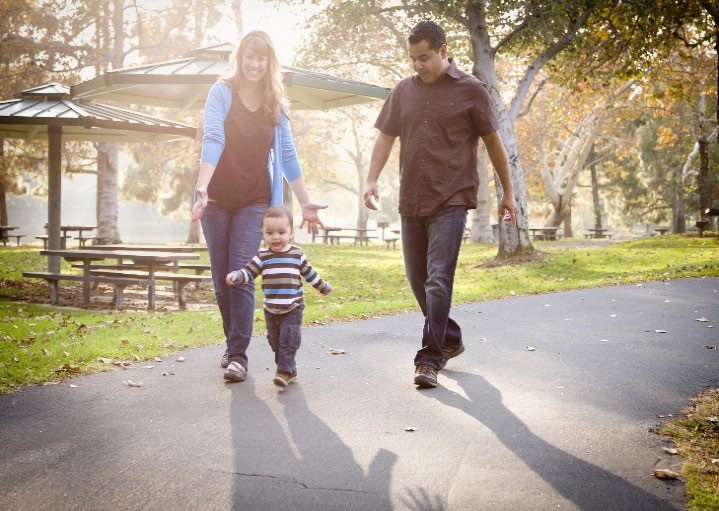
- Walks near the home, often after meals, with daily or weekly frequency.
- Visits to local parks and to lakes such as Bear Lake.
- Seasonal activities including tubing and short hikes.
- Visits to zoos and other family-oriented sites, primarily in the summer.
- Dance, ice skating, art, and school-based gardening or harvesting projects.
- Programming associated with the Christian Center of Park City.
- Activities organized by Park City Community Foundation’s Youth United program.
Common patterns:
- Frequency varied from daily to once or twice per month.
- Cost and ease of access were the main factors in choosing activities.
- Some avoid unfamiliar places because they assume they will be expensive or hard to find.
- Many spend time mostly with immediate family because extended family does not live nearby. Some also spend time with other Spanish-speaking parents from school and other activities.
- Participants indicated interest in nature-based programming for children, including tree planting, outdoor exploration, and conservation activities.
4. Social Life Centers on Family and Spanish Speakers
Participants’ social lives center mainly on family and Spanish-speaking community events, with limited connection to the broader community. For example, one participant indicated that even though she travels to Park City for work, she does not consider it part of her social or community environment, a sentiment expressed in similar terms by other participants.
Participants tended to describe Park City as the place where they worked. Living costs in high-end communities like Park City are out of reach for most of the households we interviewed, so they see it as a place for jobs rather than recreation. Most participants said that both parents in families work full time and the only day off is Sunday; therefore, they dedicate this day to attending church and spending time with the family. Some participants reported feeling uncomfortable, anxious, or fearful when they are invited to events where language is a barrier.
5. Residents Want to Get Involved
We asked participants how they are involved in their communities, including through nature and recreation activities. Participants want to take part in campaigns such as planting trees, cleaning green areas, and other types of nature activities. Most respondents are already involved with sports, religious, and education nonprofit organizations in their communities. Participants are interested in bringing their children to environmental education events. Their children take part in many after-school activities, mostly through schools or community groups rather than environmental organizations. Many participants reported that their children are involved in sports programs.
“I felt good knowing that (leader) was going
to be in the ski lesson with us.”
Participants have strong ties with the youth and religious nonprofits in Summit and Wasatch counties, and they see leaders in these organizations as guides to understanding the education, healthcare, and legal systems in the United States. Many participants expressed that they feel more comfortable going to activities where those leaders are present. Partnering with these organizations to share SPEC events could be an effective way to reach Latino families.
6. Nature Matters to Families
“When you go outside, it’s as if your
problems just go away. Your body gets
relaxed, and getting in touch with the land
feels amazing.”
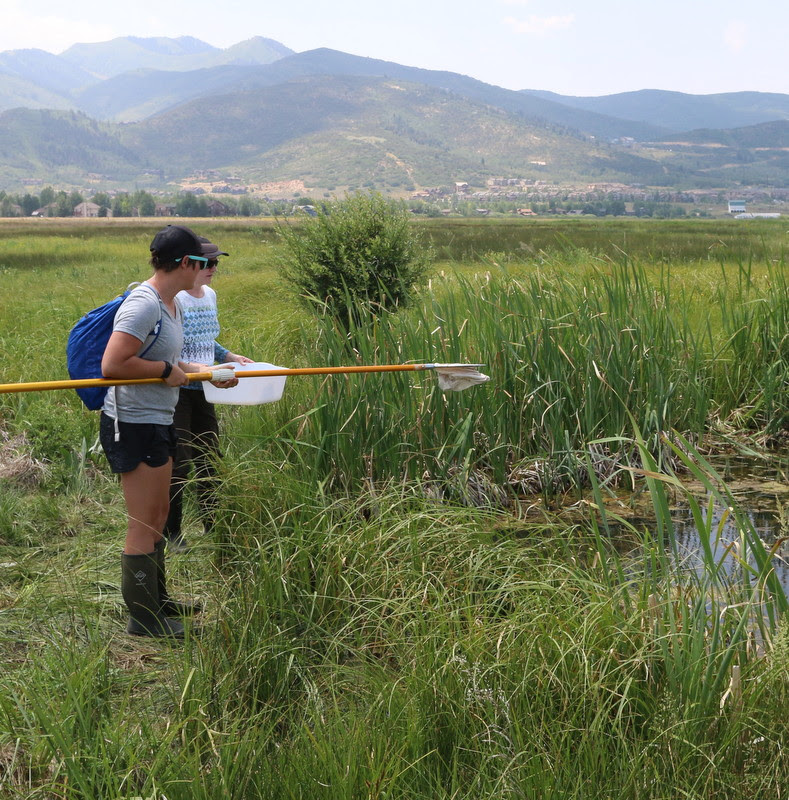
When asked how they feel connected to the natural environment, participants described nature as a source of emotional comfort, renewal, and connection across generations. Many participants associated time spent in natural settings with emotional well-being, stress reduction, and opportunities for mindfulness and personal reflection. Others emphasized the importance of outdoor activities as a means of strengthening family relationships, fostering a sense of unity, and encouraging children to engage with the natural world rather than spending excessive time on electronic devices. Additionally, several participants described their connection to nature as spiritual, describing natural environments as spaces that promote feelings of peace, gratitude, and connection to something larger than themselves. Participants also described contact with nature as an outlet for the stress of a demanding work week and as a way of recalling memories from their countries of origin.
Preserve and EcoCenter
Nature represents:
- Stress reduction and personal mindfulness.
- Family unity and time away from screens.
- A spiritual experience.
Ties to home countries:
- Several participants connect their love of nature to their countries of origin, including agricultural and rural landscapes in Mexico, Colombia, other South American countries, and Spain.
- Family memory shapes recreational preferences, including camping, fishing, and gardening practices.
- Nature evokes childhood memories from their countries of origin.
7. Programs Residents Would Attend
Participants reported little awareness of local nature programs, but they expressed interest in participating in:
- Guided hikes at times when they don't work, such as Sundays.
- Educational programs about wildlife.
- Bilingual or Spanish instruction for children and families.
- Activities such as green area cleaning, recycling awareness, etc., during sports gatherings or other events.
Key Takeaways
Four big-picture themes came up throughout the interviews, shown in Table 3.
Table 3. Key Takeaways
| Theme | Description |
|---|---|
| Perceived socioeconomic distance | Park City was described as a place of employment rather than belonging or recreation. |
| Outdoor environments as a site of psychological respite | Outdoor settings functioned as an affective outlet, particularly for mothers managing multiple responsibilities. |
| Need for linguistic and cultural accessibility | Limited Spanish-language materials and the absence of culturally relevant outreach were associated with nonparticipation. |
| Latent interest in community leadership and contribution | Several participants expressed willingness to organize or co-lead family-oriented programming. |
Tips for Reaching Latino Families
Based on what participants told us, we suggest the following steps (Table 4). Because this was a small study, these suggestions are a starting point.
Table 4. Five Ways to Increase Latino Participation in Nature Programs
| No. | Practice | Why it matters |
|---|---|---|
| 1 | Develop Spanish-language outreach materials. | Participants said a lack of Spanish-language information on social media and through schools is a main reason they don’t know about programs. |
| 2 | Offer free or low-cost family programs. | Participants reported time and cost constraints and expressed preference for free or low-cost family activities. |
| 3 | Establish partnerships with trusted organizations. | Schools, the Christian Center, and Youth United were often named as trusted messengers. |
| 4 | Offer hands-on conservation activities. | Tree planting, guided walks, and family stewardship activities were specifically mentioned by participants as activities they would attend. |
| 5 | Develop community leadership roles. | Some participants expressed willingness to co-lead or promote programming, suggesting an opportunity for community-based outreach. |
Notably, since this study, SPEC has incorporated the results into its 2030 Strategic Plan and made progress toward achieving a number of the specific practices identified in the table above. The EcoCenter has increased and emphasized free programming opportunities in its marketing materials, expanded family activities on weekends, and expanded collaborations with school districts and trusted community partners to increase outreach in both English and Spanish.
Summary
Latino community members are actively participating in workforce and hospitality services in places such as Park City, where there is a need for qualified labor to take care of the resorts, restaurants, and cleaning services that drive the economy and lifestyle of residents and visitors. These workers are an important part of the regular functioning of these communities and the economies that sustain them. Limited English creates practical and emotional barriers that keep many of these residents from taking part in nature programs and events. Offering materials in Spanish and using trusted channels for outreach can build trust and increase participation of these communities.
If you have any comments or questions, please contact Elsa Perez at elsa.perez@usu.edu.
Acknowledgments
This study has some limits. Most of the 40 people we interviewed were women (76%). Most participants were married and working full- or part-time. In the future, we hope to learn from Latino communities in other mountain resort towns. Talking with more men, recent arrivals, and youth in the Park City area could also add to these findings.
Except for the images on pages 1 and 5, photos in this fact sheet were provided by Dennis Hinkamp, USU Extension.
The authors did not use generative AI in creating this content; it is solely the authors’ work.
References

October 2026
Utah State University Extension
Peer-reviewed fact sheet
Authors
Elsa Perez, Utah State University (USU) Department of World Languages; Jessica D. Ulrich-Schad, USU School of Social Sciences; Community and Natural Resources Institute; Lewis Kogan, USU Extension, Swaner Preserve and EcoCenter; Isaac Helton, Undergraduate student, USU School of Social Sciences and Translation Program
Jessica Schad
Rural Communities & Natural Resources Specialist
Sociology & Anthropology Department

Lewis Kogan
Executive Director | Swaner Preserve and EcoCenter
Agriculture and Natural Resources