Outcomes & Impact Quarterly – Volume 2 2026

A Message From the Vice President

As I reflect on the work of USU Extension across Utah from this past year, I’m reminded that our greatest strength lies in being deeply rooted in the communities we serve. That connection allows us to turn research into real-world impact—supporting youth, strengthening agriculture, and helping families and communities thrive.
This issue highlights how Extension is preparing the next generation for life and work, advancing resilient and sustainable agricultural systems, and improving well-being for individuals and families across the state. Together, these efforts reflect our ongoing commitment to growing Utah’s future through trusted relationships, practical solutions, and community-based impact.
Sincerely,
Justen O. Smith
Vice President, USU Extension and Director, Agriculture and Natural Resources Department


Agriculture & Natural Resources
Strengthening Utah’s Ag and NR for Food Security
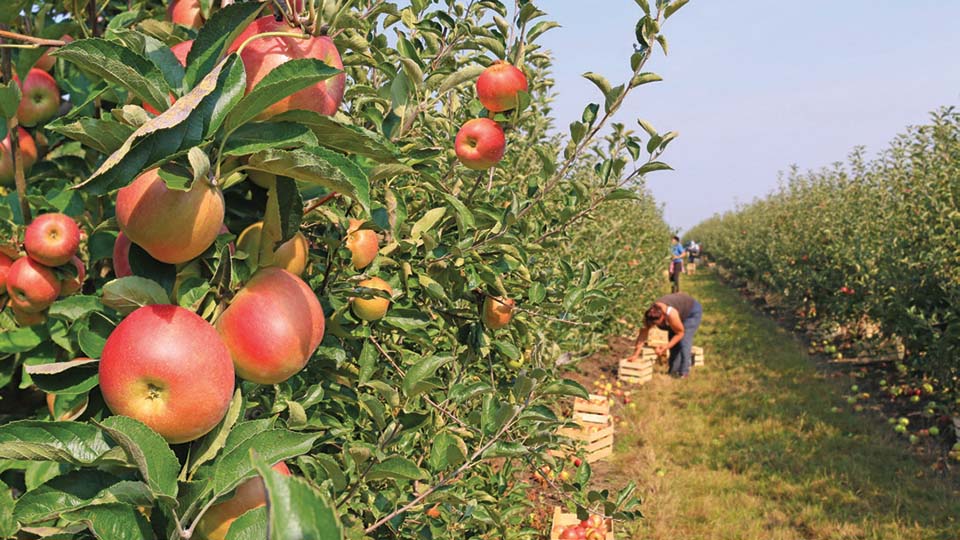
Utah’s agricultural and natural resource systems face growing challenges from water scarcity, climate variability, rising input costs, invasive species, and changing market demands. These pressures affect food security, environmental sustainability, and the economic viability of farms and ranches. At the same time, population growth and interest in local food production place additional demands on agricultural systems.
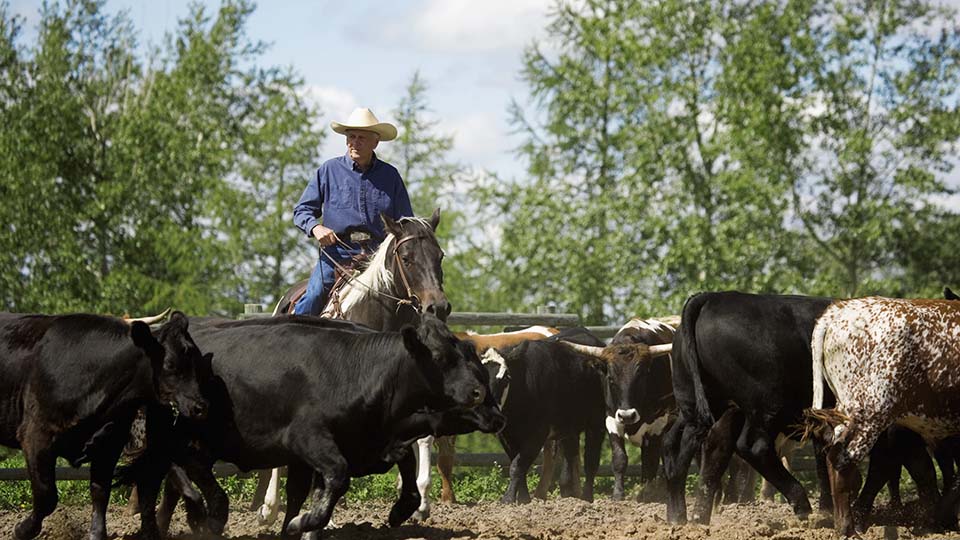
In 2025, USU Extension’s Agriculture and Natural Resources faculty delivered applied research, field demonstrations, workshops, consultations, and technology-driven solutions focused on crop production, livestock and grazing management, horticulture, water conservation, and natural resource stewardship.
Programs addressed soil fertility, pest management, irrigation efficiency, crop diversification, grazing systems, livestock reproduction, and emerging technologies such as virtual fencing. Drone technology was used to locate livestock and identify irrigation system inefficiencies, while water management initiatives provided data to support more efficient use of limited resources.
Horticulture and urban agriculture programs expanded household and community food production through Master Gardener volunteers, educational programs, and digital outreach. Natural resource efforts promoted food security, collaborative land management, invasive species control, ecosystem restoration, and partnerships among stakeholders.
USU Extension programs produced significant economic, agricultural, and environmental benefits across Utah:
- Agronomy programs increased crop yields by 7.4%, generating an estimated $4.2 million annually in direct economic impact and up to $8 million in broader economic effects.
- Fertilizer optimization saved Utah corn producers an estimated $3.2–$4.2 million annually.
- Livestock and grazing programs generated more than $1.6 million in economic benefits, while improved grazing practices demonstrated the potential to increase stocking rates by up to 75%.
- Extension-supported market development efforts generated $2.82 million in wheat sales.
- Drone-assisted livestock management helped recover animals valued at more than $300,000.
- Master Gardener volunteers contributed more than 4,450 service hours valued at over $143,000.
- Natural resource initiatives supported restoration across tens of thousands of acres, secured millions of dollars in funding, improved water-use efficiency, and strengthened collaborative land stewardship.
2025 Agriculture & Natural Resources Highlights
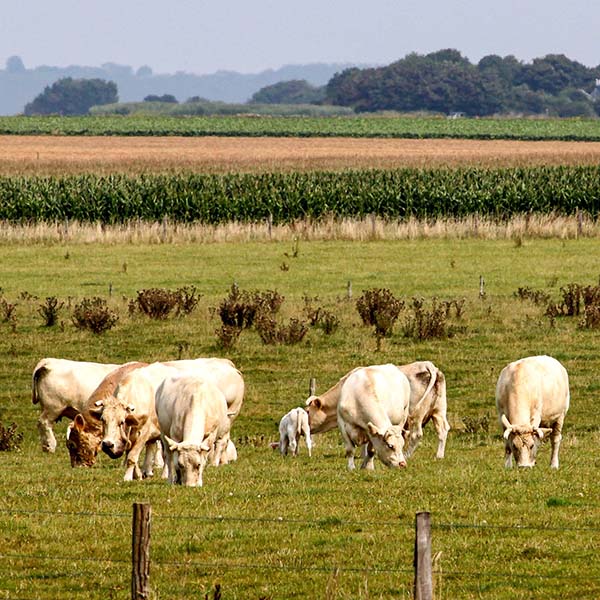
Following the Monroe Canyon Fire, USU Extension and its partners used virtual fencing to preserve grazing access for ~1,569 cattle owned by 16 producers.
Without this intervention, producers could have faced $468,050 in additional feed costs annually. Estimated savings are $936,100 over two years or $1.4 million over three years.
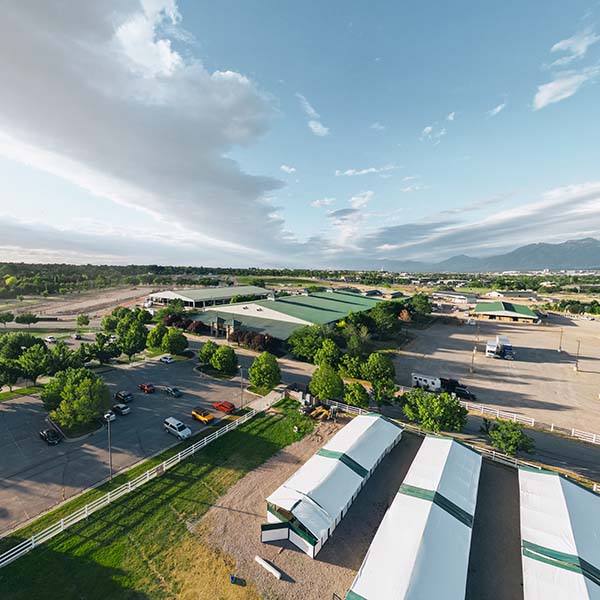
The Utah Division of Natural Resources awarded USU’s Bastian Agricultural Center $1 million to develop the Silo Slopes Bike & Snow Park. The project will expand access to outdoor recreation and education for youth from Salt Lake and Utah County and across the state through 4-H and school partnerships.
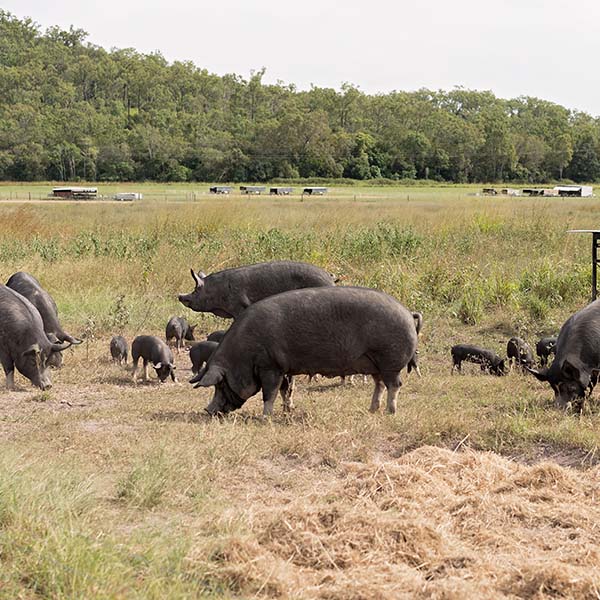
Summit County’s youth livestock sale generated >$950,000 at the Summit County Fair, with 169 animals sold – a significant local economic contribution to help young people develop agricultural, financial, entrepreneurial, and workforce skills.

The Davis County diagnostic clinic completed >500 plant and pest consultations with a 94% resolution rate. These services help residents avoid unnecessary pesticide treatments, select climate-appropriate plants, and protect their landscape values.

Garfield and Piute County Extension offices delivered natural-resource education to 554 elementary students and 122 adults. In Duchesne County, more than 300 youth and 90 adults participated in 12 hands-on livestock events, building agricultural knowledge, confidence, and practical skills.
Home & Community
Strengthening Utah Families and Communities
Utah families face interconnected challenges that affect financial security, health, and overall well-being. Economic pressures leave many households vulnerable to unexpected expenses, while food insecurity and limited nutrition knowledge contribute to poor dietary outcomes and increased risk of chronic disease. Family stress, relationship conflict, and major life transitions can negatively affect mental health, child development, and long-term family stability. Barriers such as cost, access, and confidence often limit participation in educational and wellness opportunities, particularly in rural communities.
In 2025, USU Extension’s Home and Community Department implemented a statewide, research-based approach to strengthen financial capability, family relationships, nutrition, and community well-being. Programs were delivered through workshops, virtual courses, community events, self-guided resources, and train-the-trainer models to increase accessibility and reach.
Financial education programs taught budgeting, debt reduction, goal setting, and emergency savings. Relationship and family programs provided tools to improve communication, strengthen family connections, and support positive co-parenting. Nutrition and health initiatives, including Create Better Health (SNAP-Ed), NourishHealth, and Diabetes Cook Along, helped participants improve food choices, meal planning, cooking skills, and disease management. Community wellness programs promoted physical activity, social connection, and mental well-being through accessible, community-based activities.
USU Extension programs produced measurable improvements across financial, relational, nutritional, and wellness outcomes. Participants reported greater financial knowledge, confidence, budgeting, savings, and debt reduction, leading to improved financial resilience.
Nutrition and health programs increased:
- Fruit and vegetable consumption
- Nutrition knowledge
- Confidence in meal planning and food preparation
- Food Security
- Healthy behaviors over time
Family and relationship programs strengthened:
- Communication
- Problem solving
- Family connection
- Relationships
- Engagement with children
- Commitment to reducing conflict
Community wellness initiatives improved:
- Physical activity
- Social connections
- Mental well-being
- Quality of life
- Family stability
- Community resilience
2025 Home & Community Highlights

Five rural businesses launched e-commerce websites through USU Extension’s E-Commerce Accelerator. Six participating businesses reported increased online sales, generating more than $268,000. Since 2023, participating businesses have had ~$1.8 million in sales.

USU Extension led the nation in youth physical activity. Utah’s Marathon Kids Summer Movement Challenge ranked No. 1 among 161 programs in 31 states. Its 298 participants logged 19,272 miles, equivalent to ~735 marathons.

Remote-work training connected rural Utahns with employment. Of 52 participants in the Certified Remote Work Professional course, 47 completed it, and 97% said the program increased their value as remote workers and empowered them to pursue remote employment. Fourteen graduates secured jobs.

~1,500 people participated in a USU Extension personal finance workshop or course from April through June, showing the need for education that strengthens household financial stability and self-sufficiency.

NourishEd served 120 Uintah County participants and distributed 500 pounds of locally produced food. This improved access to nutritious food while supporting local agriculture.

USU Extension’s HEART Initiative reached >1,000 residents through 9 behavioral health events in Carbon and Emery County. The initiative connected families and youth with substance-use prevention, mental-health, and wellness resources while strengthening local partnerships.
4-H & YOUTH PROGRAMS
Preparing Utah Youth for Life and Work
Utah youth face increasing challenges related to mental health, workforce readiness, and access to meaningful skill-building opportunities. Stress and anxiety can affect well-being, while many youth, particularly in rural communities, have limited access to enrichment, mentorship, leadership, and career exploration. Employers and communities also expect skills such as problem-solving, communication, responsibility, and teamwork, yet youth need opportunities to develop and practice these skills.
In 2025, USU Extension’s 4-H and Youth Programs Department used a statewide, research-based approach grounded in Positive Youth Development and the 4-H Beyond Ready framework. Programs were designed to build competence, confidence, connection, character, caring, and contribution while preparing youth to be Ready for Work and Ready for Life.
Afterschool programs, camps, youth clubs, leadership initiatives, STEM activities, and career exploration provided hands-on learning and opportunities to practice skills with support from mentors and peers. Specialized programs addressed mental health, substance use prevention, literacy, college readiness, and emerging career fields. Programming also expanded access to technical and leadership opportunities in rural communities.
STEM and career initiatives increased technical skills and career awareness, while more than 90% of participants in college-readiness programs reported greater preparedness to pursue higher education. Leadership, mentoring, and service-learning opportunities extended benefits to peers and communities through increased civic engagement and service. These efforts strengthened protective factors, expanded access to skill development, and helped prepare a more confident, resilient, and workforce-ready generation of Utah youth.
Youth reported improvements in:
- Character
- Caring
- Connection and contribution
- Problem-solving
- Leadership
- Work ethic
- Emotional well-being
- Happiness
- Stress and anxiety
- Confidence
- Resilience
- Academic engagement
- Social interactions
2025 4-H & Youth Program Highlights
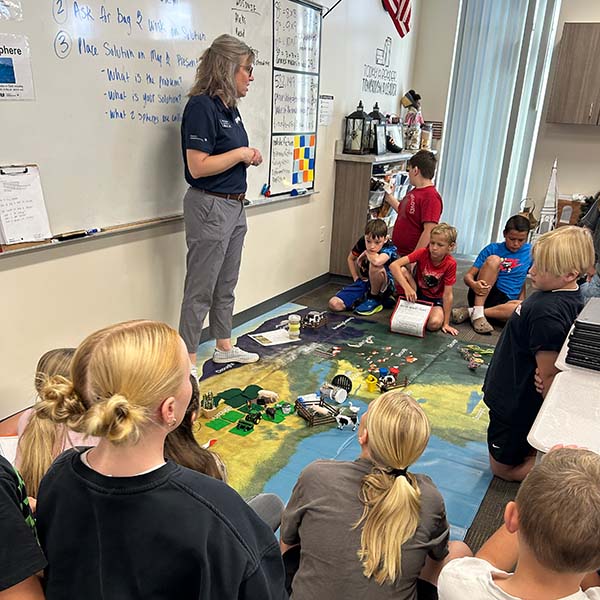
During the 2025–26 school year, Utah 4-H’s iSEE program brought hands-on STEM learning to 5th-grade classrooms in every Utah county. The program provided 18,579 students classroom outreach experiences and another 10,202 students field trip experiences. Through engaging, experiential activities, students explore science, technology, engineering, and natural resources while building curiosity, problem-solving skills, and awareness of future educational and career opportunities.
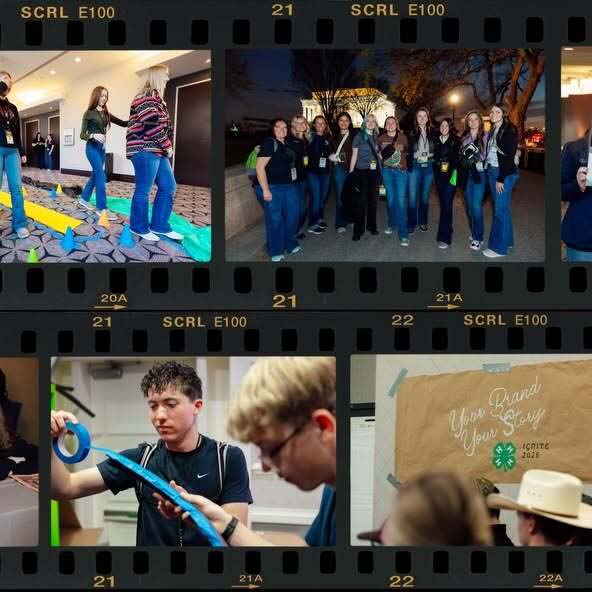
Utah 4-H sent 66 youth and adults to Ignite by 4-H in Washington, D.C. Participants explored new interests, built friendships, visited national landmarks, and strengthened leadership skills. Utah youth presented 15 workshops to peers from across the country. Three State Agriscience Ambassadors and their advisor were also invited to the Great American Agriculture Celebration at the White House, providing an opportunity to experience agriculture and civic engagement on the national stage.
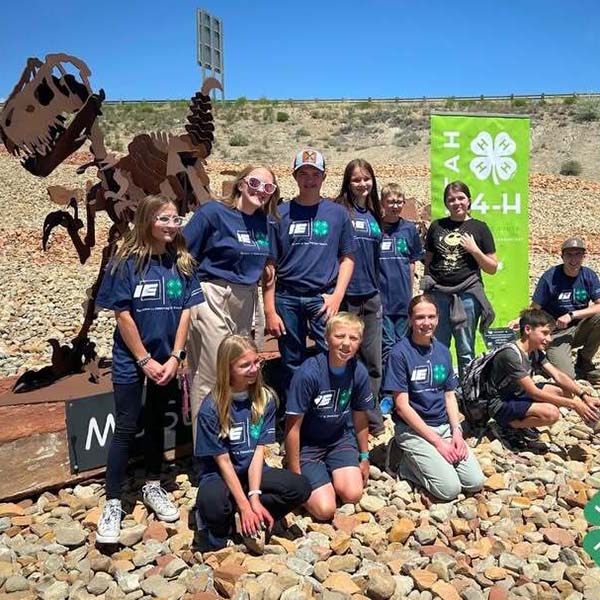
Carbon County 4-H youth put STEM skills to work by designing and building a solar-powered lighting system for the iconic dinosaur welcoming visitors to Price. Using curriculum developed by professional engineers, youth learned how solar technology works and then built the system themselves. Intermountain Electronics provided support and volunteers to help bring the project to life. The project is 4-H Beyond Ready in action, building durable skills in problem-solving, teamwork, technical skills, and communication while allowing youth to make a visible difference in their community.
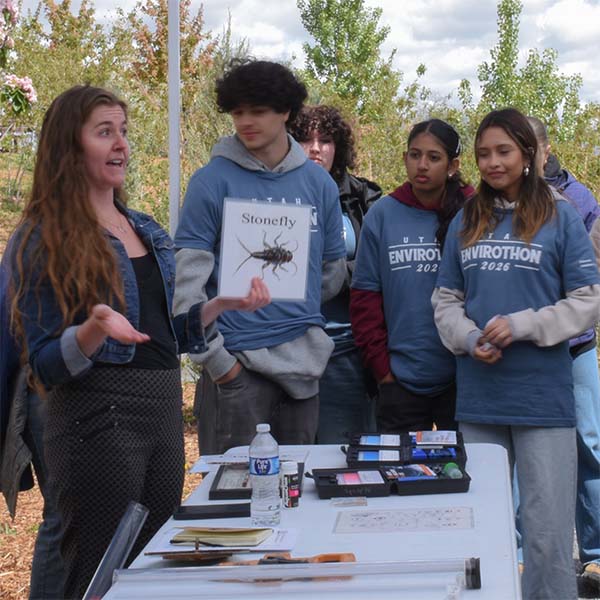
Teens from across Utah gathered in Salt Lake County for the 2026 Utah Envirothon, putting their environmental and natural resource knowledge to work through hands-on competition. Logan High School won the Utah Envirothon, Granite Technical Institute won the 4-H Forestry Invitational, and Wasatch High FFA won the Wildlife Habitat Evaluation Program. State winners earn the opportunity to represent Utah at national competitions, taking their skills to the next level. The Utah Conservation Districts supported the 2026 event.