
5 Reasons Why Having Family Rituals Matter More Than You Think

In a world that seems to move faster every day, it’s easy to get swept up in the chaos of work, school, errands, and digital distractions. But amid all this hustle, family rituals offer something profoundly grounding. They’re not just routines or habits—they’re meaningful patterns that bind a family together. Rituals give your days rhythm, your relationships structure, and your family a sense of belonging.
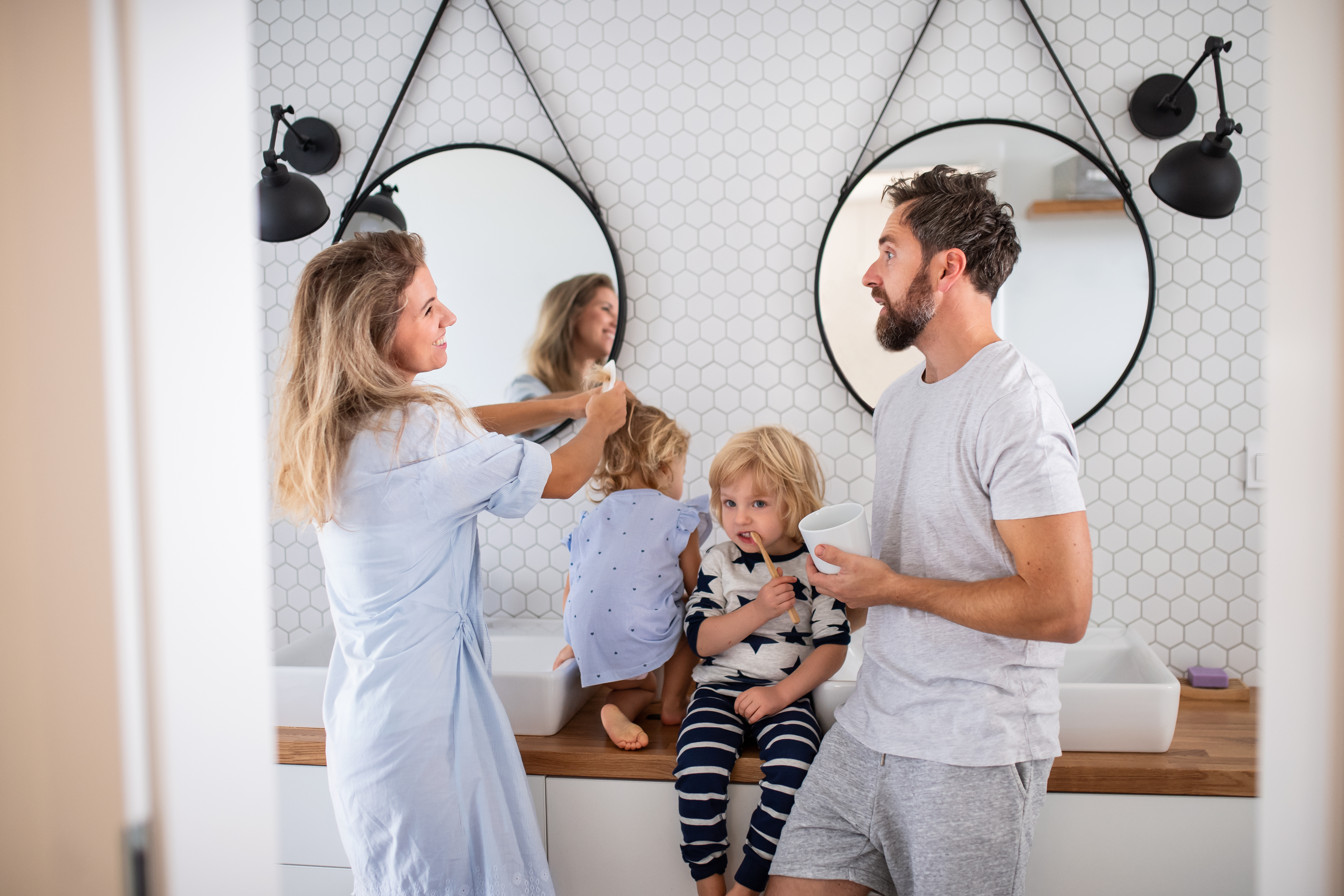
Whether it’s brushing teeth together before bed, Sunday night dinners, or annual holiday traditions, these shared moments build a unique family culture. They provide consistency, comfort, and opportunities for connection. In both marriage and parenting, rituals serve as a powerful tool to strengthen emotional bonds, foster teamwork, and create lasting memories.
Let’s dive into why family rituals matter and explore practical ideas—big and small—that can bring your family closer.
The Power of Rituals in Strengthening Relationships
1. They Create a Sense of Belonging and Identity
When your family consistently celebrates birthdays a certain way or takes the same vacation route every summer, it becomes part of your story. These traditions form your family’s identity. Kids grow up knowing, “This is what our family does.” It becomes their anchor, especially during times of change or stress.
For couples, rituals can be simple but powerful ways to reconnect. Maybe it’s always making coffee for each other in the morning, Friday night date nights, or bedtime prayers. These acts affirm your partnership and show care even when life is hectic.
For me growing up, birthdays were always a special day. On your birthday, you got to pick what the family was having for breakfast, lunch and dinner. If it was a school day, you often got a lunch that nobody else got, like fast-food burgers or chicken nuggets! We also got to choose what kind of cake, pie, or other dessert we'd have to celebrate. When the actual day of your birthday happened, you were not allowed to do household chores, like sweeping the kitchen floor, setting the table, or even emptying the dishwasher. It was a good way for my siblings and I to not only learn how to serve our other siblings and our parents but learn how to be served and be gracious for the help. This is one tradition I will be carrying on in my family, and in fact, we have already!
2. They Foster Stability and Reduce Stress
Families thrive on predictability, especially children. When life feels chaotic, rituals offer a safe and calming rhythm. Knowing that every Saturday morning includes pancakes and cartoons or every evening wraps up with a bedtime story brings emotional security.
Even simple routines—like brushing teeth together, making the bed as a team, or cleaning up after meals—help kids feel part of a shared effort. These daily patterns reduce decision fatigue and minimize the stress that comes with unpredictability.
As far as meals for the week go, we always knew what was going to happen; Saturday mornings were pancakes, waffles or French toast, Saturday night was pizza night, Sundays had bacon, eggs, and some sort of baked treat (muffins, coffee cake, donuts, etc.), and Sunday night was usually some sort of nicer beef or pork dinner. Thursdays was leftovers, Fridays were meatless, and all breakfasts Monday through Friday were cereal or bagels or leftover Saturday morning breakfast. This routine has always served us well because as kids, we could come down, set the table, get the food, and start eating before our parents got there. It gave us a sense of responsibility, too!
3. They Encourage Responsibility and Teamwork
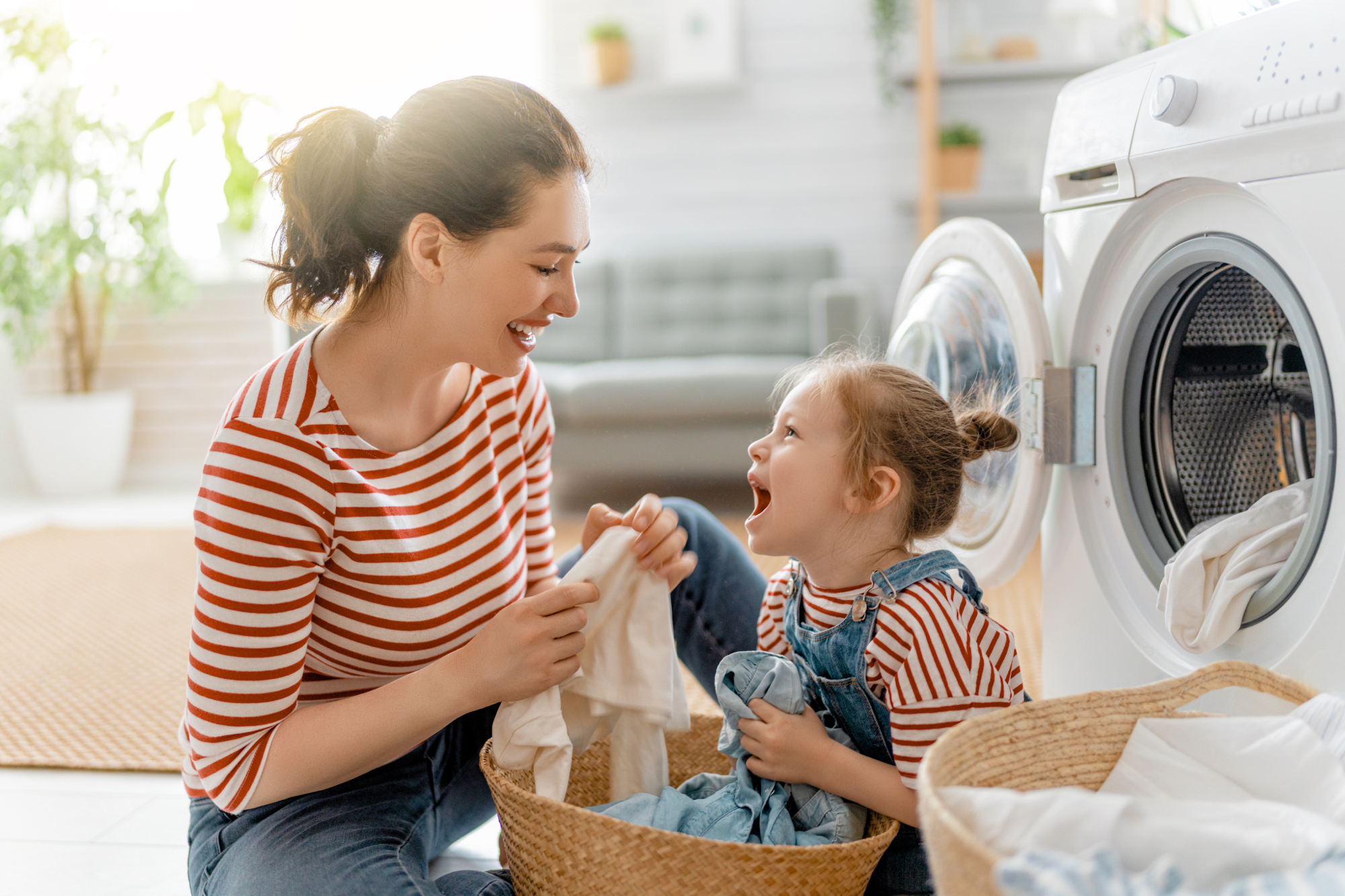
Rituals can help teach life skills and a sense of responsibility. Involving kids in small daily rituals like tidying up, setting the table, or folding laundry not only teaches practical habits but also shows them they’re a valuable part of the team.
For couples, shared rituals around chores and house management keep the relationship balanced. They reduce resentment and promote a sense of mutual respect and support.
Growing up, we had our fair share of chores we did around the house. We took the trash and recycling out to the garage (and onto the street for trash/recycling days), wiped the table, counter, and stove after meals, swept the floor, set the table, emptied the dishwasher, cut the grass, swept the driveway....among other things! This taught us responsibility in a way that surprises some people even today. People who visit my me and my wife are sometimes surprised we clean up our dishes immediately after dinner and load and unload our dishwasher in a timely fashion. I've found that strange because growing up with 8 people in the house means we can make quite a mess! However you decide to encourage teamwork and responsibility in your home is up to you; just ensure the whole family does it and nobody gets left out!
4. They Build Connection Through Shared Time
In our busy schedules, it’s easy to be in the same room but not truly be together. Family rituals carve out time for intentional connection. This could be something as simple as a nightly check-in around the dinner table or a weekly family walk around the neighborhood.
Over time, these shared moments build emotional intimacy. The more positive experiences you share, the stronger your emotional “bank account” becomes—especially important when you face hard seasons.
Growing up, we always had dinner together every night and yes, there is a slight caveat. Since there were six of us kids, someone usually had some sort of afternoon sporting event, whether it was a game or practice. So, not everyone was always around the dinner table; if one or more of the kids did miss dinner, my mother or father would sit with them afterwards so they weren't eating all alone! This is something I didn't really think about until recently and honestly, it was a very loving gesture by them. Sometimes, they'd save dessert to eat along with us or just sit across from us and ask about our days or our sports. It was, simply put, a wonderful experience.
5. They Preserve Values and Pass on Wisdom
Rituals are an effective way to pass down what you value. A prayer before meals, volunteering together at a local charity, or celebrating certain holidays can express your family’s beliefs and priorities.
When these moments are repeated, they create teaching opportunities without lectures. They show rather than tell what matters most in your household.
Like i just stated before, my parents would sit down with us and accompany us if we missed the regular scheduled dinner time. This value showed me the importance of having a regular ritual, even if it was abnormal at times. They made sure to make us a priority and talk to each of us about our days at school, what we learned, and what our homework was for the day. After dinner was done, chores were completed and homework was finished, we were allowed to watch sports on TV, play board games, read books, play with other toys in the basement, or play video games before bed. There was always an emphasis on finishing our chores and homework before play, and that's something I've brought into my adulthood. I make sure that before I enjoy leisure time, the dishes are done, the kitchen is cleaned, I've worked out for the day, and there's no other regular chores that need to be done! These rituals help me structure my day around work and play!

Small Daily Rituals That Make a Big Difference
You don’t have to wait for holidays or big events to enjoy the benefits of family rituals. Some of the most meaningful moments happen in the day-to-day.
Here are a few small rituals that can build connection, foster responsibility, and promote teamwork in your family:
Morning and Bedtime Routines
-
Make the bed together every morning.
-
Say good morning with a hug or a special greeting.
-
Share one thing you're grateful for before bedtime.
-
Read a chapter of a book together each night.
Health and Hygiene Habits
-
Brush teeth as a family after dinner is cleaned up.
-
Wash hands before meals with a silly family song.
-
Encourage kids to care for their space—tidying rooms together builds teamwork.
Household Routines
-
Clean up after dinner as a family: one person washes, another dries, another puts away.
-
Declutter for 10 minutes together with a timer—make it a game.
-
Saturday morning chore time with music and a post-cleaning reward (board game, bike ride, time outside, etc.)
Mealtime Moments
-
Eat at least one meal a day together. Try to make it breakfast and dinner!
-
Take turns sharing “highs and lows” of the day at dinner.
-
Have a special Sunday night dinner with candles or themed food nights (Taco Tuesday, Pizza Night on Saturday).
Couple-Specific Rituals
-
Morning coffee or tea together before the kids wake up.
-
A daily “how was your day?” check-in with undivided attention.
-
Touch base before bed—pray, hold hands, or simply be present.
Larger Rituals That Create Lasting Memories
While daily rituals shape the texture of life, big traditions are the landmarks. These are the moments your kids will likely remember and carry into adulthood. They're also wonderful opportunities for couples to bond and model intentional family life.
Holiday Traditions
-
Decorate the house together and assign everyone a special role.
-
Have a yearly holiday movie night with hot chocolate and matching PJs.
-
Create a holiday gratitude jar or write cards to people you appreciate.
Birthday Rituals
-
Start the day with breakfast in bed or a birthday crown.
-
Share “why we love you” notes or a special family blessing.
-
Let the birthday person pick the menu for the day - my family did this and still does. We love it!
Family Vacations and Getaways
-
Even simple weekend camping trips or staycations count.
-
Start traditions like always stopping at the same ice cream place.
-
Create a “family travel journal” to log memories together.
Weekend Outings and Adventures
-
Plan a monthly “family day” to try something new—a hike, museum, or new restaurant.
-
Make Sunday afternoons “adventure time,” even if it’s just exploring a new park.
-
Build in rituals like car sing-alongs or “favorites” games while driving.
Making Rituals Stick
You don’t need to force anything elaborate. The best rituals are natural, meaningful, and repeatable. Here are a few tips to help you make family rituals part of your rhythm:
-
Start small: Pick one or two rituals to try this week.
-
Be consistent: Repetition helps build a rhythm and a sense of anticipation.
-
Let everyone participate: Get input from kids and your spouse to make rituals inclusive.
-
Be flexible: Life changes—adjust and evolve rituals as your family grows.
-
Celebrate the effort: Don’t worry about perfection. The goal is connection, not performance.
Building a Stronger Family, One Ritual at a Time
Family rituals are more than just cute traditions or well-meaning routines. They’re the threads that weave your family together through time, change, and everyday chaos. They give your children security, your marriage strength, and your home a sense of peace and purpose.
Whether it’s brushing teeth together, enjoying family dinner all together, or looking forward to your annual vacation, these rituals remind everyone that they belong and are loved. They turn ordinary moments into sacred time.
Start small. Be consistent. And watch how even the simplest rituals can bring warmth, joy, and connection into your family life.
Related Resources
Balancing Love and Independence - 9 Practical Steps for Maintaining Individuality in a Relationship
Strengthening Your Marriage Through Supporting Others: How Helping Others Can Deepen Your Bond
Navigating Family Expectations: How to Set Boundaries as a Newly Married Couple
The Game-Changing Power of Attitude in Relationships: How Your Mindset Shapes Love and Connection
Justin Fague reviewed this article. To reach out, please email healthyrelationships@usu.edu.