
Many GNAR communities value the night sky as an important component of their cultural heritage and rural character. They understand the public health benefits of regulating their lights during the nighttime hours. Additionally, as light pollution encroaches on starry views in the world’s metropolitan areas, GNAR communities see economic opportunity in urbanites’ rising interest in astro-tourism.
GNAR communities throughout the western United States have adopted exterior lighting ordinances, carried out exterior lighting assessments of publicly-owned fixtures, partnered with astronomical groups and universities to study their light pollution contributions, and have worked with the International Dark-Sky Association (IDA) to receive special recognition for their efforts.
TOOLS & RESOURCES
The Utah Community Development Office recently published a Dark Sky Planning Guide for local leaders interested in dark sky planning.
The Cooperative's Dark Sky Toolbox includes five unique toolkits tailored to different interests and needs including: Astrotourism, Citizen Scientists, Dark Sky Certifications, Good Neighbors, and Planners & Decision Makers.
This guide from the Utah Community Development Office can help communities get started in assessing their current night sky situation.
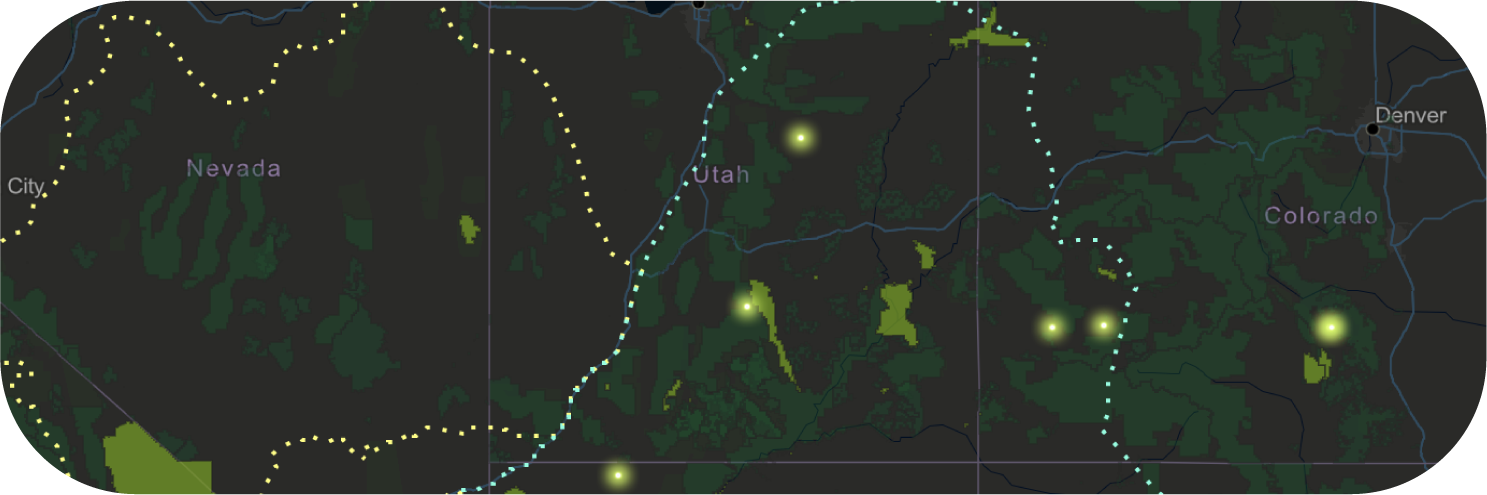
The Western Dark Sky Dashboard - Do you live near an International Dark Sky Place? This interactive dashboard is maintained by the Colorado Plateau Dark Sky Cooperative and Utah Community Development Office and features the locations of International Dark Sky Parks, Places, and Communities throughout Colorado, Arizona, California, Idaho, Montana, Nevada, New Mexico, Oregon, Utah, Washington, and Wyoming.
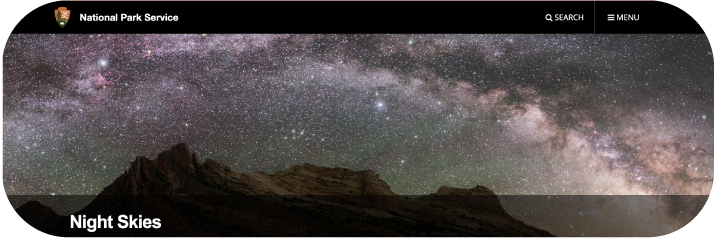
The effort to protect the night sky in the United States largely began in the national parks. NPS maintains its dark skies website with updated news and events along with resources related to its own efforts. It also provides information on managing lightscapes and insights into why the night sky matters on a natural, cultural, and economic level.
The CDSS is affiliated with the University of Utah and is the first educational center dedicated to studying the night sky and light pollution. The Consortium has been involved in conducting exterior lighting assessments for various communities and counties throughout the western United States. The website contains cultural materials related to the night sky and promotes the application of dark sky knowledge across a wide range of disciplines and professional fields.
The Western Night Skies Council and the Colorado Dark Skies Cooperative have been compiling resources over the last few months from their members and webinars. You can find a list of some of the best resources in Western Night Skies.
CASE STUDIES & RESEARCH
Creating a Successful Local Dark Skies Group - Download the Moab Area Case Study
Communities can benefit from organizing a local dark skies group made up of community leaders and residents. The Moab Area Dark Skies Group has been a strong proponent of dark sky advocacy in Moab, UT and has been the driving force in protecting and restoring the town’s nightscape.
Conducting an Exterior Lighting Assessment - Download the Grand County Case Study
Grand County, UT had few records of where its exterior lighting fixtures were located and of what the status of those fixtures was. Working closely with a team of graduate students from the University of Utah, the county was able to conduct an exterior lighting assessment to gauge how the community was being lit and how lighting could be improved.