

How Nevada City, CA Became Safer from Wildfires: A Community Success Story
By: Gary Petersen, Nevada City Councilman
Hey there, friends! Today, I want to share an inspiring story about how our small town, Nevada City, faced a major challenge in protecting our community from the threat of wildfires.
Nestled in the foothills of the Sierra Nevada, we’re a charming historic gold mining town, just 2.2 square miles in size, with a population of around 3,000. Our city serves as a gateway to beautiful recreational and wilderness areas, including the stunning Yuba River Watershed. We are a tourism-driven arts and culture community that honors all of our history.
The Challenge: Facing Wildfire Threats
Living in such a beautiful area surrounded by nature is truly a blessing, but it also presents challenges. Over the past few years, we’ve watched towns like Paradise, Greenville, and Lahaina suffer devastating wildfires that nearly wiped them out. This served as a wake-up call for us. We realized that the risk of wildfires threatening our homes and way of life was very real and almost constant. We knew we had to learn from these tragic incidents and take action before it was too late.
The Birth of the "Safer from Wildfire" Program
Four years ago, a former mayor took the initiative to form a committee of concerned citizens to start a conversation about how to address these pressing issues. As interest grew, new leadership arose, and we developed a community-based strategic plan that identified fire as the greatest threat to our beloved city. So, what did we do? We rolled up our sleeves and began working on the "Safer from Wildfire" program, which is quickly becoming a model for other small rural communities aiming to improve their wildfire preparedness. Here’s how we did it:
1. Community Involvement and Leadership
At the heart of our program is community involvement. We formed a Fire Safety Advisory Committee (FSAC) made up of five public members and two city council members, including our mayor. This committee has been crucial for coordinating efforts among neighborhood leaders, city staff, and regional partners. The primary purpose of this committee is to advise the City Council on all things wildfire-related.
But it didn’t stop there! Proactive residents took the initiative to establish Fire Wise Communities, which we are now scaling up into a community-wide effort. It’s been amazing to see everyone come together, united by a common goal.
2. Building Partnerships and Collaborations
We knew we couldn’t tackle this challenge alone, so we developed a “bottom-up, top-down” approach.
From the bottom up, we strengthened relationships with local Fire Wise communities, neighborhoods, and city staff. Our top-down approach involved partnering with the Nevada County Office of Emergency Services, which became essential for accessing data and information to guide our plans. We also joined larger groups like the Nevada County Wildfire Stakeholders Collaborative and the Northern California Fire Affected Communities Collaboratory. These partnerships have helped us expand our reach and share resources. No matter how small we are, we talk to everyone, creating partnerships at every level

3. Innovative Funding Mechanisms
Funding was a major challenge, but we found innovative solutions! We launched a special sales tax initiative that was approved by over 70% of voters. This dedicated funding has significantly boosted our wildfire prevention efforts. Additionally, we secured a Neighbor-to-Neighbor Grant from the State of California to support vital fire mitigation projects and strengthen community connections. We also collaborated closely with Cal-Fire and the Forest Service to access resources and funding.
Developing these resources has allowed us to create citywide fuel mitigation crews that manage over 450 acres of municipal property, an urban forest of thousands of trees, and support our grant efforts for community members who need assistance in clearing and managing their properties. These funds also enabled us to develop a Community Wildfire Protection Plan, a nationwide initiative promoted by the Forest Service to create concrete data-driven plans to guide communities in wildfire preparedness. Completing these plans has opened the door to additional funding.
4. Sustainable Solutions
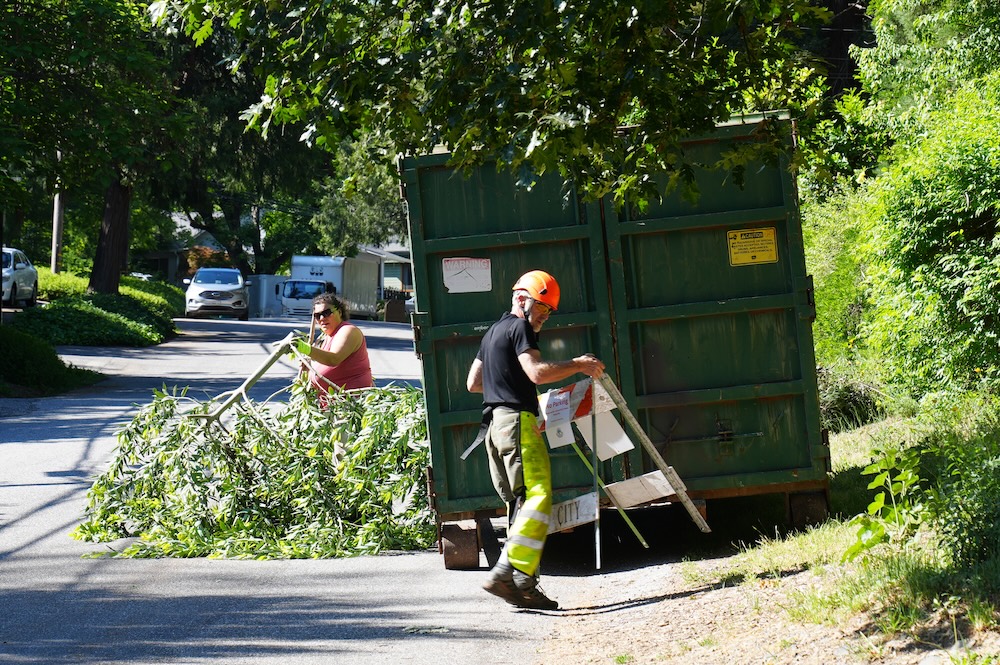
Sustainability is crucial to our program. Every effort we make is designed to continue. We overhauled our entire Defensible Space Program to include software that allows direct contact with every home and commercial building owner, offering personalized reports, inspections, and resources. We also launched a green waste management system, including a 20-yard roll-off bin at a local park, always accessible for community members to dispose of hazardous fuels. Additionally, we’re exploring innovative approaches like a Biochar Kiln to further lower fire risks. We’re also actively involved with regional efforts to develop biomass facilities that generate electricity from forest clearing.
5. Education and Workshops
Knowledge is power! We’ve organized home hardening workshops, including a demonstration house owned by the city that is undergoing renovation using the latest techniques for home hardening and creating defensible spaces. This project is open for viewing every day, and we hold community workshops twice a month at this location to teach residents how to make their homes more fire-safe. Community clean-up days combined with evacuation workshops are also popular, allowing residents to participate in wildfire preparedness activities while building a sense of community and camaraderie.
Strategies for Success
As we developed our program, we focused on several key strategies:
- Empowering Bottom-Up Resilience: We ensured community members were involved in planning and carrying out wildfire prevention efforts at every stage. This grassroots leadership is essential for our success.
- Transforming Constraints into Partnerships: By leveraging collaborations, we bridged gaps in funding and jurisdictional authority, expanding our limited resources and demonstrating commitment daily as an eager partner and a positive example.
- Protecting Cultural Heritage: We adopted adaptive strategies that balanced historical preservation with modern safety requirements, including updating our building codes and design standards to enable the strengthening of structures in our historic district.
- Equitable Access to Retrofits: We developed a funding support program for residents experiencing financial or physical obstacles in completing fire mitigation activities.
- Continuous Improvement and Adaptation: We used community input and data from defensible space inspections to continually update and enhance our program.
Replicating Our Success
If our journey inspires you and you want to replicate our success in your community, here are some steps to consider:
- Create a Fire Safety Advisory Committee: Form a group made up of community members and officials to supervise wildfire prevention efforts. Make it a priority for both citizens and government.
- Engage the Community: Promote grassroots efforts and involve local leaders in planning and implementing initiatives.
- Seek Partnerships: Collaborate with local, regional, and state entities to leverage resources and expertise.
- Explore Innovative Funding: Consider special sales tax initiatives or grants to secure dedicated funding for wildfire prevention.
- Implement Sustainable Solutions: Develop and promote sustainable practices for green waste management and fire mitigation.
- Conduct Education and Workshops: Organize workshops and community events to educate residents on fire safety and mitigation techniques.
Conclusion: A Brighter Future
Creating and maintaining the "Safer from Wildfire" program is a significant achievement, but it has also been one of the most rewarding experiences for our community. We turned a challenging situation into an opportunity for growth, resilience, and community connection. If you’re dealing with similar issues in your community, I encourage you to take action. Gather your neighbors, evaluate your risks, and start developing a plan. Together, we can make our communities safer and better prepared for any challenges ahead.
Let’s keep our communities thriving and safe!
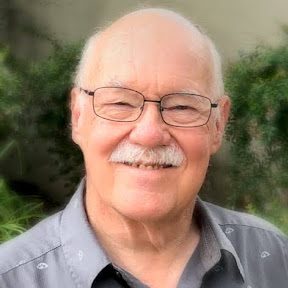
Gary Petersen has over 50 years of experience in government work. He has served as the General Manager of the Salinas Valley Basin Groundwater Sustainability Agency, the Public Works Director, and the Airport Manager for the City of Salinas. Additionally, he was an Airport Manager in Nevada County and San Mateo County. Earlier in his career, he worked for the US Forest Service and the Bureau of Land Management in Wildland Fire Suppression, where he served on a Hot Shot Crew in Southern California and as a Helitack Squad Leader in Alaska.
Currently Gary serves as a Nevada City City Councilman.