
Guide to Automated Surge Irrigation in Utah
Introduction
Highlights
- Automated surge irrigation can potentially transform surface (flood) irrigation from a labor-intensive practice into a precision-managed system capable of achieving real diversion reductions without reducing crop yield.
- Surge irrigation, if automated, can reduce water usage, labor, and time, but can be costly to automate.
- Equipment needed for automated surge irrigation includes programmable controllers, automated valves, and piping.
- Scheduling surge irrigation includes intermittently adjusting the advance and soak times to fine tune the best timing for each individual field.
- The cost of introducing surge irrigation and related systems can vary by field but is usually around $2,500 per acre.
Water scarcity is a growing concern in Utah and the western United States. Urban growth, population increase, and droughts are straining limited freshwater resources. In semiarid regions like Utah, irrigation accounts for the largest portion of diverted water, making it a key focus of discussions about water conservation and sustainability. It is therefore increasingly important to identify and implement mechanisms that reduce total water diversions from water bodies like rivers, lakes, and aquifers while maintaining agricultural productivity.
Surface or “flood” irrigation, because of its low energy requirements and compatibility with gravity-fed water delivery systems, is still widely practiced in many parts of Utah. Surface irrigation is often criticized for high levels of water diversion and nonuniform application. While this criticism can be valid, practices like laser land grading, automation, and proper flow rates and cutoff times can make surface irrigation match or exceed the efficiency of sprinkler irrigation systems (El-Dine & Hosny, 2000; Humpherys, 1989). Automation also enables surge irrigation. Automated surge irrigation (ASI) is a promising solution that may help reduce water diversions while fitting within existing farm management systems without negatively impacting crop yield.
This guide discusses the benefits and drawbacks of ASI and the equipment needed for setup to make it beneficial to irrigators.
What Is Surge Irrigation?
Surge irrigation is a type of surface irrigation system. The defining characteristic of surge irrigation is that it applies water in a series of pulses (or surges), with time for water to infiltrate between pulses, rather than the continuous, constant water application typical of surface irrigation (Humpherys, 1989). Intermittent water application is achieved by alternating between two or more irrigation sets in different furrows, borders, or dikes (Figure 1).

Notes. Water is introduced sequentially at the top of each dike. Shaded (blue) regions indicate the dike with open valves and the stage the water has advanced down the dike toward the tall end of the dike. Each dike is divided into equal quarters for illustration purposes.
Researchers Glenn Stringham and Jack Keller first studied and developed surge irrigation at Utah State University (USU) in 1979 (Stringham & Keller, 1979). They developed the concept of surge irrigation to adjust flow rates in surface irrigation automation. During their experiments, they discovered that intermittent water applications during the irrigation advance phase could produce similar or faster advance with less applied water. This eventually led to the development of surge irrigation to improve surface irrigation efficiency, where infiltration is reduced when the water supply is cut for periods ranging from 20 minutes to 2 hours to allow the water to drain or infiltrate before resuming wetting (Humpherys, 1989). The time between surges depends on factors such as the amount of water being discharged into the furrow or border strip, field length, and soil type.
Why Automation Enables Surge Irrigation
While surge irrigation has been studied for decades, automation is what makes it practical to implement. Automated systems remove the need for tedious, constant monitoring of irrigation events and allow irrigators to control water application and irrigation duration more precisely. This precise water control results in more even water application across the field, reduced deep percolation, and reduced tailwater runoff. These reduced water losses may translate directly into lower total applied water volumes. Over an irrigation season, these reduced diversions can be substantial.
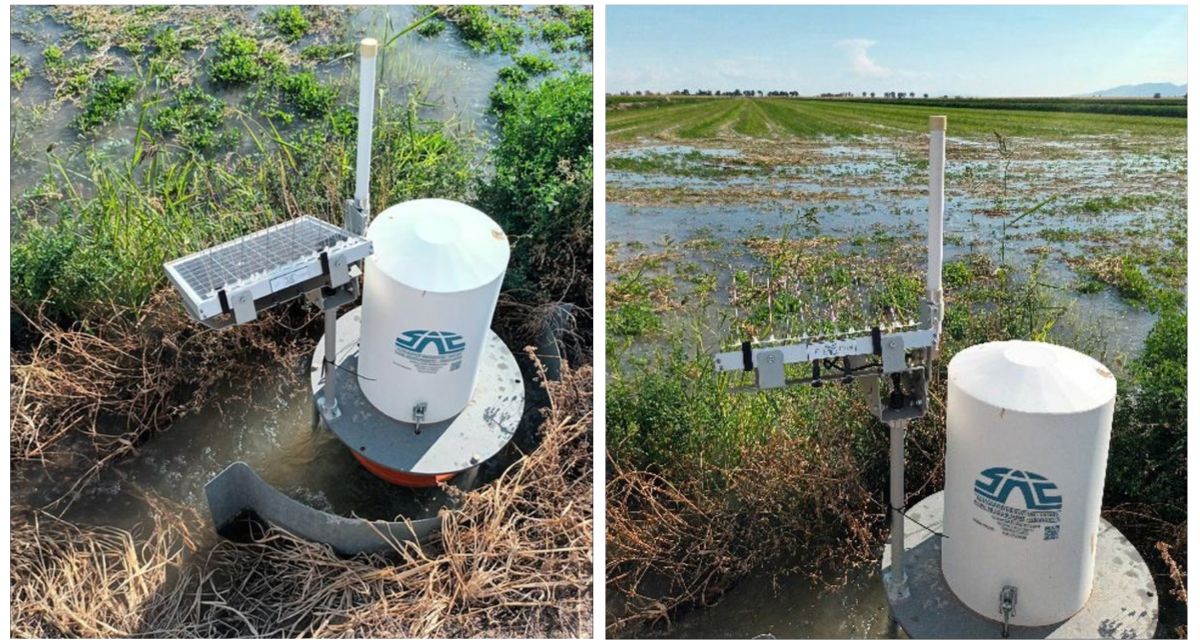
In traditional surge irrigation, growers controlled water applications by using timer-controlled valves to switch water on and off. This process requires close monitoring to get the timing correct. Ultimately, lack of control made this process impractical for many growers. However, advances in remote-control technology (e.g., cellular connectivity and smartphones) and the availability of automation products to program irrigation surges have made surge irrigation much more practical and convenient. In modern ASI, valves and controllers can be programmed and controlled from a smartphone, making water application more convenient (Figures 2 to 7 and Figures 10 and 11).
How Does Surge Irrigation Work?
Surge irrigation applies water to different sections of a field in a series of short, alternating cycles rather than continuously (Figure 1). During the first cycle, water is allowed to advance about 20%–25% of the field length before it is redirected to another dike or section. Water is then returned to the first section and allowed to advance farther, typically to about 40%–50% of the field. This process is repeated until water reaches the end of the field.
Photos courtesy of SAE Water Engineering
The approach works because previously wetted soil absorbs water more slowly than dry soil. As water is reapplied, it moves more quickly across the wetted portion of the field and advances farther with each cycle. When timed correctly, surge irrigation can:
- Improve irrigation uniformity.
- Reduce deep percolation near the head of the field.
- Decrease runoff at the tail end.
The result is a more even distribution of water throughout the crop root zone. Performance depends on soil texture, compaction, previous wetting, and the timing of the on-and-off cycles (Humpherys, 1989).
How Are the Timing and Duration of Surges Determined?
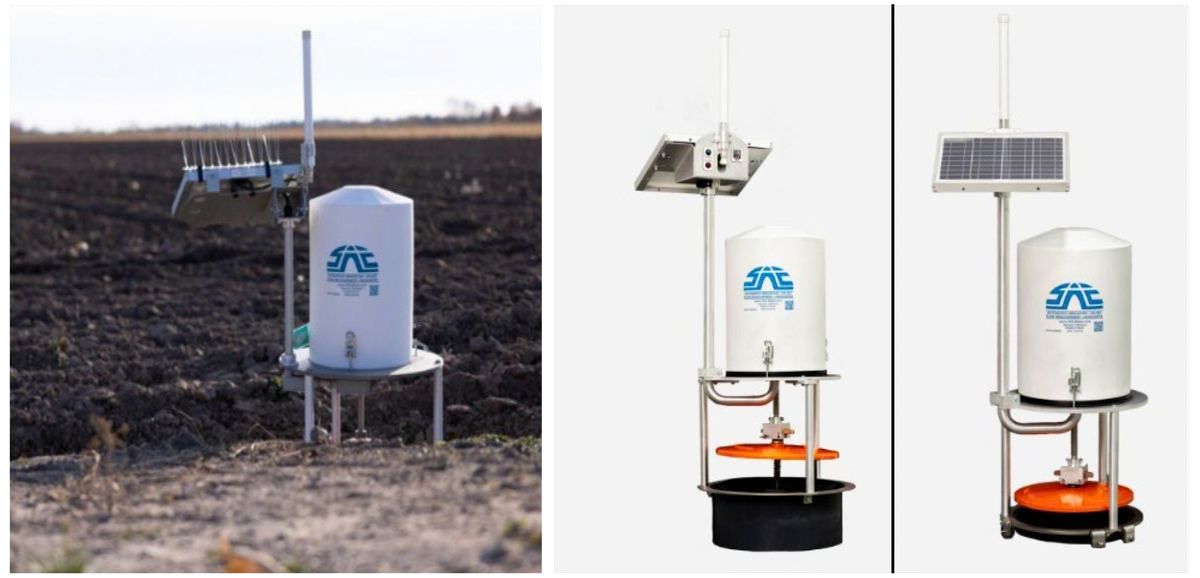
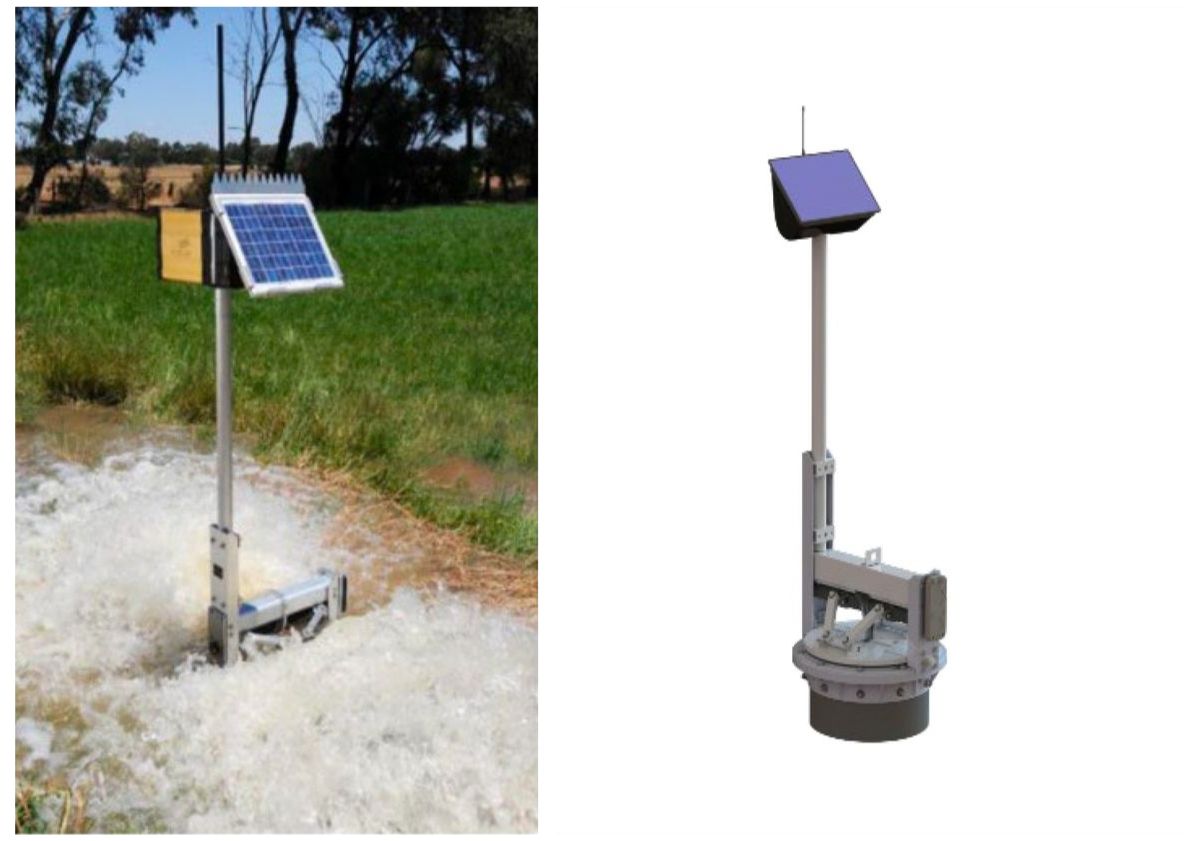
An automated surge valve has two main components: an electronic controller and a mechanized valve (Figures 2 to 7 and Figures 10 and 11). Most surge valves also have both advance and soak settings (advance uses a larger flow rate to move water across the field, and soak uses a lower flow rate). These systems require programming the timing to advance the irrigation correctly through the field. ASI systems typically have built-in software programs to control the advance of water through the field. These programs can be fine-tuned to adjust flow rates and timing based on actual field conditions, such as soil moisture levels. At the end of the advance phase, you can check the end of the field to see how much water reached it. This observation can help determine if the advance time needs to be adjusted or if the flow rate should be changed. Soil probes can also be helpful in determining the depth of infiltration (Yonts, 2008).
Photos courtesy of Rubicon Water
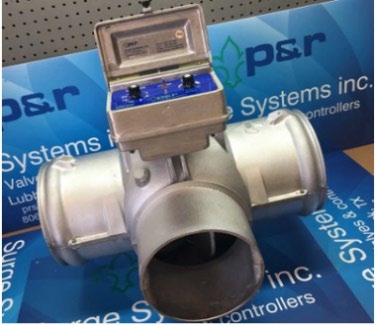
Source: P&R Surge Systems, Inc.
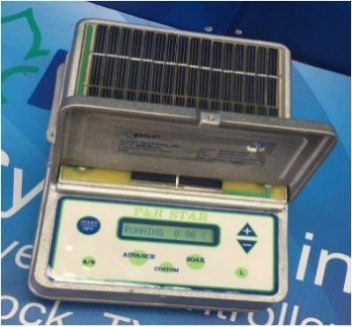
Source: P&R Surge Systems, Inc.
Needed Equipment for Automated Surge Irrigation and Where to Get It
As mentioned above, automated surge flow valves usually consist of a programmable controller, valve, battery, and solar cell recharging panel (Figures 2 to 7 and Figures 10 and 11).
Several suppliers offer surge irrigation equipment. Examples include SAE Water, Rubicon Water, and P&R Surge Systems.
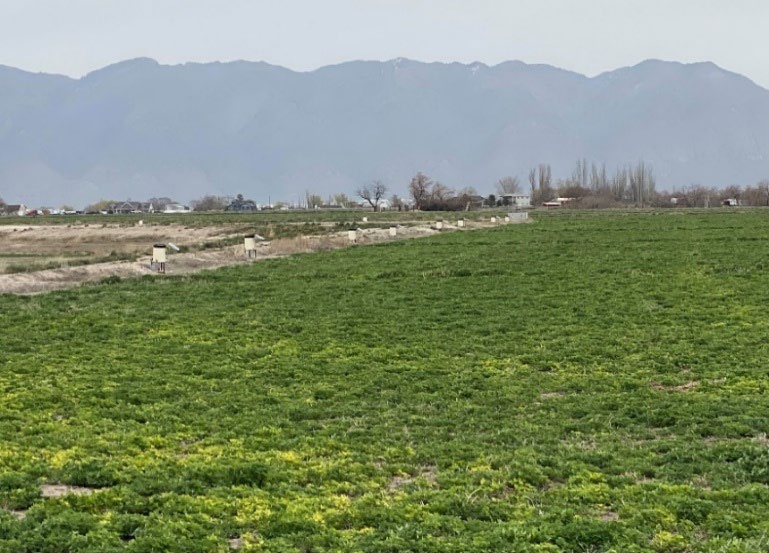
In northern Utah, SAE Water systems are mostly used in border irrigation systems, and two to three valves are used per dike of about 120 feet wide (Figure 3).
The SAE valve can be operated remotely from any location with internet access through the SAE smartphone web application to open and close the valve. With this system, farmers can precisely time irrigations and can set up or upload pre-planned irrigation sequences to time the opening and closing of a series of valves. Farmers can also receive alerts from the field. The SAE in-field valves are 12 inches in diameter, but the company also adapts their systems to suit existing valves or user requirements.
Some farmers in northern Utah are also using the Rubicon automated surface irrigation systems. The Rubicon BladeValve™ valve system is an example (Figure 4). The valve can be operated remotely from any location with internet access through Rubicon’s web application software to open and close it. With this system, farmers can precisely time irrigations and can set up pre-planned irrigation sequences to time the opening and closing of a series of valves. Farmers can also receive alerts from the field. The Rubicon valves are available in various sizes ranging from 8 to 60 inches in diameter and can be operated under pressure heads of up to 23 psi.
P&R Surge Systems are mostly used in the southern U.S., in states like New Mexico, Texas, Mississippi, and Florida (Figure 7). These systems are generally used in furrow irrigation systems, and each surge valve, depending on its size, can control several furrows. They can be used in buried pipe systems and in portable gated pipe systems (Figure 7). The P&R surge systems work best at system pressures not exceeding 15 psi.
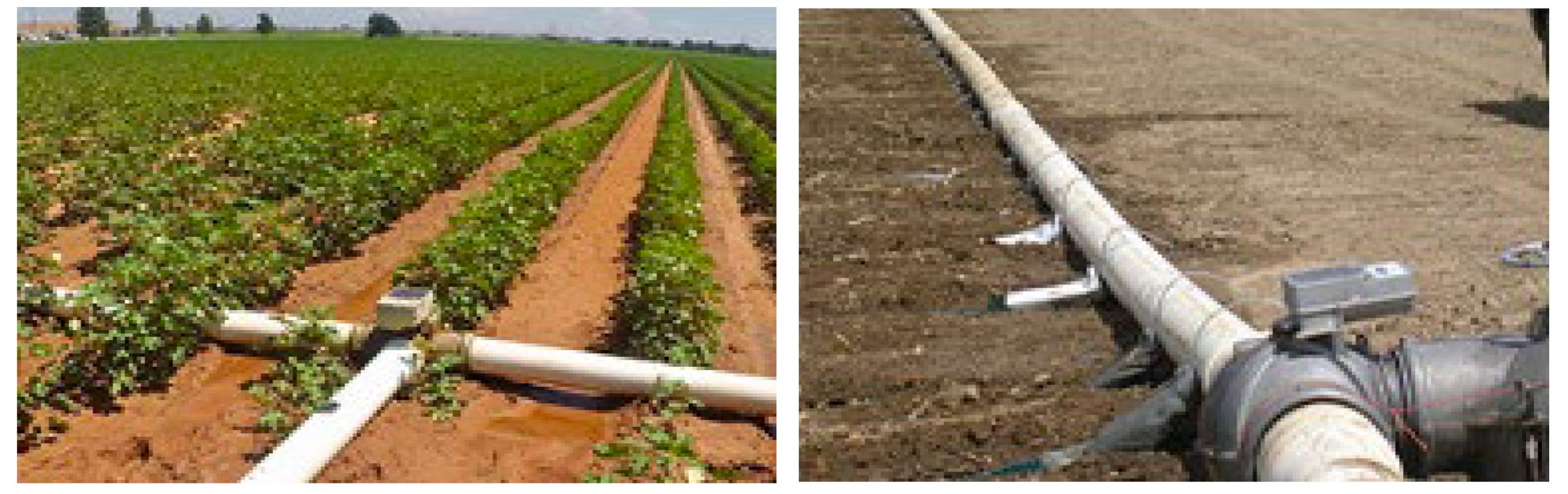
Source: P&R Surge Systems, Inc.
Other Equipment to Enhance Surface Irrigation System Automation and Convenience
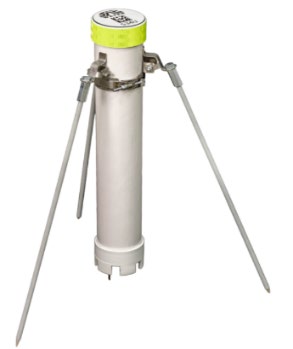
Photo courtesy of SAE Water
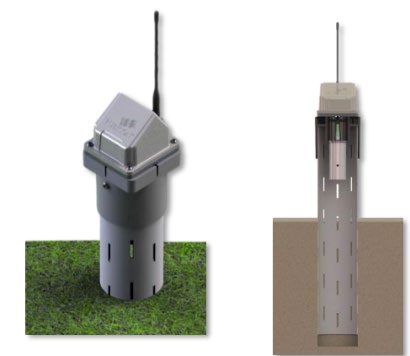
Photo courtesy of Rubicon Water
As with all surface irrigation, farmers can also incorporate other equipment to enhance the automation and convenience of their surface irrigation systems. Soil moisture sensors can be used for determining soil moisture levels to aid irrigation scheduling. Water advance sensors (Figures 8 and 9) can help farmers know when water reaches a specific point in the field. Automated flow headgates (Figures 10 and 11) can control water flow into field canals from the supply canal or ditch. Flow meters may be used to determine the quantity of water diverted or used per irrigation.
As with all surface irrigation, lining or piping water distribution ditches, regrading or leveling fields, and reducing border-strip widths (where applicable) can further improve the water-saving potential, efficiency, and uniformity of ASI. Lining or piping field canals or ditches may significantly reduce seepage along the structures. Proper grading may also significantly reduce deep percolation losses and tail-end runoff. Grading may also improve the uniformity of water spreading across the border by preventing water from running down one side of the border such that the other side or the middle section of the border receives less water.
Reducing border widths, where applicable, may also result in more even spreading of water across the field, as there is a reduced chance of unevenness in the side slope. Narrower widths also mean less travel time for the water, and therefore less time to pond and infiltrate excessively. These practices benefit surge and conventional border irrigation.
What Are the Benefits of Surge Irrigation?
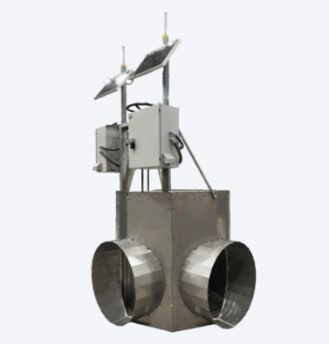
Photo courtesy of SAE Water
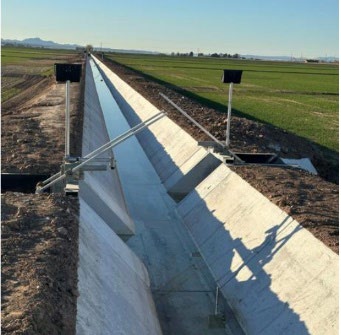
Photo courtesy of Rubicon Water
Using surge irrigation can allow for more efficient water use by requiring less water to maintain the same level of crop yield and quality, and sometimes even increasing yield while reducing water usage.
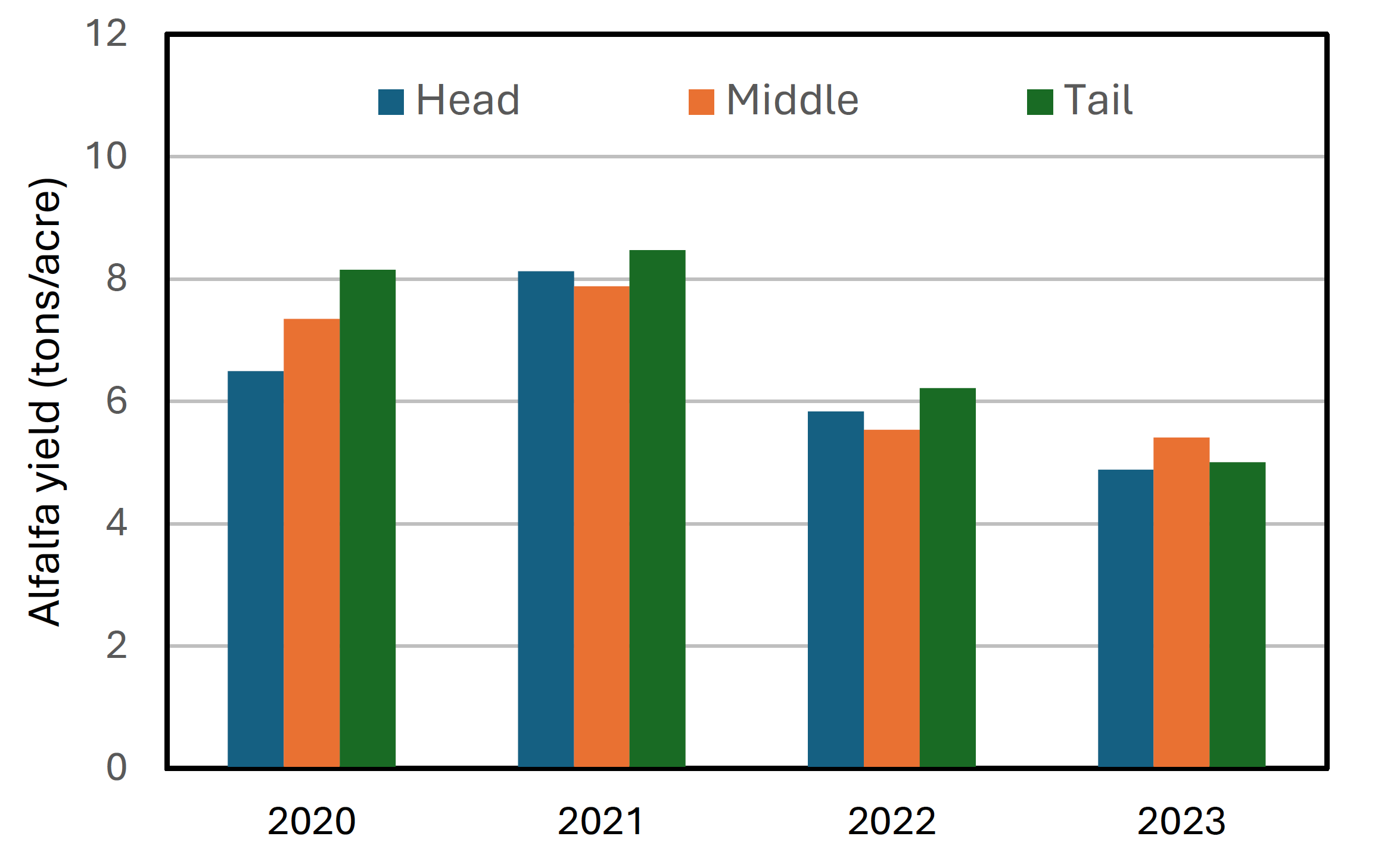
At a site in Corinne, Utah, the first year of automation, grading, piping, and surge decreased water applied by 43% (Table 1), and improved yield in one year (2021) compared to the previous year (2020), (Table 1 and Figure 12). At the same site, estimated consumptive water use (i.e., crop evapotranspiration [ET]) showed no notable change based on a soil moisture sensor-based model developed by USU (Hargreaves, 2023). However, the lack of change in ET may be due to different weather conditions in the two years. ET typically increases when yield increases. In two subsequent years (2022 and 2023), yields were lower than in 2020. However, surge irrigation produced more uniform yields across the field than conventional application (Table 1). Similarly, researchers in New Mexico also found that surge irrigation reduced water applied by 40% to 48% compared to normal surface irrigation (El-Dine & Hosny, 2000). The researchers also found that surge irrigation systems improve the ability to refill the root zone at the furrow tail while minimizing under- and over-application of water. They found that runoff with ASI was between 3% and 8% of applied water, and water application efficiency ranged from 84% to 97%, thereby matching or exceeding water application efficiencies of sprinkler irrigation systems like center pivots. Distribution uniformity also improved under ASI (79%–95%) compared to normal surface irrigation (59%–79%). ASI also required 40% less time to irrigate than with normal surface irrigation (El-Dine & Hosny, 2000).
From a farmer’s perspective, ASI is usually not a radical departure from familiar surface irrigation practices. ASI systems are compatible with gravity-fed canals and pipes. It is a management upgrade that may introduce consistency, repeatability, and precision to surface irrigation without requiring major structural changes to farm management and operational systems.
| Year | Total irrigation applied (inches/acre) | Alfalfa yield (ton/acre) | IUE (ton/inch) | Crop evapotranspiration (ET) (inches) |
|---|---|---|---|---|
| 2020 | 43 | 7.33 | 0.015 | 31 |
| 2021 | 25 | 8.16 | 0.029 | 30 |
| 2022 | 29 | 5.86 | 0.018 | 31 |
| 2023 | 14 | 5.10 | 0.357 | 28 |
What Is the Cost of Implementing a Surge Irrigation System?
The cost of ASI will vary from field to field based on equipment needed, field dimensions, and existing infrastructure. A few prices are included for reference, and precise estimates should be obtained from ASI suppliers. For illustrative purposes, P&R Surge Systems provided cost estimates for different pieces of equipment used for surge irrigation. Costs were provided for two product levels: a simpler system (Star) and a more advanced system (Pro Jr. III). Table 2 lists the approximate prices for the different sizes of these two controller and valve units. Installation costs vary with the field conditions. So, there is not a consistent per-acre price that reflects the variation in prices. Costs do not include maintenance (e.g., battery, gasket, and solar panel replacement). Some ASI valves have been observed to have lifespans exceeding 20 years. The costs (Table 2) do not include piping costs.
| Size (inches) |
Capacity (gallons per minute [gpm]) |
Surge valve and controller unit type and cost | |
|---|---|---|---|
| Star surge valve units (advanced) | Pro Jr. III surge valve units (simple) | ||
| 6 | 700 | $4,000 | $2,900 |
| 8 | 1,200 | $4,500 | $3,400 |
| 10 | 2,000 | $4,700 | $3,600 |
| 12 | 2,600 | $5,700 | $4,600 |
Source: P&R Surge Systems, Inc.
What Are the Potential Barriers to Adopting Automated Surge Irrigation?
Upfront equipment and installation costs can be considerable for ASI systems. An automated system at a site involved in a northern Utah study cost around $2,500 per acre to install in 2025. That amount included the cost of controller units, valves, piping, and installation. The annual cost of maintaining the sensors was around $375 in 2025 for a 25-acre field. These costs may be offset by reduced water usage, increased convenience, and reduced labor requirements. The installation process requires expertise, and the farmer may need to learn to effectively operate and maintain the ASI systems. Understanding how to use the system can be difficult and changing the existing infrastructure can be labor-intensive and disruptive to farm operations. Surge irrigation, especially if not automated, can be more time-intensive than traditional surface irrigation in that the water needs to be cycled more frequently. Also, if ASI is not properly managed, it may increase tailwater runoff and ponding, reducing irrigation uniformity and decreasing yield (Waller & Yitayew, 2016; Barker et al., 2023).
- Surge irrigation, especially if not
automated, can be more time-intensive
than traditional surface irrigation in that
the water needs to be cycled more
frequently. - If ASI is not properly managed, it may
increase tailwater runoff and ponding,
reducing irrigation uniformity and
decreasing yield.
ASI may be unsuitable in situations where water supply is inconsistent. A farmer in Corinne, Utah, reported that during the 2024 irrigation season, fluctuations in canal water levels disrupted his ASI irrigation schedule, requiring him to spend more time than usual monitoring and completing irrigation cycles. He also had to adjust drying and wetting cycles, resulting in inconsistent irrigation across different dikes in the field. In situations where water supply is inconsistent, it may be better for farmers to simply automate their surface irrigation systems and operate them as conventional surface irrigation instead of surging. This will at least allow the farmers to realize the benefits of automation that include reduced labor, reduced monitoring time requirements, and timely and more controlled starting and cutting-off of irrigation.
It is worth noting that the performance of surge irrigation may also depend on the type of irrigation system. Waller and Yitayew (2016) indicated that water recession does not occur immediately in a border strip. The upper end remains ponded because a large volume of water sits on the soil surface and does not immediately infiltrate. With furrows, however, recession results from the combined effects of infiltration and runoff and is therefore potentially faster than in borders. After cutoff, the water continues to move down the border strip, so the wetting front continues toward the end of the field. Thus, the cutoff can be done before the wetting front reaches the end of the field. Because water continues to move down the border after cutoff, the infiltration distribution is often better than that observed with furrow irrigation. Near-level borders are known for high efficiency. So, surge irrigation (like conventional application) in furrows may have more deep percolation losses than in borders because the infiltration rate per wetted soil area is greater than in level fields, where water infiltrates in two directions in the furrow. Refer to Table 3 for further details on benefits and limitations of surge irrigation.
| Domain | Benefits | Limitations |
|---|---|---|
| Water distribution | Since water is applied intermittently in surge irrigation, it advances more rapidly to the field end. With proper land grading, water also spreads uniformly across the slope in the field. This reduces the time for water to infiltrate. The reduced infiltration is more pronounced in the upper end of the field relative to the lower end of the field. This results in reduced deep percolation especially in the upper section of the field, and therefore more uniform water application across the field. |
Uneven slopes in border strips or furrows can dramatically reduce water application uniformity. A small variation in slope may result in dramatic variation in infiltrated depth, as low areas receive ponded water for a longer period. Excessive tailwater runoff may occur if flow valves are not properly set. |
| Infiltration and deep percolation | Reduced deep percolation, tailwater runoff, and better-controlled and timed water application, may result in water savings and efficient irrigation. | With surge irrigation, the ability to put lighter water applications may cause under irrigation if the farmer does not adjust irrigation scheduling appropriately. |
| Water use efficiency | Water savings allow reallocation within the farm or basin and may improve overall water availability. | Reduced return flows may decrease downstream water availability and groundwater recharge. |
| Crop response | More uniform water application and distribution, and less crop water stress, may result in more uniform and better crop growth, yield, and quality. | Farmers may need to carefully track the intermittent and alternating water application processes and cycle sequences to ensure adequate crop watering. |
| Evapotranspiration (ET) | Reduced crop water stress may enhance productivity. | Higher crop growth and yield may increase evapotranspiration, and therefore, consumptive water use. |
| Nutrient dynamics | Reduced leaching and runoff losses improve nutrient use efficiency and may lower fertilizer requirements. | Requires careful synchronization of irrigation and nutrient management to maximize benefits. |
| Water quality | Less leaching of nutrients and agricultural chemicals into water bodies occur through reduced deep percolation losses and tailwater runoff. | Reduced return flows may alter dilution and transport processes in receiving waters. |
| Management and control | Improved water accounting, and enhanced irrigation scheduling are achieved due to better water application control and more accurate and localized measurements with automated surge irrigation. | ASI requires Increased management complexity, such as monitoring surge cycles and soil moisture conditions. In some cases, e.g., where there is intermittent water supply or limited technical capacity, it may be more beneficial to simply automate the surface irrigation without surging. |
| Labor and operations |
Automated water control and application may result in time and labor savings, reduced field visits, and time spent in the field. This may result in increased convenience and less burden in operating and managing surface irrigation systems. Irrigation confidence: If advance sensors are used, farmers can confirm (rapidly) when water reaches certain points on the field. This eliminates guesswork in surface irrigation, for example, in determining water cutoff time. ASI may reduce missed timing and uneven watering. |
ASI requires technical knowledge and management capacity. ASI may be unsuitable in situations where water supply is inconsistent. Inconsistent water supply may disrupt irrigation schedules. Benefits of automation and sensing apply to conventional application and are not exclusive to ASI. |
| Cost and infrastructure |
Potential long-term savings occur in water, energy, and labor, particularly in pumped systems. |
ASI may be costly to install and operate. The installation process may require expertise and also be disruptive to farm operations. |
| System reliability |
Automated systems can improve irrigation consistency and operational confidence. |
ASI equipment like automated valves may require regular maintenance to operate properly. A malfunctioning valve may result in over- or under-irrigation. The benefits apply to conventional application in addition to ASI. |
| Water quality (operational) |
— |
Dirty or silty water may affect the automated control mechanisms of valves, causing them to malfunction, impairing valve performance and system functionality. |
| Water supply conditions |
ASI performs well under stable and controlled water delivery conditions. |
ASI is less effective where water supply is intermittent or unreliable. |
| Watershed or basin-scale impacts |
With efficient water use, more water is likely to remain in the storage or water supply system where it becomes available for other uses, e.g., irrigating more area, or for use in future. This may lead to improved water supply security. | Reduced seepage and return flows may negatively affect groundwater recharge and alter river flow timing. |
| Where water is pumped, the increased irrigation efficiency and water savings may result in lower water, pumping, and energy costs. | Decreased seepage and return flows could negatively impact local groundwater recharge and supplies. | |
| Agricultural return flows are often of reduced quality compared to the source water. Therefore, there could be a water quality benefit to reducing diversion, seepage, deep percolation losses, and tailwater runoff. This leads to reduced leaching of fertilizers and other agricultural chemicals and their impacts. | The decrease in return flows and seepage could impact the timing of water in the river system. This could negatively impact downstream surface water availability. |
Sources: Waller & Yitayew, 2016; Barker et.al., 2023
Summary
Automated surge irrigation (ASI) can help farmers reduce water diversions while maintaining crop production. Compared with converting to sprinkler irrigation, ASI can often be added more quickly and with fewer changes to existing surface irrigation systems. It may also reduce labor and help apply water more consistently. ASI may be especially useful in drought-prone areas where water supplies are limited. However, installation and maintenance costs can be high, and ASI works best when growers have good control over when and how much water is delivered.
Video and Other Resources
- From Flood to Surge: How Automated Irrigation Improves Water Efficiency (SAE Water)
- Farming, Family, and Freedom Through Automation (farmer testimonial)
- What Is Surge Irrigation? (Texas Water Resource Institute)
- What Is Surge Irrigation and Why Are Utah Farmers Starting to Use It? (Irrigated Farming)
- Managing Surge Irrigation (The Irrigation Toolbox, University of Nebraska – Lincoln)
- P&R Surge Valves – Water Management (P&R Surge Systems, Inc.)
- “Surface Irrigation Automation Solution” (Rubicon Water)
- “Control Water With Absolute Confidence” (SAE Water Engineering)
References

The authors provided the images not otherwise noted.
The authors did not use generative AI in creating this content; it is solely their work.
September 2026, Utah State University Extension, Peer-reviewed fact sheet
Authors
Ngoni Mufute, Matt Yost, Burdette Barker, Clay Carter, Jonathan Holt, and Grant Cardon

Matt Yost
Agroclimate Specialist
PSC Dept

Burdette Barker
Irrigation Specialist
Civil and Environmental Engineering

Grant Cardon
Soils Specialist
PSC Dept