
Do Soil Amendments Improve Crop Production and Poor Water Infiltration?
Introduction
Highlights
- One-time surface applications of gypsum, elemental sulfur, compost, or humate did not increase forage yield or forage quality for 1–3 years following application.
- Field measurements showed little or no consistent short-term improvement in infiltration; natural differences in soil structure and macropores often outweighed amendment effects.
- In limited laboratory tests, compost and gypsum improved hydraulic properties. Compost increased saturated hydraulic conductivity about threefold at one site and increased plant-available water by about 6% at another.
- Gypsum is most appropriate where soil testing confirms a sodium problem. Poor infiltration by itself does not mean a field needs gypsum.
- At the rates tested, amendment material costs were about $35–$200 per acre, and the short-term crop and soil responses generally did not justify those costs.
Soil amendments are widely promoted as tools to improve aggregation, porosity, water holding capacity, nutrient availability, and water infiltration of soils. These benefits are possible, but they depend on the specific soil problem being treated, amendment type and rate, soil chemistry, soil texture and structure, and the time since application. A useful amendment for sodic soil (sodium adsorption ratio [SAR] > 13) may provide little benefit in a field where compaction, layering, surface sealing, or other physical limitations causes poor infiltration (Barker et al., 2023). Currently, there is little/conflicting information guiding amendment selection and use for many of these limiting soil conditions.
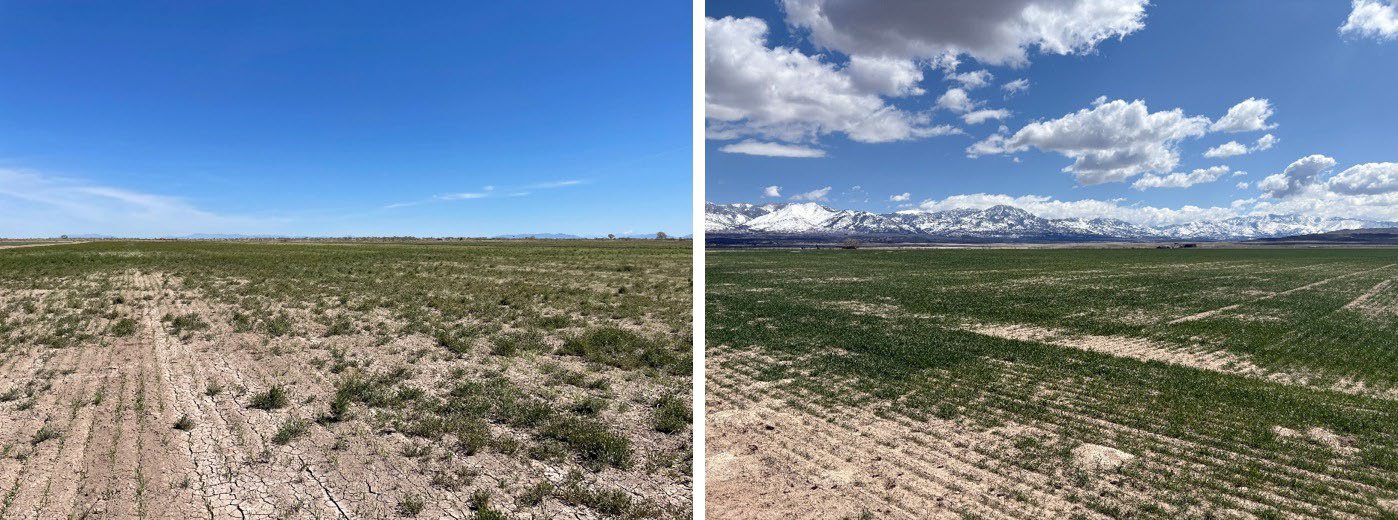
Utah State University researchers tested four commonly used amendments - gypsum, elemental sulfur, composted steer manure, and humate on farms across Utah and Wyoming with poor infiltration (Figure 1). One study focused on crop yield, forage quality, soil salinity, and sodium adsorption ration (SAR) at eight sites (Baker et al., 2026). A companion study measured infiltration at six sites and used laboratory tests to better understand saturated and unsaturated water movement (Singh et al., 2026). Together, the studies provide a useful short-term test of what growers can reasonably expect from a single surface application of these amendments.
What Was Tested?
Researchers conducted the studies in established alfalfa, tall fescue, and small grain forage fields across Utah (Figure 2). A single application of the amendment treatments (gypsum, elemental sulfur, composted steer manure, and humate) occurred in the spring of trial establishment at each site and were generally not incorporated because the crops were already established (Table 1). Application rates were chosen to reflect common industry recommendations in the region. Fertilizer was applied as needed with amendment treatments to ensure nutrient deficiencies would not confound the amendment comparisons. Cooperating growers managed irrigation, fertility, pests, and other practices throughout the study period.
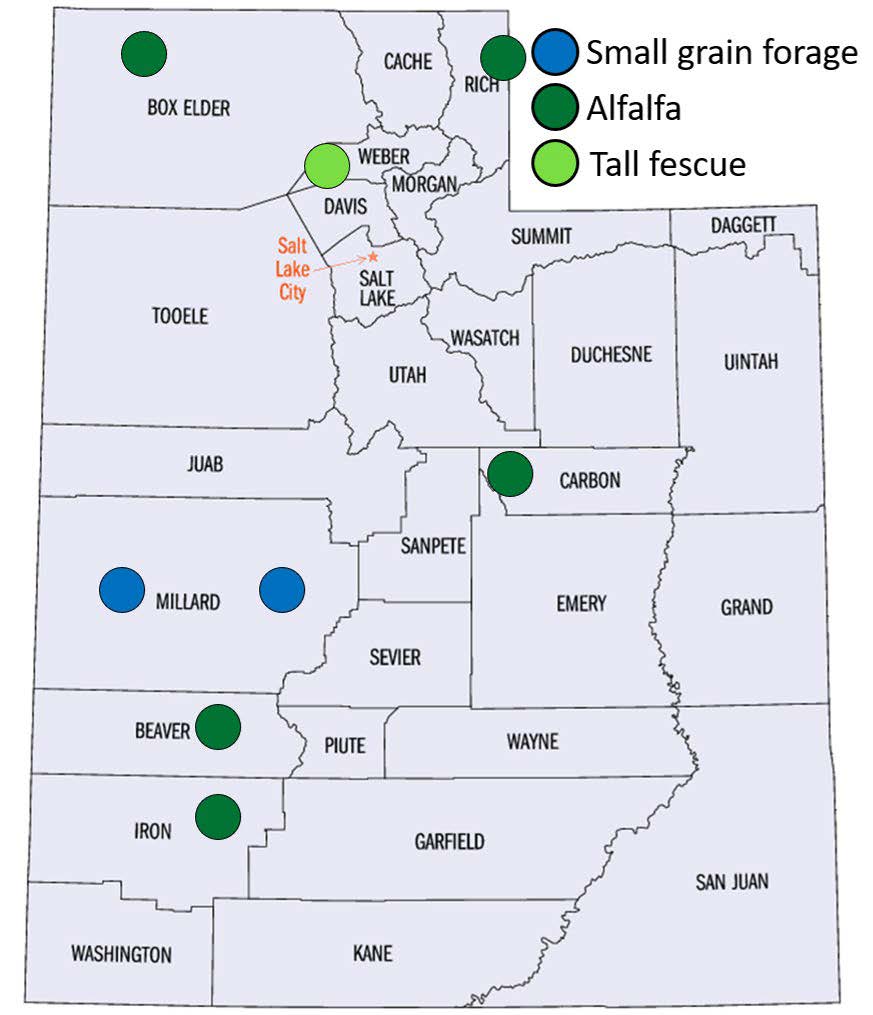
Table 1. Description of Soil Amendments Used in Utah Trials
| Amendment | Rate tested | Material cost* | Primary rationale | Short-term result |
|---|---|---|---|---|
| Elemental sulfur | 200 lb/acre | $65/acre | Acidification; sulfur source | No consistent yield, quality, SAR, or field-water-movement benefit at this rate. |
| Humate | 200 lb/acre | $35/acre | Soil conditioning; organic compounds | Field response was inconsistent; one site increased electrical conductivity (EC), and another decreased it. |
| Gypsum | 1,000 lb/acre | $75/acre | Calcium source for sodic soil reclamation | No consistent field response: limited lab testing showed improved conductivity at one site. |
| Compost | 2,000 lb/acre | $200/acre | Organic matter, nutrients, aggregation | No yield response: limited lab testing showed improved conductivity and water availability at selected sites. |
*Notes. Approximate 2022–2025 amendment material prices. Application, hauling, incorporation, and other operational costs are not included.
Salinity: soluble salt concentration
Sodicity: sodium relative to calcium and magnesium
Diagnose the Problem Before Choosing an Amendment
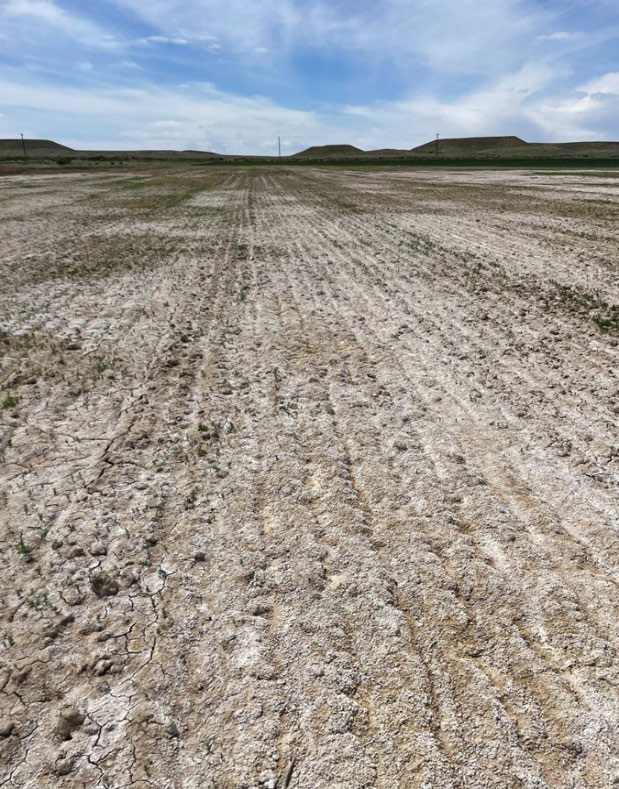
Restricted water infiltration in soils can be caused by many different factors. Sodium is one, but not the only one. Excessive levels of sodium compared to total salts can cause soil particles to disperse and form crusts when dry, which can restrict water movement (Figure 3). In contrast, high salinity by itself does not necessarily reduce infiltration and can sometimes help clay particles remain flocculated. However, when the total salt concentration is too high, plants require more energy to uptake water, and water stress occurs. Compaction, tillage pans, weak structure, fine-textured layers, low organic matter, and field traffic can also restrict water movement.
A soil test is a great starting point for understanding what may be causing the problem. Electrical conductivity (EC) indicates soluble salt concentration (salinity), while sodium adsorption ratio (SAR) describes sodium relative to calcium and magnesium in the soil (sodicity). Critical values for each of these factors determine the level of risk that they have for limiting crop growth. For this study, SAR >13 was used to classify soils as sodic and EC values fit within categories that define the severity of salinity risk (Barker et al., 2023). Sodic soils are often reclaimed by applying amendments such as gypsum, which supplies calcium and allows excess sodium to be leached. Saline soils are typically reclaimed by leaching salt below the root zone with clean water.
Most sites in this study were not sodic, even though growers reported poor infiltration. This helps explain why a calcium amendment such as gypsum did not consistently improve crop performance.
Why Field Measurements of Infiltration Can Be Noisy
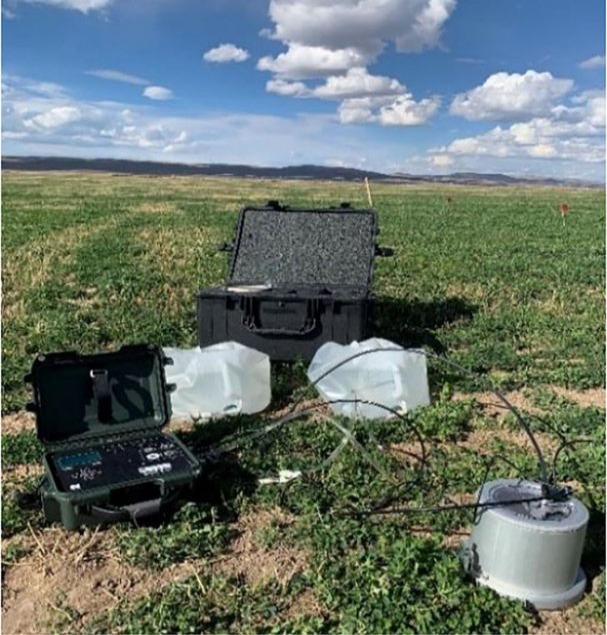
Field infiltration was measured using a dual-head infiltrometer (Figure 4). Across all sites and treatments, infiltration ranged from 0.6 to 15.3 inches per hour. This wide range was due to differences in texture, structure, root channels, cracks, and macropores. Only two of six sites showed statistically significant treatment effects, but it was not consistent among amendments or sites.
Due to variation in the field, a single infiltration test might not help diagnose the improvements after applying amendments. Multiple measurements across fields and years are required to observe changes in infiltration.
What Happened to Crop Yield and Forage Quality?
None of the four amendments increased forage dry matter yield or forage quality across 10 site-years of alfalfa, tall fescue, and small grain forage. The lack of crop response was consistent across sites despite differences in crops grown, irrigation systems, and soil conditions. Year-to-year differences in yield and quality occurred, but they were driven by environment, harvest timing, and management rather than the amendment treatments.
What Happened to Salinity and Sodicity?
Amendment effects on EC and SAR were rare and often inconsistent. Some sites showed changes over time (1 to 3 years), but the non-amended control often changed similarly. Even at a saline-sodic tall fescue site, where the initial SAR was 22.5 and EC was 4.6 dS/m, amendments did not reduce SAR differently from the control from 2023–2025. At another site, elemental sulfur reduced SAR, but values were already below 1, which is far below the level expected to restrict crop growth.
Several factors likely contributed to this lack of crop and soil responses. First, most soils were not strongly sodic, so gypsum had little sodium-related limitation to correct. Second, fertility needs were met with conventional fertilizer, reducing the chance that nutrients supplied by compost, elemental sulfur, or gypsum would create a yield response. Third, the one-time amendment rates were much lower than rates used in most soil reclamation studies. Finally, 1 to 3 years may be too short for some organic amendments to produce measurable changes in field-scale soil structure.
What Happened to Water Movement?
The field study found limited or no consistent short-term improvement in infiltration after 1 or 2 years. Compost and gypsum had higher numerical values than the control, but due to soil heterogeneity, the treatments were not statistically significant. Humate had an inconsistent response, as it produced the highest infiltration at one site but was 72% lower compared to the control in well-aggregated soil (Singh et al., 2026).
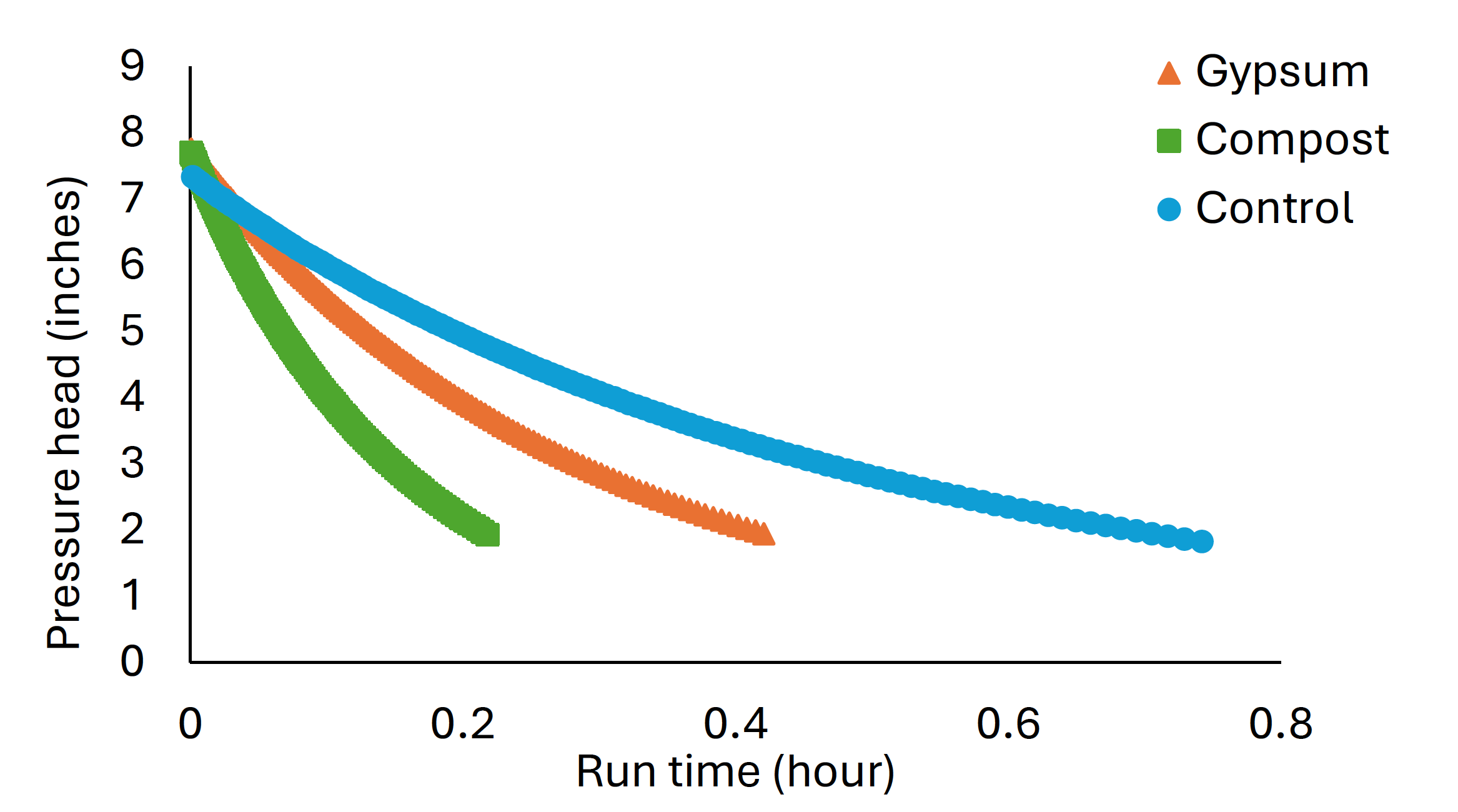
In laboratory measurements, compost increased water movement to 1.2 inches per hour, compared with 0.64 inches per hour with gypsum and 0.38 inches per hour in untreated soil (Figure 5). In Figure 5, pressure head is the height of water above the soil sample; the faster it drops, the faster water is moving through the soil. Compost showed the fastest decline, followed by gypsum and the untreated soil. These laboratory results are promising, but field conditions such as cracks, roots, and differences in soil structure can produce different results.
Did Amendments Increase Plant-Available Water?
Compost increased plant-available water by 6% in one field, while it decreased in another field. These responses show that soil water retention and infiltration can respond differently depending on soil’s initial conditions.
What Do the Results Mean for Each Amendment?
Gypsum
Use it for a diagnosed sodium problem, not poor infiltration alone. Calcium from gypsum can replace sodium, but displaced sodium must still be leached. The ~1,000 pounds/acre test rate was below the calculated reclamation need at the most sodic site, reinforcing the need for a soil-specific rate.
Elemental Sulfur
The 200 pounds/acre rate did not consistently change crop performance, SAR, or field hydraulic conductivity. Sulfur can acidify soil, but calcareous Intermountain West soils strongly buffer pH, so the effective rates would be much higher (essentially impossibly so) and not economical (Cardon, n.d.; Gale et al., 2023).
Compost
At 1 ton/acre, compost did not increase forage yield, but selected lab tests showed better conductivity and water retention. Longer-term nutrient or organic-matter benefits remain possible but were not demonstrated consistently in the short-term field study.
Humate
The 200 pounds/acre humate treatment was inconsistent across all measured parameters. Because humic products vary widely in source and composition, evaluate product-specific claims cautiously.
A Practical Decision Process for Growers
| Step | Recommendation |
|---|---|
| 1. Confirm the limitation. | Measure several locations and review field history for compaction, sealing, layering, drainage, and irrigation-rate problems. |
| 2. Test soil chemistry. | Test soil EC and SAR. However, pH, texture, calcium carbonate %, and CEC may also be needed for guiding management. |
| 3. Match the amendment to the problem. | Match gypsum to sodicity, compost to organic matter/nutrient goals, sulfur to sulfur needs, and humate to product- and site-specific evidence. |
| 4. Calculate the required rate and leaching need. | For sodic reclamation, calculate calcium need, treatment depth, water quality, drainage, and leaching capacity; generic rates may be too low. |
| 5. Compare the expected benefit with total cost. | Material costs were ~$35–$200/acre with no short-term yield return. Add freight, application, incorporation, irrigation, and opportunity costs. |
| 6. Start with a strip trial when uncertainty is high. | Keep an untreated comparison and track infiltration, EC/SAR, yield, and economics for several years before using on a field-level scale. |
Bottom Line
Do not choose a soil amendment based on poor infiltration alone. One-time surface applications of amendments generally did not improve forage production, salinity/sodicity, or infiltration within 1 to 3 years. Limited lab results for gypsum and compost were promising, but field benefits were inconsistent. Diagnose the cause, calculate a problem-specific rate, and verify the response before treating large acreage.
Research Context and Limitations
These trials tested a single surface application of four amendments at common regional rates. Because sites differed and laboratory hydraulic tests were limited to selected treatments at two sites, results should guide expectations rather than be used as a universal ranking of amendments.
Acknowledgments
The authors provided all images. The authors used generative AI in drafting this content. The authors reviewed, edited, and certified the content provided by the AI tool, and they take full responsibility for this work.
References
October 2026
Utah State University Extension
Authors
Matt Yost, Megan Baker, Tejinder Singh, Grant Cardon, Earl Creech, Steven Price, Reganne Briggs, Kalen Taylor, Mark Nelson, and Cody Zesiger

Matt Yost
Agroclimate Specialist
PSC Dept

Grant Cardon
Soils Specialist
PSC Dept


Steven Price
Extension Associate Professor | Agriculture & 4-H | Carbon County Director
Agriculture and Natural Resources

Reganne Briggs
Extension Assistant Professor | Agriculture, Natural Resources, 4-H | Rich County Director
Agriculture and Natural Resources

Kalen Taylor
Extension Associate Professor with Tenure | Agriculture | Millard County Director
Agriculture and Natural Resources

Cody Zesiger
Extension Associate Professor | Horticulture | Agriculture & Natural Resources | Davis County
Agriculture and Natural Resources