
Weaning Beef Calves

Introduction
Quick Facts
- Health challenges encountered through the weaning process can compromise future growth and reproductive performance.
- A calf that cannot nurse should receive stored natural colostrum or a synthetic substitute as soon as possible.
- Establish a relationship with a veterinarian who is familiar with your area and herd to achieve healthy outcomes.
- An effective vaccination program is crucial for strengthening a calf’s immune system.
- Respiratory disease is the most common health issue with newly weaned calves.
- Early weaning has benefits but also requires careful management.
Weaning a beef calf is likely the most stressful event in the animal’s life. Future growth and reproductive performance can be compromised by health challenges encountered through the weaning process. Consequently, proper management aimed at reducing stress and preparing the beef animal for the next stage of production is critical to reach its genetic potential.
Proper management involves applying good animal husbandry techniques, using sound science in developing health and feeding protocols, and implementing low-stress animal handling practices. The Beef Quality Assurance (BQA) program provides excellent training resources on low-stress animal handling.
Preweaning Management
Colostrum
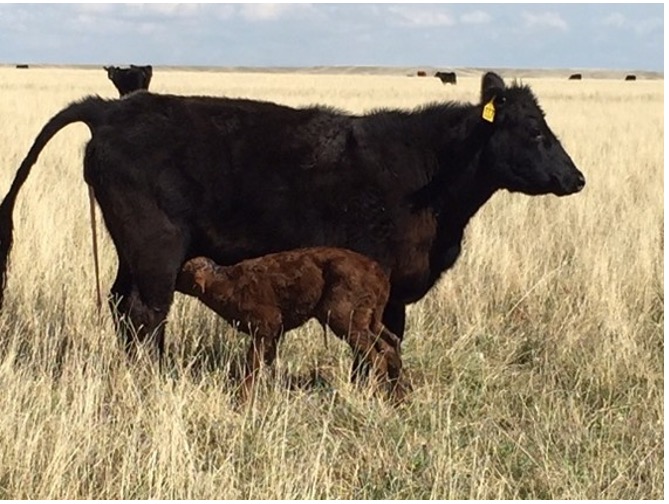
The first step in preparing a calf for weaning starts at birth. Passive immunity derived from the cow’s colostrum is crucial to a calf’s long-term health and productivity (Figure 1). Immunoglobulins from colostrum are absorbed in the small intestine. The calf's ability to absorb these proteins decreases within 12 hours after birth and ceases by 24 hours (Lopez & Heinrichs, 2021). Research has shown that dairy calf mortality rates increase as suckling is delayed for 2 to 6 hours (Margerison & Downey, 2005). If the calf is unable to nurse, stored natural colostrum or a synthetic substitute should be used as soon as possible.
Vaccination
When developing an overall herd health plan, it is vital to consult a veterinarian who is familiar with your area and your herd. A veterinary-client-patient relationship (VCPR) is required to use many of the tools available to optimize animal health and performance.
Scheduling Vaccines
Proper pre-weaning vaccination and nutrition lay the foundation for a successful weaning process. An effective vaccination program is crucial for strengthening the calf’s immune system (Figure 2). Calves weaned at 6 to 8 months of age should have two rounds of vaccinations, with the first occurring at 2 to 3 months of age or branding time. Specific vaccines may vary by region, so it is recommended that producers consult their veterinarian to determine the most suitable protocol for their particular circumstances. Consider vaccines that cover common respiratory diseases, such as bovine parainfluenza virus, bovine viral diarrhea (BVD), infectious bovine rhinotracheitis (IBR), bovine respiratory syncytial virus (BRSV), and clostridial organisms that cause blackleg and tetanus.
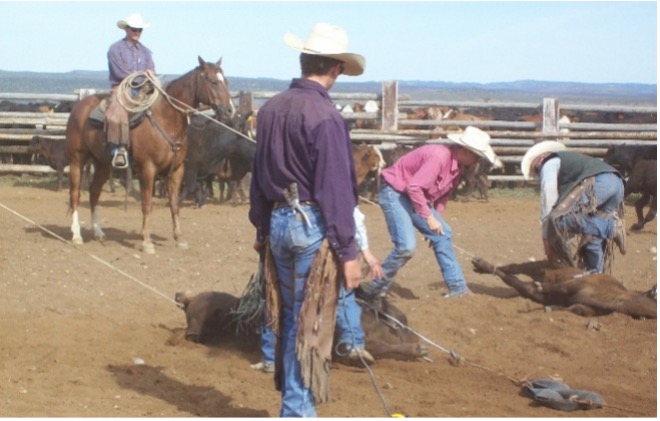
Ideally, a second round of vaccinations should occur 2 to 4 weeks prior to weaning and 4 to 6 weeks following the initial vaccination. Vaccine efficacy is greater if vaccination can occur at least 2 weeks before weaning. This timing will enable the calf to mount an effective immune response before the stress event. Also, consider deworming during the preconditioning process. Internal and external parasites can compromise the animal’s ability to respond to vaccination and rob the calf of essential nutrients that could result in sickness and/or reduced growth. Additionally, any process such as castration or dehorning should be completed well before the weaning process.
Logistics may prevent a pre-weaning vaccination and deworming. Although not optimal, these processes can occur on the day of weaning. As always, using low-stress animal handling techniques and applying proper vaccine handling protocol are critical for success.
Handling Vaccines

Vaccine handling is just as crucial as vaccine selection (Figure 3). Be sure to follow label directions concerning dosage, route of administration, and protection from heat, cold, and sunlight. Additionally, reconstituted vaccines should be used immediately and not stored for later use.
Proper handling and cleaning of vaccination equipment and needles are also critical. Clean reusable syringes with hot water (110 °F to 120 °F) and no detergents. The parts can be boiled between uses and allowed to air dry. Use a light coat of vegetable or mineral oil to lubricate the plunger and “O” rings. Change needles every 10 to 15 head, or if they become bent, dull, or contaminated. Vaccine failure is most often attributed to improper handling of the vaccine or the equipment. The Beef Quality Assurance program offers excellent resources, available online for free.
Feed and Water Exposure
It is a good practice to expose calves to the feed they will encounter at weaning while they are still on the cow. This will reduce the acclimation time to a new feed and allow critical nutrients to be introduced into the animal more quickly. If possible, feeding hay or other processed feed to the entire herd for 2 to 3 days before weaning can make the transition much smoother.
This same concept applies to water. If the calves have never used a commercial water tank, they may not recognize it as a water source. While some may believe that cattle can “smell” water, that may not always be the case. Although rare, instances have occurred where calves exhibited extreme signs of dehydration for an extended period while a full water tank was present in the pen. Overcome this risk by allowing the water tank to run over or using a hose attached to the outlet, allowing the cattle to hear and see the water running. Water is by far the most essential nutrient and should be monitored with the utmost care.
Postweaning Management
Weaning Methods
The weaning process can be accomplished in various ways and typically occurs between 180 and 240 days of age. The “best” method depends on constraints related to infrastructure, feed availability, and access to skilled labor. Weaning strategies can be generally categorized into a one-step or two-step process.
Abrupt Removal
The most common weaning practice is a one-step process referred to as abrupt removal. The calves are separated from the cow and held apart. Research suggests that calves will walk and bawl less if they cannot see or hear their mothers (Smith et al., 2003). Consequently, if the cows can be moved away from the calves, the weaning process is improved. The walking and bawling behavior is an attempt by the calf to find its mother. A calf will seek to escape any enclosure in which they are held. It is a commonly held belief that a calf will attempt to return to where it last nursed its mother if they are separated. Although scientific evidence may be limited, it is good management practice to keep pairs together overnight before weaning in the same area where weaning will occur, if feasible.
Two-Step Removal
The two-step weaning process involves removing the calf's ability to nurse from the cow while maintaining partial contact. A nose flap can be placed in a calf’s nostrils to prevent it from suckling the cow (Figure 4). The flap is also an irritant to the cow, and she will often move away from the calf when it attempts to suckle. This eases the nutritional and behavioral bond between the cow and the calf. Partial separation relieves some of the stress associated with the cessation of lactation on the cow and calf while not introducing the additional stress of physical separation and a completely new environment.
Fence-Line Weaning

Another method gaining popularity is fence-line weaning. The cows and calves are separated from one another by a strong barbed-wire or net-wire fence (Figure 5). An electric wire can accompany this to prevent the cow or calf from pushing too hard on the fence. The cows and calves can stand together but not suckle. Ideally, the calves should be placed in a high-quality pasture with ample forage where they can graze while remaining close to their mother. Research shows improved gains and lower morbidity compared to conventional methods (Boyles et al., 2007). Both methods reduce the bawling and walking behavior that is prevalent during the weaning process and have been shown to result in improved post-weaning average daily gain (Mac et al., 2024; Haley et al., 2005). Both methods come with some drawbacks, however. The nose flap method requires the calves to be handled to both insert and remove the flap. The fence-line method requires good fences.

Regardless of the method chosen, it is essential to ensure access to feed and water, as noted above, and reduce any other known stressors during the weaning process. Dusty corrals are not ideal. Dust exacerbated by the bawling and walking behavior of a newly weaned calf can increase the chances of respiratory disease. If the calves are to be held in a pen, provide bedding, regardless of weather conditions. Calves are more likely to lie down on straw or other bedding than on a dirt surface (Figure 6). Bedding can also reduce dust churned up by calf movement and wind. Although the weather can be unpredictable, it is best to avoid stormy conditions that will add to the stress of the calves if possible. Additionally, shade has been shown to reduce stress and encourage the calves to lie down rather than walk and bawl.
Feeding and Nutrition
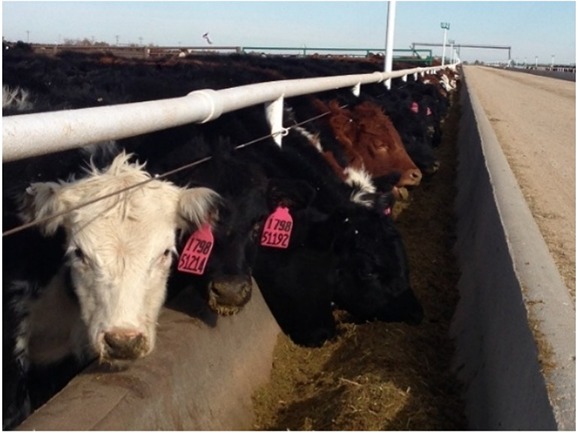
Feed availability and quality are critical to calf health. Start the feeding process with feedstuffs familiar to the calves, if possible. Clean grass hay is a good starting point, especially if the calves are not accustomed to alfalfa or other hay types. Grass hay is likely similar to what they have been eating for most of their lives. Providing feed in a feed bunk is preferred as it keeps the feed from becoming soiled in the pen (Figure 7). A small amount of hay may need to be placed in front of the bunk to entice the calves to approach. If a feed bunk is not available, a hay ring can also be helpful. One advantage of feeding hay in the pen is that the calves will often be distracted from their walking and bawling behavior, allowing them to focus on eating.
Once cattle are acclimated to the feeding process (2 to 3 days), it is time to introduce a more nutrient-dense feed source. Fresh-weaned calves need higher protein and energy than can be obtained from grass hay alone. Feed can either be mixed on-site, or a commercially manufactured feed may be purchased that is formulated to meet the special needs of stressed calves. This diet should be low in starch, with protein predominantly derived from plant-based sources. High levels of non-protein nitrogen are not recommended. In selecting a feeding program, it is essential to identify the priorities of the weaning process:
- Create long-term health to enhance future performance.
- Achieve low-cost, moderate weight gain.
- Capitalize on locally available feed resources.
- Prepare the calf for the next stage of production.
Specific ration combinations are too numerous to expand on in this publication. However, Table 1 lists nutrient ranges.
Table 1. Suggested Diet Nutrient Concentrations for Stressed Calves| Nutrient | Unit | Suggested range |
|---|---|---|
| Dry matter | % | 70 to 85 |
| Crude protein | % | 12.5 to 14.5 |
| Net energy for maintenance | Mcal/cwt | 60 to 73 |
| Net energy for gain | Mcal/cwt | 35 to 45 |
| Calcium | % | 0.6 to 0.8 |
| Phosphorous | % | 0.4 to 0.5 |
| Potassium | % | 1.2 to 1.4 |
| Salt | % | 0.2 to 0.3 |
| Copper | ppm | 10 to 20 |
| Manganese | ppm | 40 to 70 |
| Zinc | ppm | 75 to 100 |
| Cobalt | ppm | 0.1 to 0.2 |
| Selenium | ppm | 0.1 to 0.2 |
| Iodine | ppm | 0.3 to 0.6 |
| Vitamin A | IU/lb. | 2,000 to 3,000 |
| Vitamin E | IU/lb. | 20 to 50 |
A producer may also want to consider supplying a portion of the trace minerals (copper, zinc, manganese, and cobalt) in the form of a chelate or organic source. Organic trace minerals are readily available from several reputable manufacturers. Because vitamin and mineral nutrition is so critical early in the weaning process, and feed intake can initially be low, some producers will provide a loose mineral in the pen that has been specially formulated for stressed calves.
Disruption in the calf’s normal feeding patterns, along with a change in feed source, often leads to a decrease in feed intake for several days. This is normal, but calves should start to increase intake 2 to 3 days postweaning. Although feed intake is crucial for health and growth, efforts should be made to avoid ruminal upset and lethargy caused by overeating early in the feeding period. Avoiding diets high in starch will help, but it is also recommended to limit feed intake to between 2.0% and 2.2% of body weight for the first 28 days. The cattle may be aggressive coming to feed once they become acclimated; however, overfeeding in the early stages can cause digestive upset (clinical and subclinical), which often results in respiratory problems. Digestive stress can be identified by loose, watery stools, bloating, and/or a reduction in feed intake.

High-quality pasture is an ideal setting for weaning calves (Figure 8). If a pasture is available with good fences and excellent feed, the weaning transition can be made less stressful. In this scenario, the only supplementation needed is a high-quality mineral fortified with an additive to control coccidiosis (discussed below). Unfortunately, the combination of good fence and grass is not common in the Intermountain West during the normal weaning times. If this is an option, skilled labor is required to identify and treat sick animals on pasture.
Feed Additives
Weaning stress can often trigger bouts of coccidiosis. A protozoan of the genus Eimeria is usually present in a calf’s environment. Stress and exposure can result in an outbreak of coccidiosis. Coccidiosis is characterized by bloody stools and can result in death if not treated. Fortunately, treatment is highly successful when administered in a timely manner. Several feed additives are available that will significantly reduce the incidence of coccidiosis. These additives include: decoquinate (Deccox®), lasalocid (Bovatec®), and monensin (Rumensin®). Lasalocid and monensin also have the added benefit of improving feed efficiency and gain. Amprolium can also be used to treat the water source as an animal treatment and/or preventative measure. A veterinarian should be consulted to determine the program that best suits a specific situation.
Health
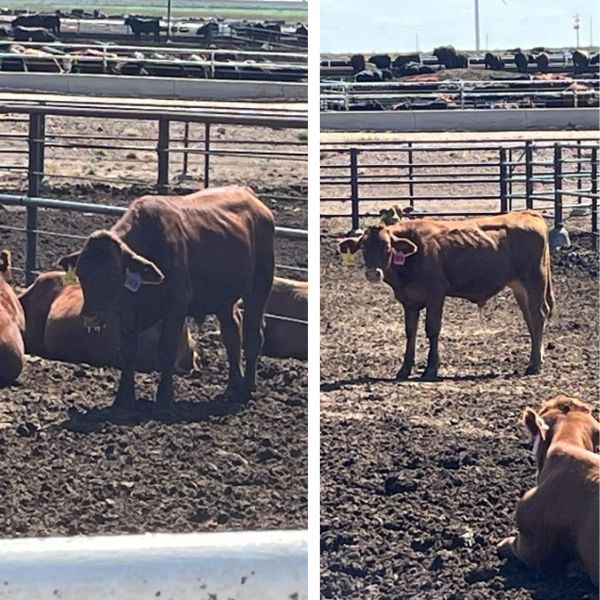
Respiratory disease is by far the most common health issue with freshly weaned calves. Previous work indicates that animal health and related medical costs are the most significant factors in determining feedlot profitability (Gardner et al., 1996). Ranch to Rail data (Lalman & Mourer, 2017) demonstrate that even one episode of respiratory-related sickness in a calf’s life results in a 0.32 pound/day reduction in average daily gain in the feedlot. Digestive upset often triggers subsequent respiratory disease. Prevention of any negative health-related episode is critical to optimal animal performance.
When respiratory challenges do occur, it is vital to recognize the symptoms and treat affected animals with the appropriate antibiotic promptly. Cattle should be observed at least twice a day, every 24 hours, during the first 45 days postweaning. The following observable symptoms are an indication that an animal may be experiencing respiratory disease:
- Reduced feed and water intake. This can be recognized by a gaunt or sunken appearance in the flank.
- Elevated respiratory rate.
- Extreme nasal discharge.
- Depressed look, with the head hanging lower than the shoulders (Figure 9).
Due to the nature of prey animals, sick cattle will often attempt to look normal and hide themselves within the herd when a threat is perceived. It is a good practice to look over the fence from a distance that does not disturb its normal behavior to identify a sick animal. An astute producer can also note which animals are aggressively coming to feed and which are hanging back. Producers should consult their veterinarian to determine the best treatment protocol.
Prophylactic use of antibiotics is an option when combined stress events and/or previous performance suggest a likelihood of a respiratory disease challenge. Prophylactic use can take the form of feed-borne or injectable antibiotics and can be very effective in mitigating the loss of high-risk animals. Your veterinarian is a valuable source of information on this topic and should be involved in the decision-making process.
Keep in mind that it is common for cattle to appear very healthy for the first 14 to 21 days, only to break with respiratory problems 3 weeks postweaning. Wisely stay vigilant with feeding and health protocols through the entire weaning process; a calf is not fully weaned and ready for the next production step until 45–60 days postweaning. This period can be longer if the cattle have experienced a significant bout of respiratory disease or are not fully on feed. It is best to avoid shipping the calves or significantly altering their diet until after they are fully weaned and healthy.
Early Weaning

Early weaning is an effective tool used to improve pregnancy rates in anestrus cows and/or improve body condition in drought conditions. High-maintenance females, such as first-calf heifers, can be challenging to get bred in time to maintain a 365-day calving interval. The demands of growth coupled with lactation often place the heifer in a negative energy balance, delaying estrus and breeding. Weaning at 45 to 70 days can improve the reproductive performance of young and/or thin females. First-calf heifers that breed late following their first calf will likely breed later in the breeding season for their entire productive life. This will result in a lighter calf weaned every successive year (Berger, 2020). Weaning from 90 to 150 days of age is too late to improve the subsequent postpartum interval. Still, it is a tool that can be used to improve the body condition of the cow and reduce pressure on the forage resource when forage production is limited due to drought or fire.
To maintain a 365-day calving interval, a cow must conceive 80 to 85 days postpartum. Weaning will induce ovulation and a productive heat cycle within 7 to 14 days in previously anestrus cows (Laster et al., 1973). This will result in a calf weaned as young as 70 days old, weighing between 200 and 250 pounds. Due to an immature digestive system and high energy and protein requirements, forage-based programs are often inadequate to provide acceptable health and growth of early-weaned calves. A dry lot feeding program with a carefully designed diet can yield excellent health and growth results. Keep in mind that the feed bunk and waterer height need to accommodate small calves. Any exposure to the starter ration before the actual weaning is beneficial. This can come in the form of creep feeding or a small amount of ration while still on the cow.
Early Weaning Management
The protocols outlined for normal-weaned calves also apply to early-weaned calves. It is crucial to perform all vaccinations and other necessary procedures (such as castration and dehorning) at least 2 weeks before weaning. This will allow the calf to recover while in a relatively low-stress environment on the cow. A second round of vaccine is recommended when the cattle have recovered from weaning stress, 45 to 60 days postweaning.
Nutrition management is a crucial component of a weaning program, particularly for early-weaned cattle. Due to their limited rumen capacity and development, these calves will require a high-protein and high-energy diet. It is typical for an early-weaned calf to consume 1.0% to 1.5% of its body weight for the first 14 days. Intake should double over the next 2 weeks, reaching 2.5% to 3.0% of body weight on a dry matter basis.
Newly weaned calves need at least 12 inches of bunk space, with 18 inches being preferred. All animals will need to access the feed bunk simultaneously. Younger calves can be timid, and some will fall out if the pen environment is too competitive. Allowing each calf access to feed at the same time has the added benefit of making it easier to identify sick calves.
Early Weaning Feed Considerations
Avoid using low-quality feeds in the diet of early-weaned calves. Forages such as straw, corn stalks, or mature hay should not be used. Clean, dust-free alfalfa or grass hay is preferred. To reduce dust and increase palatability, wet feeds such as wet distiller's grain, corn steep, or molasses can be used. These products have the added advantage of helping the feed ingredients stick together, preventing sorting in the bunk. Water can also be added if other wet feeds are not available to reduce dust and increase palatability. Avoid ensiled feeds in the starter diet and introduce them slowly after feed intake has increased and stabilized. Feeds such as corn silage, alfalfa haylage, or small-grain silages are excellent feeds, but can be more challenging to start cattle on.
The protein component in the diet should be from a natural source, predominantly of vegetable origin. Avoid non-protein nitrogen (urea). Soybean meal, canola meal, and dry distillers’ grains are all good sources of natural protein. Significant amounts of protein can also be derived from high-quality alfalfa hay and wheat midds. The crude protein of the diet should range between 16% and 18%. Some nutritionists in the industry are recommending diets even higher in crude protein.
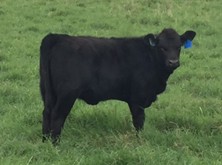
In contrast to diets for normal-weaned calves, which will derive much of their energy from forages, early-weaned calves need grain (corn, barley) and/or highly digestible fiber energy sources, such as wheat midds or soy hulls, to provide enough energy for adequate growth and health. The diet energy level should be between 65% and 75% total digestible nutrients (TDN) or 50 Mcal/cwt.
Feed additives and health considerations for early-weaned calves are similar to those recommended for normal-weaned calves. Consult your veterinarian to establish a proactive health plan that anticipates and mitigates potential health concerns. Morbidity early in the weaning and feeding process results in significantly reduced performance.
Complete commercial feeds are available from a variety of manufacturers. Although typically more expensive, they can be much more convenient to feed if ingredient storage and mixing ability are not available.
Summary
Weaning is often the first and most significant stressor introduced to a beef calf’s life. Simultaneously, calves are faced with changes in nutrition and social structure and are exposed to feeds and infrastructure they have likely never encountered. Additionally, this is often accompanied by stress caused by transportation and changing weather.
Preparing calves in advance of stress events, mitigating both physical and psychological strain, and spacing out stressful events will result in healthy calves that are better equipped to express their full genetic potential. Applying sound science and good common-sense animal husbandry will help achieve this goal.
References
- Berger, A. (2020, February 2). How can I get late calving cows to breed earlier so they calve earlier in the calving season next year? UNL Beef, University of Nebraska - Lincoln. https://beef.unl.edu/late-calving-cows-breed-earlier/
- Boyles, S. L., Loerch, S. C., & Lowe, G. D. (2007). Effects of weaning management strategies on performance and health of calves during feedlot receiving. Professional Animal Scientist, 23, 637–641.
- Gardner B. A., Northcutt, S. L., Dolezal, H. G., Gill, D. R., Ray, F. K., Morgan, J. B., & Shearhart, C. W. (1996). Factors influencing profitability of feedlot steers [P-951]. Oklahoma Agriculture Experiment Station, 164.
- Haley, D. B., Bailey, D. W., & Stookey, J. M. (2005). The effects of weaning beef calves in two stages on their behavior and growth rate. Journal of Animal Science, 83, 2205–2214.
- Lalman, David & Mourer, Grant. (2017). Effects of preconditioning on health performance and prices of weaned calves. ADFS-3529. Oklahoma Agriculture Experiment Station.
- Laster, D. B., & Gregory, K. E. (1973). Factors affecting postpartum estrus and fertility in beef cattle. Journal of Animal Science, 36(1), 1–6.
- Lopez, J., & Heinrichs, A. J. (2022). Invited review: The importance of colostrum in the newborn dairy calf. Journal of Dairy Science, 105, 2733–2749.
- Mac, S. E., Lomax, S., Doughty, A. K., Thomson, . PC., & Clark, C. E. F. (2024). The impact of abrupt and fenceline-weaning methods on cattle stress response, liveweight gain, and behaviour. Animals, 14, 1525.
- Margerison, J., & Downey, N. (2005). Guidelines for optimal dairy heifer rearing and herd performance. In P. C. Garnsworthy (Ed.), Calf and heifer rearing: Principles of rearing the modern dairy heifer from calf to calving (pp. 307–338). Nottingham University Press.
- National Academies of Sciences, Engineering, and Medicine. (2016). Nutrient requirements of beef cattle (8th rev. ed.). National Academies Press.
- Smith, D. L., Wiggers, D. L., Wilson, L. L., Comerford, J. W., Harpster, H. W., & Cash, E. H. (2003). Postweaning behavior and growth performance of early and conventionally weaned beef calves. The Professional Animal Scientist, 19(1), 23–29.
July 2025
Utah State University Extension
Author
David Secrist, USU Extension Beef Cattle Specialist

David Secrist
Professor of Professional Practice Beef Cattle Extension Specialist
Animal, Dairy and Veterinary Sciences