
Planning for Drought: Practical Tips for Cow-Calf Producers
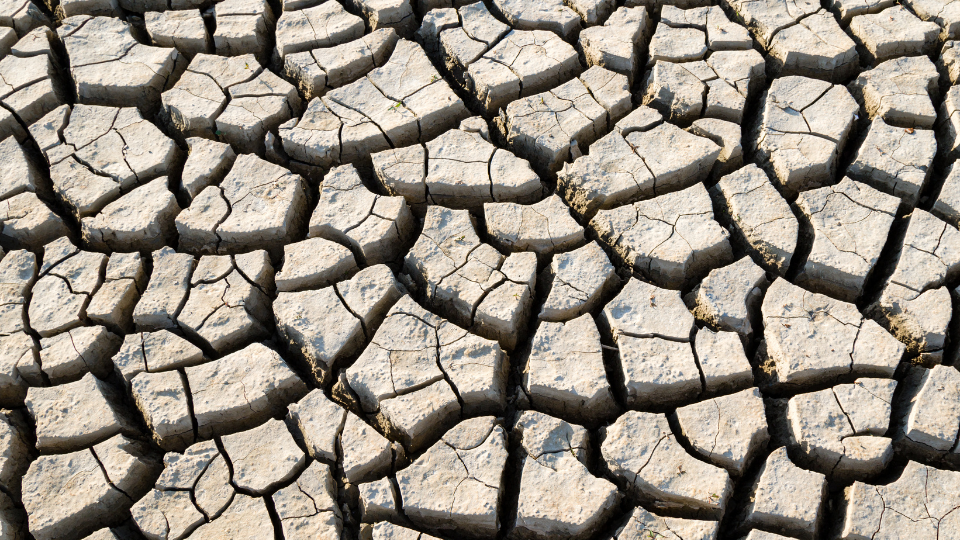
I am truly ready to talk about something other than drought, but here we are again. Without a significant change in the weather, the entire state of Utah will be wrestling with below- to far below-normal precipitation. For most of you, this comes on the heels of a very dry summer and winter of 2025.
I recently sat down with several colleagues to discuss risk as it applies to the cow-calf producer. Not surprisingly, most of the risk came down to two things: markets and weather. Markets are really pretty good right now, so the weather is front and center. Certainly, the risk associated with weather is nothing new. It is a constant source of coffee-shop discussion, and no one has any control over it. However, are there ways to make your operation less susceptible to production losses from adverse weather?
Before the drought, consider management practices that provide flexibility. Having the ranch stocked to capacity is a key to profitability. Spreading fixed costs across more cows always makes sense on paper. Unfortunately, ranches aren’t managed on paper, and the appropriate stocking rate can vary from year to year. This is especially true in drought-prone areas such as Utah. One option is to maintain the cow herd less than your “normal” capacity and run yearlings. Yearlings can be a good tool for utilizing ranch capacity in good times and easily liquidated when things get dry.
Utah’s Grazing Improvement Program (GIP) has been invaluable in improving rangelands and water development across the state. Water development can open up significant acreage for grazing that would otherwise be unavailable due to a lack of stock water. Although water development may not allow an increased stocking rate, it can serve as a buffer in dry years, helping you keep the herd intact.
Bad decisions are often made in the heat of the moment. Think through your grazing plan well in advance and establish trigger dates to prompt you to assess precipitation and likely forage production. Your own historical records can be handy, and the Western Rangelands Assessment Portal (WRAP) tool provides online historical data on precipitation and forage production across the West. This knowledge can help you plan a stepwise response to persisting dry conditions. If cows need to be culled, prioritize the herd to easily remove opens, old cows, late calvers, and bad udders or feet.
Pasture, Rangeland and Forage (PRF) Insurance is a great tool that can help soften the financial hit inflicted by drought. It is a USDA-sponsored risk-management tool designed to protect livestock producers from inadequate moisture. PRF protects against below-average precipitation and losses to grazing land and hay land. The program is subsidized, resulting in reasonable premiums. Unfortunately, it may be difficult to obtain PRF once the drought is underway, but it should be considered a regular part of the risk-management plan.
There are a few steps that can be taken during the drought to reduce the long-term impact. Early weaning is an option. A dry cow will only consume 80% of the forage of a wet cow. Although the early-weaned calves will be light, they can be shipped to areas with more abundant, cheaper feed before being sold, or sold right off the cow. The hit to revenue over one year is better than drawing down cow condition, which results in more open or late-calving cows. In short, keep a short-term problem from becoming a long-term disaster.
Always keep in mind that poor reproductive performance can be much more costly than one-time feed costs. Open cows are very expensive to replace, and late calvers will never catch up with the main herd. Each lost heat cycle will reduce the calf's weaning weight by 42 pounds. That weight is not just lost for one year, but it is likely lost for the remainder of the cow’s productive life.
In short, the best time to plan for this year’s drought is five years ago. But if you aren’t quite ready for this one, start preparing for the next one. In Utah, the next drought is right around the corner.
I hit lightly on many areas in this article. It was designed to spur thoughts and conversation. Please feel free to reach out anytime to discuss any of these ideas in more detail.
david.secrist@usu.edu
Contact
David Secrist, PhD
David.secrist@usu.edu