
Fall Nutrition
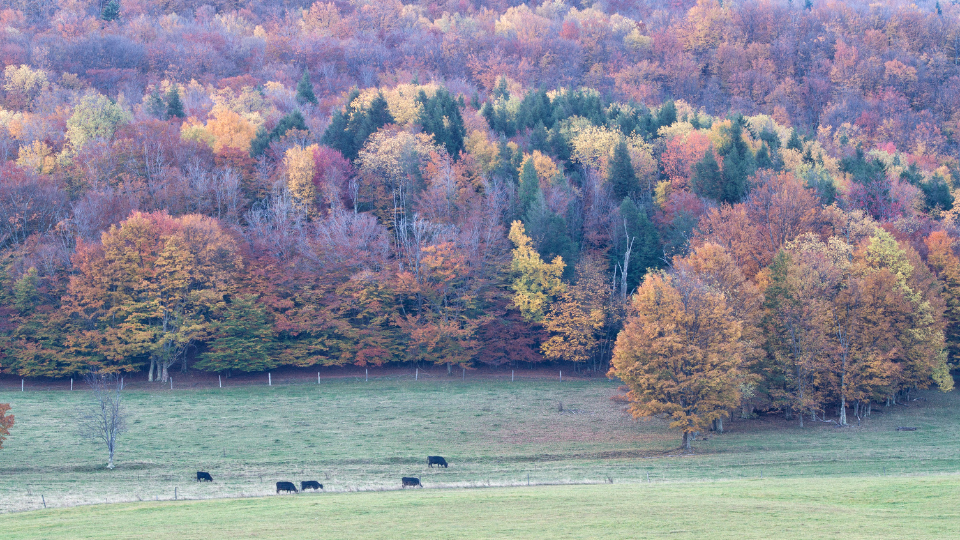
With the coming of September, another long, hot, and dry summer is coming to a close. As I have traveled around the region this summer, much of the range is looking tough, and the cows are not showing the bloom that they may have had in years past.
I have been asked recently about the best approach to put weight on thin cows. Although the specific application may vary across the state, two principles apply everywhere. First, reduce the cow’s energy output. Second, increase her energy input. It is truly a simple math problem.
First, address the energy output. The single largest energy drain on the cow is her calf. Weaning the calf even 30 days earlier can change the energy balance significantly. Additionally, if grass conditions are poor, the calf is not likely growing at a two-pound or better rate as it should be at this time of year. With a calf that is approaching 6 months old, high-quality feed is better provided directly to the calf. At this age, a calf will convert the feed to sellable gain much more efficiently than if that same feed were supplied to the cow. Refer to the recent USU Fact sheet, Weaning Beef Calves (https://extension.usu.edu/beef/research/weaning-beef-calves) for more information on weaning and calf nutrition.
Second, focus on improving the energy intake of the cow. Fall (after weaning) is the best and cheapest time to improve cow body condition. The weather is usually moderate, and the cows' nutritional demands are at their lowest. Cows entering winter with a body condition score of 4 or lower will struggle to maintain or gain the necessary fat stores to give birth to a healthy calf and to breed back next spring. Don’t allow a short-term problem to become a long-term disaster by not addressing the cow's body condition in the fall.
It is essential to assess the current situation. Do you have adequate but poor-quality grass, or is the quantity of grass an issue? Do you need to supplement or replace the forage resource? Solving the nutrition equation hinges on the answer to these questions.
If grass quantity is adequate but quality is poor, protein supplementation is the answer. Providing a relatively small amount of supplemental protein will increase dry matter intake by 20%. Often, protein supplementation alone will solve the energy problem IF protein is deficient in the forage. Depending on ranch logistics, commercial protein can be provided in the form of tubs, blocks, meals or range cubes. Additionally, alfalfa hay can be used as a relatively inexpensive protein supplement when fed in small amounts.
There are more variables than we can address in this article, but it boils down to the cost of the supplement per unit of protein and the cost of delivering that protein to the cow. Many of the higher cost supplements have the advantage of being much more convenient to feed, especially if the cows are spread out over a great distance and still grazing native range. Less expensive supplements may need to be fed three times per week. Understand your delivery cost and find the best solution for your operation. A deeper dive on this topic will be coming in the form of a USU Fact Sheet covering cow supplementation. It will soon be available at www.extension.usu.edu/beef.
If forage quantity is an issue, protein supplementation will not fix the problem. Protein supplements increase grass consumption and will not be effective if grass is not available. In this case, a forage substitute needs to be found. This year, hay is reasonably inexpensive. A mix of lower-quality forage (straw or grass) with alfalfa hay will provide the needed nutrition to help your cows gain weight. Silages can also be very effective.
Best of luck with the gather this fall!
Please feel free to reach out anytime.
david.secrist@usu.edu
Contact
David Secrist, PhD
David.secrist@usu.edu