
Looking Ahead to Recovery
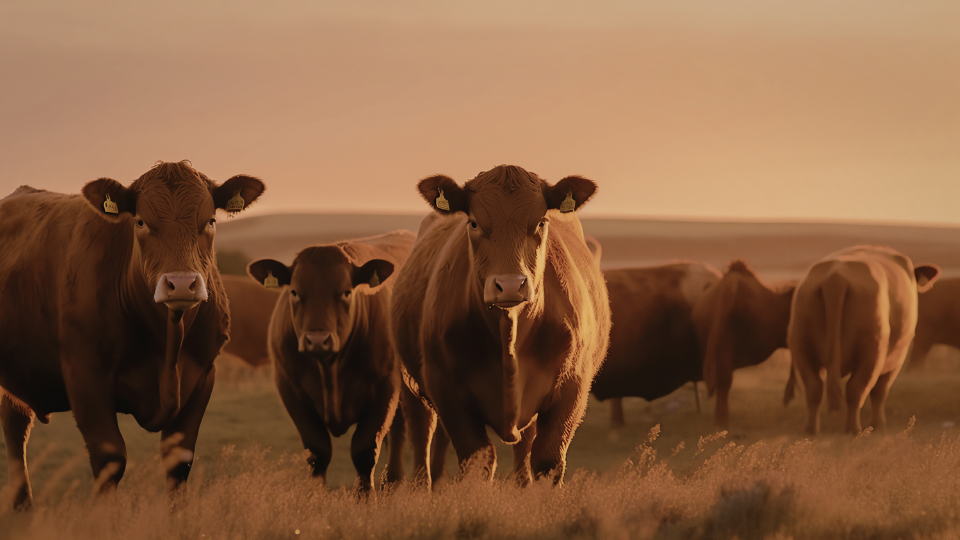
Drought and fire have dominated the lives of livestock producers in Utah and much of the Intermountain West this summer and over the last several years. Many of you have suffered losses to rangelands that may never look the same in your lifetime. Some have also lost livestock that are an important part of both your livelihood and your way of life. I think I can speak for many of us involved in this business when I say that we recognize at least a little of what you are going through, and our thoughts and prayers are with you.
I have been impressed by the response of the Utah Department of Agriculture and Food, along with other state and federal agencies. At its heart, Utah has not lost sight of its foundation in the farms and ranches that help make the state what it is. The state has invested resources in agriculture and is demonstrating that it will stand with ranchers when times are tough.
It may feel too early to talk about recovery, but recover we must. Out of these difficult circumstances will come both challenges and opportunities to build back in a better place. We can have better ranches, better cows, and become better managers.
As you prioritize the next steps, it is important to recognize the relative value of the assets you manage. Thinking like an investor, the land is often the largest and most enduring part of the ranch portfolio. The cow herd is the tool that allows you to harvest the forage and generate a return from that land. Because the cows need to be fed today, it is easy to overlook the longer-term needs of the range. Changes in rangeland condition can be subtle and may not become obvious for years. But just as a cow loses condition when her nutritional needs are not met, the land can lose productive capacity when it is repeatedly asked to provide more than it can sustain. Drought brings that relationship into focus very quickly, yet once moisture returns it is tempting to go right back to “normal.”
Just as a thin cow may perk up when given a little feed, the ranch is not fully recovered after one good rain or even one wet season. Green does not necessarily mean recovered. During drought, plants reduce growth above and below ground. When moisture returns, leaves must rebuild photosynthetic capacity and replenish the plant’s energy reserves while roots and growing points recover. If new growth is repeatedly grazed before the plant has had adequate opportunity to recover, root growth and plant vigor can remain suppressed. Over time, desirable perennial plants may become less competitive, creating opportunities for undesirable annuals and weeds.
Fire adds another layer to the recovery process. The amount of rest or deferment needed after a wildfire depends on fire severity, the survival of desirable perennial plants, erosion risk, post-fire precipitation, invasive-plant pressure, and whether reseeding or other restoration treatments were required. Rather than relying on a fixed calendar, watch the resource. Adequate ground cover, vigorous perennial plants, stable soils, and successful establishment of seeded species are better indicators of grazing readiness than simply counting months since the fire.
Remember to think long term when returning livestock to drought- or fire-affected range. Returning to the investing analogy, you do not want to spend the principal to meet an immediate need. Conservative grazing during recovery can help restore plant vigor and soil cover and protect the long-term productive capacity of the ranch. How conservative you need to be will vary by site and by the severity of the disturbance, so stocking decisions should be based on current forage production and range condition rather than automatically returning to the pre-drought stocking rate.
Speaking of the next drought, this is also a good time to reconsider the management plan if recurring dry periods repeatedly force you to destock the cow herd or purchase expensive feed and pasture. It is one thing to face that situation once in ten years. It is something entirely different when forage shortages are a regular part of the business. In that case, restructuring the livestock enterprise to better match variable forage production may be warranted. A 2026 Utah State University master’s report by Ross Israelsen evaluated forage production and alternative stocking strategies from 2001 through 2025 at four Utah locations. The data suggested that between 44% and 66% of the time, there was not enough forage produced to allow a full turnout for the entire grazing season.
Israelsen’s analysis found that, while the optimal mix varied by location, maintaining a smaller base cow herd and using stocker cattle to take advantage of additional forage in favorable years generally improved long-term economic performance and provided greater flexibility during drought over the 25-year period. This strategy may not fit every operation, but the underlying principle is worth considering: maintain a core cow herd that the ranch can support in most years and use a more flexible class of livestock to capture additional forage when conditions allow.
Other options can also improve drought resilience. Water development may improve livestock distribution and make better use of forage that has historically been underutilized. Strategic fencing, including virtual fencing where appropriate, can improve control over the timing and location of grazing. These tools can help managers leave more forage and recovery opportunity in key areas and preserve flexibility when dry conditions return. It is not possible to explore every option in a short article, but my goal is to encourage you to think about how to prepare for the next drought while recovering from this one. Above all, continue to prioritize the needs of your greatest long-term asset. You must feed the ranch.
Please feel free to reach out with comments or questions:
Resource Contact List
USU Drought Decision Tool – www.farmanalysis.usu.edu
USDA Farm Service Agency (FSA) — https://www.fsa.usda.gov/state-offices/utah
- ELAP — Emergency Assistance for Livestock, Honeybees, and Farm-Raised Fish Program
- LFP — Livestock Forage Disaster Program
- LIP — Livestock Indemnity Program
USDA Natural Resources Conservation Service (NRCS) — https://www.nrcs.usda.gov/state-offices/utah
- EQIP — Environmental Quality Incentives Program; contact your local NRCS office about post-fire and drought recovery assistance
Utah Department of Agriculture and Food (UDAF) — https://ag.utah.gov/
- EDRL — Emergency Disaster Relief Loan Program
- ARDL — Agriculture Resource Development Loan Program
Utah Grazing Improvement Program (UGIP/GIP) — https://ag.utah.gov/utah-grazing-improvement-program/
- Contact your local GIP coordinator about rangeland improvement and post-wildfire recovery opportunities
Utah Division of Wildlife Resources (DWR) — https://wildlife.utah.gov/
- Watershed Restoration Initiative (WRI) — contact your local DWR habitat biologist
U.S. Forest Service — https://www.fs.usda.gov/ — work with your local range or grazing-management contact
Bureau of Land Management (BLM), Utah — https://www.blm.gov/utah — work with your local rangeland-management specialist
Contact
David Secrist, PhD
Beef Extension Specialist, Utah State University
David.secrist@usu.edu