
USU Extension
Uintah County Office
Phone
435-781-5452
Address
328 East 200 South
Vernal, UT 84078
Mail to: 152 East 100 North
Vernal, UT 84078
Hours
Monday - Friday
8:00 a.m - 5:00 p.m.
What is USU Extension?
With offices covering Utah's 29 counties, Utah State University Extension provides research-based community education, resources and programs in the areas of agriculture and natural resources; business and community; food, health, and wellness; home, finance, and relationships; and 4-H and youth.How We Can Help
USU Extension offers expertise and pertinent information specific to the needs of our county
4-H & Youth
Uintah County offers many activities and programs like the options below:
- Friday 4-H – If you enjoy arts and crafts, STEM Projects, or cooking this club is for you! Friday 4-H is open to youth in K-12 grades and is held at the USU Extension office at 3:00PM. Cost is $5 if paid ahead online through Zsuite and $6 if paid in person on the day of activity. Sign up on ZSuite or by calling the office (435)781-5452.
- 4-H Teen Council – This amazing club is for youth in 6th-12th grade who are interested in leadership and help planning Uintah County’s 4-H events and activities. Teen Council does a lot of team building activities, service projects and has some awesome leadership opportunities. 2023 Teen Council Application
- Uintah Basin Junior Livestock Show - Raise livestock for submission at the Junior Livestock Show. Find all scheduling, entry forms and state information necessary to compete in Junior Livestock. More Information.
- Horse Program - Perfect your skills on horseback! Club practices are held on Thursday evenings beginning in the spring. View the show dates, rules, guidelines, and the horse council bylaws.
- Small Animals - Find all the information you need to compete in rabbit or chicken shows.
- Uintah County Fair - Show off your talents and join the fun at the Uintah County Fair. 4-H youth can enter all of their projects from the past year, participate in County Contests, and join in all of the other County Fair activities. More Information.
To join, login, register for events, or volunteer please visit 4-H ZSuite!
Uintah County Agriculture
Uintah County understands the needs specific to the agricultural community. We've provided information on hay testing, investing for farm families, soil testing and more to help meet those needs.
Soil Testing
How often do you test your soils before fertilizing? Many producers skip the time and cost of a soil test and use a fertilizer mix which is formulated to provide what the average field in the local area needs. If your fields have average soil fertility, this may be a reasonable strategy. However, if your field doesn’t need one or more of the components in the mix, then you‘re paying for nutrients you don’t need. Even more, the mix might not provide all of the nutrients needed by your crops.
The solution is to have your soils tested every 2-3 years or whenever rotating into a new crop. Then, you can spend your fertilizer dollar for nutrients that are most likely to give you a return. Last year, the average saving from soil testing was $36 per acre.
Grass hay, small grains and corn will need nitrogen which can be provided by manure, plowing down a legume crop or from fertilizer. The amount of nitrogen fertilizer needed is best determined from your cropping plans and yield goals. The best way to determine phosphate, potash and micronutrient needs is to do a soil test.
For testing, contact your local Extension Agent.
Ag Resources
If you would like to learn more, email cheyenne.reid@usu.edu or call 435-781-5819
Planting Dates for the Uintah Basin
- Hardy annuals can be planted 6 weeks before average last freeze date
- Semi-hardy annuals can be planted 4 weeks before average last freeze date
- Semi-tender annuals can be planted 2 weeks before average last freeze date
- Tender annuals should be planted after the average last freeze date
These dates are based on average last spring freeze dates.
| Locations | Average Last Spring Freeze Date |
Hardy | Semi Hardy |
Semi Tender |
Tender |
|---|---|---|---|---|---|
| Ouray, Bonanza | May 10 | March 29 | April 12 | April 26 | May 10 |
| Roosevelt, Myton, Jensen Browns Park |
May 20 | April 8 | April 22 | May 6 | May 20 |
| Vernal, Dry Fork, Neola Duchesne, Ft. Duchesne |
May 25 | April 13 | April 27 | May 11 | May 25 |
| Altamont, Manila | June 2 | April 21 | May 5 | May 19 | June 2 |
| Dutch John | June 7 | April 26 | May 10 | May 24 | June 7 |
| Fruitland | June 13 | May 2 | May 16 | May 30 | --- |
| Hardy | Semi Hardy |
Semi Tender |
Tender | |
|---|---|---|---|---|
| Annual Vegetables | cabbage peas radish spinach turnip |
beets, chard broccoli, cauliflower celery carrot kale, kohlrabi onion, leek mustard, parsnip potatoes rutabaga |
sweet corn summer squash tomatoes |
beans |
| Annual Herbs | chives dill garlic savory |
endive horse radish parsley sorrel |
basil chicory |
Uintah Home Family and Food
USU Extension offers several resources on how to improve family relationship, food nutrition, and the home.
FAMILY
- Family Finances
- Healthy Relationships
- Live Well Utah
- PowerPay, Debt Reduction
- Stronger Marriage
- Remarriage & Stepfamilies
FOOD
HOME
Healthy Lifestyle PowerPoints
USU Extension Uintah County Contact Information


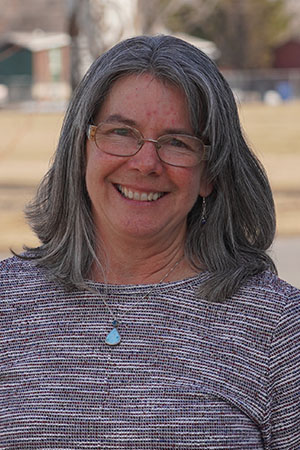
Suzanne Prevedel
Extension Associate Professor | Duchesne & Uintah Counties

Cheyenne Reid
Extension Assistant Professor | Agriculture, Natural Resources, 4-H | Uintah County Director
